

A lorry full of olive oil overturned on a motorway in Argentina.
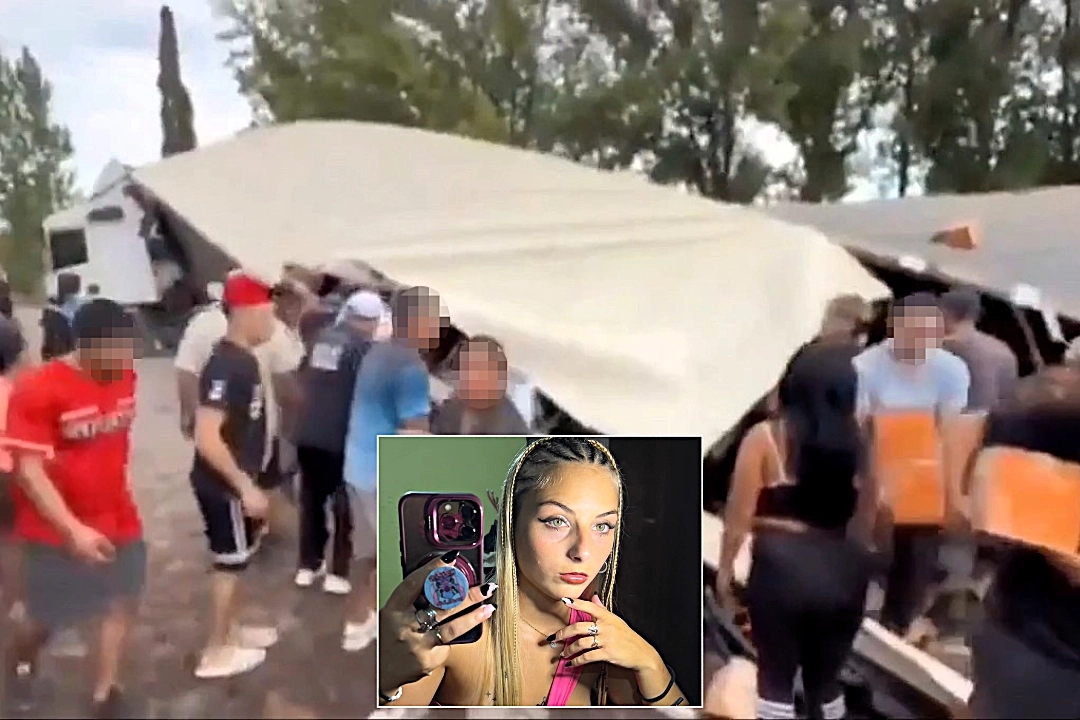
Dozens of locals rushed to help themselves.
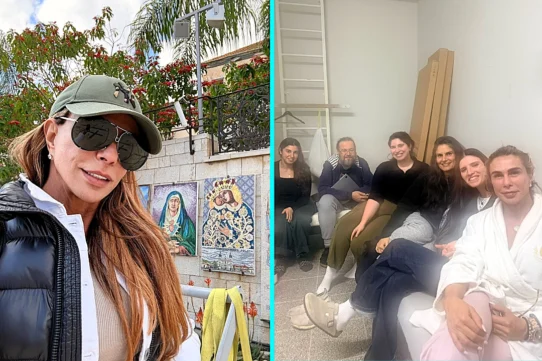
Jula Greco, a 23-year-old influencer with 343,000 Instagram followers, turned up with a camera and apparently encouraged them to keep going.
The crash happened on National Route 40 near Mendoza City on 3 April.
The driver had set off from Chile heading for Brazil when the lorry swerved to avoid another vehicle and collided with a parked Volvo semi-trailer.
The trailer split open. What followed was a scramble for the cargo, as reported by CreatorZine.
Greco, from Venado Tuerto in Santa Fe Province, filmed the scene for her followers.
In the clip, she can reportedly be heard urging locals to get involved.
“A lorry overturned, we have to go see what’s inside, come on,” she was quoted as saying.
“I still don’t understand what it is, but oh well, let’s grab some.”
She also interviewed several people who were apparently helping themselves to boxes of olive oil from the wreckage.
Police arrived, rocks followed

The looting did not last long unchallenged. Police arrived and attempted to clear the area, though several locals resisted and threw rocks at officers.
Greco’s footage captured the tense standoff.
Within hours, posts began appearing on social media offering the stolen olive oil at inflated prices.
Police confirmed they were monitoring the listings.
“Vile” and “heartless”

The backlash against Greco was swift. Viewers branded her vile and heartless after the clip went viral, with the footage sparking a wider debate about content creation at the scene of accidents and emergencies.
The criticism centred not just on her presence but on the encouragement she appeared to offer, turning a road accident into participatory content.
Police have confirmed they are evaluating whether to press formal charges against individuals identified in the viral clips, including potentially Greco herself.
The intention, they said, is to deter similar behaviour in future.
Why it matters

Greco’s video lands in an increasingly familiar territory where creators film first and consider consequences later.
The difference here is that the content does not just document something questionable.
It appears to actively encourage it. That distinction matters, both legally and in terms of how audiences are starting to react to crisis content.
The backlash suggests that the tolerance for clout chasing at the expense of others is thinning, even on platforms that reward exactly that kind of behaviour.
For creators, the lesson is straightforward: the algorithm might reward footage from a crash scene, but the police and the public might not.
Content creation ethics in emergency situations have become a recurring flashpoint online, and each incident like this sharpens the public conversation about where the line sits.
Greco has not publicly responded to the criticism.
The olive oil, by most accounts, is already listed for sale. The police are watching.