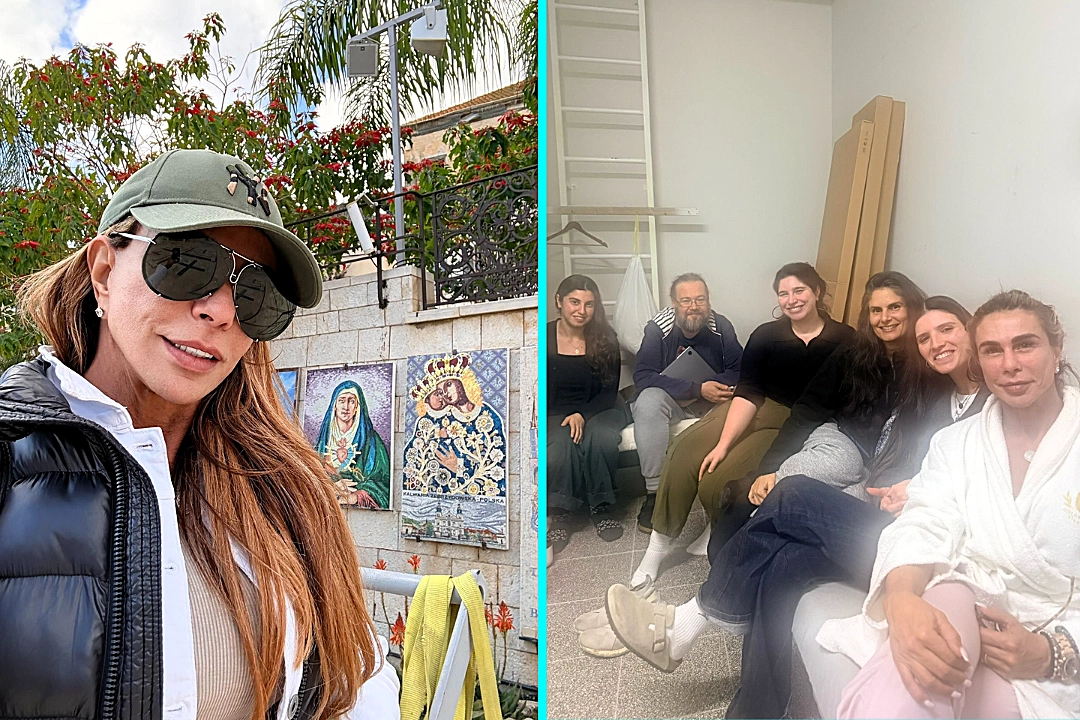

Andrea Sunshine went to sleep in Tel Aviv feeling peaceful.
She’d just returned from a pilgrimage to Jerusalem, one of the most spiritual experiences of her life.
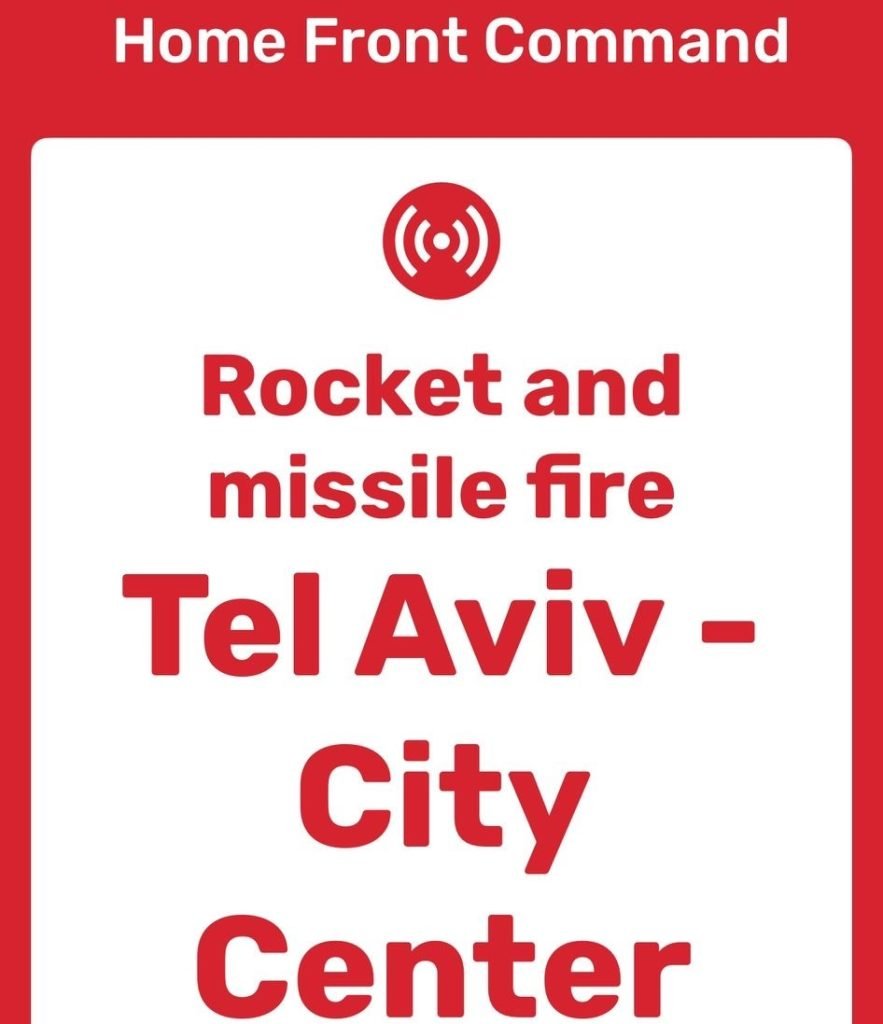
Six hours later, air raid sirens woke her up.
“My heart started racing and my body went cold,” the 55-year-old fitness influencer and personal trainer said.
“For a moment, I genuinely thought I might be living the last minutes of my life.”
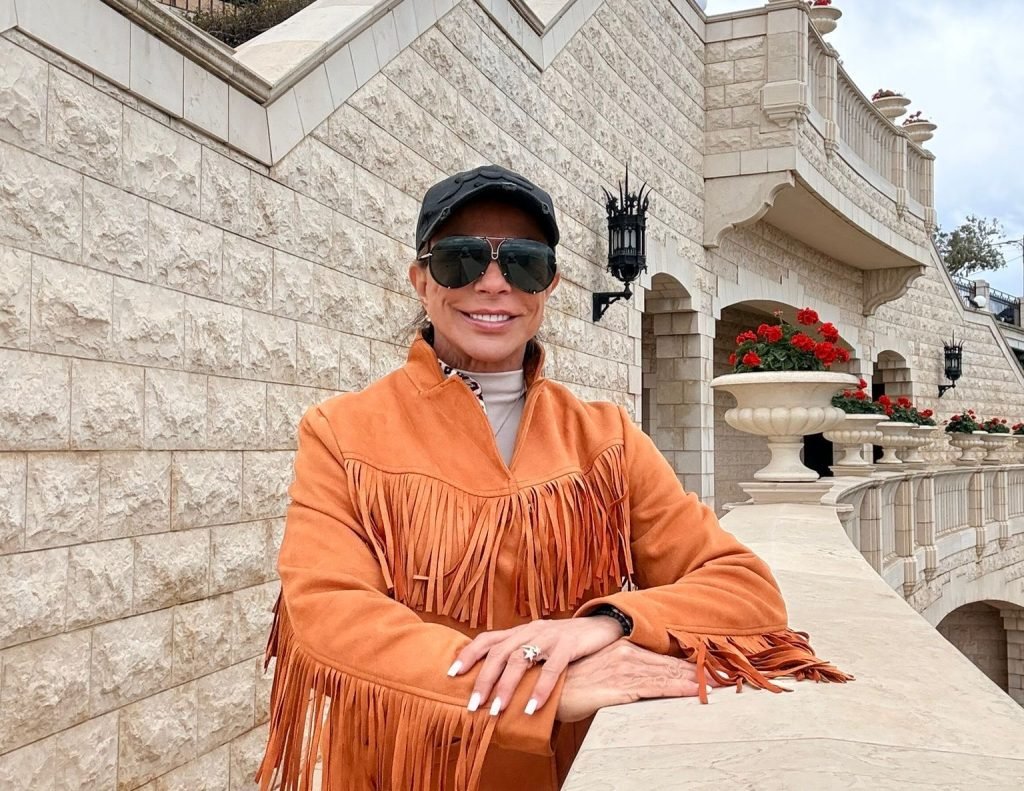
Sunshine, who is Brazilian but lives in London, had flown to Tel Aviv alone on 20 February from Heathrow.
She’d planned to stay eight days. She’s still there.
Running to the shelter alone
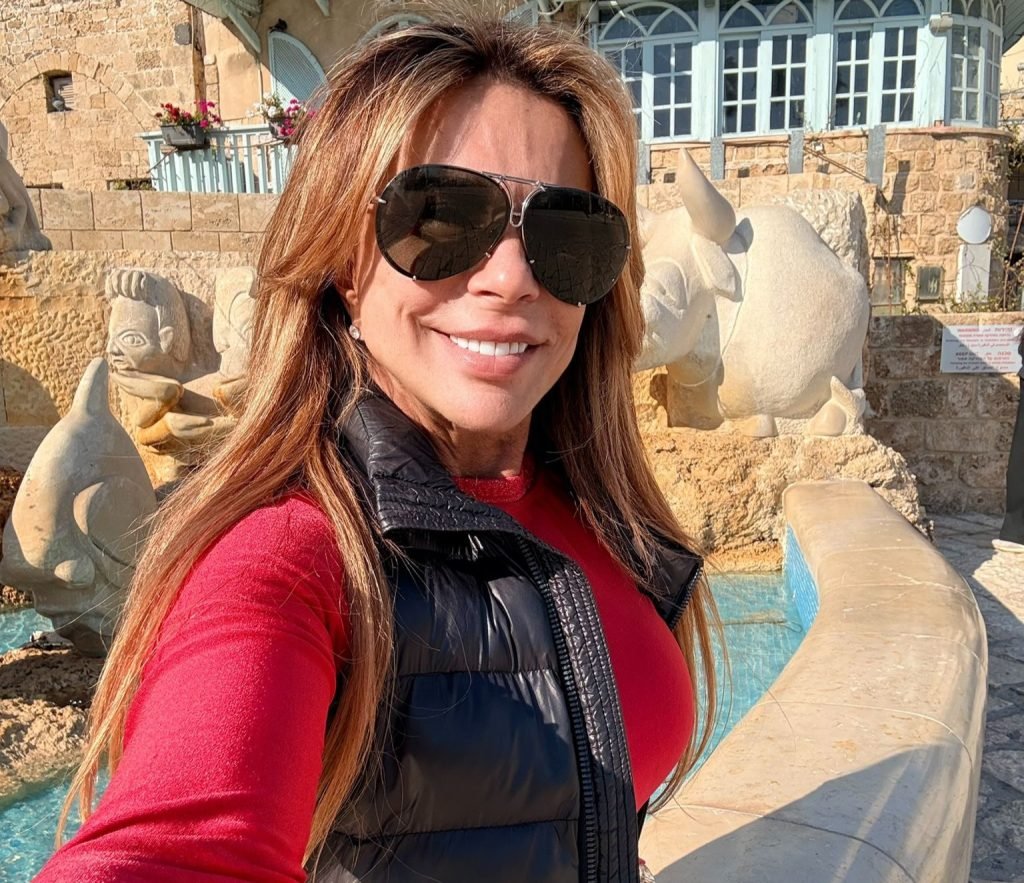
Sunshine had never heard an air raid siren before. She searched for information, found that every building in Israel has a protected shelter, and went downstairs. A group of local residents were already waiting.
“Since that moment, they have been incredibly kind and welcoming,” she said. “Even though I arrived here alone, not knowing anyone and not knowing what to expect, the local people have made me feel supported and protected.”
What struck her most was the range of reactions around her. Some locals appeared almost calm, conditioned by years of living under threat. She watched young people walking dogs and buying coffee between sirens, refusing to let fear dictate their routines.
“But at the same time I’ve also seen moments of real panic. When the sirens go off, some people run desperately towards shelters. It’s a mix of resilience and fear happening at the same time.”
Stranded with no clear way out
Sunshine is now in the same position as many other travellers caught in Israel as the conflict continues. Flights are unpredictable. Airspace opens and closes without warning. When seats do become available, prices spike within hours.
“It’s a strange feeling because you are technically free to leave, but in reality everything depends on the situation in the airspace and the availability of flights,” she said.
“Information changes quickly and sometimes there are only rumours or partial updates, so for now it’s a matter of staying informed and being ready if an opportunity to leave appears.”
Being alone makes every decision feel heavier.
“Every decision feels very personal. You have to stay rational, follow the safety protocols and wait for the right moment to move.”
“Nothing they lost mattered compared to being alive”
Despite the fear, Sunshine says the experience has reshaped how she sees things. In the shelter, she met a couple who had just lost their home in an attack. Their dog was safe. They were grateful.
“They weren’t crying or angry,” she said. “They kept repeating that nothing they lost mattered compared to being alive. Seeing that kind of strength changes your perspective.”
The grandmother and writer says the contrast between her pilgrimage one evening and the sirens the next morning is something she still hasn’t fully processed.
“In moments like this you realise that life is incredibly fragile, but also that people are capable of remarkable courage even in the middle of chaos.”
Why it matters
Creators and influencers travelling to conflict zones, whether intentionally or by circumstance, produce content that sits in an uncomfortable space between personal testimony and audience engagement.
Sunshine’s account is not performative; she’s a solo traveller caught in a situation she didn’t anticipate.
But the fact that her experience reaches followers through the same platforms used for workout videos and wellness content says something about how blurred those lines have become.
Travel creators being stranded by conflict is happening more frequently, and audiences are watching it unfold in real time.
How platforms and creators handle that tension, between documenting lived experience and the mechanics of content, is a question the industry still hasn’t answered.