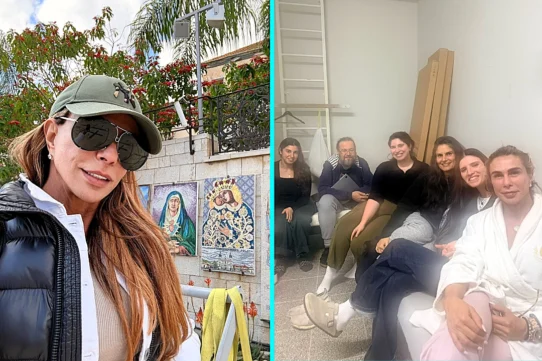


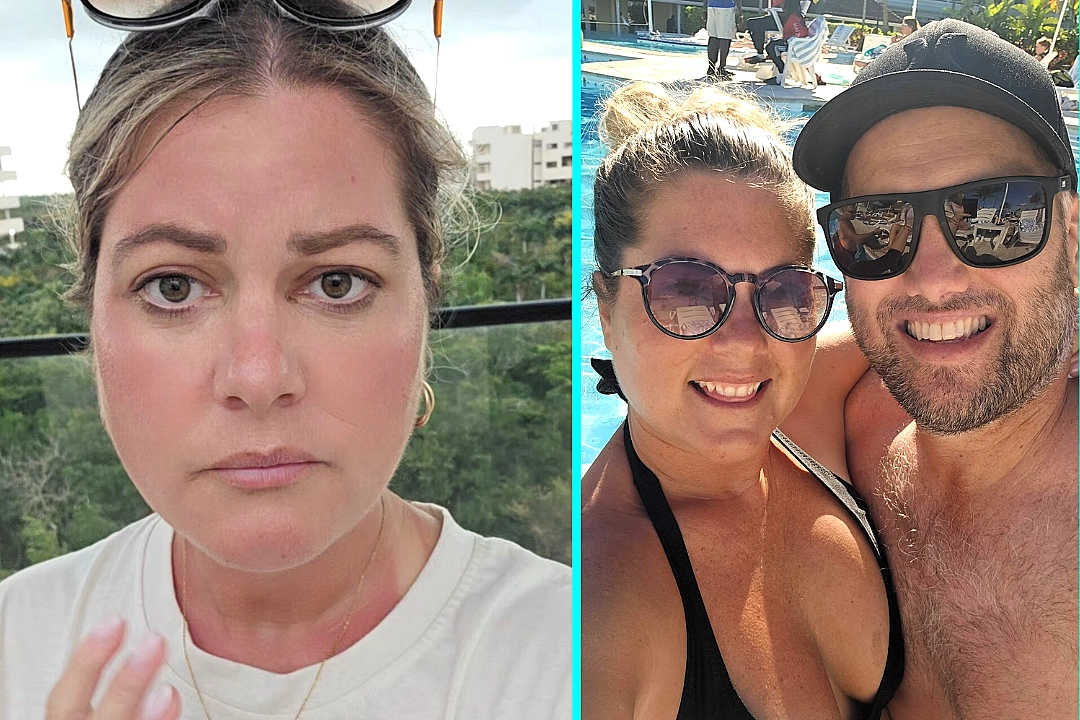

Keltie Bain and her husband Jeff had just walked back from a beach club in Tulum when the hotel receptionist asked where they’d been.
Then he told them not to leave again.
The Canadian travel influencer, who visits Mexico two to three times a year, found herself confined to her accommodation as cartel-linked violence rippled across the country following the killing of one of Mexico’s most powerful drug lords.
“Things changed so quickly because this wasn’t on our radar at all,” Bain told her 77,800 TikTok followers from her hotel balcony.
Military convoys and burning vehicles
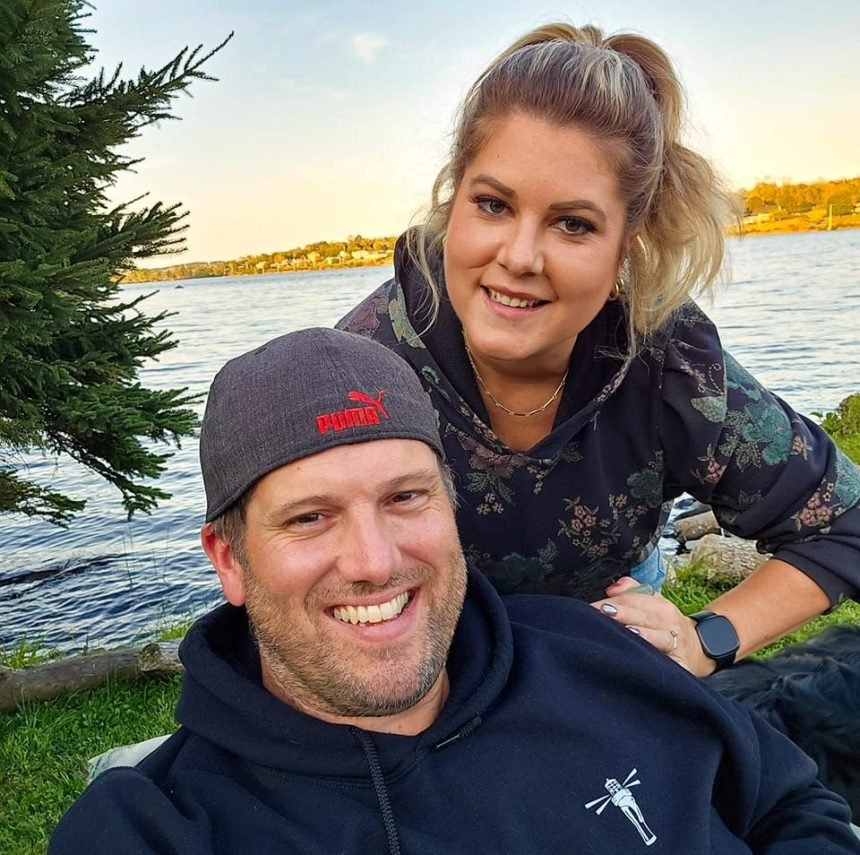
The couple had woken that morning to reports of cartel activity in Puerto Vallarta, roughly 1,500 kilometres away on Mexico’s Pacific coast. Bain assumed it wouldn’t reach Tulum, on the Caribbean side. She was wrong.
Walking back from downtown, she noticed police sirens, which she said are common enough in Mexico not to raise alarm. What followed was different.
“Behind the police was military, fully masked, in two vehicles with a bunch of people in them,” she said. “I even said to my husband, that’s weird, but again, we didn’t know what was going on.”
Back at the hotel, the receptionist filled them in. Cartel activity linked to the Puerto Vallarta incidents had reached the area. Vehicles were on fire downtown. They were told to stay inside.
What triggered the violence
The chaos followed a military operation in Jalisco state that killed Nemesio “El Mencho” Oseguera Cervantes, leader of the Jalisco New Generation Cartel. In retaliation, cartel gunmen launched coordinated attacks across multiple states, with Puerto Vallarta hit hardest.
Cars, buses and shops were set alight. Highways were blocked. Shootouts and explosions spread across the region. Airports and roads were disrupted, flights cancelled, and tourists temporarily stranded. Reports suggested dozens of people were killed in the wider violence, though tourists were generally not among the victims. Authorities issued shelter-in-place warnings across several major cities.
Ordering groceries and charging devices
Stuck inside, Bain and her husband ordered groceries to their room. They were lucky enough to have a kitchen. Staff also advised them to charge their devices in case of power outages.
“Apparently, major cities are being targeted,” Bain said in the clip, posted on 22 February. “Playa del Carmen, Cancún, obviously Puerto Vallarta. We’re in Tulum. So yeah, things are a little touch-and-go right now.”
Dinner plans for downtown that evening were scrapped.
“We feel perfectly safe in our current situation,” she said. “But we were planning to go downtown tonight for dinner. That’s obviously not happening.”
Once the situation calmed, the couple were able to enjoy the rest of their trip before returning home to Yarmouth, Canada.
Why it matters
Travel creators posting in real time from dangerous situations has become one of the most-watched content formats on TikTok.
It sits somewhere between breaking news and personal diary, and it performs because it offers something traditional media often can’t: the view from the hotel balcony, not the newsroom.
For creators like Bain, these moments also raise a recurring question about the travel influencer space. When your brand is built on showing people where to go, content about being told to stay inside hits differently.
Mexico remains one of the most popular destinations for North American travel creators, and cartel violence is not new. But the scale of the February attacks, and the number of tourists caught up in them, will likely shape how creators talk about safety and risk in the months ahead.