

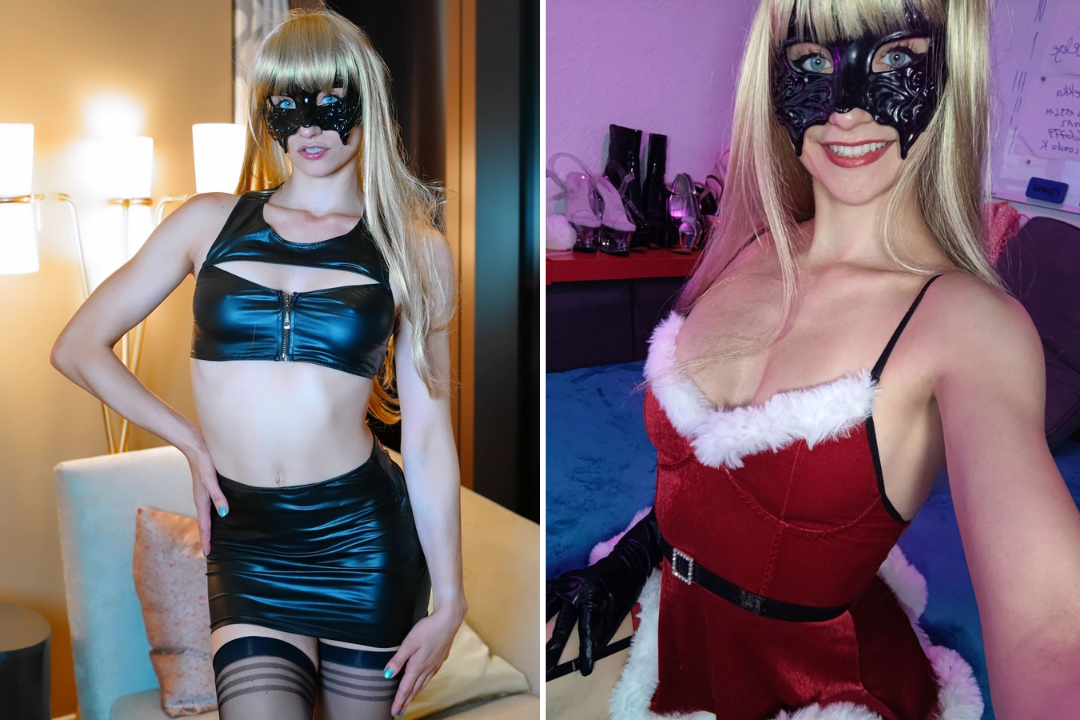

Ana Lingus started with some basic lingerie and one pair of heels.
She now owns more than 500 outfits – latex suits, designer heels, a cow costume – and has paid for roughly 10% of it herself.
Her fans covered the rest.
The wardrobe is the business
The 24-year-old Berlin creator has 60,000 followers across her platforms and streams several times a week.
What keeps them coming back, she says, isn’t a niche or a persona.
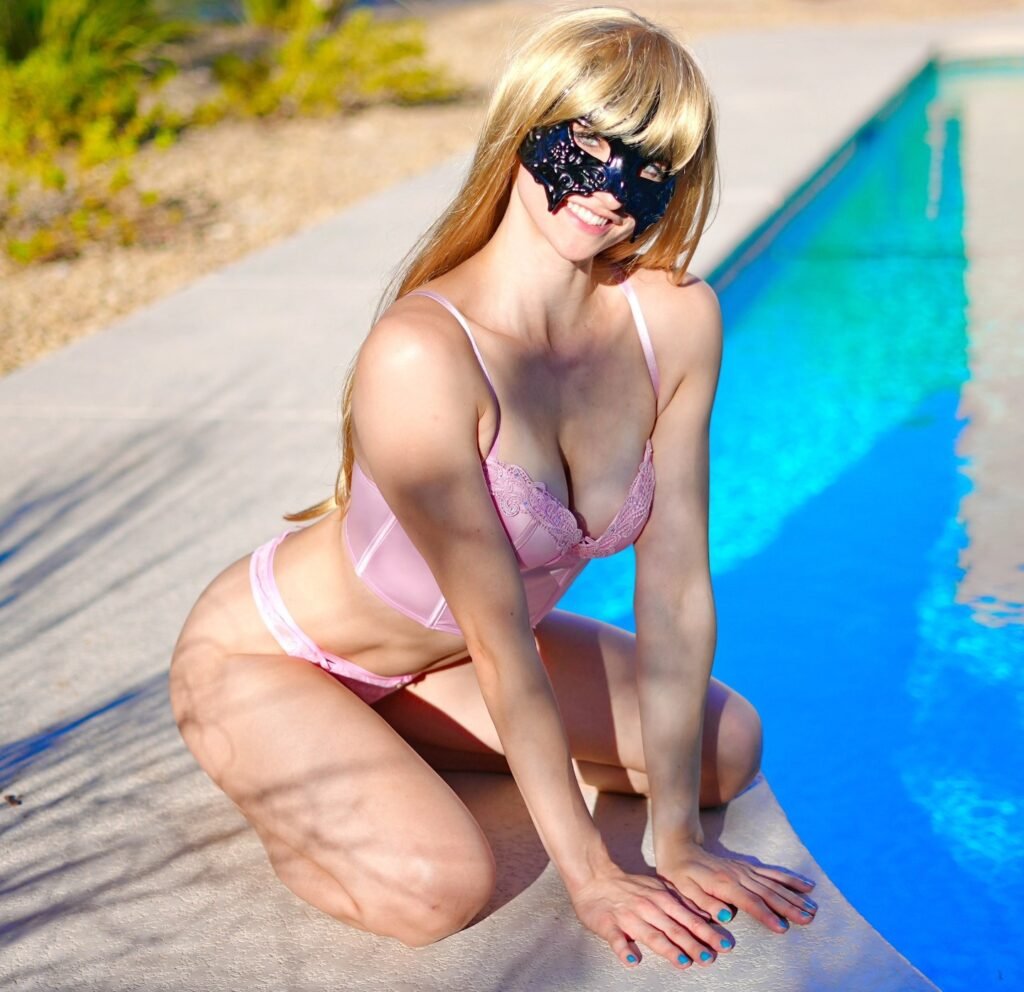
It’s the constant rotation of looks – cute one session, latex the next, something fetish-adjacent the one after that.
“I didn’t have much at the start,” she said.
“But once people started asking for specific outfits, I realised I needed to build a proper wardrobe.”
She now has an entire wall dedicated to clothes.
Followers request specific looks, tip towards new purchases, and watch the results show up in her content.
The model is circular and, for Ana, extremely effective.
“I love dressing up anyway, so it just became part of my personality online,” she said.

“Sometimes I’ll be something cute and playful – like a cow or a cat – and other times something more bold. It lets me explore different sides of myself.”
The latex economy
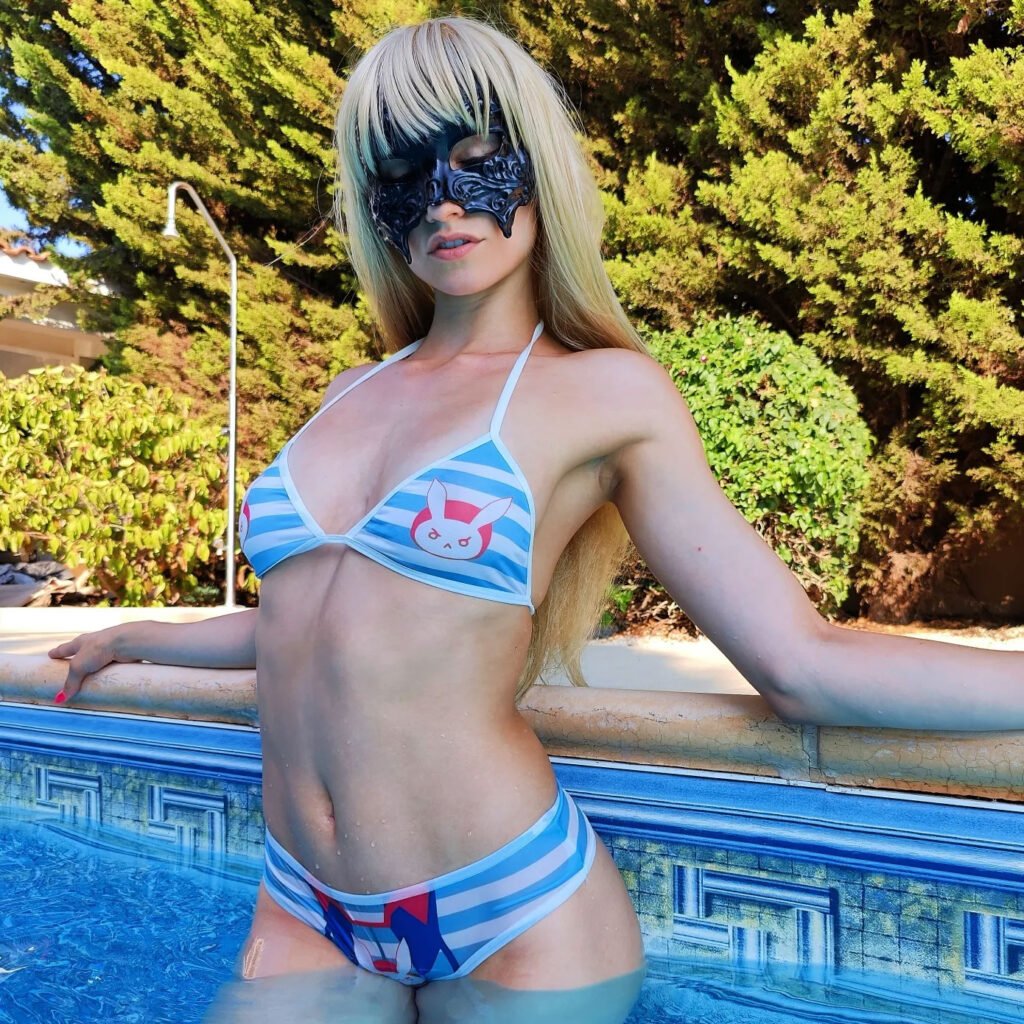
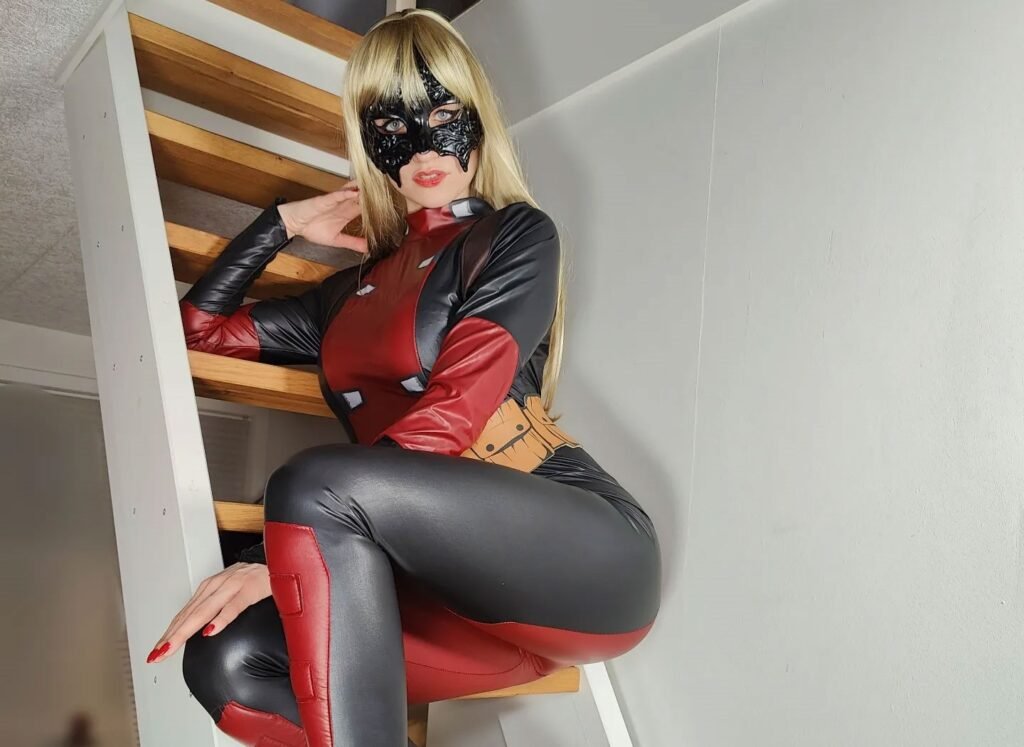
A good full latex suit runs to around €1,000. Ana owns several.
“Latex is definitely an all-time favourite,” she said.
“It looks amazing, but it gets really hot – it’s not easy to wear for long periods.”
High-quality latex also needs careful maintenance, making it among the more demanding pieces in the collection.
The fans don’t care about that part.
“People love how it looks – it’s shiny, it highlights your body, and they can imagine how it feels.”
Different looks pull in different crowds: cosplay fans, high-fashion followers, fetish-adjacent audiences who wouldn’t necessarily overlap otherwise.
The wardrobe doesn’t just serve one community. It runs several simultaneously.
One fan, one very large tip

About 90% of what Ana owns was funded by supporters, usually in exchange for personalised content.
The arrangement has occasionally tipped into something more dramatic.
“I once added loads of items I wanted to get and one fan tipped enough to cover everything,” she said.
“Then I added more and he supported that too. It meant I suddenly had loads of new looks and a lot of content to make.”
She’s also received enough in a single go to buy multiple pairs of designer heels, with fans actively competing to see their contributions show up on screen.
“I’m always browsing for new ideas or adding things I want to get next,” she said.
“There’s always something new to try.”
Why it matters
Ana’s model is a clean example of something the creator economy is still working out how to describe: fans not just consuming content but actively building the conditions for it.
The wardrobe isn’t merch.
It isn’t a Patreon reward. It’s the product itself, funded in advance by the audience who wants to see it exist.
For creators looking at ways to monetise beyond subscriptions and one-off tips, the wish-list-to-content pipeline is worth paying attention to.
The broader trend is real: creators increasingly treating their audience as collaborators in production, not just consumers of it.
What’s next
With hundreds of looks already in rotation and no signs of slowing her acquisition rate, the question for Ana isn’t what’s next in the wardrobe – it’s how long a wall can hold it all.
She’s already thinking about the next purchase.
READ MORE: We earn five figures a month on OnlyFans – then Euphoria showed up and got everything WRONG