

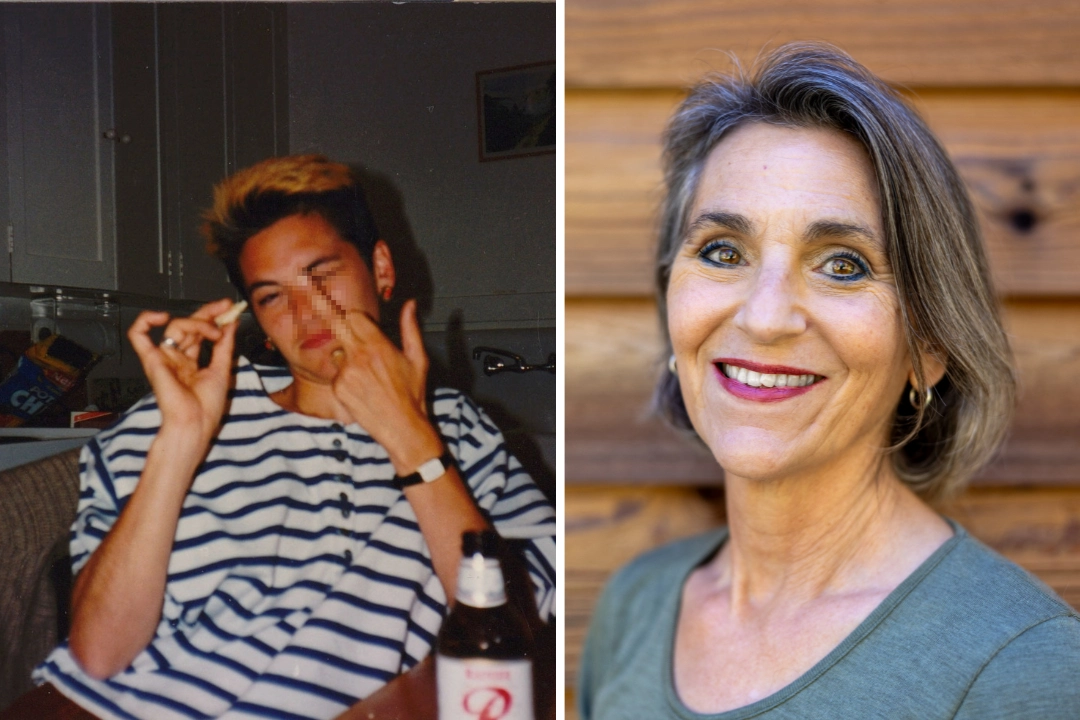

Louisa Peck was a self-described materialist atheist who despised anything she considered woo-woo.
Then she died for three minutes on the floor of a New York nightclub and came back with abilities she has spent the past 43 years trying to make sense of.
In November 1982, the then-22-year-old took cocaine that had been cut with lidocaine, an anaesthetic, while partying with friends.
Her heart stopped. She went into a grand mal seizure and lost consciousness. A bartender performed CPR. She was unresponsive for three minutes.
What happened during those three minutes, and what followed in the decades after, is the subject of her book, Die-Hard Atheist: from NDE Denier to Full-on Woo-Woo.
‘More real than anything back there’
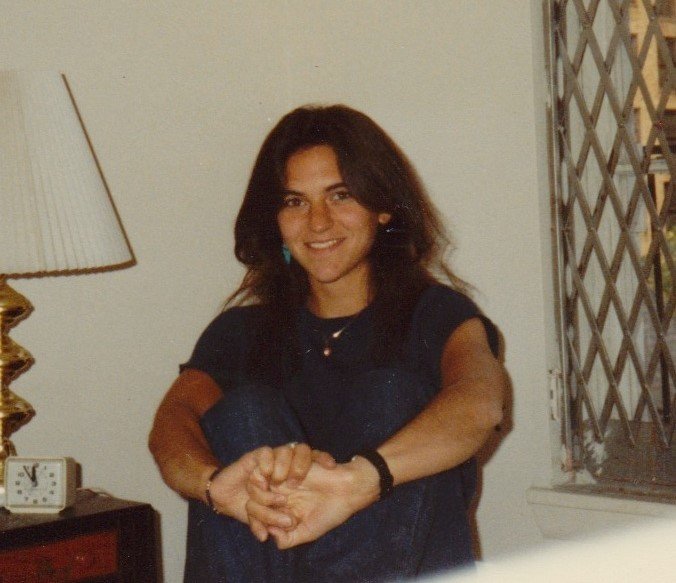
Peck describes being launched into the air “like a character punched by Popeye”, soaring over Manhattan, diving into the ocean and swimming to shore without effort. She found a pale blue house that she recognised instinctively as belonging to her ancestors, felt her physical body fall away, and entered.
“As I crossed the threshold, I realised this was the house of my ancestors, that all of us had passed through it,” she told CreatorZine.
“I could see the grain of the wood floor worn to almost a powder by the tread of so many generations.”
She describes flying again, passing into what she perceived as the sun, and being engulfed by a light that felt like “divine love”. A voice told her: “You can’t stay, you’re not done yet.”
She came to on the nightclub floor with a bartender over her. She did not wait for the ambulance. She took a taxi home and tried to forget the whole thing.
The abilities she did not ask for
Forgetting proved impossible. Five years later, Peck saw what she describes as the ghost of an old man emerge from a swamp on a beach, stare out to sea and vanish. In 1993, she had a strong premonition that her unborn nephew would not survive to full term. He did not.
In 1997, while sitting with her terminally ill sister in hospital, the same voice from the nightclub told her to “tell her about the light” because her sister was “having trouble crossing”. Peck whispered a description of the light into her sister’s ear. Twenty minutes later, her sister haemorrhaged and died.
“I soon sensed her clear as life hovering above us in the room,” Peck said. “Her unique love was palpable to me. She filled me with the light and gave me instructions to find her two-year-old child and communicate what she would tell me.”
Other experiences followed: knowing a stranger’s name before being told, viewing a friend’s memories involuntarily, and continued communications with what she calls a guardian angel voice that has appeared as an orb in photographs.
‘I was determined it meant nothing’
Peck did not tell anyone about the experiences for years, fearing she would seem “grandiose and crazy”.
She was still drinking heavily through much of this period. In 1994, while driving drunk, the voice intervened again: “This is the last time I can help you. And you do know right from wrong.” She got sober after that.
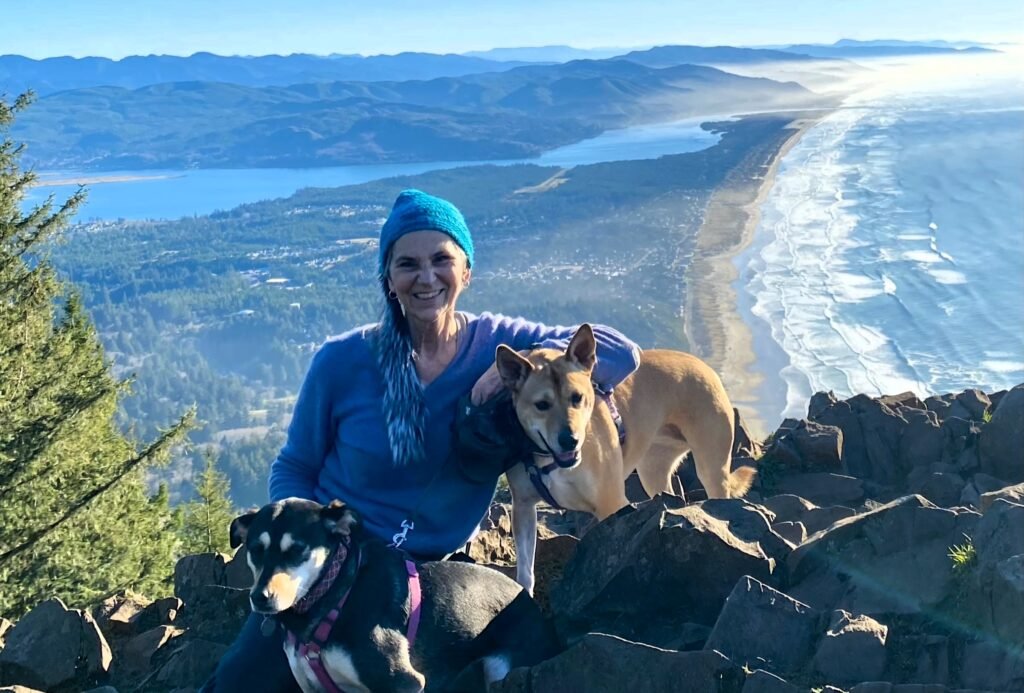
Now 65 and living in Nehalem, Oregon, Peck says the near-death experience itself was not what convinced her. It was everything that came after.
“It was the aftereffects, not the near-death experience itself, that proved to me the coexistence of a spiritual plane,” she said.
“I now believe intelligence and love are one, and that they manifest as the entirety of the universe. We are dense and dull-witted in our flesh suits, but to jump the spark of love from one of us to another is our purpose here.”
She remains sceptical of organised religion. “It’s like a pre-schooler’s clay model of profound and complex truths, and to adhere to it doggedly is not only misguided but dangerous.”
Why it matters
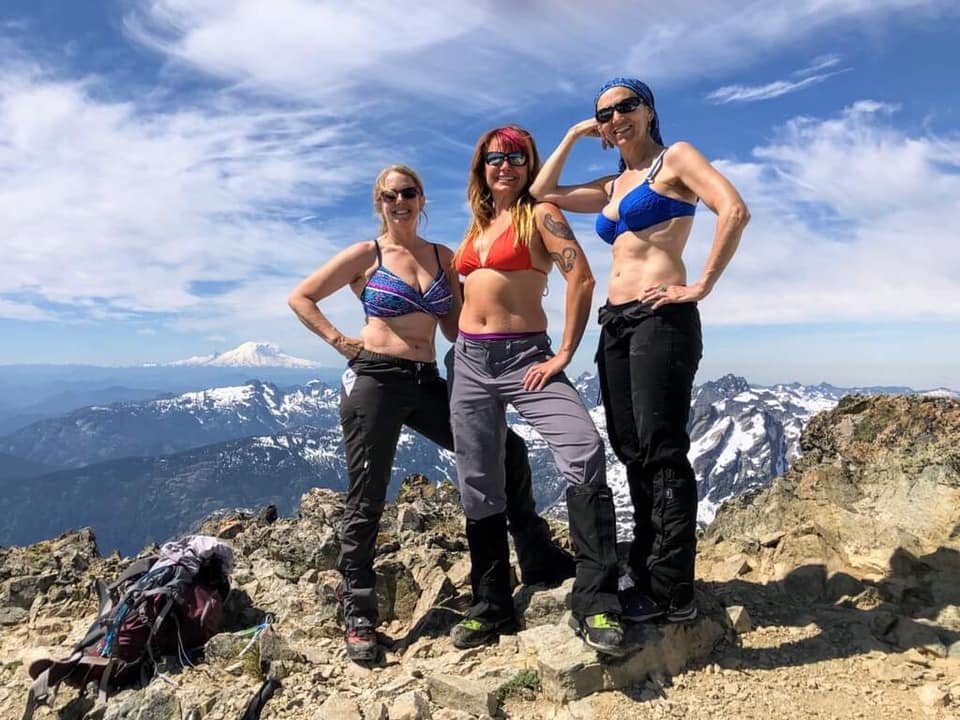
Near-death experience content occupies a growing space online, somewhere between spiritual memoir and the uncanny. Stories like Peck’s travel well because they resist easy categorisation.
She is not selling a religion or a product. She is describing events that she herself spent years trying to dismiss, which makes the telling more credible than most accounts in the genre.
For creators and publishers in the spiritual and paranormal space, the audience for this material is large, engaged and not going anywhere.
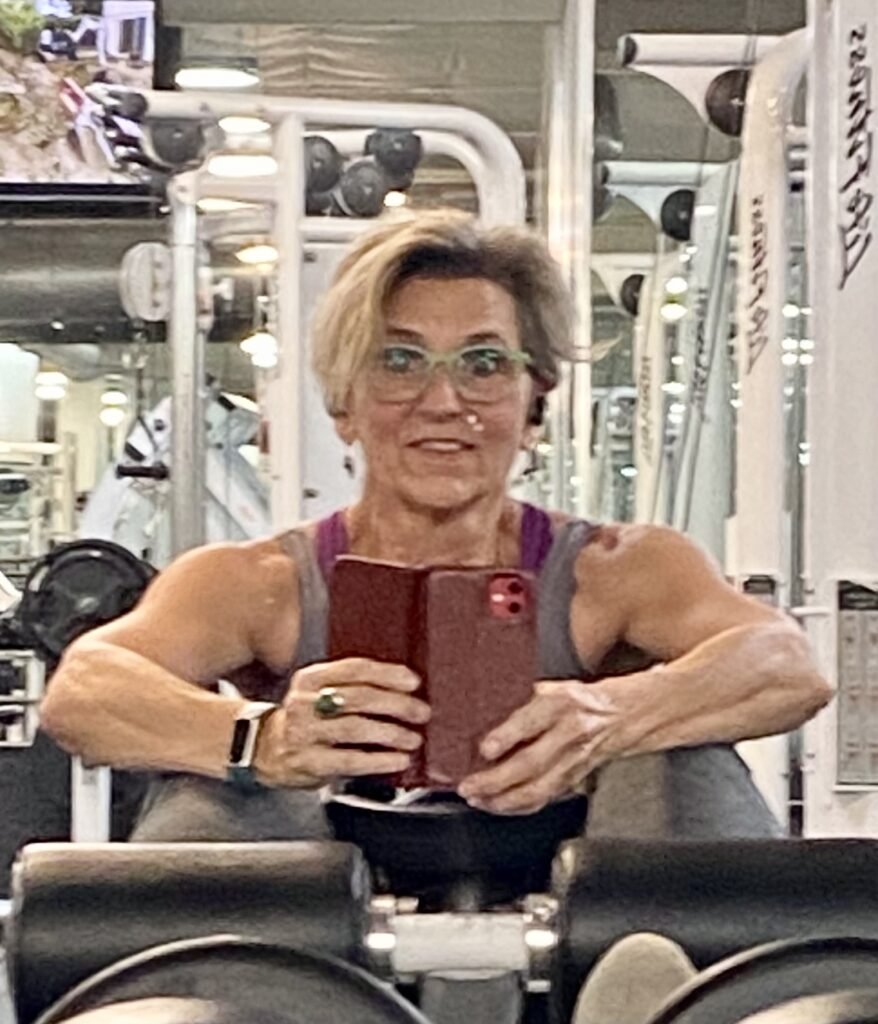
Peck’s book gives her story a structure that social media clips cannot.
Whether the experiences she describes are real, neurological or something else entirely is a question her readers will answer for themselves.
She seems comfortable with that.