

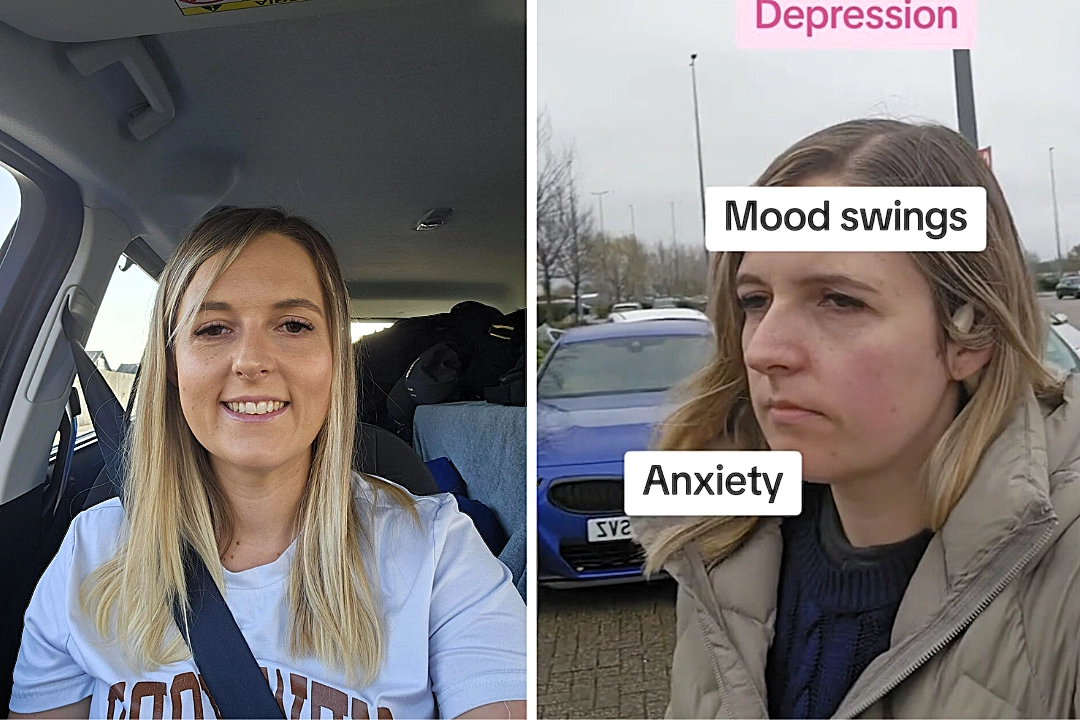

Becky Lee had muscle spasms, recurring urinary tract infections, a strange tightness around her chest and vision that never quite seemed right.
She explained every single one of them away.
The spasms were probably a vitamin deficiency.
The tightness was reflux. The UTIs were bad luck. The shaky vision?
She assumed everyone saw the world like that.
She was wrong about all of it.
The 32-year-old project manager from Bristol was diagnosed with relapsing remitting multiple sclerosis in February 2023, after years of symptoms she either dismissed or was too frightened to investigate.
“At the time, I didn’t realise how much it was all impacting me,” she told CreatorZine.
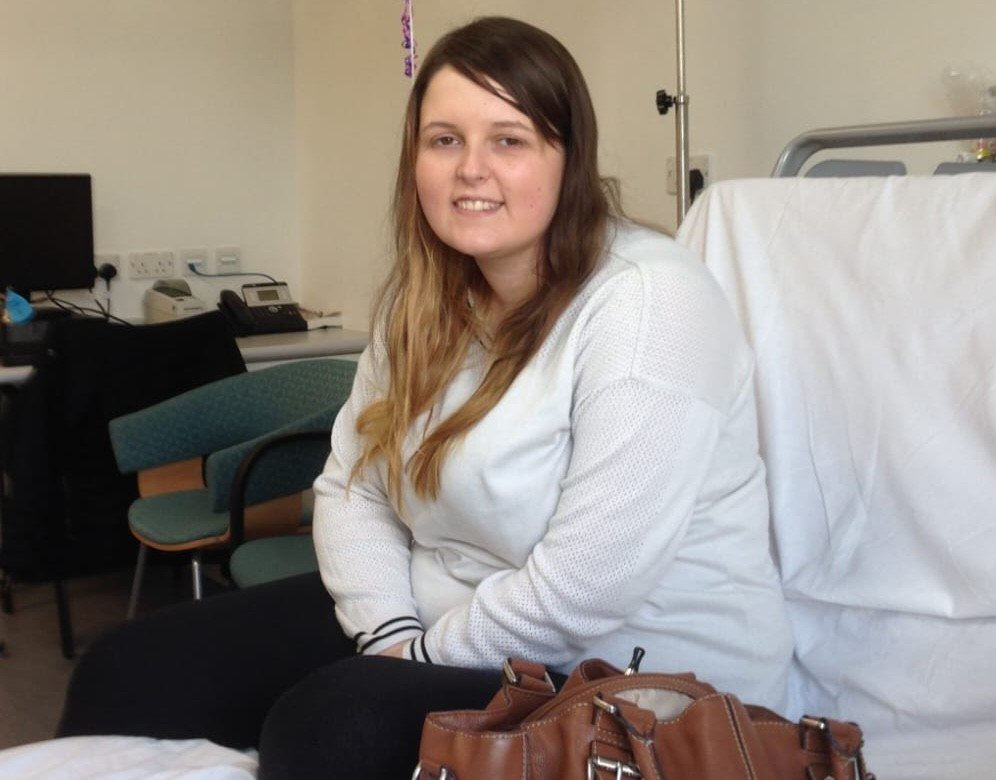
“Looking back, these were early warning signs. I didn’t realise they were connected.”
A diagnosis she wasn’t ready for
The first sign that something serious was happening came in 2015, when doctors found inflammation and damage in her central nervous system.
She was told she had clinically isolated syndrome, a condition that can develop into multiple sclerosis, and was advised to carry on living normally until things changed.
They changed. Dizziness got worse. Her balance deteriorated.
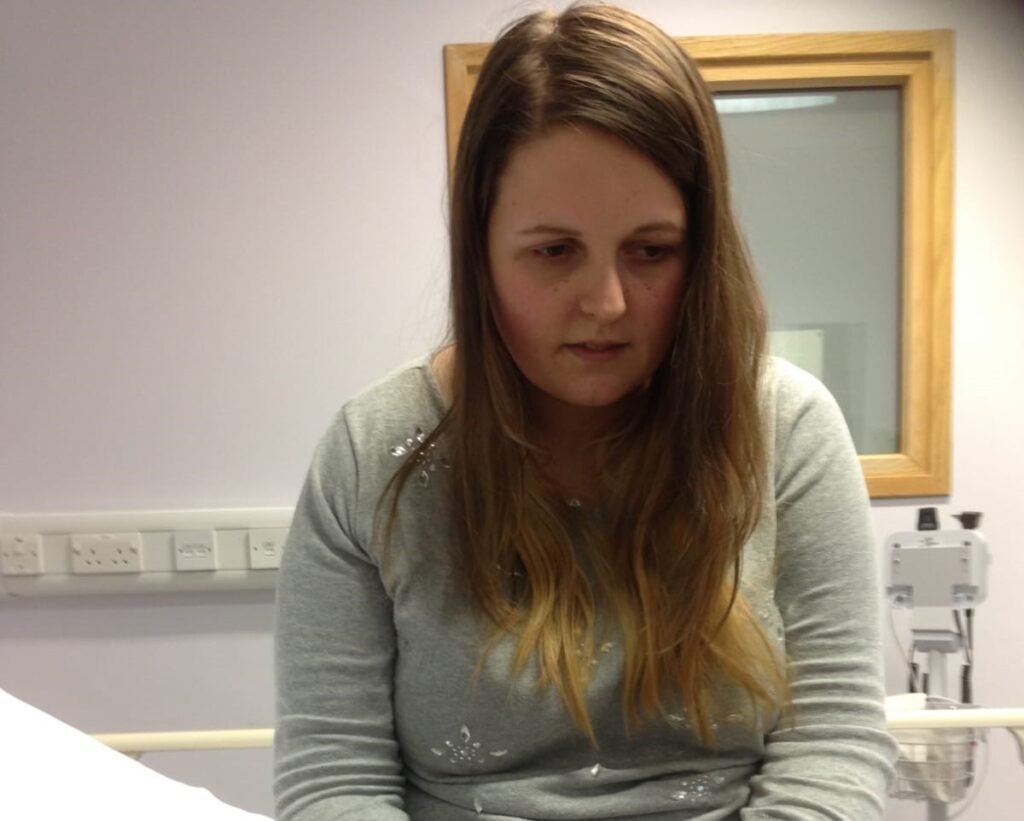
She developed significant weakness on her left side, with muscle wasting beyond what would be considered normal.
Her vision problems persisted, though eye tests kept coming back clear.
“I remember looking at signs or something in the distance and feeling like it was always slightly shaking or vibrating,” she said.
“But my eye tests always came back normal. So I assumed it was something everyone experienced.”
The MRI she turned down
In 2020, Lee was offered an MRI scan. She said no. She was 27, and the idea of a formal diagnosis felt worse than not knowing.
“I was young and fearful of how a diagnosis could change my future,” she said.
“Living without a formal one felt easier than facing reality.”
Two years later, she went for the scan. The MS diagnosis was confirmed in early 2023.
“It is difficult to know if an earlier diagnosis would’ve changed anything,” she said.
Living with the invisible

Lee now receives treatment from a neurologist using Kesimpta, a medication designed to slow the progression of the disease.
Her daily reality involves managing fatigue, weakness and dizziness that nobody around her can see.
“It’s invisible, from the outside, and I look completely fine,” she said.
“But inside, I’m dealing with fatigue, weakness and dizziness each day.”
She has had to rethink how she uses her energy, slowing down in ways she never expected to at 32.

The unpredictability is the hardest part.
“It’s unpredictable, which can make the future seem uncertain at times. Lots of people with MS probably feel the same.
For now, I try to focus on living my life as best as possible rather than worrying too much about what might happen.”
Why it matters
Lee’s story illustrates something that comes up repeatedly in MS awareness campaigns: symptoms can be subtle, scattered across years, and easy to rationalise individually.

The fact that she declined a scan out of fear is not unusual. Delayed diagnosis is common with MS, particularly in younger patients who struggle to reconcile their age with a chronic condition.
For creators and publishers covering health stories, accounts like Lee’s have genuine value in reaching audiences who might recognise their own dismissed symptoms.
MS affects around 150,000 people in the UK, and early diagnosis can make a meaningful difference to treatment options and long-term outcomes.
Lee wants people to take scattered, seemingly unrelated symptoms seriously, even when the alternative feels easier. Especially then.