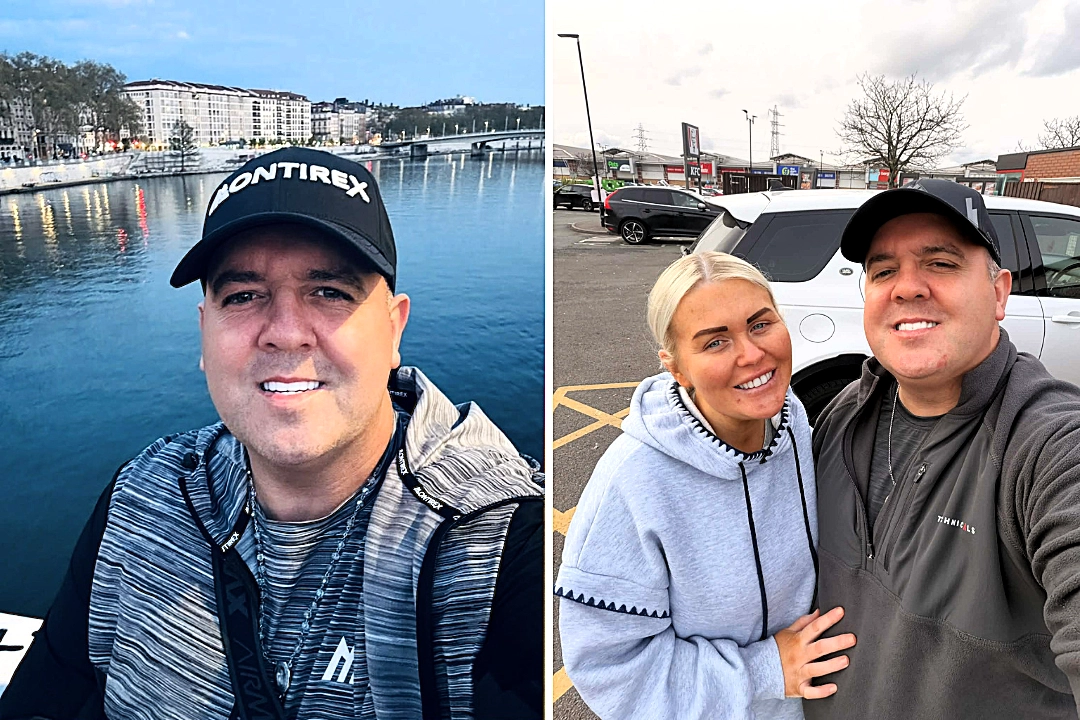

Jerry McCann took out a £10,000 payday loan while already £5,000 into his overdraft.
He told himself he would gamble a bit, win some money and sort everything out. He lost the entire £15,000 in one weekend.
“That’s the lie gambling addiction tells you,” the 38-year-old from Salford said.
“Thousands can go in minutes when you’re spinning slots or chasing losses. You keep thinking the next spin will be the one that brings it back. Before I knew it, the money was gone.”
He is now six months gambling-free. It is the longest he has ever gone.
It started at 15
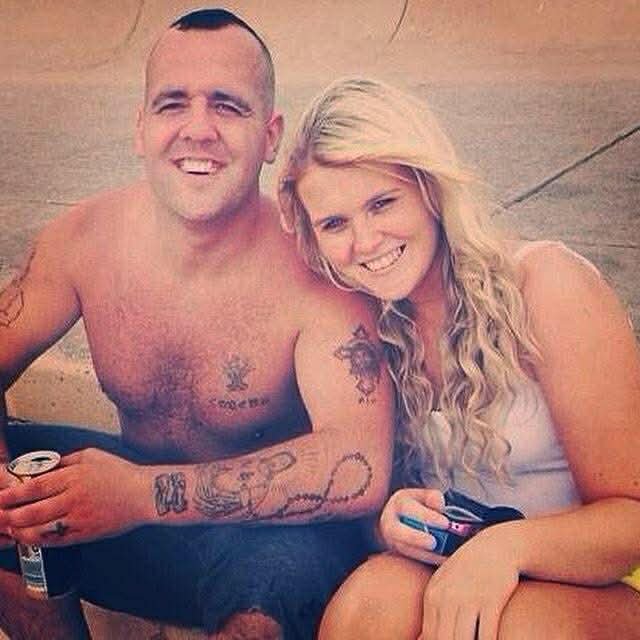
McCann’s gambling began with small bets on horses and dogs in betting shops when he was a teenager.
It felt social. It felt manageable. It stayed that way for years.
Then he found online slots.
“With online gambling, it’s constant,” he told CreatorZine.
“You don’t have to leave the house. It’s on your phone 24 hours a day. Before you know it you’re chasing losses and trying to win back money that’s already gone.”
Over 23 years, he estimates the addiction cost him around £200,000. At his worst, he was gambling every day, sometimes multiple times, spending hundreds or thousands in a single session.
“You’re not gambling to win anymore,” he said. “You’re gambling to escape the feeling of losing.”
‘I felt completely broken’
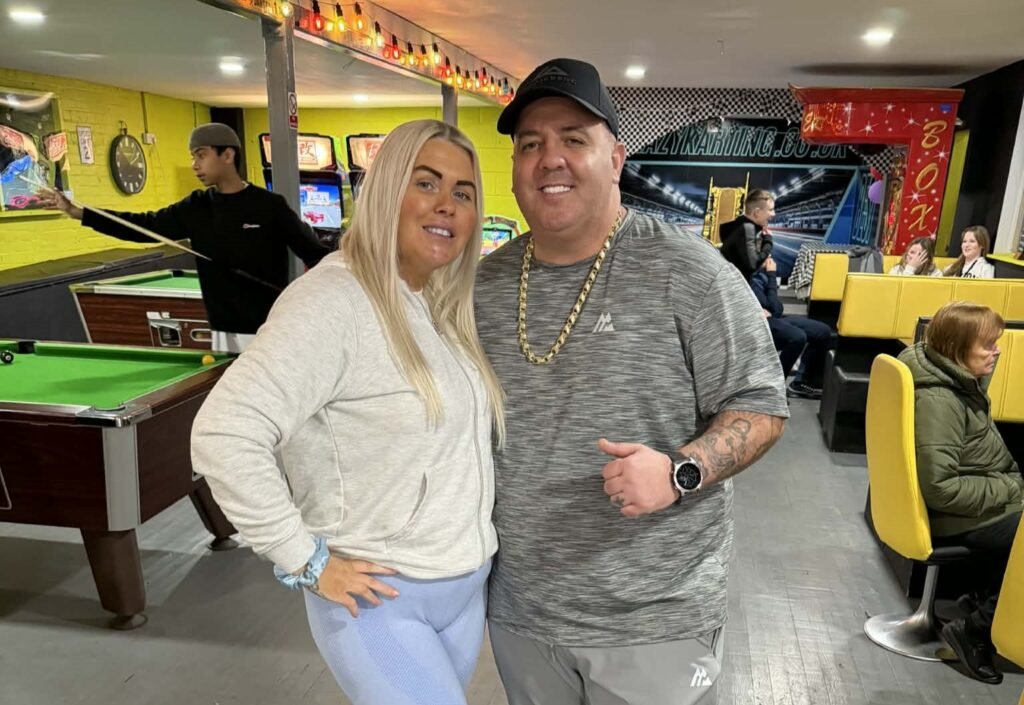
The £15,000 weekend was the lowest point. McCann remembers sitting afterwards with what he describes as a horrible, empty feeling.
“Shame, panic, regret, fear. I knew I’d just made my situation ten times worse. You start asking yourself how you’re going to explain it, how you’re going to repay it, how you’ve let yourself get to this point.”
The damage went beyond money. The dad-of-seven says there were times he could not afford basic essentials. Bills piled up. Debts grew. Sleep, mental health and relationships all suffered.

He admits the addiction pushed him into behaviour he never thought he was capable of.
“Gambling had me doing things completely against my character like borrowing money and even asking people for as little as £1 in the bookies just to place another bet. That’s what addiction does. It strips away your control.”
Six months clean
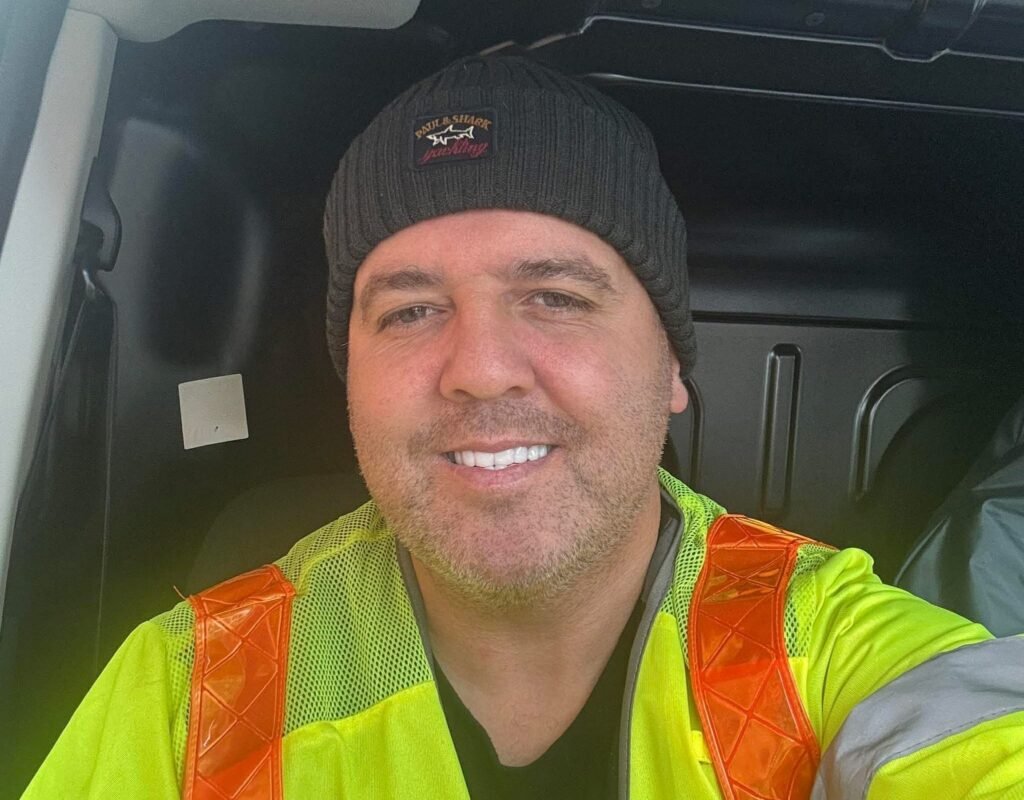
McCann took his first step towards recovery in September last year by admitting he had a serious problem and cutting off access to gambling wherever he could.
The path has not been straight. He relapsed every couple of weeks before this current run.
“That’s the reality of addiction. Recovery isn’t always a straight line,” he said.
“But right now I’m six months gambling-free, which is the longest I’ve ever gone and I’m proud of that. Now, my life is clearer, calmer and I’m finally building a future instead of destroying it.”
Speaking publicly about his addiction has helped him stay accountable. He says telling the story out loud still shocks him, particularly the numbers.
Why it matters
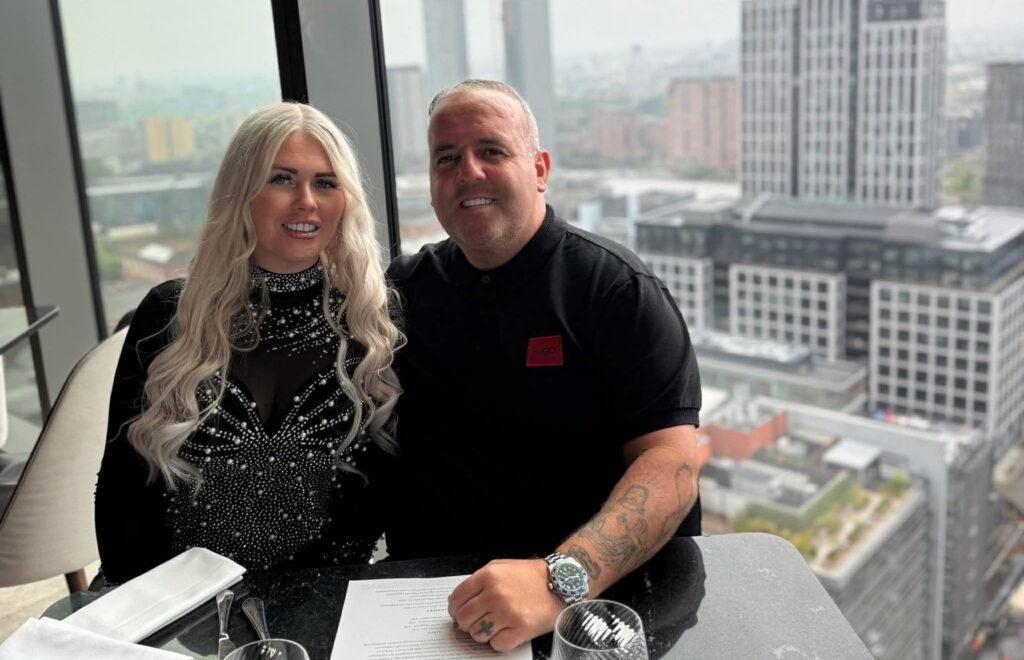
Online gambling has made addiction faster, more private and harder to interrupt than it has ever been. McCann’s story follows a pattern that gambling support organisations describe repeatedly: the shift from in-person betting to mobile slots, the escalation from social habit to daily compulsion, the payday loans taken out in the belief that one big win will fix everything.
The fact that he could lose £15,000 in a single weekend without leaving his house says more about the design of these platforms than it does about his willpower.
For anyone recognising parts of their own behaviour in McCann’s account, that recognition is the part that matters most.
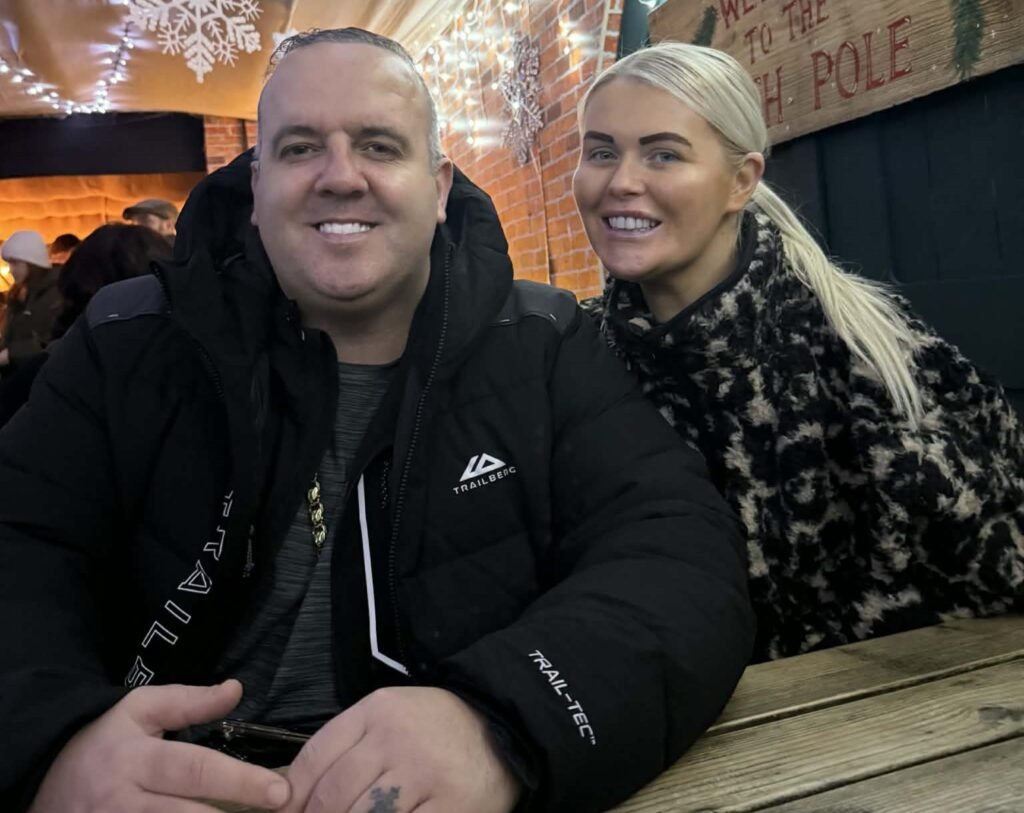
McCann says the first step was simply admitting the problem existed. Everything else followed from there.
If you are struggling with gambling addiction, support is available through GamCare (0808 8020 133) and the National Gambling Helpline.