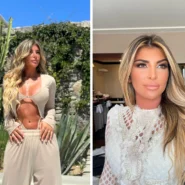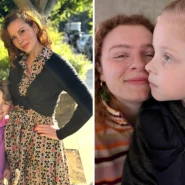


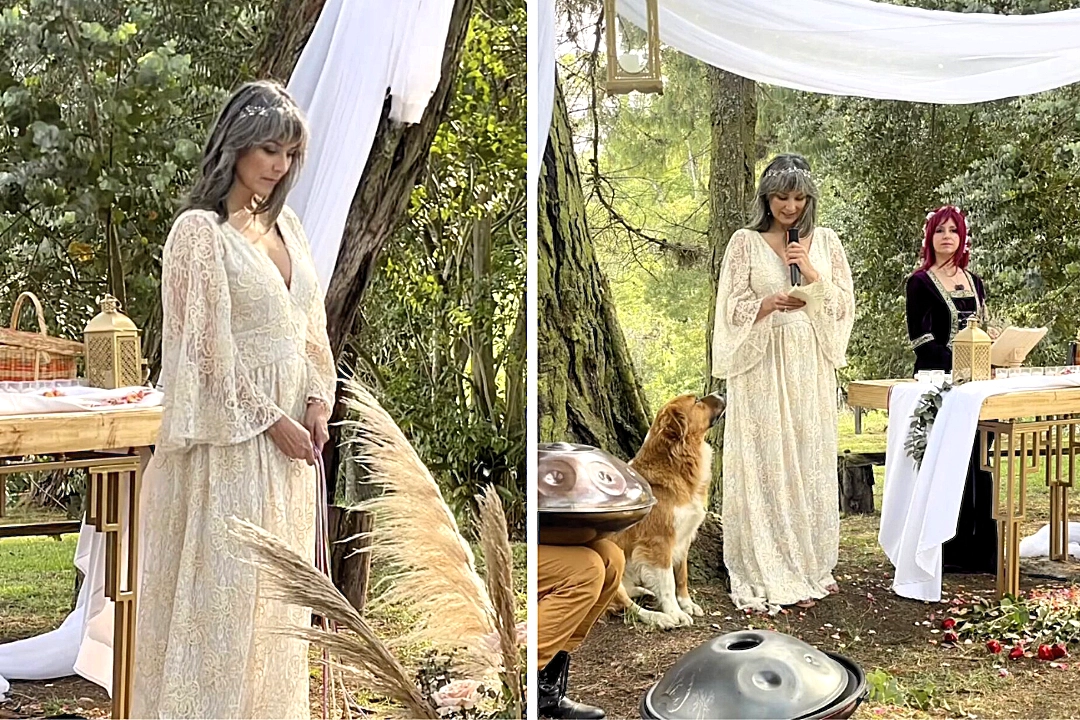

Silvia Corzo stood at the front of a packed congregation in a lace cream wedding dress, looked out at a room full of Colombian celebrities and said “I do.”
There was no groom. She was marrying herself.
Her son Pablo Toro walked her down the aisle.
TV presenters Iván Lalinde and Margarita Ortega were among the guests.
The whole thing was entirely deliberate.
‘I promise to never abandon myself again’
Corzo, a former lawyer, journalist and one of Colombia’s best-known news anchors, wrote her own vows. They were directed inward.
“Today, I choose myself,” she said at the altar. “I say yes to life and I say yes to myself. To always be there for myself, not just with words, but with my whole being. I promise to take care of myself, to listen to myself and never abandon myself again.”
She added: “I don’t want an idealised forever for myself. I want to be here for myself and by myself when things get tough. I want to be in a place where I don’t have to apologise for being who I am.”
Corzo was clear that the ceremony was symbolic and does not mean she has ruled out a future relationship. “If I ever walk hand in hand with someone again, it will be to share my life from a place of freedom, truth, and respect for who I am.”
‘I’ve seen my mum transform’
Her son’s speech landed harder than most best man efforts. “Choosing yourself might sound easy, but it isn’t, and what you’re doing is very brave,” Toro said. “Just as you’ve seen me grow up, I’ve also seen you grow up, and I’ve seen my mum transform. Thank you for being a teacher in my life, for teaching me to live without fear and to be myself.”
From nightly news to self-help stages
Corzo, from the Colombian city of Bucaramanga, is best remembered as the anchor of Séptimo Día and Noticias Caracol, two of the country’s biggest news programmes. She walked away from television in 2017, citing chronic fatigue, anxiety and a lack of fulfilment.
She now works as a lecturer and life coach, running conferences and masterclasses across Latin America on stress management, emotional intelligence and mindset change. The wedding, in other words, was not a random act of self-love from someone having a moment. It was entirely on brand.
Why it matters
Self-marriage ceremonies have bubbled up repeatedly over the past few years, mostly as viral curiosities that get shared, mocked and forgotten within a news cycle.
Corzo’s version is notable because of who she is: a serious journalist with a decades-long career in Colombian broadcasting, not an influencer chasing a content hook.
That gives the story a different texture, even if the concept itself still divides opinion sharply.
For creators and public figures building second acts around personal development, the line between authentic self-expression and performance art remains extremely thin. Corzo appears comfortable on it.
Whether the ceremony changes anything practical about her life is beside the point.
The clip will travel, the conferences will sell a few more seats, and someone somewhere will start Googling whether you need a licence to marry yourself. You don’t, for the record.