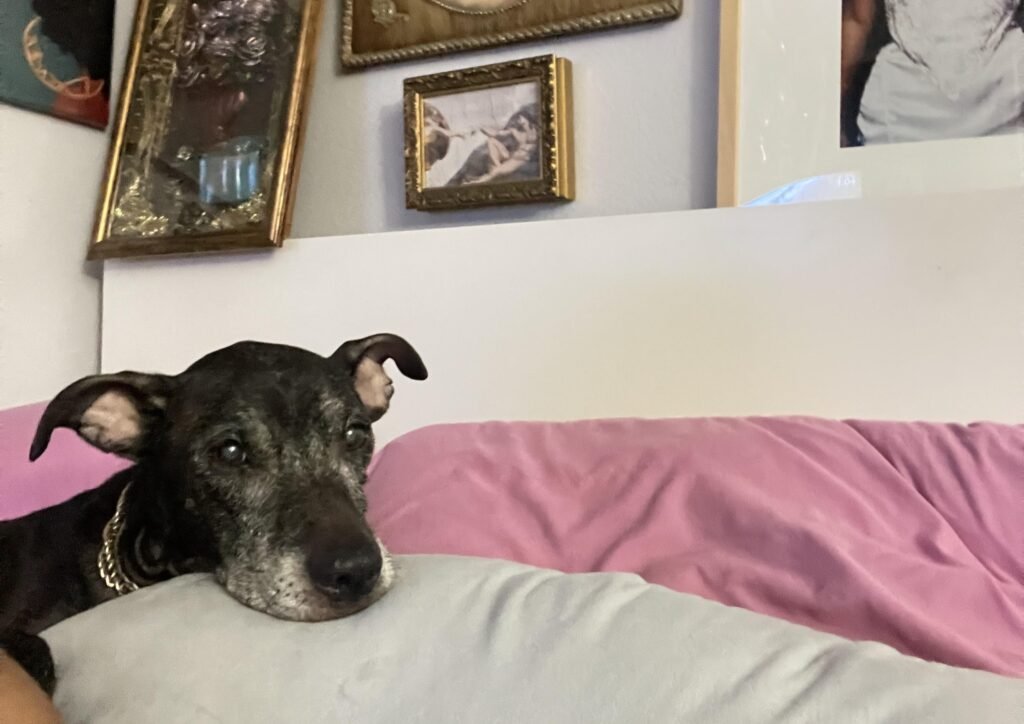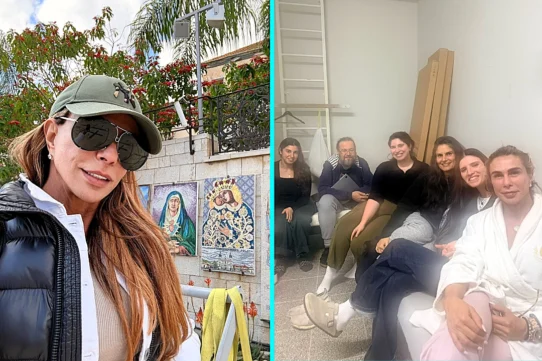

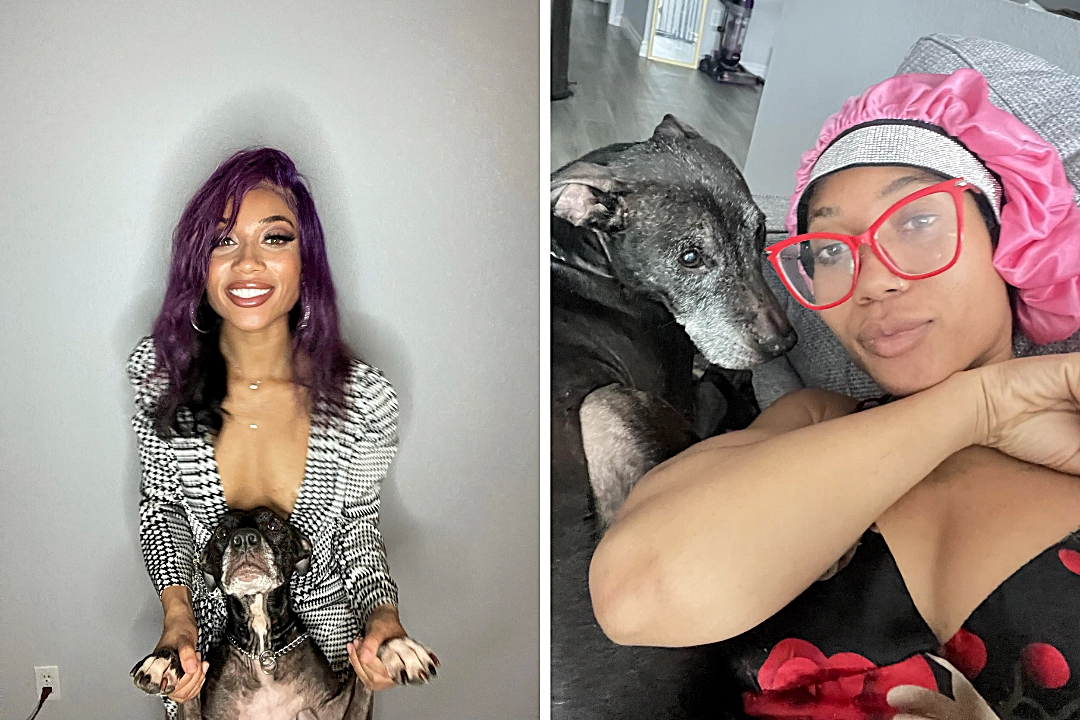

Karagan’s dog Baby died from a tumour. She paid £2,600 to have him freeze-dried and keeps him in her home.
She has been called a witch, a demon, and worse. She expected all of it.
The Los Angeles-based content creator, who studies music and engineering, chose the preservation method after putting Baby down when a rapidly growing tumour left him struggling to walk.
She paid for the process in instalments and says she had no hesitation about the decision.
“Baby is my soul dog. I wanted him with me somewhere somewhat,” she told CreatorZine.

“I hated how expensive it was, I feel like they are profiting off my grief. But it was worth it because it was for Baby. His body is one-of-a-kind.”
“It was weird seeing him in a different form”
Freeze-drying removes moisture from the body while preserving its physical shape.
The result is exactly what it sounds like: the animal looks much as it did in life, but isn’t alive.
Karagan admits the first encounter with Baby’s preserved form was difficult.
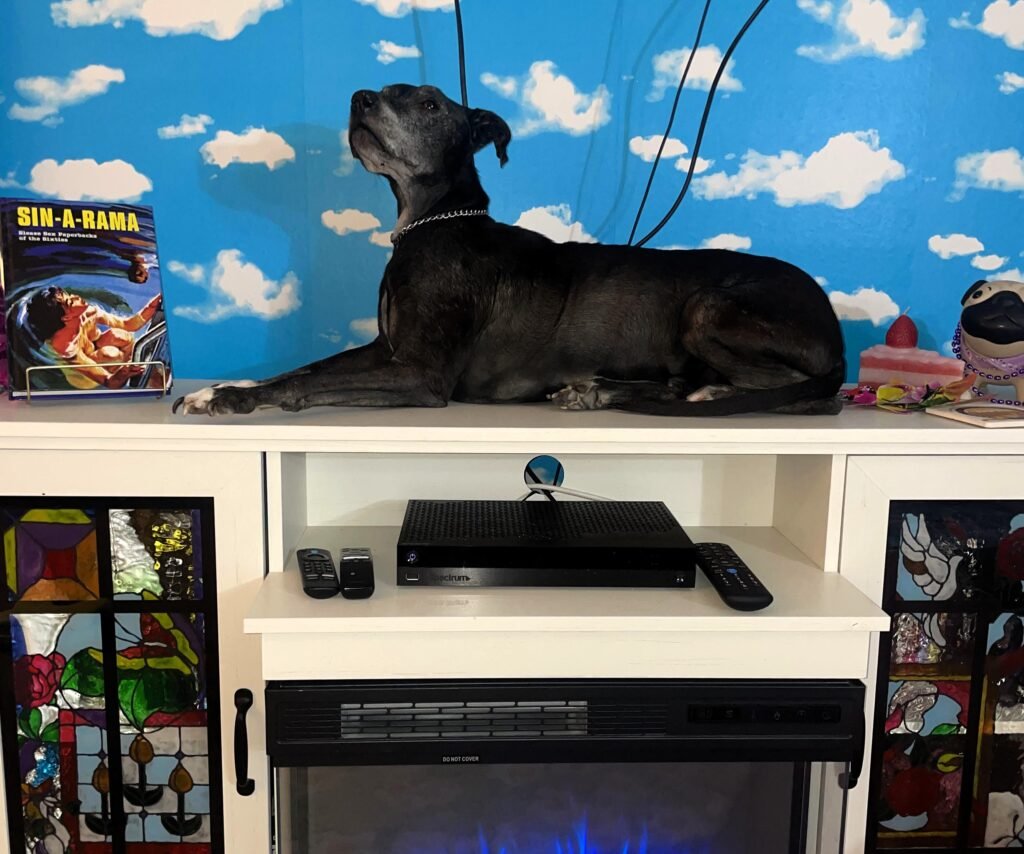
“I cried at first but over time it helps you overcome your grief,” she said.
“I feel like I can properly grieve because he wasn’t just ripped from me. It’s comforting knowing he’s always with me.”
She adopted Baby in 2018 after fostering him, describing an instant bond.
When the tumour appeared and progressed quickly, the decision to let him go was agonising.
“I could see him struggle doing little things like walking. I cried all the time because I didn’t want to let him go.”
“Ashes don’t matter. A picture could never compare”
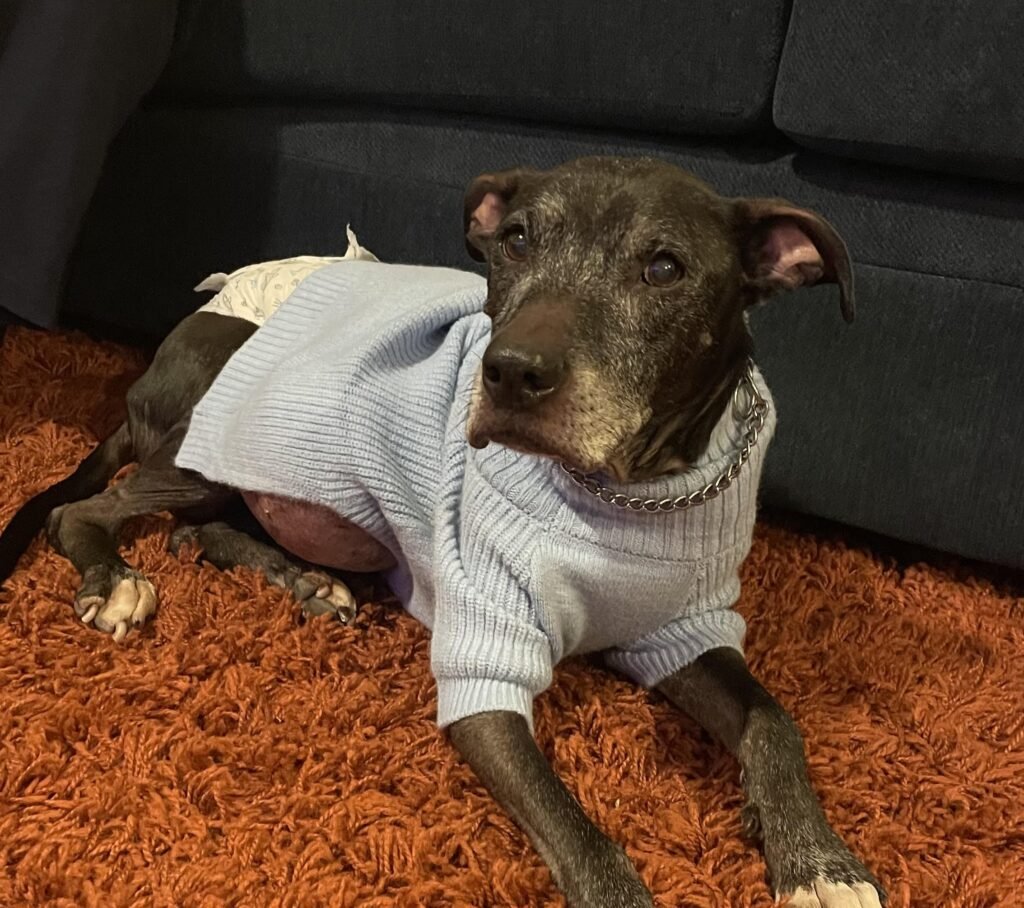
Karagan’s plan is permanent. Baby will stay with her, and when she dies, she wants them together.
“Baby is going to go with me when I pass,” she said. “We are a team.”
The internet was not gentle about it
The backlash covered a wide range, from concern to outright horror.
“This is grief avoidance. The only way to come out the other side of grief is to go through it,” wrote one commenter.

Another said: “If we were related I would call them people and tell them you’re having an episode.”
Others focused on what it would feel like to live with a preserved animal.
“When you are looking at him do you ever expect him to move as if he is still alive?” one person asked.
“There’s no way I could look at my dogs eyes knowing she’s not really there,” said another.
“I think that would hurt even more.”
Sheri wrote: “I am horrified. I loved my dog. But I would never desecrate her remains for my selfishness. I took her paw prints and made a painting. I feel close to her when I look at it.”
Some defended the choice. “To each their own! I’m keeping my boys skull when the time comes,” one person said.

Karagan is not the first creator to face this reaction. Influencer Chloe Chung received similar backlash after freeze-drying her dog MisTricks, saying she changed her mind about cremation because she “struggled with the thought that I would never see her beautiful face again.”
Why it matters
Pet grief content consistently performs well on social media, but freeze-drying pushes it into territory that splits audiences hard.
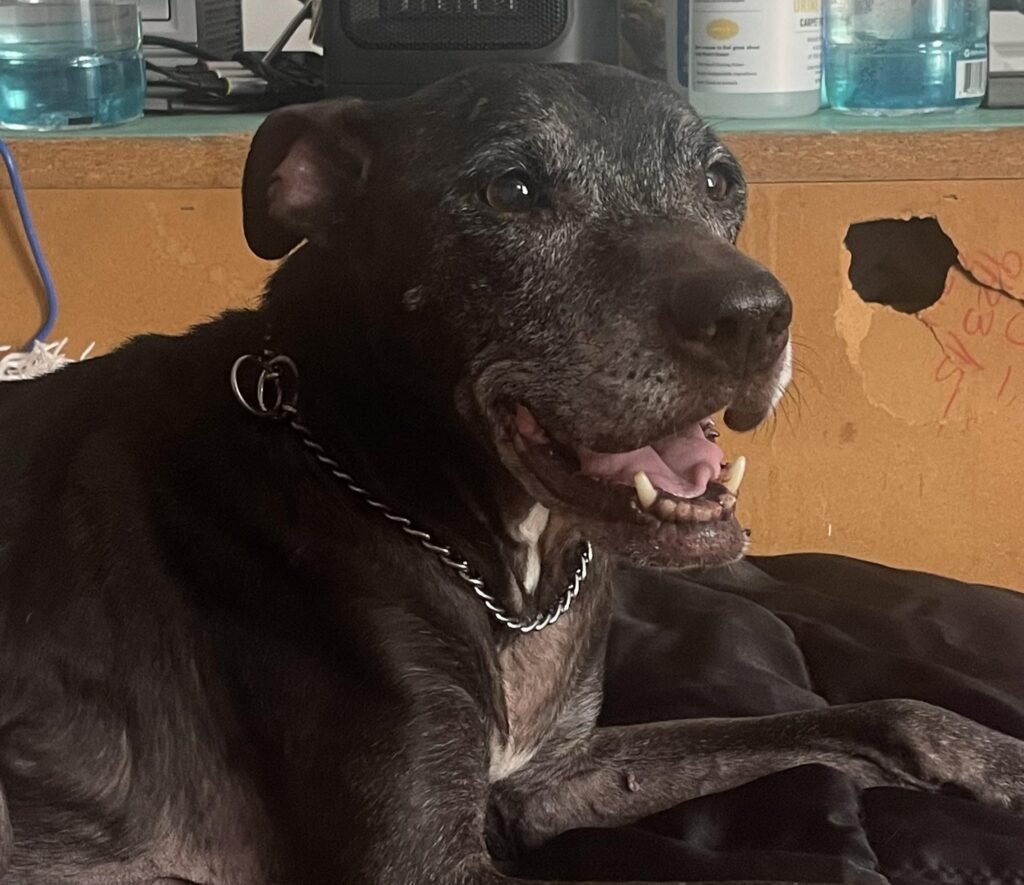
That split is exactly what drives engagement. Karagan has been accused of witchcraft before and clearly understands that controversy around her choices generates attention.
For creators, the line between sharing something personal and creating something deliberately provocative is increasingly blurred, and the algorithm does not distinguish between the two.
Freeze-drying pets is a small but growing industry, and every viral post about it brings a fresh wave of people discovering the practice exists at all.
That cycle shows no sign of slowing.
Karagan is unbothered. Baby is home. The comments keep coming. She is not reading them.