

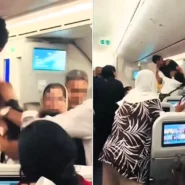

The cabin was already sweltering before the plane left the ground.
By the time the oxygen masks dropped, a pregnant passenger had turned pale and children were crying.
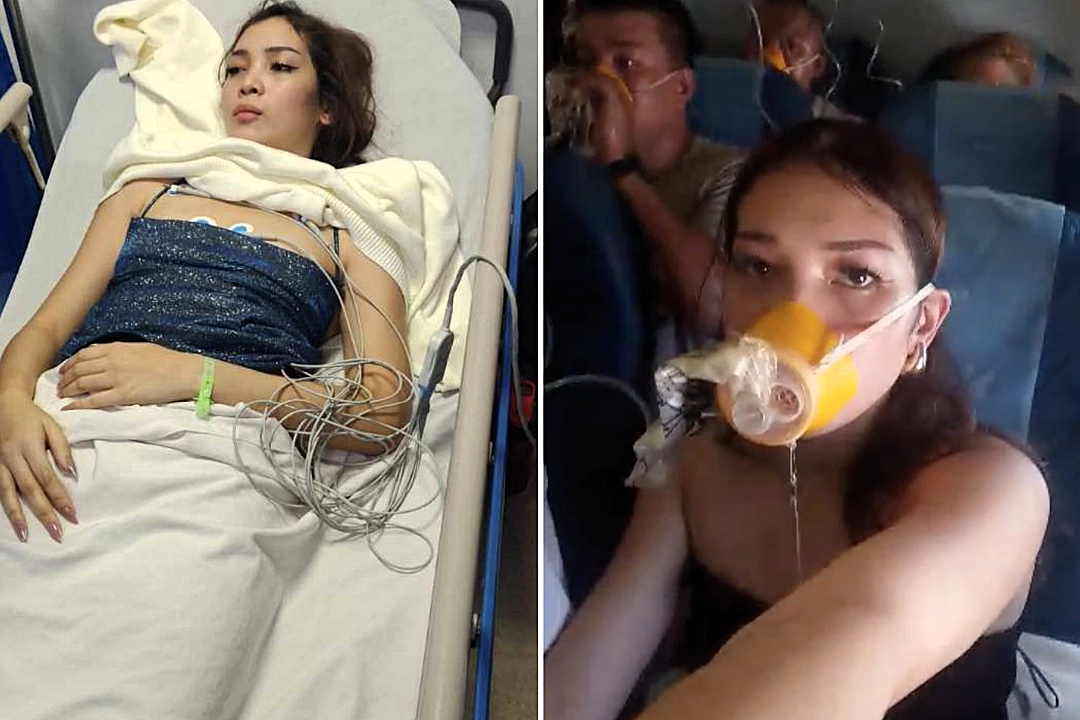
Xianelle Lopez was in the middle of all of it.
“We assumed everything would normalise”
The 23-year-old model from Cebu boarded Philippine Airlines flight PR2544 in Dumaguete on 19 April, bound for Manila.
From the moment passengers stepped on, something felt wrong.
“Many passengers noticed that the cabin felt unusually warm and uncomfortable,” she told Creatorzine.

“Some people asked the cabin crew and we were advised to wait as the air system would start soon.”
It didn’t start. Not on the ground, and not after takeoff.
“Even after takeoff, the situation did not improve,” she said.
“Passengers were visibly uncomfortable, some were sweating heavily. Children were crying, and I observed a pregnant foreigner seated behind me who appeared to have turned pale and was making an effort to breathe as best she could.”
Xianelle began feeling dizzy, weak, and lightheaded as the flight continued.
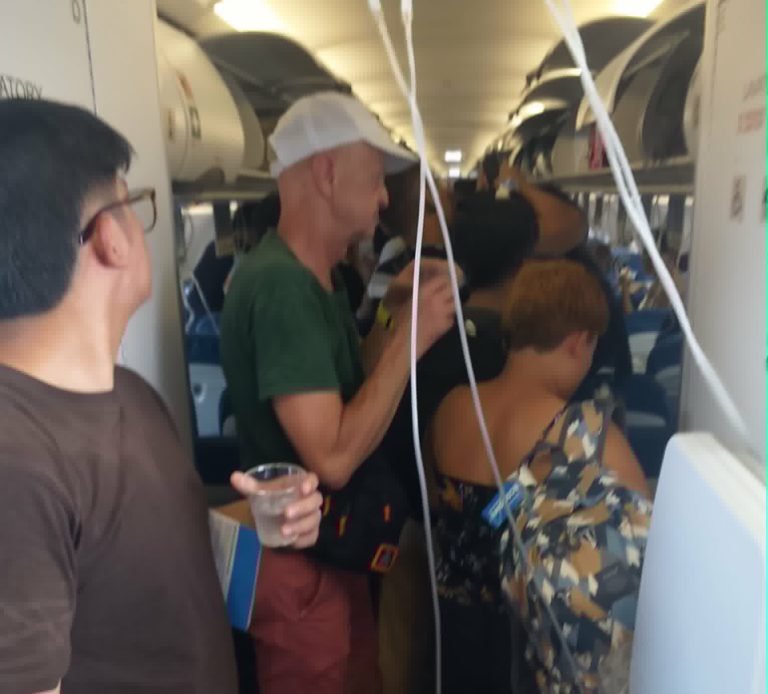
Then the pilot announced a technical issue. Oxygen masks were deployed.
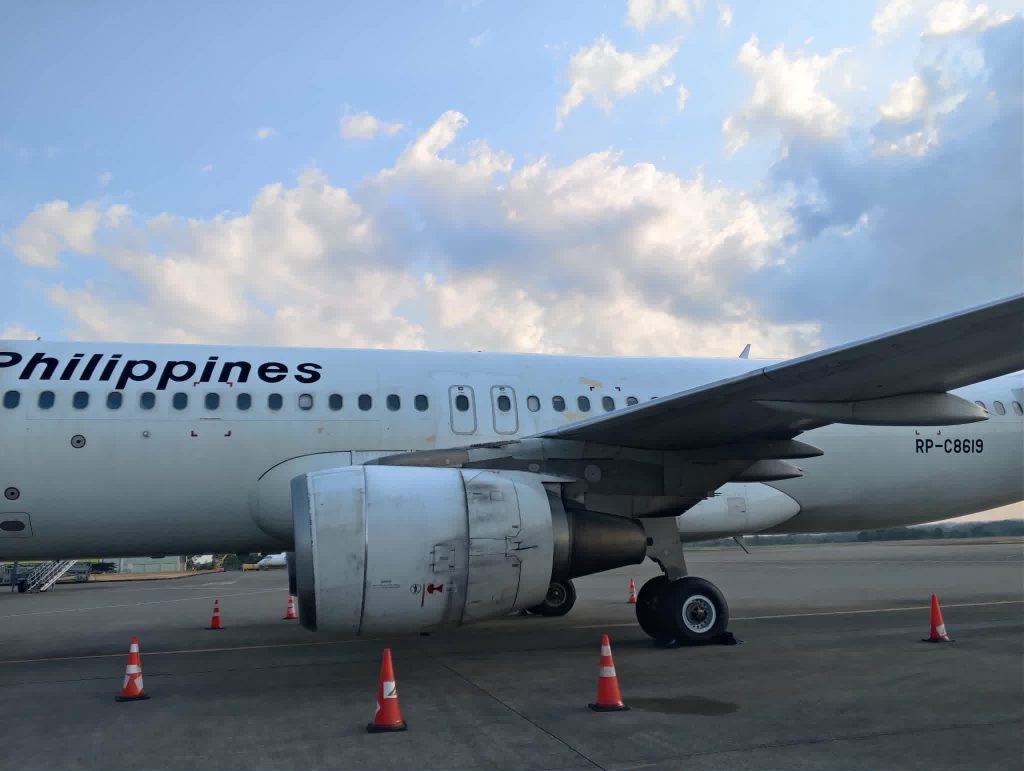
The aircraft – an Airbus A320 – was diverted to Iloilo City for an emergency landing.
Still shaking on the tarmac
Landing didn’t bring relief.
“I was still shaking, dizzy, and experiencing a severe headache, along with discomfort in my ear and temporary difficulty hearing,” she said.
“I needed assistance to safely disembark the plane.”
Passengers were evacuated, offered hotel accommodation, and rebooked onto a replacement flight the following day.
Philippine Airlines confirmed the diversion was triggered by a pressurisation indication and said the aircraft landed safely.
“We recognise this was a difficult experience for those on board,” a spokesperson said.
For Xianelle, the experience was far from over.
Weeks later, still waiting for answers
In the weeks since, she has had persistent headaches, dizziness, and body weakness.
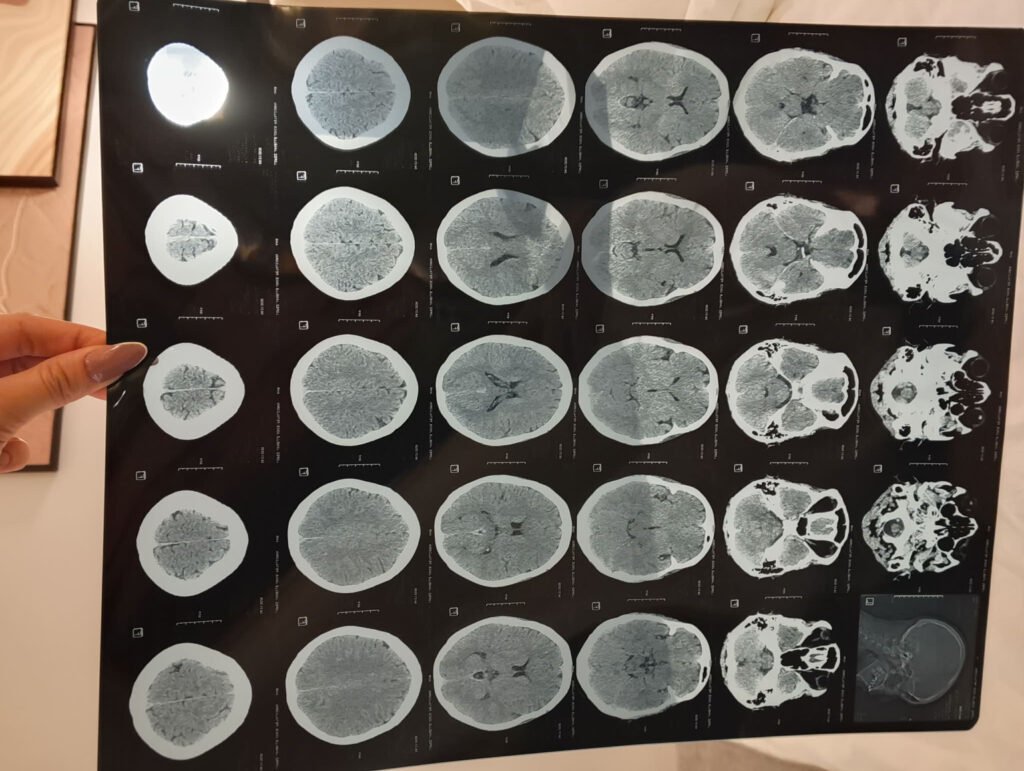
She sought medical attention and underwent a CT scan, though she was unable to complete the full results review due to her travel situation.
“It is still uncertain if I will face any long-term health problems,” she said.
“I am awaiting further medical evaluation to better understand my condition.”
She is now at home with her family and child, still recovering. Flying, for now, feels out of reach.

“Even now, when I see a plane, I feel slightly shaky and it brings back memories of the incident,” she said.
“I hope that in time I will feel confident to fly again.”
She wants others to know what happened.
“I hope sharing my experience can help raise awareness and encourage better care and support for passengers in similar situations.”
Why it matters
Cabin pressurisation failures are rare but not unheard of – and the window between “noticeable discomfort” and “medical emergency” can be very short.
Xianelle’s account raises a pointed question: if passengers and crew were aware of an issue before departure, why did the flight proceed?
For frequent flyers and creators who document travel as part of their work, the incident is a reminder that the risk doesn’t always announce itself clearly until it’s already unfolding at altitude.
Aviation safety regulators in the Philippines have not publicly commented on the incident.
What’s next

Xianelle is focused on her recovery and waiting on medical results that will determine whether there are lasting effects.
Whether Philippine Airlines faces further scrutiny over what passengers were told – and when – remains to be seen.