
Zavala was on stage at his own birthday party when someone called in a bomb threat.
The venue was evacuated. SWAT arrived. Hundreds of people ended up in the street.
There was no bomb. It was a swatting call, and it was the second time it had happened to him in a month.
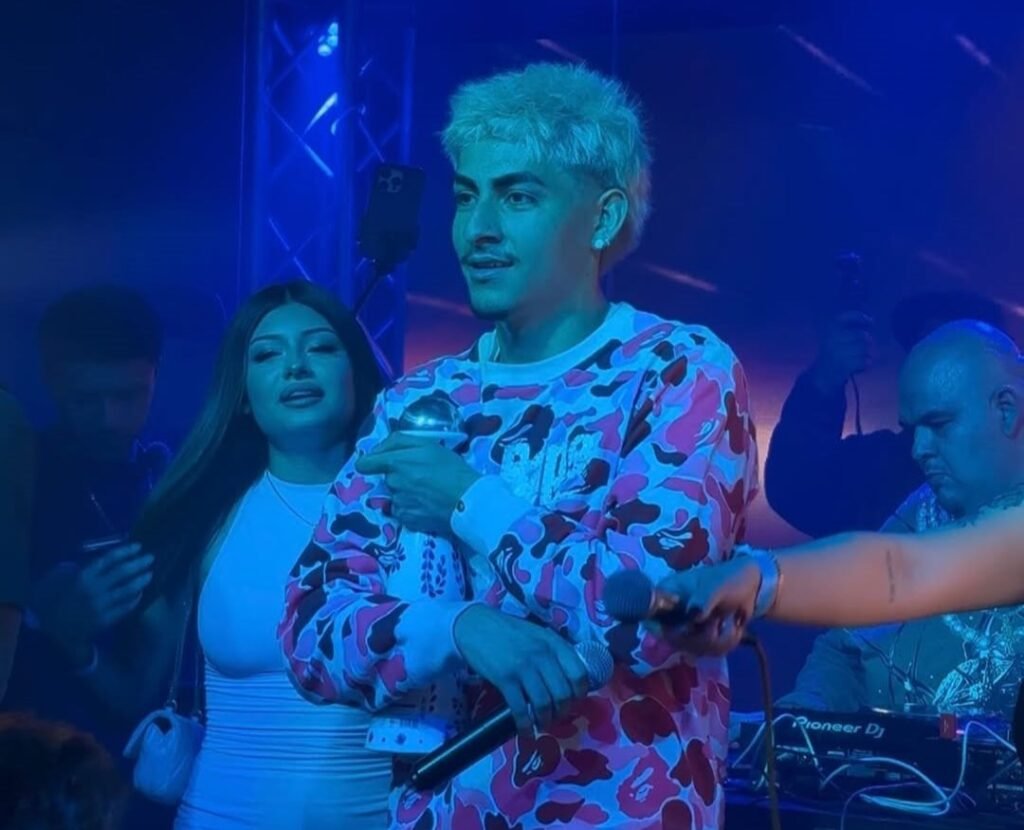
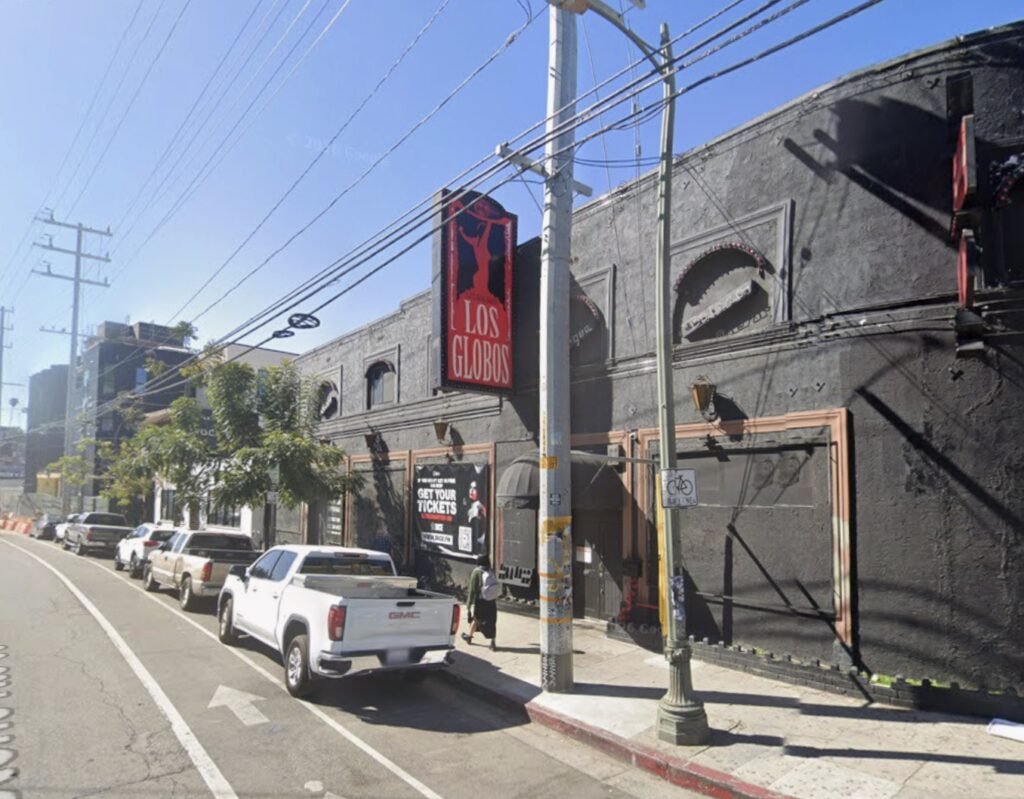
The well-known streamer had been celebrating turning 22 at Los Globos nightclub in Los Angeles on 5 April when police received a false report that someone inside the venue had an explosive device, as reported by CreatorZine.
The LAPD confirmed officers responded to the threat.
They searched the building, found nothing suspicious, and made no arrests.
The party was over anyway.
Wild scenes inside, chaos outside
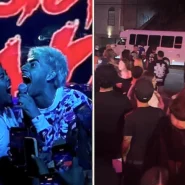
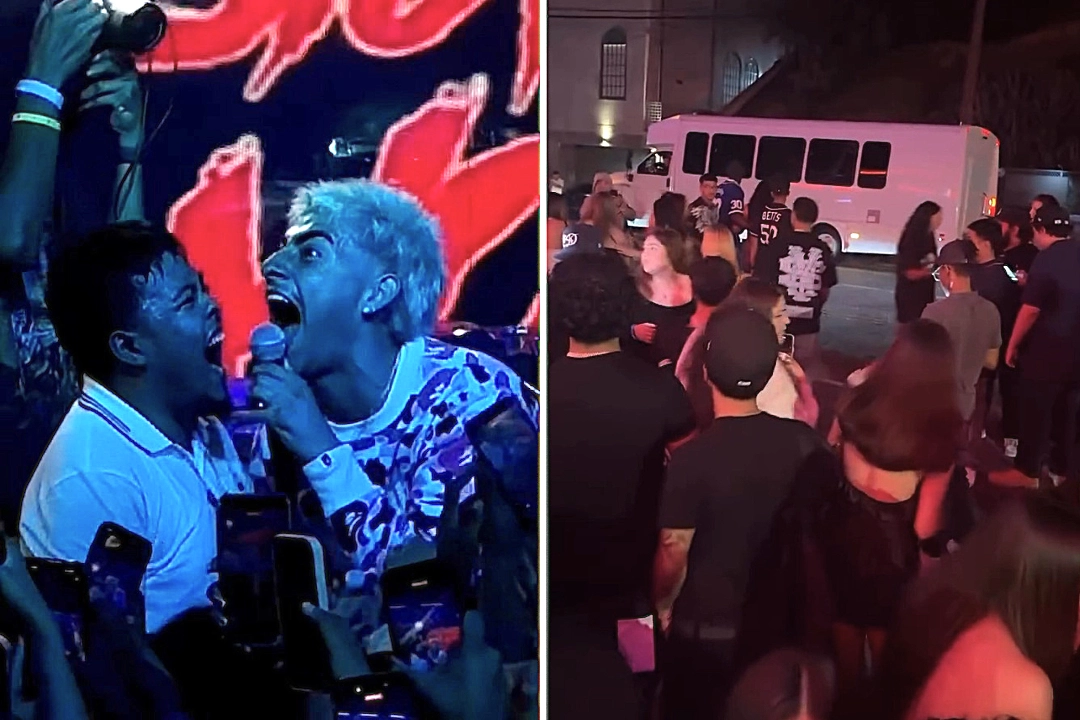
Footage shared by Zavala shows the club packed before the call came in.
He was performing on stage, fans were partying, and the night appeared to be going exactly as planned.
After the evacuation, the mood shifted quickly. Crowds spilled onto the street, with some people climbing on buses outside the venue.
Eyewitnesses told KTLA that a fight also broke out during the evening, with at least one person treated by paramedics.
It is not clear whether the fight was connected to the swatting incident.
Zavala posted about the night afterwards with characteristic brevity: “Chat said go crazy. So I did. Thank y’all for all the birthday wishes.”
Second swatting in a month
The Los Globos incident was not Zavala’s first encounter with swatting.
On 11 March, police were called to The Shops at Santa Anita following a similar hoax report connected to the streamer.
Being targeted twice in under a month puts him in a growing category of creators who are repeatedly hit by the tactic.
Swatting involves making a false emergency report, typically claiming a weapon or explosive is present, to trigger an armed police response at someone’s location.
It has plagued the streaming community for years and carries serious risks for everyone involved, including the possibility of someone being injured during a police response to a threat that does not exist.
Why it matters
Swatting is not new, but its persistence as a problem for high-profile streamers shows how little progress has been made in deterring it.
Each incident ties up significant police resources, endangers the public, and disrupts events where hundreds of uninvolved people are present.
For creators with large followings and public appearances, the threat of being swatted is now a practical consideration when planning events.
Zavala being targeted twice in four weeks suggests he is dealing with either a persistent individual or a pattern that is likely to continue.
Law enforcement agencies across the US have been pushing for harsher penalties for swatting.
Whether that is making any difference to the people actually making the calls is another question.
Zavala turned 22. His party was shut down by a fake bomb threat. He posted about it the next day and moved on.
The person who made the call has not been identified.