




Annette Kellow does not own a television.
Her seven-year-old son Felix gets 20 minutes of screen time up to four times a week, timed with a stopwatch, and has been told that playing games makes you dumb.
Weekends are screen-free.
Britt Jones’s children, aged four and six, watch screens for up to nine hours a day.
Sometimes on multiple devices at once. She says the government’s new guidance recommending one hour for under-fives is “deluding” people.
Both women are British. Both are raising young children. They agree on almost nothing.
The stopwatch approach
Kellow, 42, a writer from London, champions the government’s new guidance and goes considerably further than it recommends.

Felix is allowed to watch Newsround and Horrible Histories on her laptop after school, but not every day and never at weekends.
“Only after school can he catch up on the news,” she told CreatorZine.
“Weekends are for spending outdoors. Nowadays, kids are like prisoners, but I think it’s best to do things you can actually see and touch.”
She has told Felix that screens could affect his chances of success later in life and that strange people use online games.
He wants Snapchat and Roblox because his friends have them. She diverts his attention.
“I know it’s harsh, but if he goes on it, there’s a chance he’ll become addicted,” she said.
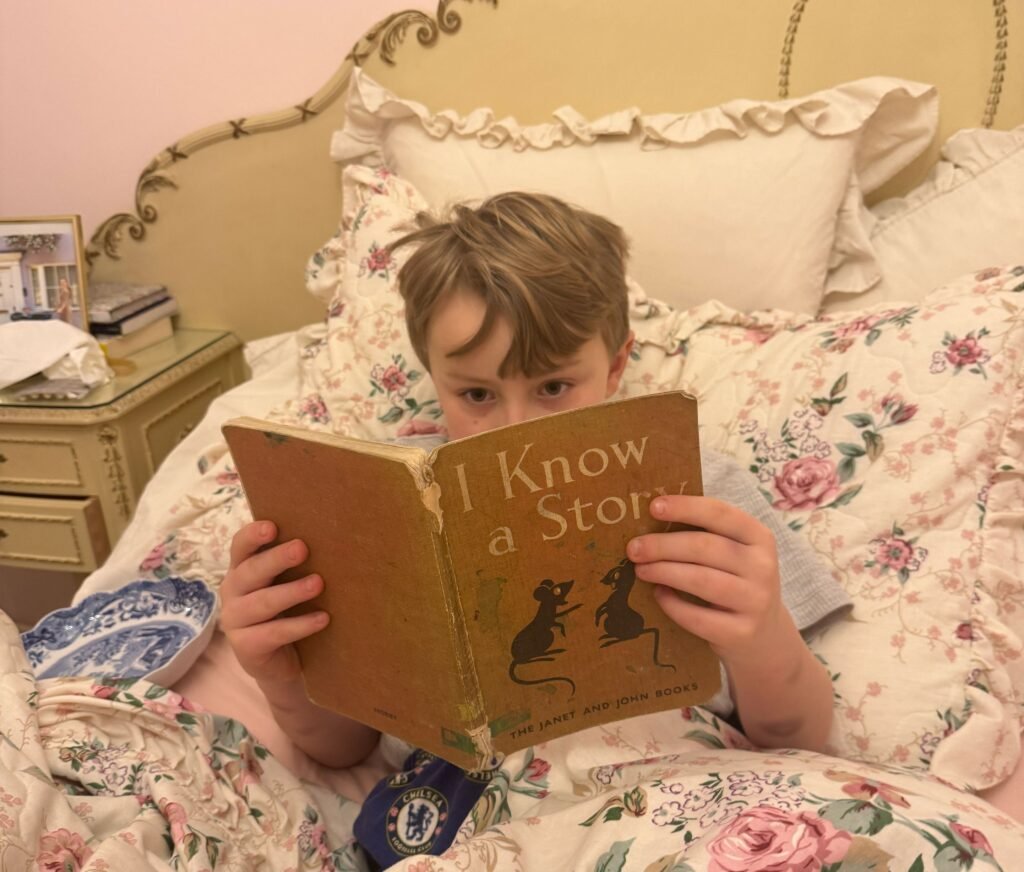
“I’ve told him that screentime might mean he’s not so successful later on in life, too.”
She acknowledges this will get harder. “I do worry in the future that it’ll be quite tricky to say no. But all I want is a framework now for when that day arrives.”
The unlimited approach
Jones, 29, from the West Midlands, used to judge parents who handed children screens at restaurants. Then she had children.
“I used to wonder why kids couldn’t just read a book or be engaged in a different way,” she said.
“Now I plonk them in front of a screen as it stops them from destroying the house.”

Her children Freyja, four, and Finlay, six, have what Jones describes as essentially unlimited access, including tablets, Alexa and the television, sometimes simultaneously.
The nine-hour days happen mostly at weekends. She has steered content towards educational shows like Ms Rachel, Oxbridge Baby and Mr Tumble.
Jones says she grew up glued to screens herself, progressing from Tamagotchis to phones to doom-scrolling.
“It hasn’t taken over my life, so I don’t really see the problem, which is why I don’t when it comes to my kids, either.”
She admits their attention span is limited. She does not consider this a dealbreaker.
“As times change, kids should be exposed to things that are up and coming. My kids are whizzes when it comes to technology.”
What the government says
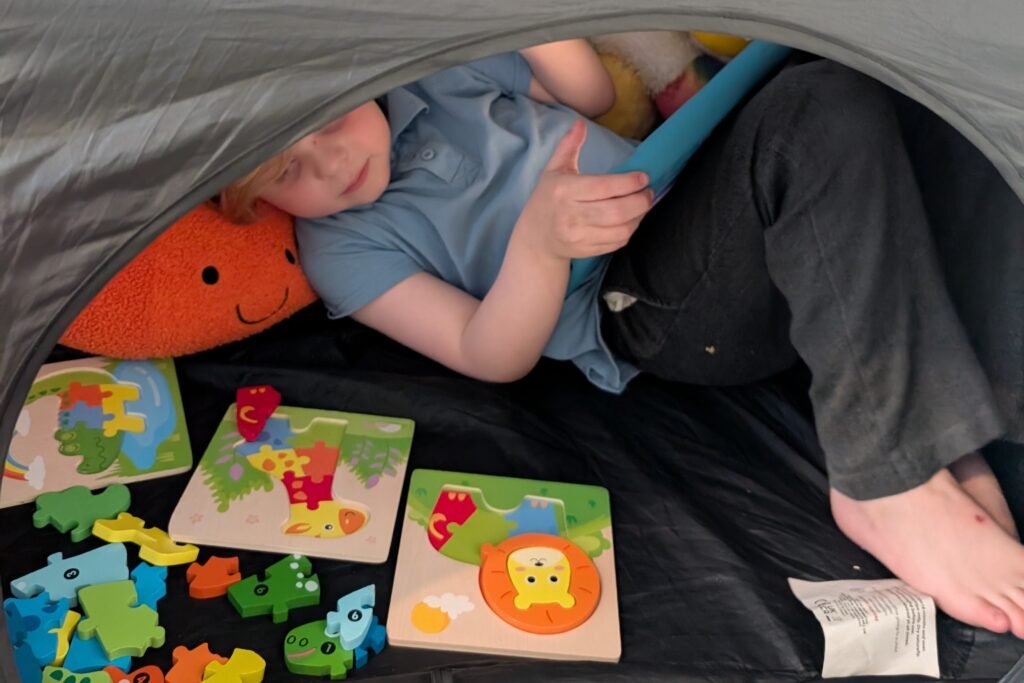
New guidance released last week recommends under-fives be limited to one hour of screen time per day, with under-twos having no screen exposure at all.
The advice suggests avoiding fast-paced videos and encourages “screen swaps,” replacing device time with other activities.
The guidance notes that children’s brains are “like sponges” and urges parents to lead by example. It remains under review as more evidence emerges.
Kellow thinks the guidance does not go far enough.
Jones thinks it is out of touch with reality. The one-hour recommendation sits almost exactly between their two positions, which may say more about where most families actually land than either extreme does.
Why it matters

Screen time debates generate reliable engagement because every parent has already made a decision about it and most feel at least slightly guilty about whichever direction they chose.
Placing two mothers with opposing philosophies side by side sharpens a conversation that is usually conducted in vaguer terms.
Kellow’s stopwatch approach will strike some readers as admirably disciplined and others as controlling. Jones’s nine-hour weekends will strike some as realistic honesty and others as neglect.
Neither woman is likely to change the other’s mind, and that is precisely why the format works.
The audience does not read this for a resolution.
They read it to find out which mother they agree with, and then to feel strongly about the one they do not.