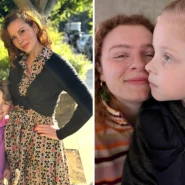
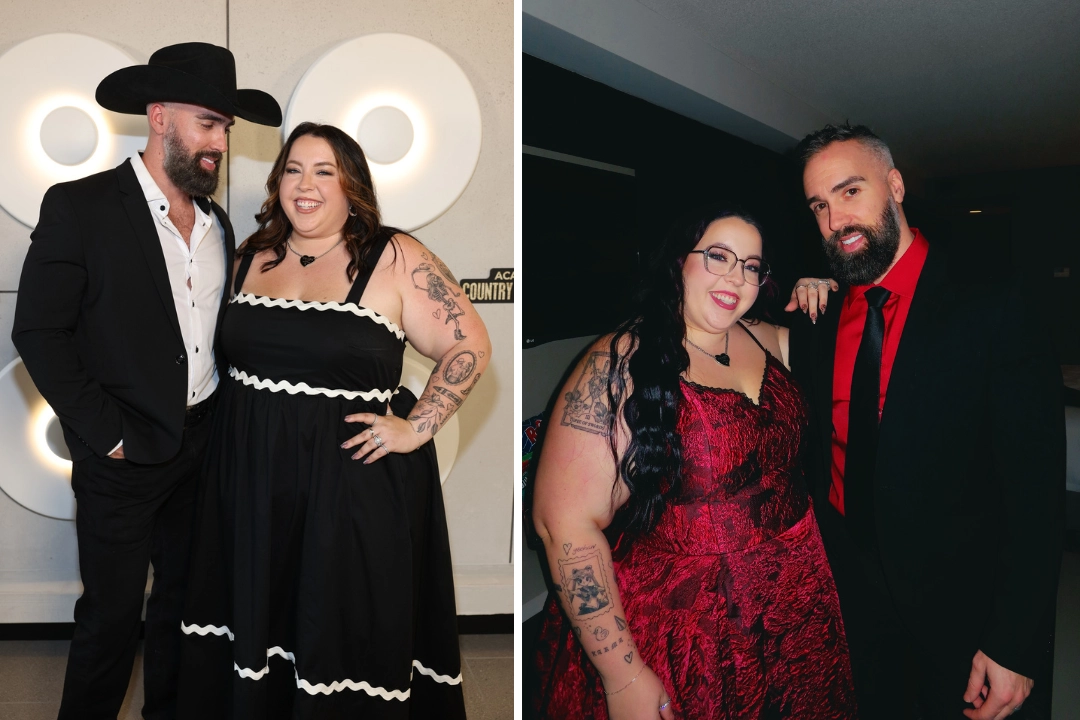

Alicia Mccarvell has been with her husband Scott for 18 years. Strangers on the internet still can’t accept it.
The 36-year-old content creator from Halifax, Nova Scotia, has six million TikTok followers.
Scott, who is visibly muscular, appears regularly on her page.
And every time he does, a certain kind of comment follows.
Why doesn’t she make more effort? He puts in the work, why can’t she?
One commenter recently asked why Mccarvell doesn’t want to “look her best for the love of her life.”
Others have suggested she must be wealthy for Scott to have married her. Some have told him he “doesn’t respect himself.”
Mccarvell’s response video hit more than two million views.
“His abs aren’t why I like him”
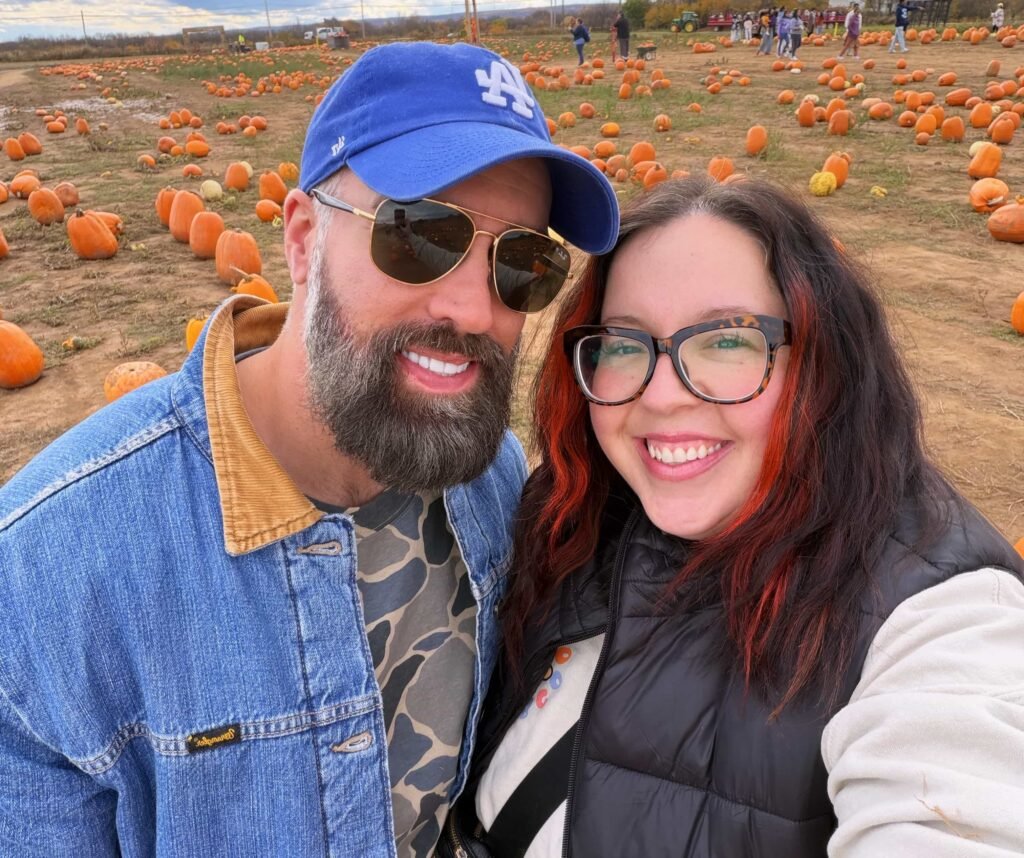
Mccarvell says the comments reflect a belief she finds genuinely depressing: that one of a partner’s jobs is to look “socially acceptable” to the outside world.
“I have never once felt like my husband expected me to look a certain way, and I know that that is not the case for many women,” she told Creatorzine. “This idea that we have to look a certain way to be respected, loved, or valuable is garbage.”
She’s also tired of the assumption that Scott’s fitness is somehow for her benefit, or that his physique is the foundation of their relationship.
“The idea that my husband’s relationship with his body and his commitment to his fitness is ‘for me’ is so wildly incorrect. I couldn’t care less about how well he fits into some made-up beauty standards.”
In her response video, she put it more bluntly. Scott’s dedication to fitness has never been about her. She could tell him he’s the hottest person alive and it wouldn’t change his routine.
“It’s never been about me. It’s always been about him and for him. And I’m happy for him, as I don’t ever want him to think my attraction to him or love for him is dependent on how he looks.”
“For you to assume I don’t already look my best”
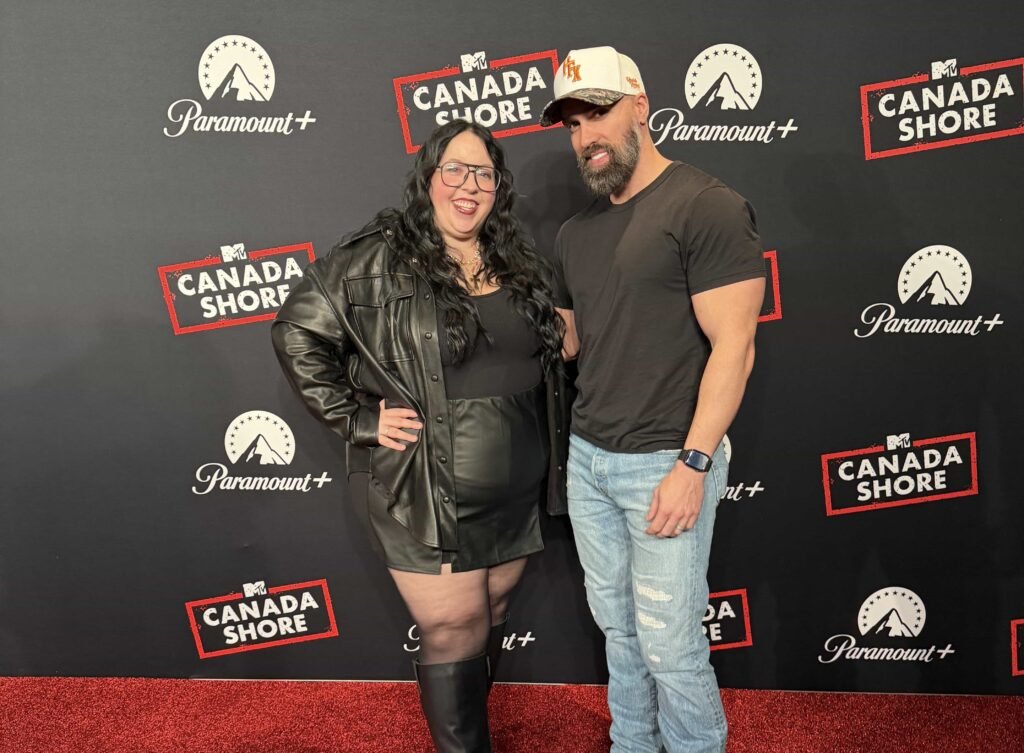
Mccarvell’s broader point is about the standards themselves. Beauty ideals, she argues, are invented and temporary. Building a relationship around them means building on something that shifts every decade.
“For you to assume that I don’t already look my best for the love of my life, or for you to assume that it even matters to either of us, is the part that makes me feel sad for people like you.”
Her followers backed her loudly in the comments. “Why does ‘looking your best’ have to mean being slim?” one wrote.

Another pointed out the obvious: “You can literally tell in all their videos that her husband is obsessed with her.”

Others were less diplomatic. “All these people with their comments about the way you look is disgusting and the only reason they’re doing it is because they probably want your husband,” one commenter said.
Why it matters
Mccarvell’s content sits at the centre of one of the most engaged-with tensions on TikTok: the gap between what couples actually look like and what the internet thinks they should look like.
“Mismatched” couple content, where one partner doesn’t conform to conventional attractiveness standards, consistently generates enormous view counts precisely because it provokes strong reactions in both directions.
For creators like Mccarvell, the trolls are, paradoxically, part of the engine. Every critical comment generates a response video.
Every response video goes viral. The cycle feeds itself, and six million followers suggest the audience isn’t going anywhere.
The deeper trend here is body-positive creators refusing to perform gratitude for being loved.
Mccarvell isn’t asking anyone to find her attractive. She’s asking why it’s anyone’s business. That framing keeps landing, and it keeps getting shared.