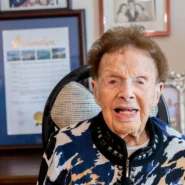


Rhoda Johnston could not stand up in the shower. A scan had revealed she had lost 80 per cent of the muscle in her back.
She was 82, hunched, breathless, living on painkillers, and had been told by doctors not to expect much improvement at her age.
A year later, she deadlifts 45.5kg, walks unaided for at least six minutes and has virtually stopped taking painkillers.
Her progress has been viewed 4.6 million times online. A significant number of people think it is fake.
‘I saw my future going downhill’
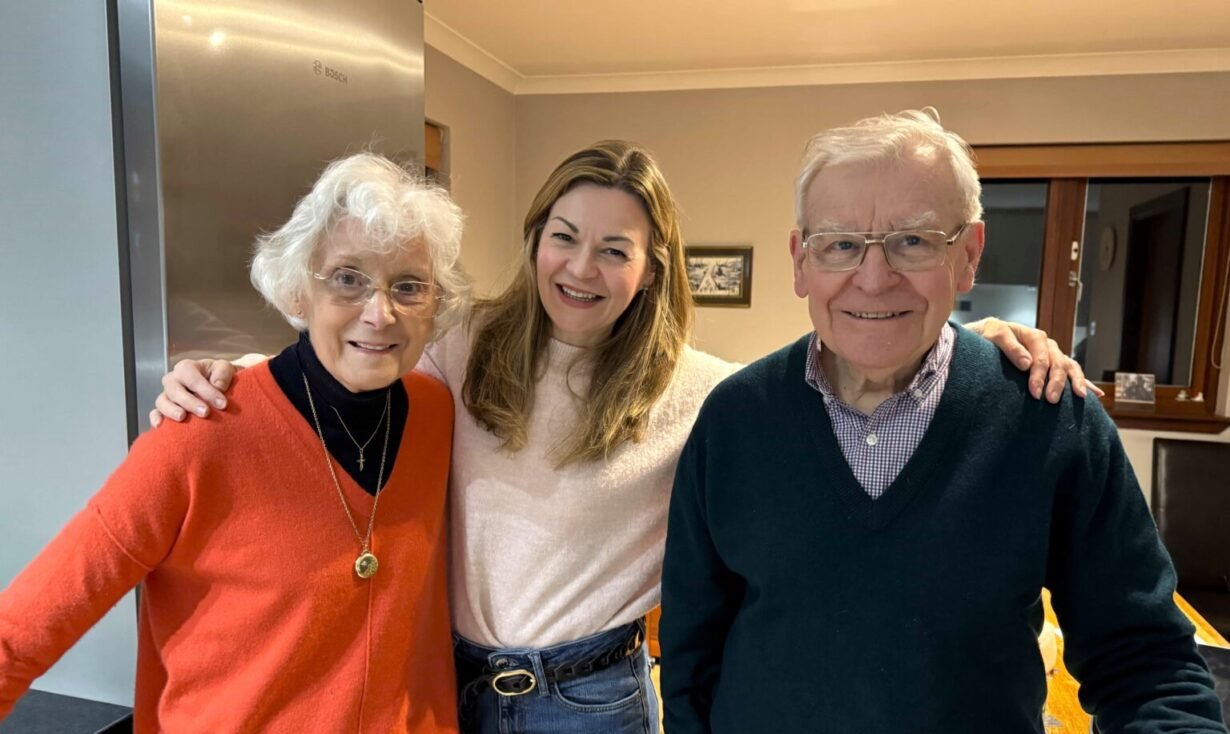
Clare Johnston, 53, a healthy ageing journalist from Edinburgh, had watched both her parents decline and decided to do something about it.
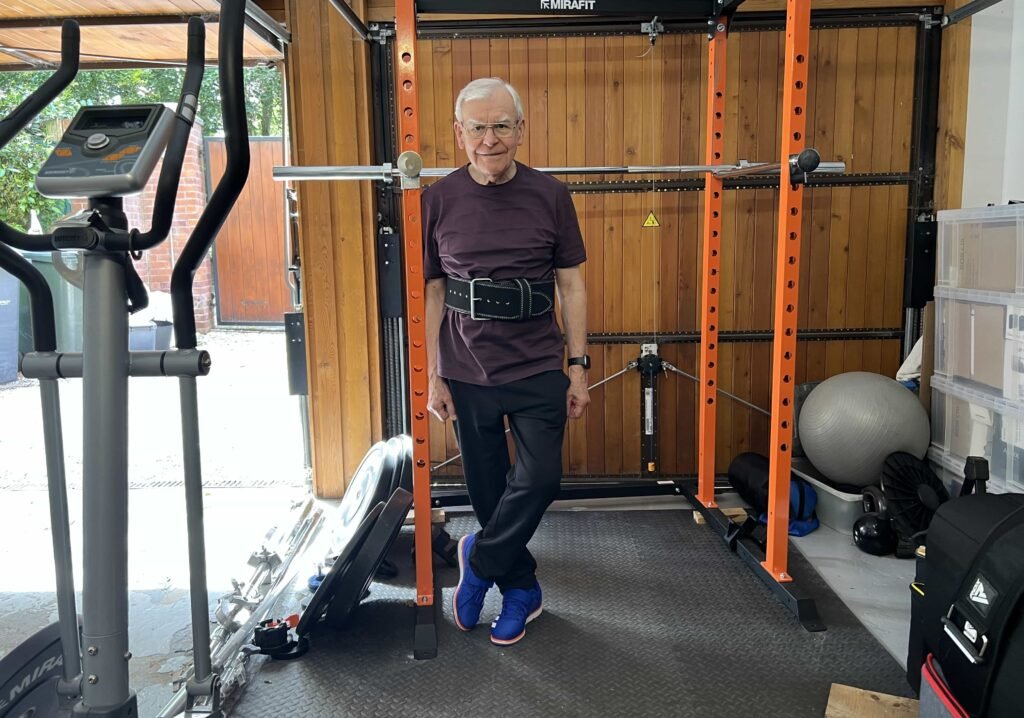
She launched a project called Rebuilding Mum and Dad in January 2025, setting up a training programme in her garage guided by a specialist online strength coach.
Her mother Rhoda, now 83, had been diagnosed with osteoporosis and was relying on a walking stick.
“I was horrified,” Rhoda said of seeing her scan results.
“I was so frail-looking. I couldn’t stand up and shower. Cleaning the house was very difficult and I just lived on painkillers.
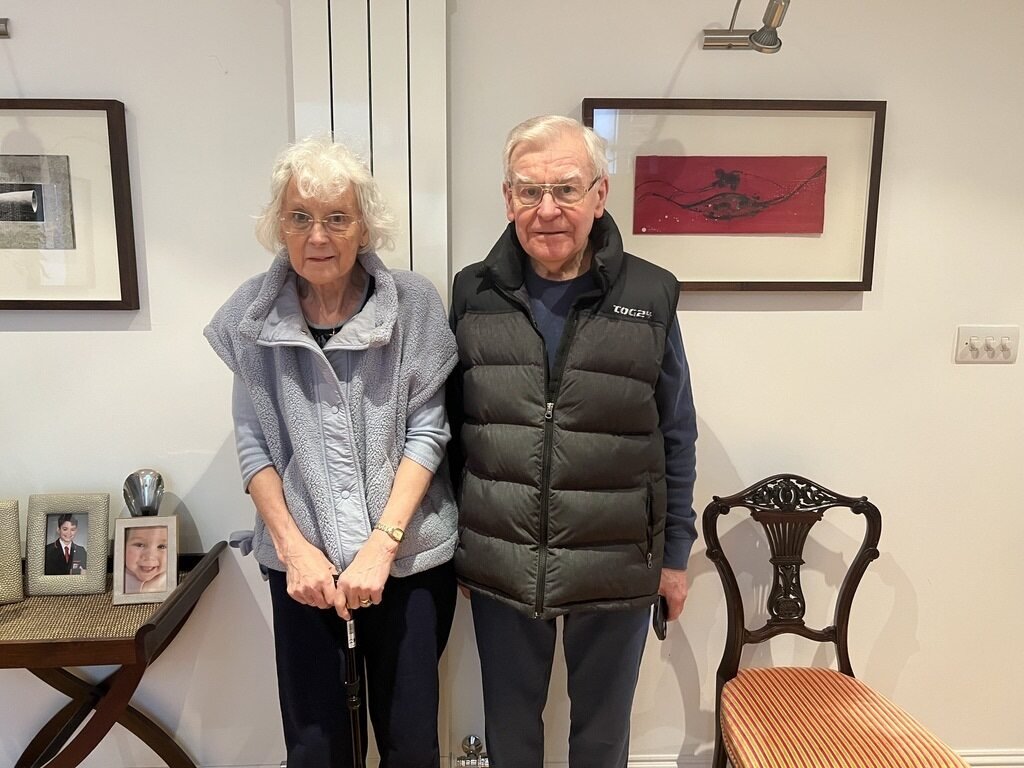
I was told that it would be very difficult at my age to improve my condition. I wasn’t given much hope at all.”
Her father Michael, 81, had recently undergone hernia surgery that shook his confidence.
“It unnerved me because it was a physical decline that the surgeon identified as most likely the cause,” he said.
He had noticed he was walking painfully slowly and found that staying generally active was not enough to stop the slide.
Barbells in the garage, twice a week
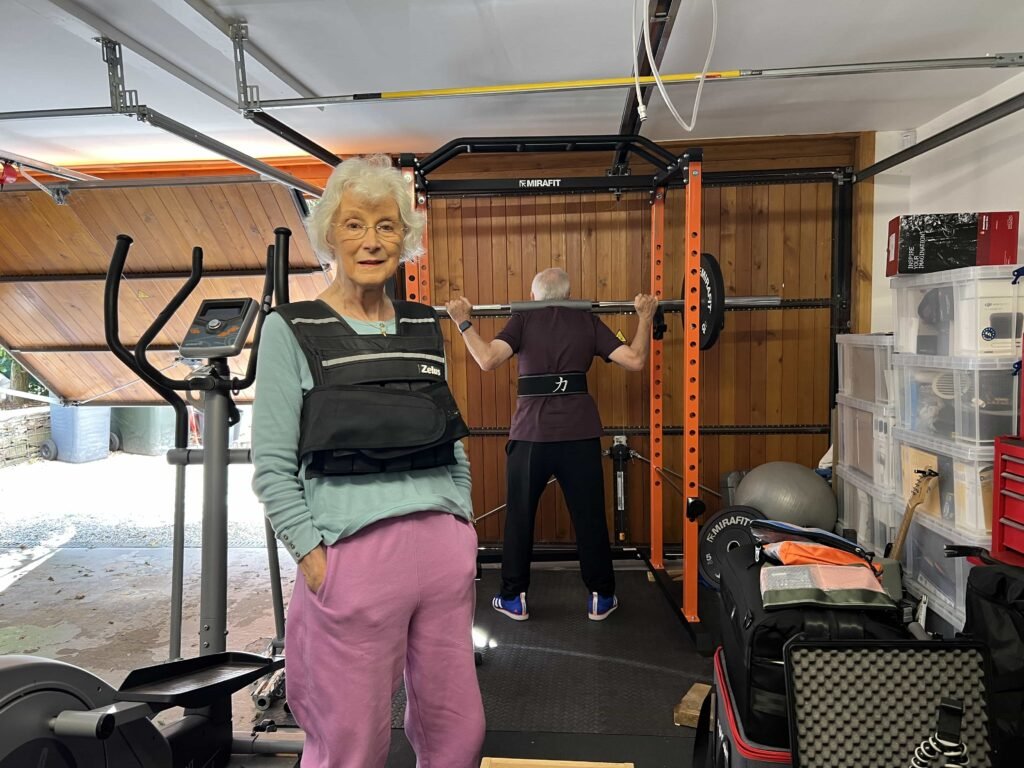
The programme follows four compound movements: squat, deadlift, overhead press and bench press, hitting all the major muscle groups. They train twice a week.
The numbers tell the story bluntly. Michael’s deadlift went from 30kg to 94kg. Rhoda’s went from 12kg to 45.5kg.
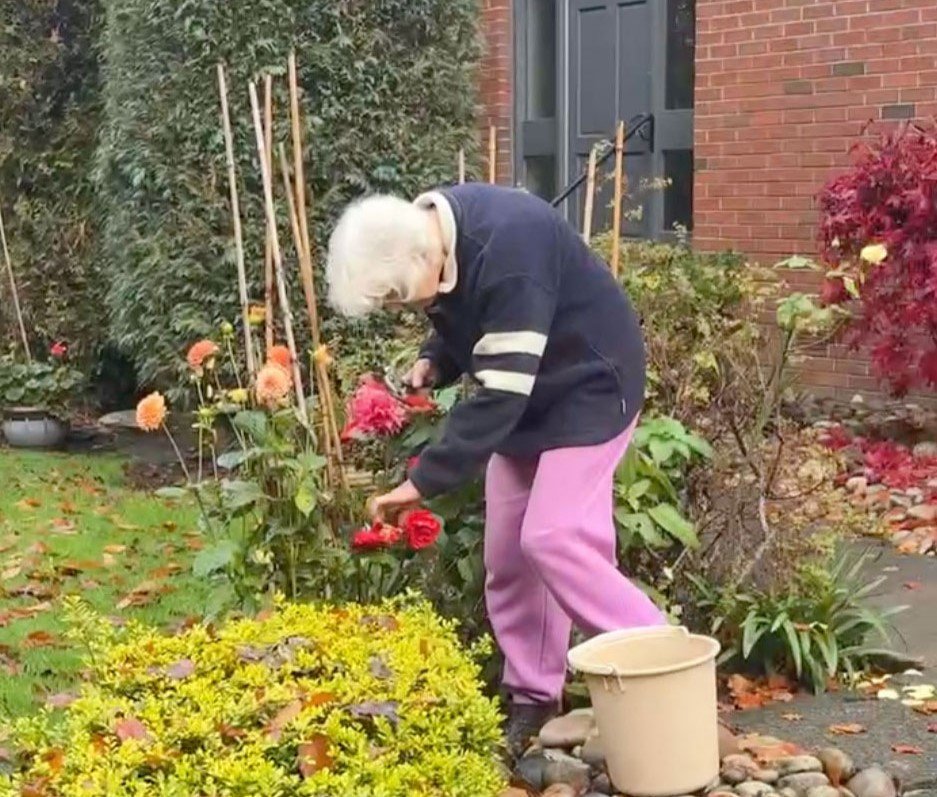
He can now run upstairs and has gone back to tackling big DIY and gardening projects. She can shower standing up, wash her own hair and walks faster, straighter and without pain.
“It’s that feeling of getting better rather than declining,” Rhoda said. “I don’t think about ageing anymore.”
‘People think it’s AI’
Clare shared a before-and-after clip showing her parents struggling to move around, then cutting to them lifting increasingly heavy weights over the course of the year.
It picked up 4.6 million views and over 302,000 likes. The comments were split between people who were inspired and people who flatly did not believe it.
“I don’t think people can believe that someone in their 80s can reverse frailty or tackle heavier weights,” Clare said.
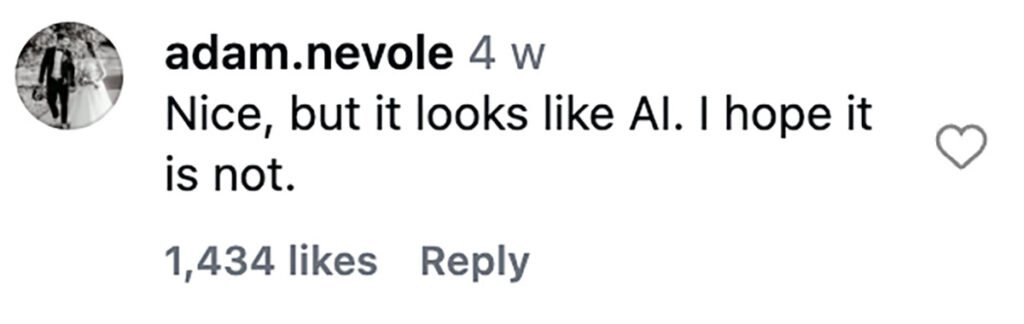
One commenter, Adam, wrote: “Nice, but it looks like AI. I hope it is not.”
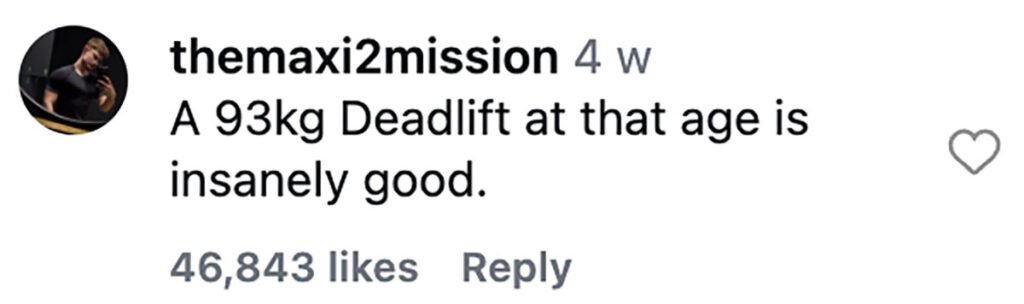
Others were less sceptical. “A 93kg deadlift at that age is insanely good,” said one.
An 82-year-old viewer wrote: “I started strength training twice weekly after a hip fracture. I know I’m going in the right direction.”
Clare, who has a combined 235,000 followers across her platforms, put it simply: “Muscle is truly the fountain of youth.
Very few people of their generation, even mine, think about building muscle later in life as a way of supporting health, independence and mobility. The difference in them has been nothing short of miraculous.”
Why it matters
Strength training content for older adults is one of the fastest-growing corners of health and fitness social media. Clare Johnston’s audience did not grow because she is young and photogenic.
It grew because watching an 83-year-old woman deadlift three times her starting weight is the kind of thing that stops people mid-scroll.
For creators in the health space, the lesson is that transformation content does not belong exclusively to 25-year-olds in gym shorts.
The audience for later-life fitness is enormous, underserved and clearly hungry for proof that decline is not inevitable.
Rhoda still uses her walking stick some of the time. Clare says she has some way to go before ditching it completely.
But a woman who was told a year ago not to expect improvement is now pulling 45kg off the floor twice a week and has stopped thinking about ageing. The stick is starting to look like a formality.