


Six minutes. That is how long a neurologist says you need to spend reading each day to meaningfully lower your risk of dementia, Alzheimer’s disease and Parkinson’s.
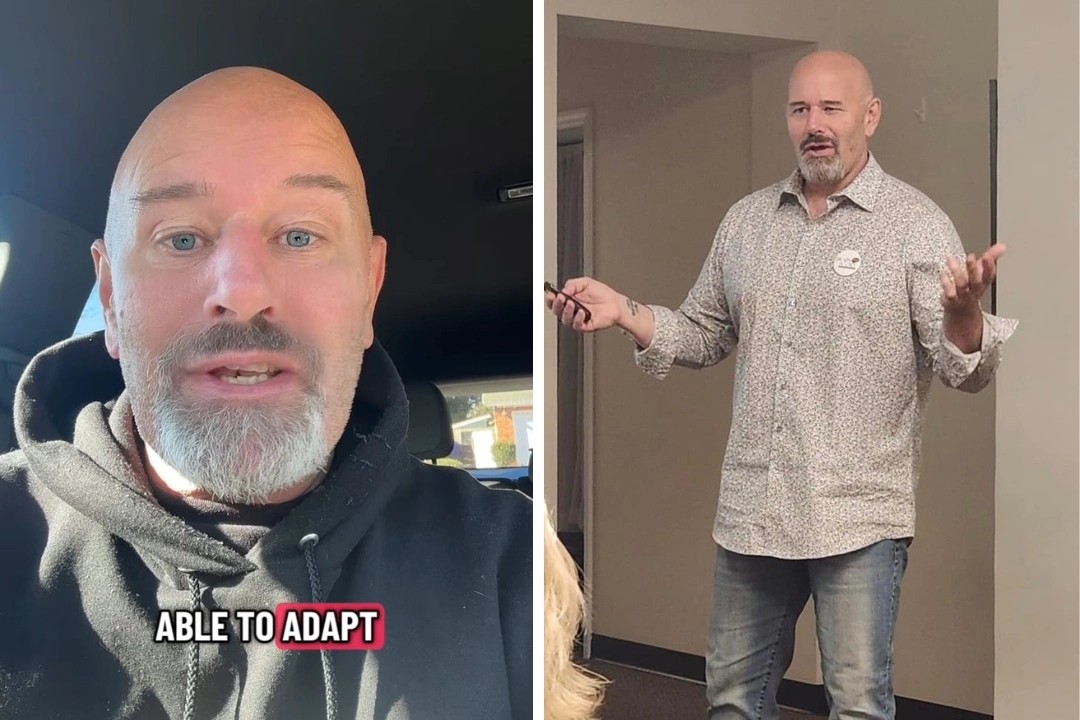
Dr Clint Steele, who has spent 34 years specialising in brain health and dementia prevention, shared the claim in a TikTok video that has been viewed more than 12,000 times.
His argument is not about reading for pleasure, though that helps. It is about what reading does to the brain’s architecture.
What six minutes actually does
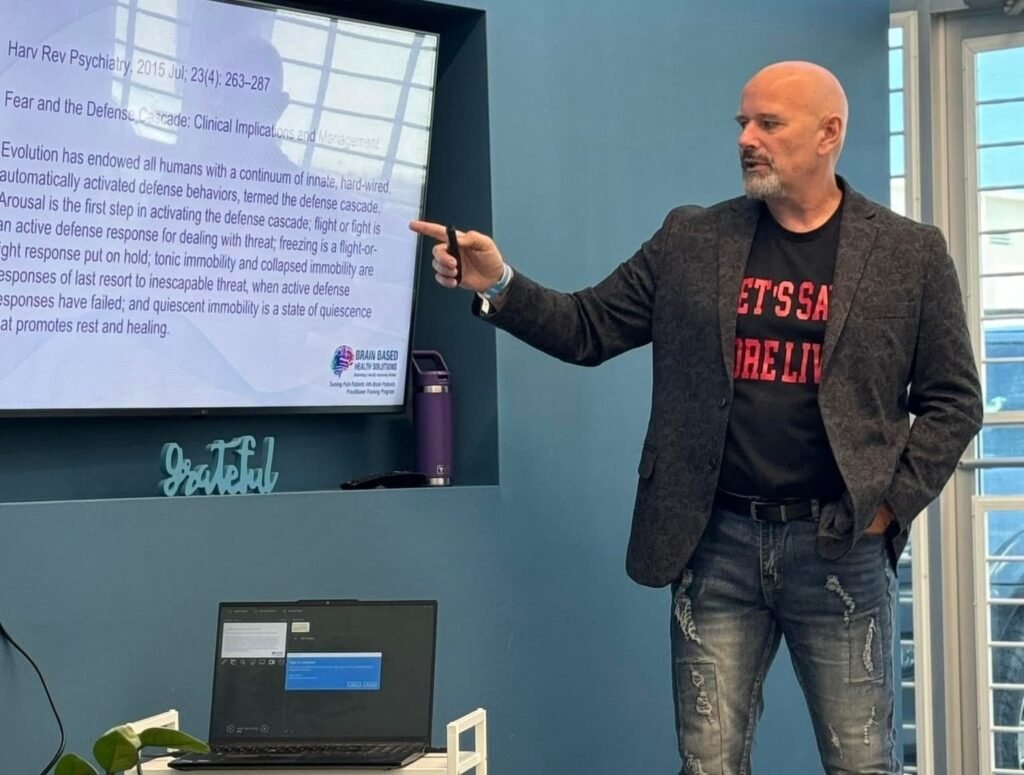
Steele says the key mechanism is something called cognitive reserve: the brain’s ability to adapt to stress and then recalibrate once that stress passes.
“Reading helps build cognitive reserve, this is the ability for your brain to adapt,” the 56-year-old told CreatorZine.
“When you encounter stress, you want your brain to be able to adapt to that stress, respond accordingly and then when that stress is gone, your brain should be able to adapt to that stress leaving, and down regulate your brain.”
He points to long-term research suggesting that improvements in cognitive reserve lower the risk of dementia and associated neurological diseases.
Six minutes of daily reading, he says, is the threshold that the evidence supports.
It doesn’t have to be a book
Steele, who practises in Maine and Florida, frames reading as one option among several.
Learning a new language, picking up dancing or acquiring any unfamiliar skill works on the same principle: forcing the brain to process something it has not already automated.
The point is novelty. A brain that is regularly asked to do something it finds slightly difficult builds resilience. A brain that coasts on routine does not.
The response
Steele’s viewers largely agreed with the premise, if the comments are anything to go by. One 84-year-old wrote that she reads at least 100 books a year, takes dance and acrobatics classes, and has done so for six years, partly motivated by watching her mother live with Alzheimer’s.

Another suggested fine art as an alternative, noting it might explain “why so many older people take up painting.”

Why it matters
Dementia prevention content performs consistently well on social media because the audience is enormous and the stakes are personal.
Almost everyone either knows someone affected or worries about their own risk.
Steele’s clip works because the ask is absurdly small. Six minutes is less time than most people spend choosing what to watch on Netflix.
For health creators, the formula is clear: take a genuinely useful piece of research, strip it down to one actionable habit, and make the barrier to entry so low that ignoring it feels harder than doing it.
Whether six minutes of reading is truly enough to hold off neurological decline is a question with more complexity than a TikTok can contain.
But Steele’s broader point about cognitive reserve is well supported in the literature. The brain, like most things, tends to hold up better when you actually use it.