
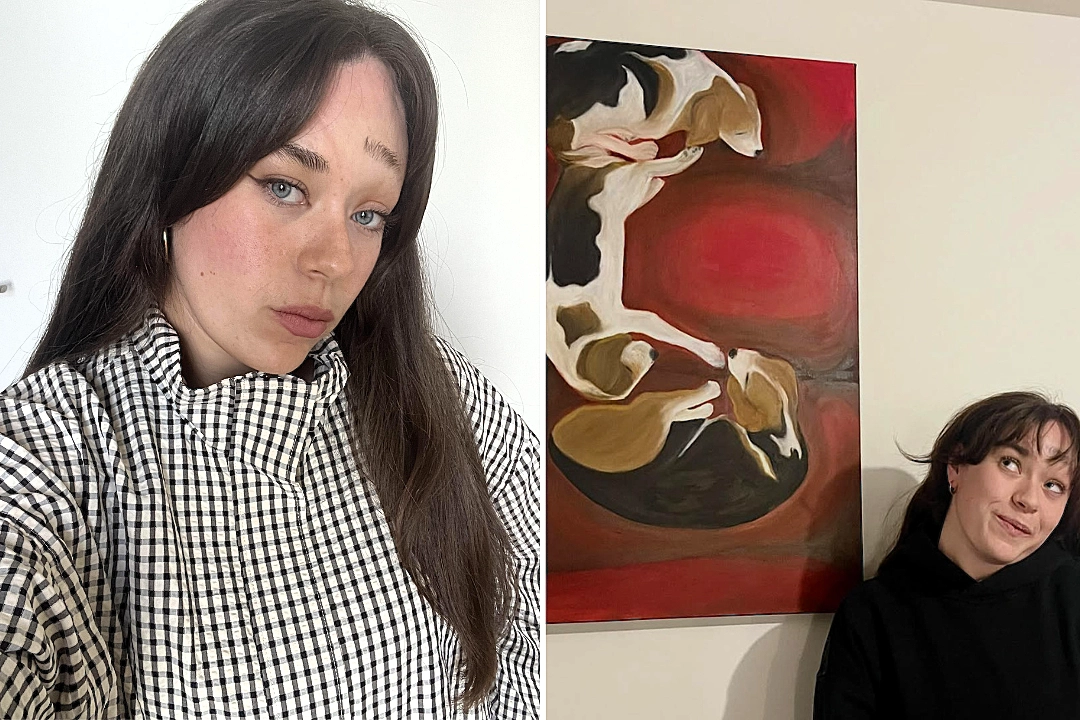

Kate Markham has been told to “just get surgery” more times than she can count.
Doctors have offered it too, along with Botox and microblading.
She turned all of them down.
The 21-year-old paediatric nurse from Coventry was born with Cutis verticis gyrata, an extremely rare condition that causes the skin to form folds and ridges, most visibly on her forehead and around her eyebrows.
She has heard every version of the comment you’d expect.
Ugly. Shave it off. Fix it. She’s choosing not to.
“I’m happy as I am,” she told Creatorzine.
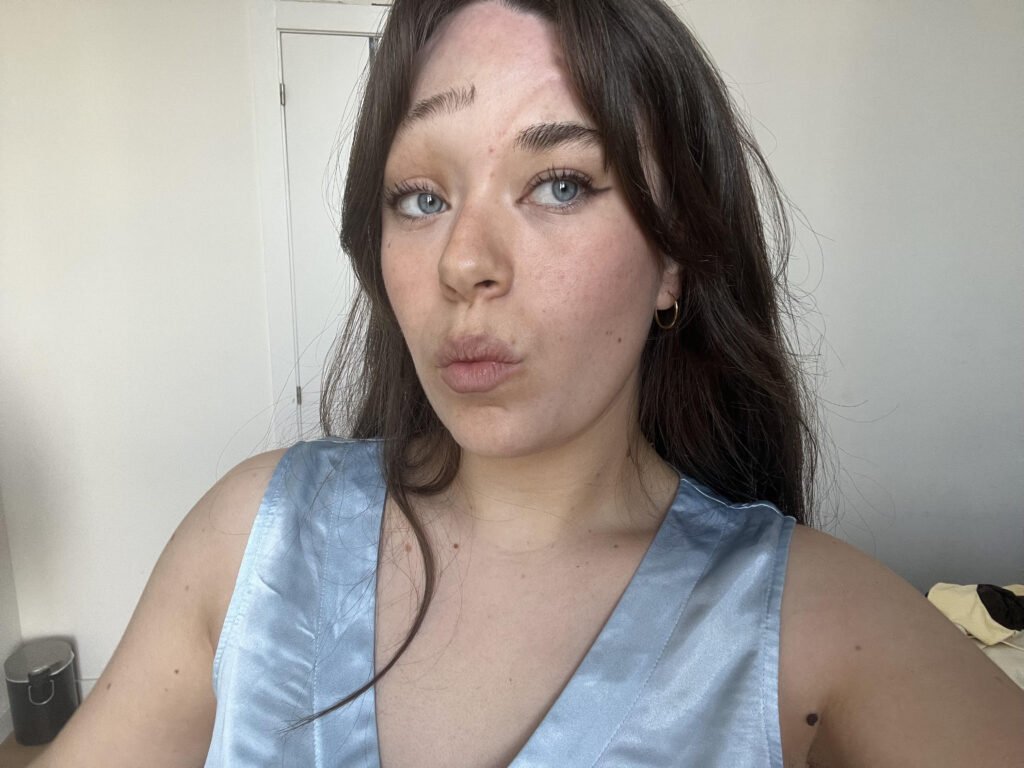
“And I don’t feel the need to change for anyone.”
Doctors didn’t know what it was at first
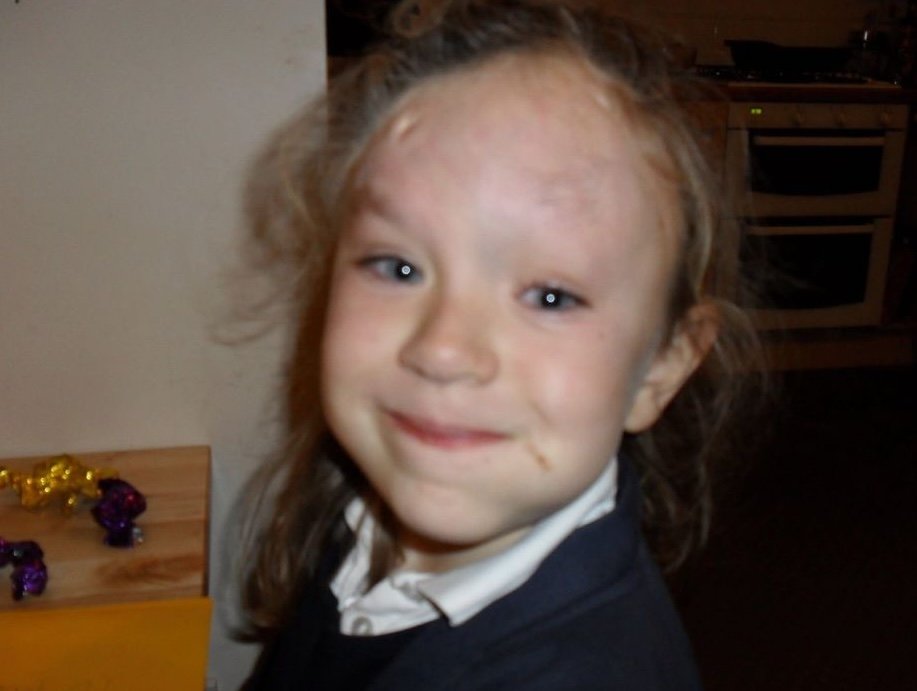
Markham’s condition was visible from birth. With no hair as a newborn, the folds were immediately obvious.
Doctors couldn’t explain it.
“Initially no one really knew what it was,” she said.
“There was a lot of uncertainty at the time. There were a lot of possibilities of conditions I could have, such as brain damage. It was quite a scary time for my parents being in the unknown, followed with lots of tests and genetic investigations.”
An MRI scan eventually led to a diagnosis. Specialists confirmed the condition was not harmful to her health, but she was monitored closely through childhood.
Her parents were open about it from the start.
“They explained that it was something I was born with, that it was rare, and that it didn’t define me,” she said.
Secondary school was the hardest part
In primary school, everyone had grown up with Markham. Nobody questioned it directly.
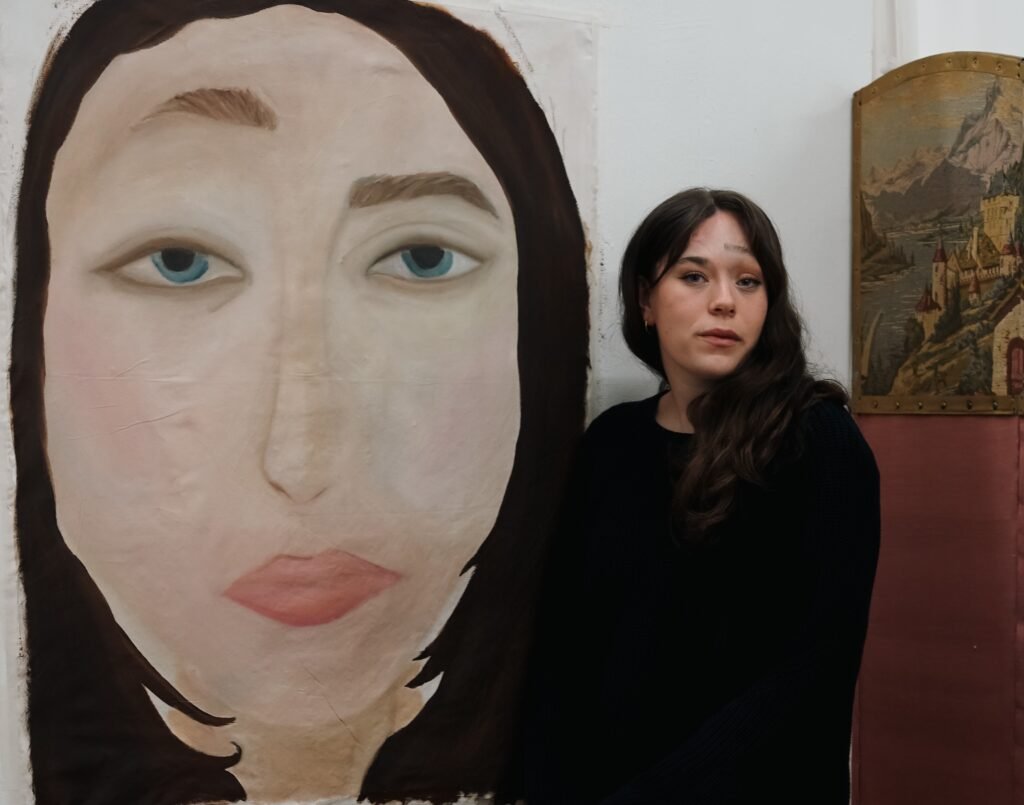
Secondary school was different. New faces, older students and the sudden awareness that she looked noticeably different from everyone else.
“It was probably the hardest time as people could be quite unkind without thinking about how it affected me,” she said.
“I began to notice the looks and the questions more, and that’s when I realised I was more different.”
She felt it most acutely during appearance trends.
When eyebrow styling became a thing among her peers, Markham couldn’t participate in the same way.
“I felt different because I couldn’t really change mine, and that made me feel like I stood out more,” she said.
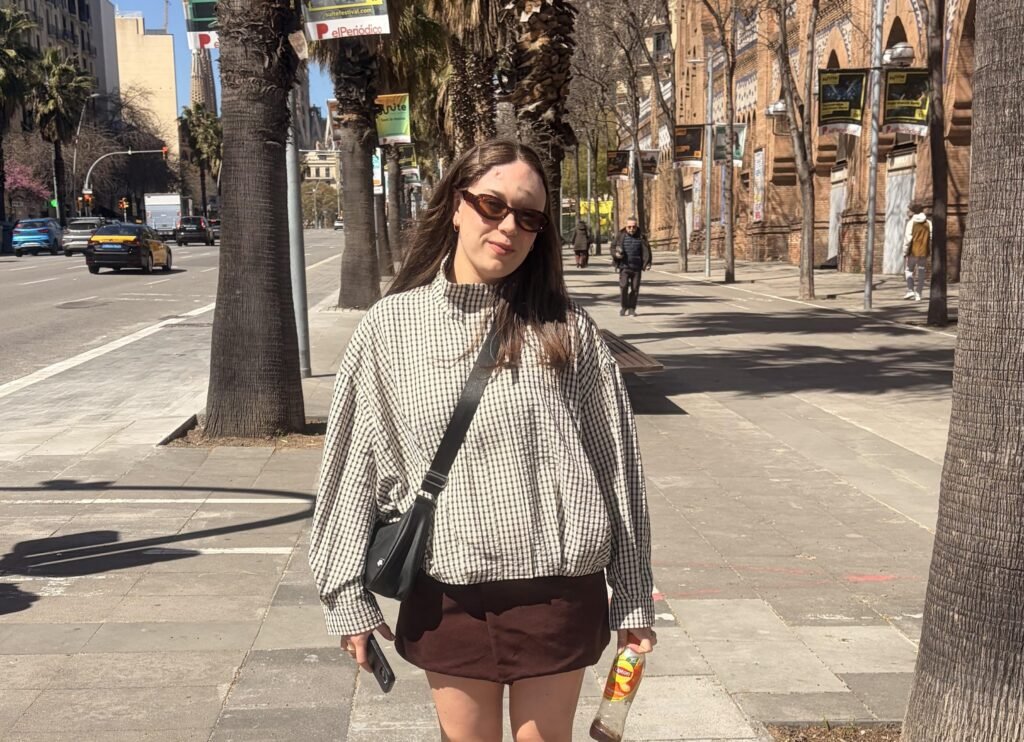
She found refuge in horse riding, where a helmet meant nobody could see her forehead and she was judged on ability rather than appearance.
“It was a safe space,” she said. The friendships she built there have lasted.
She was offered surgery and said no
As she got older, doctors presented options. Surgery. Botox. Microblading.
Markham considered them but ultimately decided against all of it.
She turned to cognitive behavioural therapy instead, which gave her coping strategies she still uses.
Art and painting became another outlet. She started wearing her fringe back, something she would never have done before.
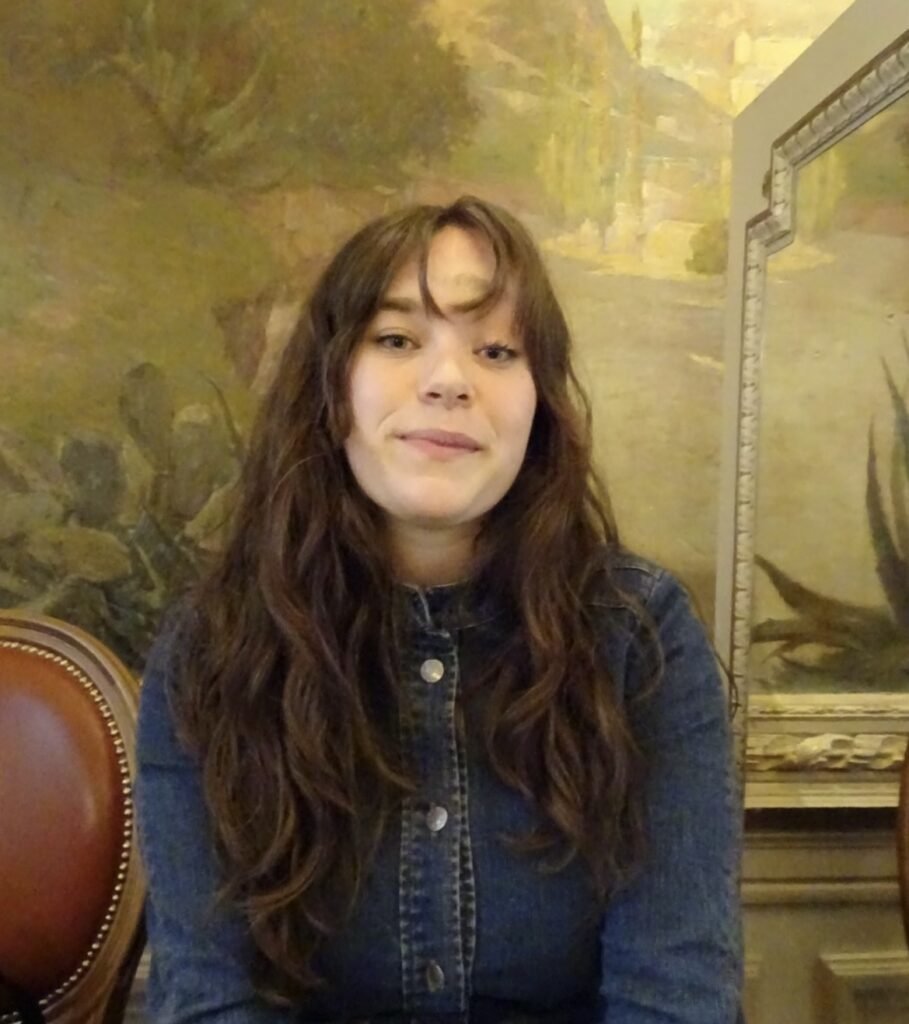
“Being unique feels special to me now,” she said.
“And I’m more confident than ever.”
The trolls haven’t stopped
Online attention brought visibility and abuse in roughly equal measure.
Markham says people frequently assume she’s been in an accident or suffered an injury.
When she explains it’s a condition she was born with, some respond with sympathy. Others tell her to get it fixed.
“When I was younger, those comments affected me a lot more,” she said.
“As I’ve grown up with these comments after having attention online, I am more able to brush off the comments easily.”
She credits her family for much of her resilience.
“They listened to me, reassured me, and helped me through difficult moments,” she said.
Why it matters
Visibility content from people with rare or visible conditions performs well on social media, but Markham’s story is worth paying attention to for a reason beyond engagement metrics.
She was offered medical interventions and turned them down.
That’s a different narrative from the transformation content that dominates health and beauty spaces online.
It pushes back against the assumption that looking different is a problem to be solved.
For creators covering disability, beauty standards or self-acceptance, stories like Markham’s provide a counterweight to the procedure-focused content that algorithms tend to favour.
She isn’t against surgery for others. She simply decided it wasn’t for her.
Markham continues to work as a paediatric nurse, paint, and post online.
The comments still come. She reads them differently now.
“It’s definitely shaped me as a person,” she said.
“It’s helped me build strong friendships with people who genuinely accept me for who I am.”
She’s 21. She’s had a lifetime of people telling her what to do about her face. She’s done listening.
READ MORE: I was 500lbs at 19 and doctors said I might not see 30 – a £2,600 surgery in Turkey saved my LIFE