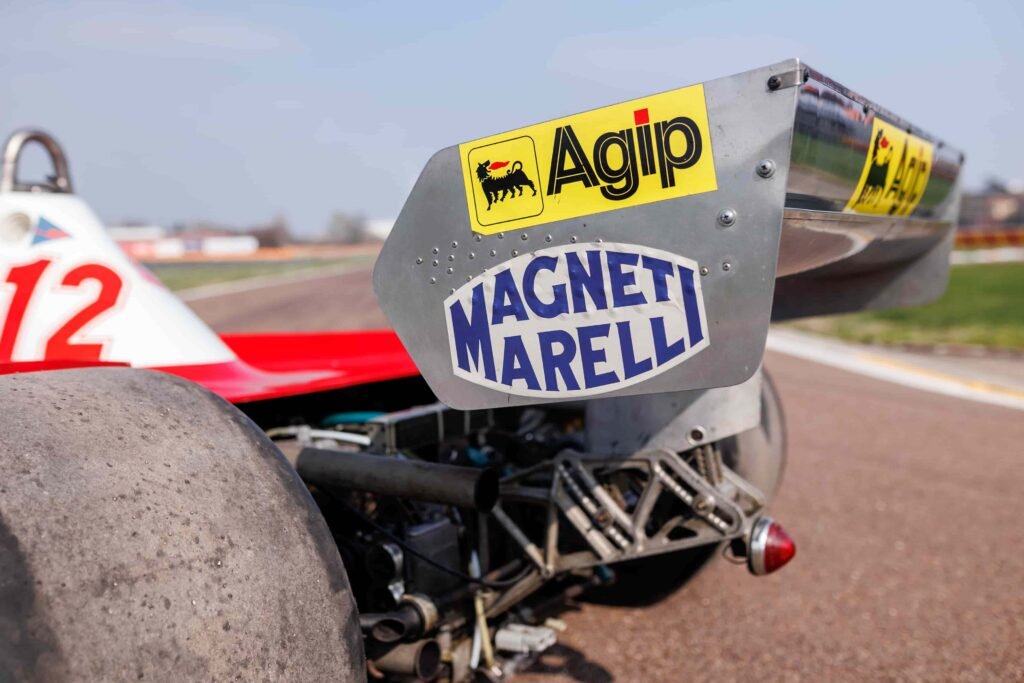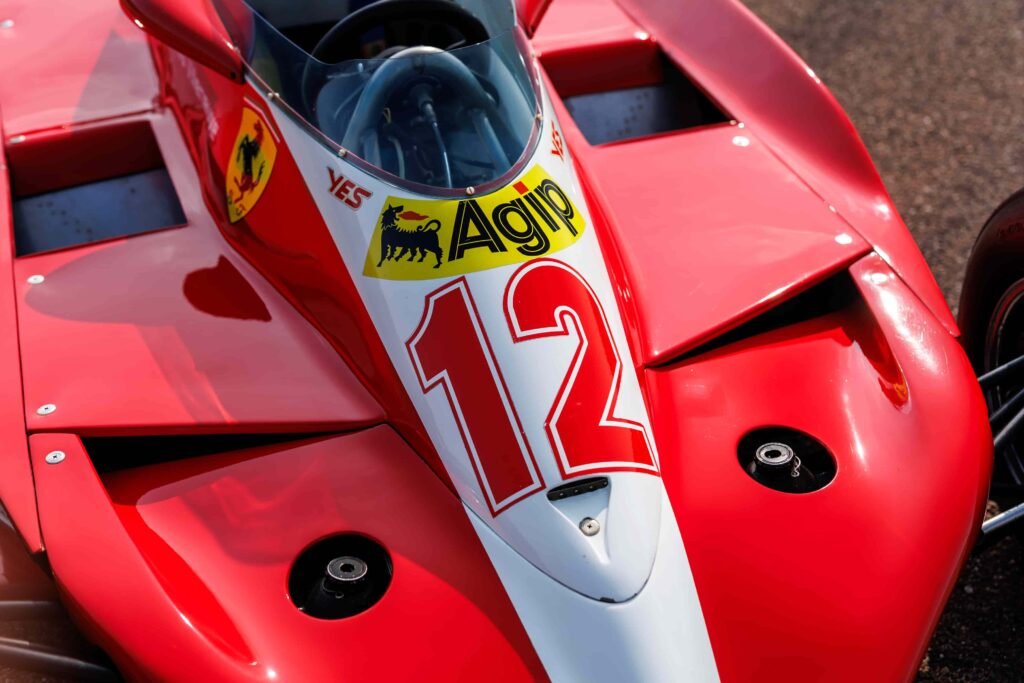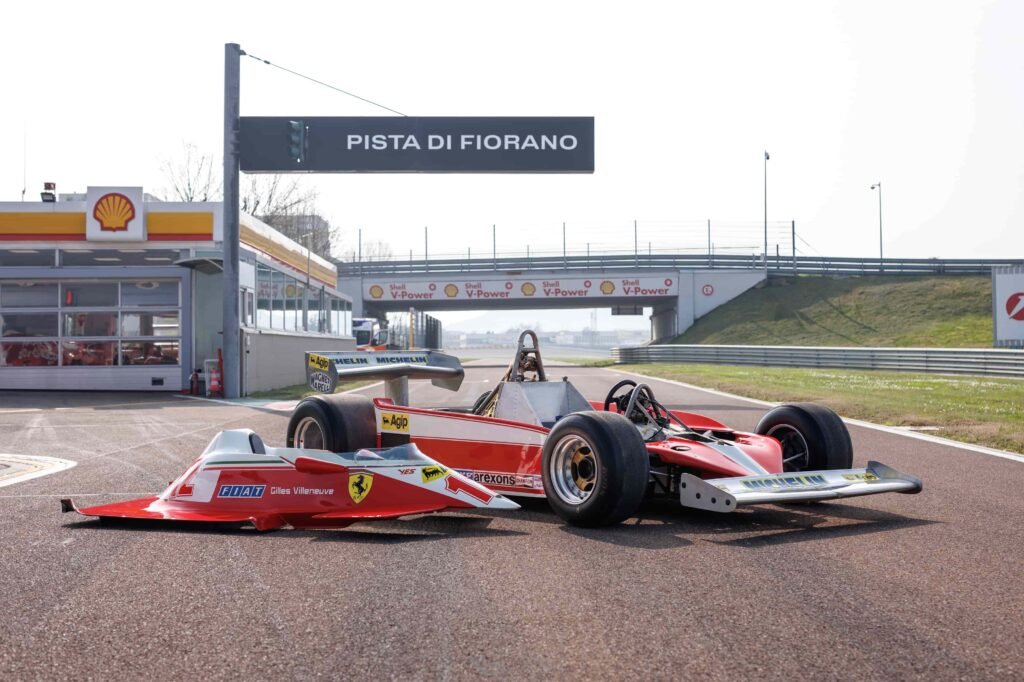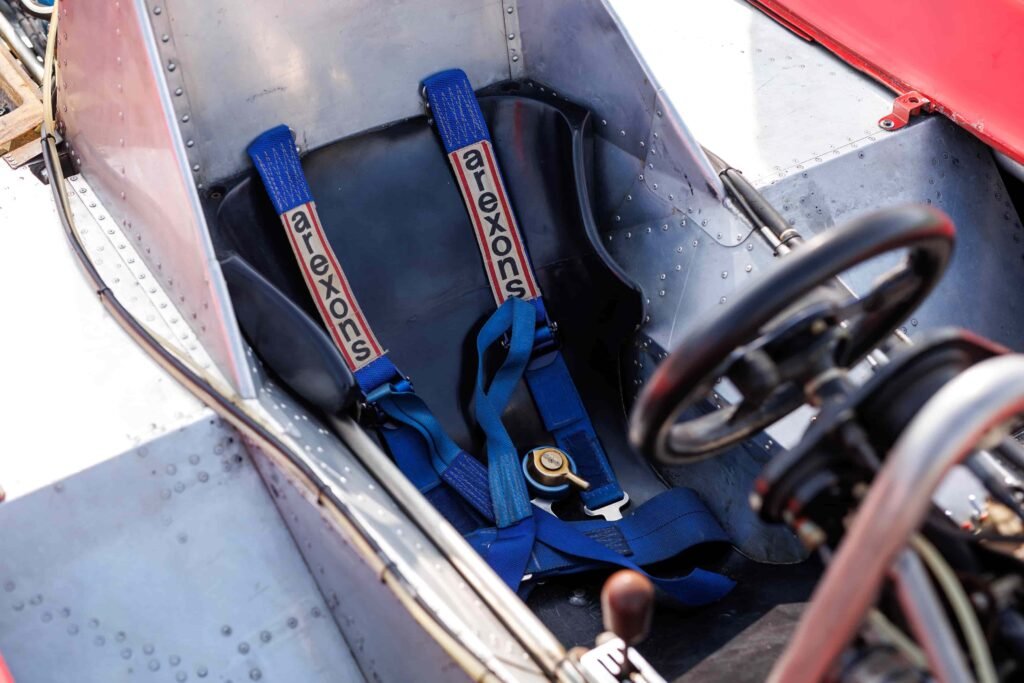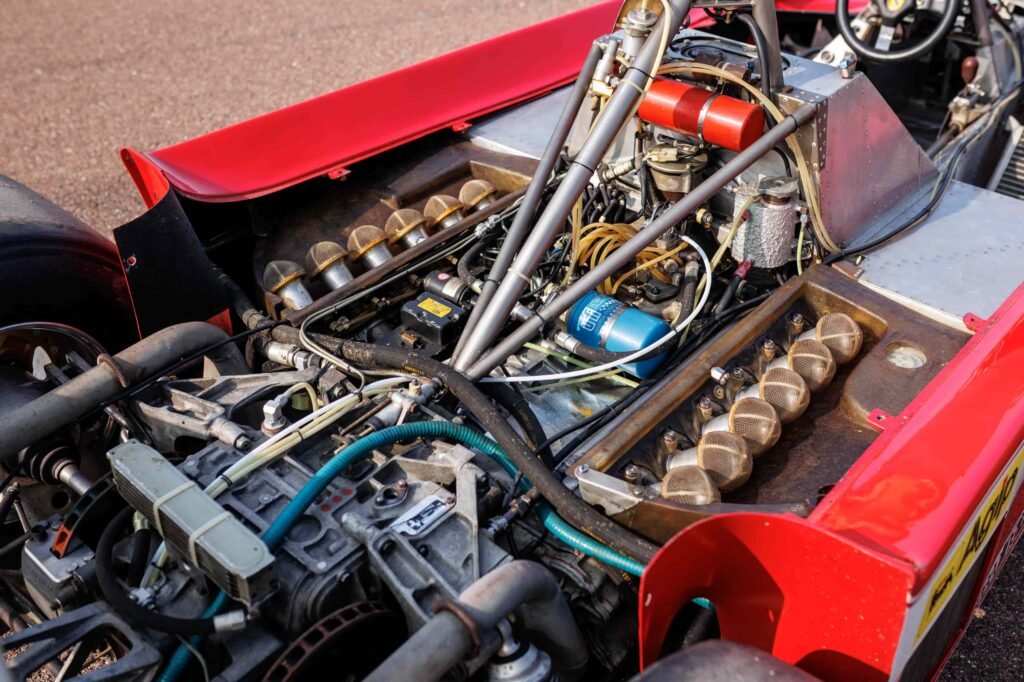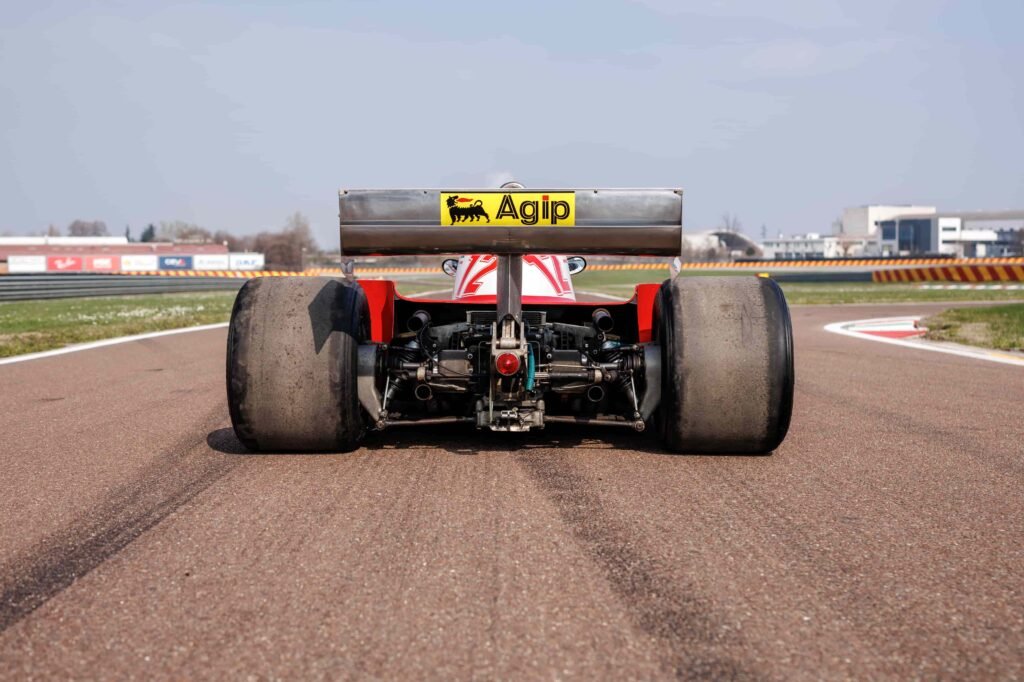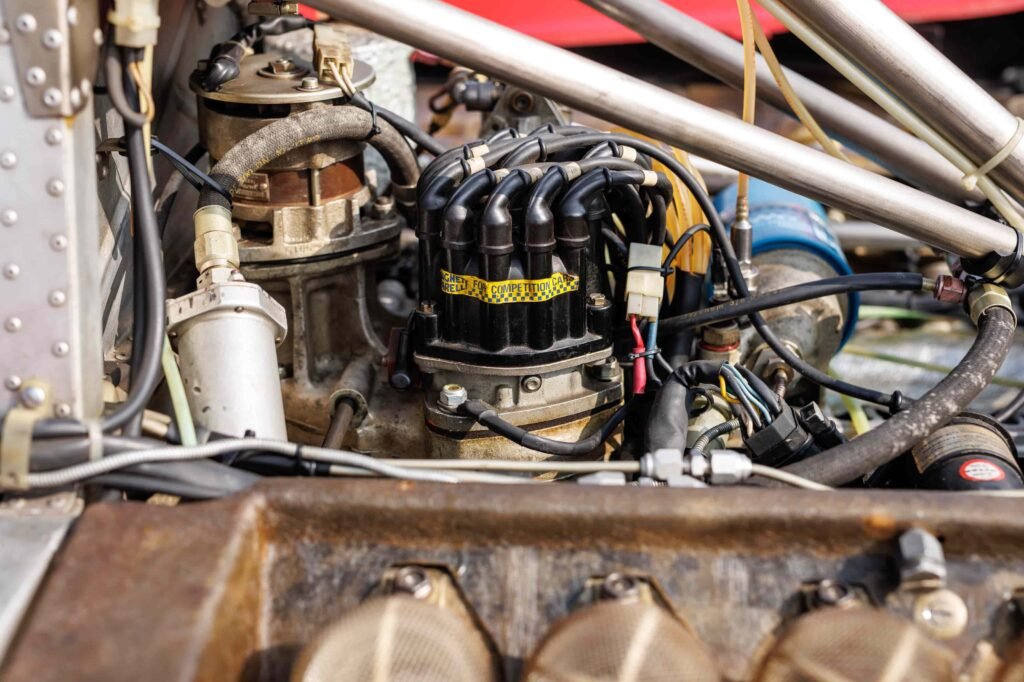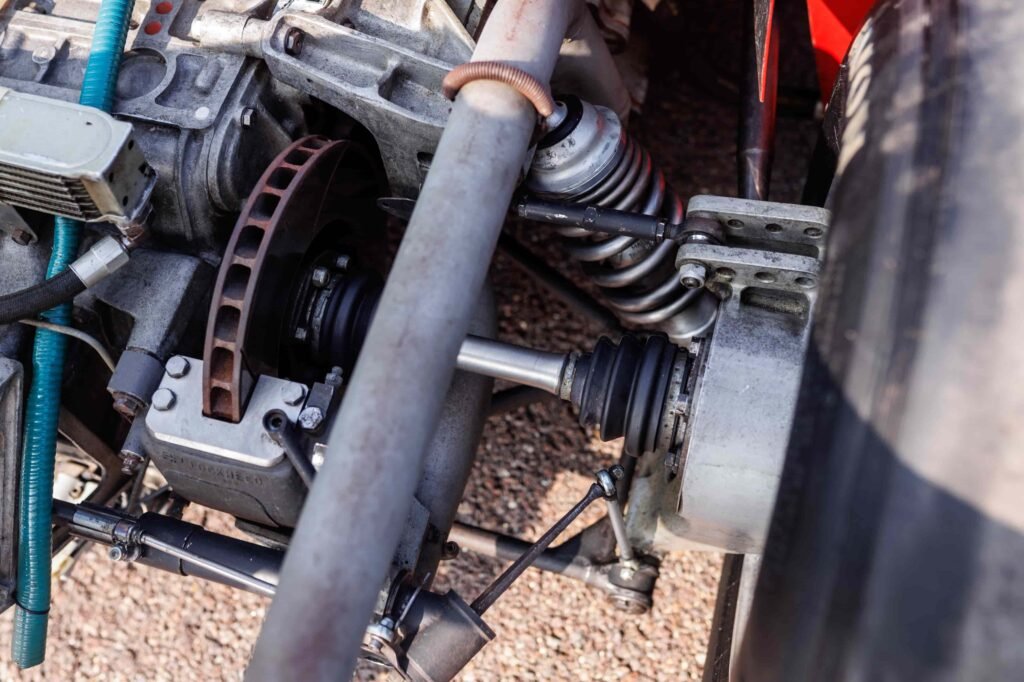


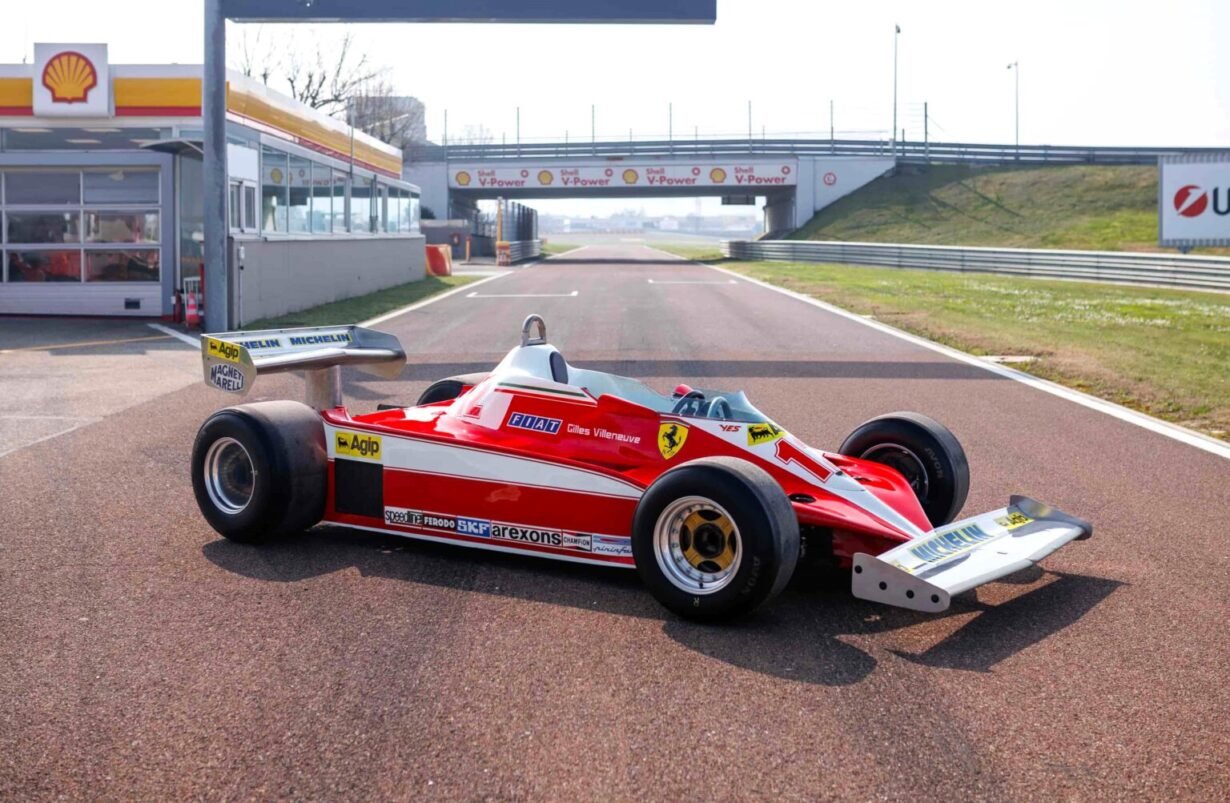

One of five Ferrari 312 T3 chassis ever built is going to auction in Monaco next month.
It was raced by Carlos Reutemann during the 1978 Formula 1 season and driven by Gilles Villeneuve at the 1979 Argentine Grand Prix.
The estimate is €4.5 to €5.5 million, or roughly £3.8 to £4.7 million.
The car still wears Villeneuve’s number 12 livery.
The racing history of chassis 036
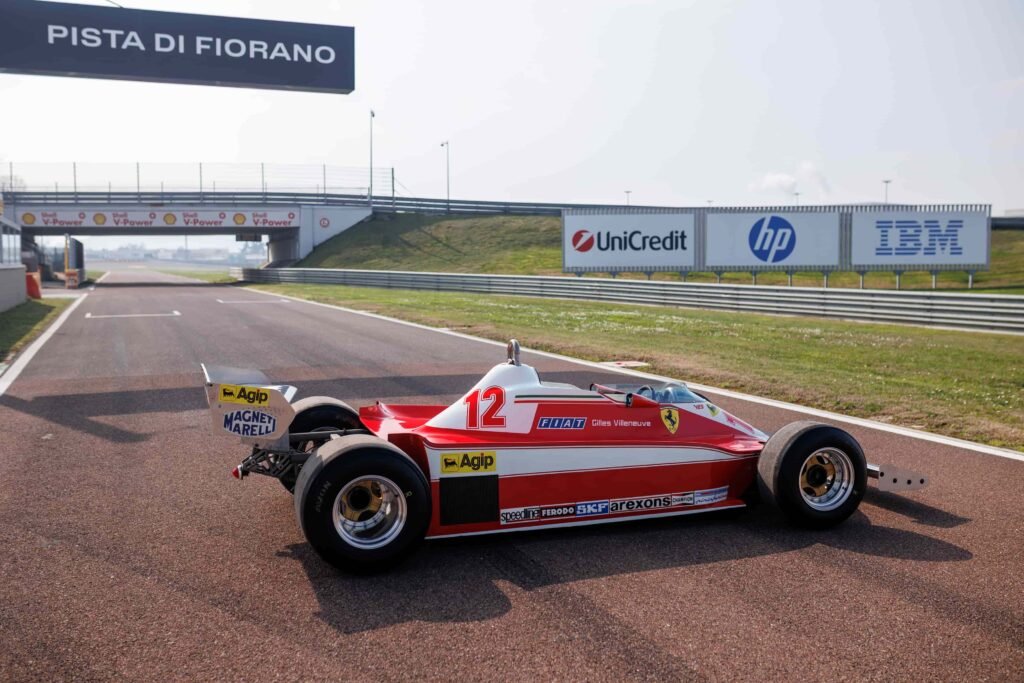
The car debuted at the 1978 Swedish Grand Prix, where Reutemann ran as high as third before finishing tenth.
It competed in multiple races that season. At the French Grand Prix, Reutemann broke the lap record despite finishing 18th.
The Austrian Grand Prix ended in disqualification after the car received an illegal push start following a spin in wet conditions.
Its best finish was seventh at the Dutch Grand Prix.
Chassis 036 returned for one final outing in 1979, when Villeneuve drove it at the Argentine Grand Prix before it was retired from competition.
Two drivers, two countries, one car that carried the weight of Ferrari’s reputation through a season that mattered.
Why the 312 T3 matters
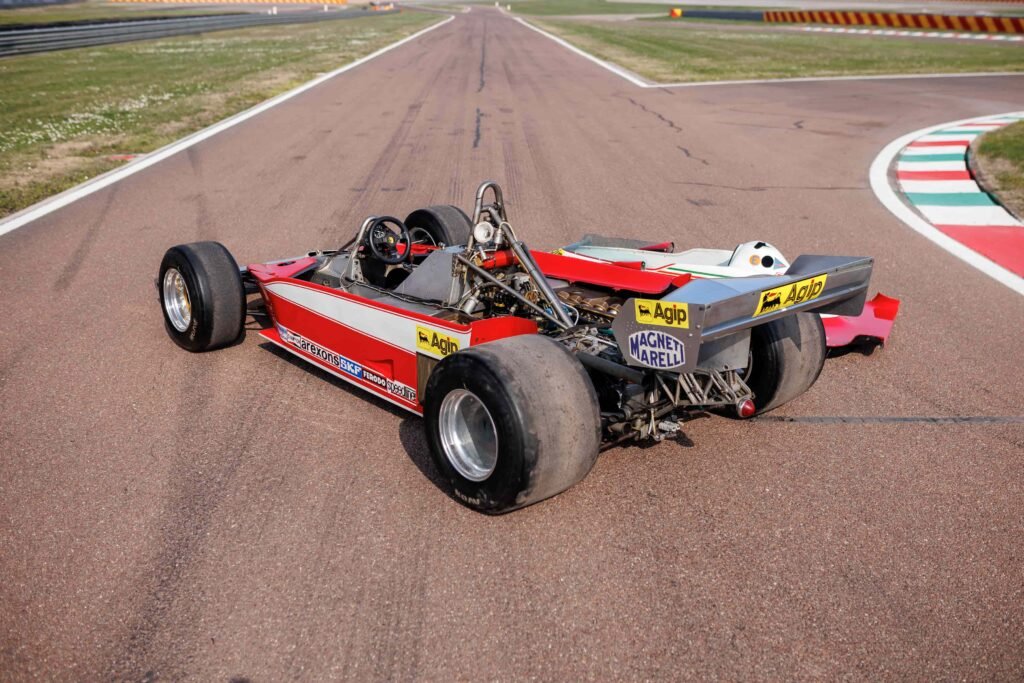
The Ferrari 312T series is one of the most successful designs in the history of Formula 1.
Across its evolutions between 1975 and 1980, the model won 27 Grands Prix and secured multiple world championships.
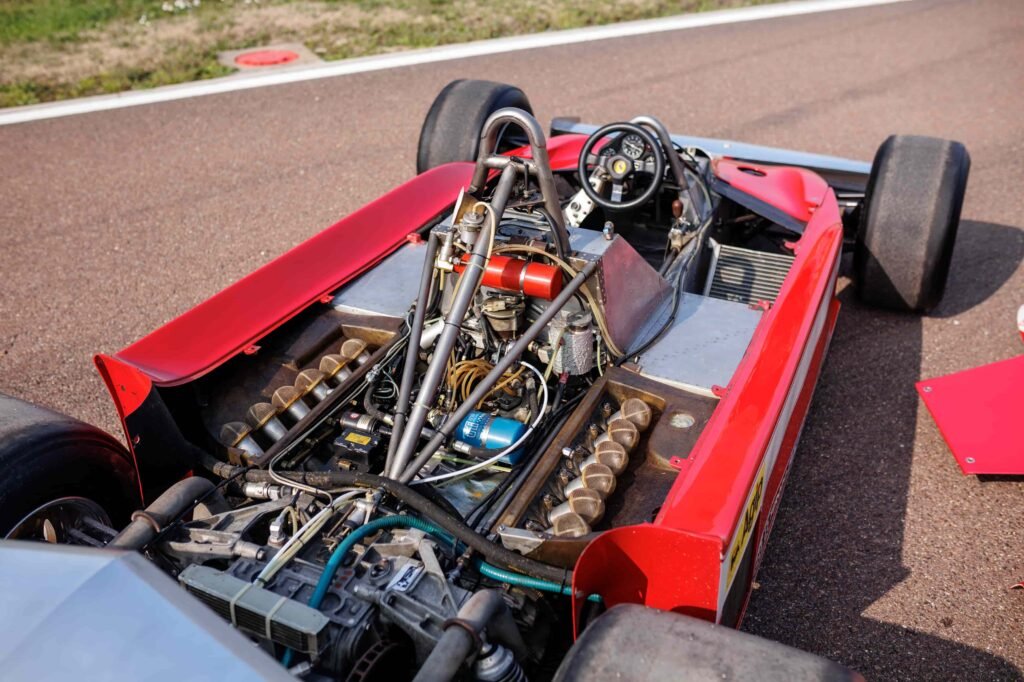
It was designed by Mauro Forghieri, who used a 3.0-litre flat-12 engine and a transverse gearbox layout intended to improve weight distribution. The engineering was innovative. The results proved it.
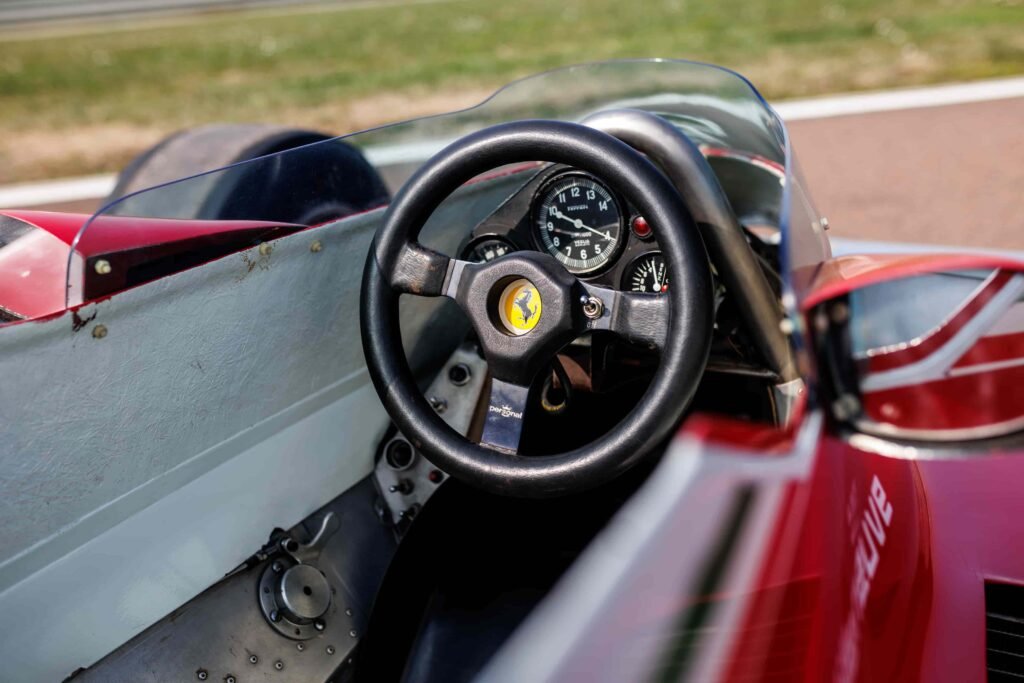
Only five T3 models were built for the 1978 championship. Chassis 036 has been certified by Ferrari Classiche and comes with its official Red Book confirming authenticity.
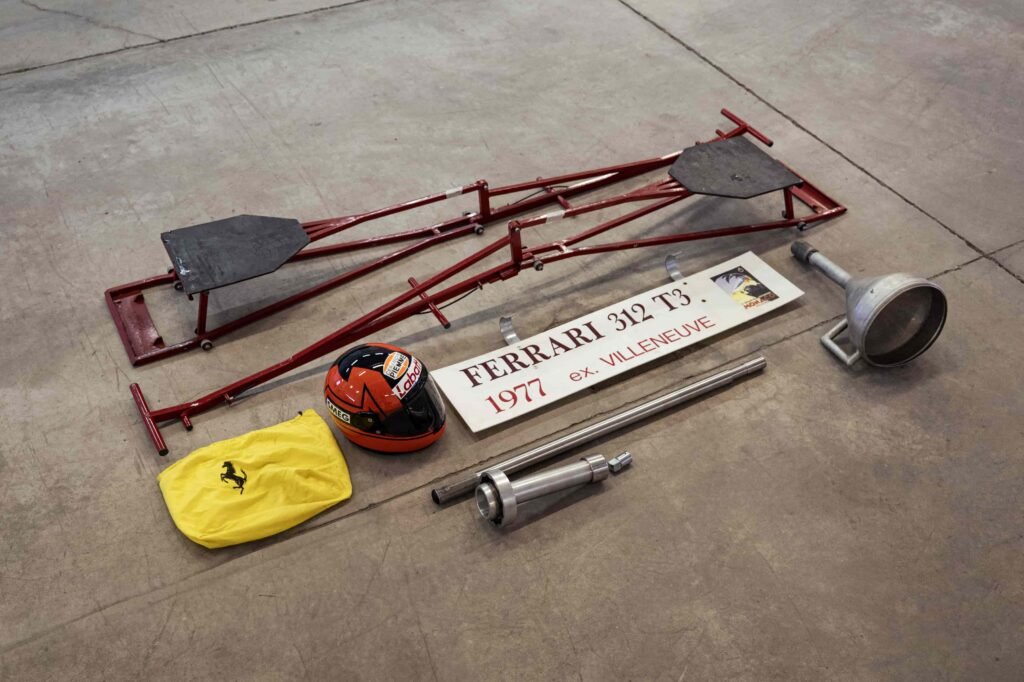
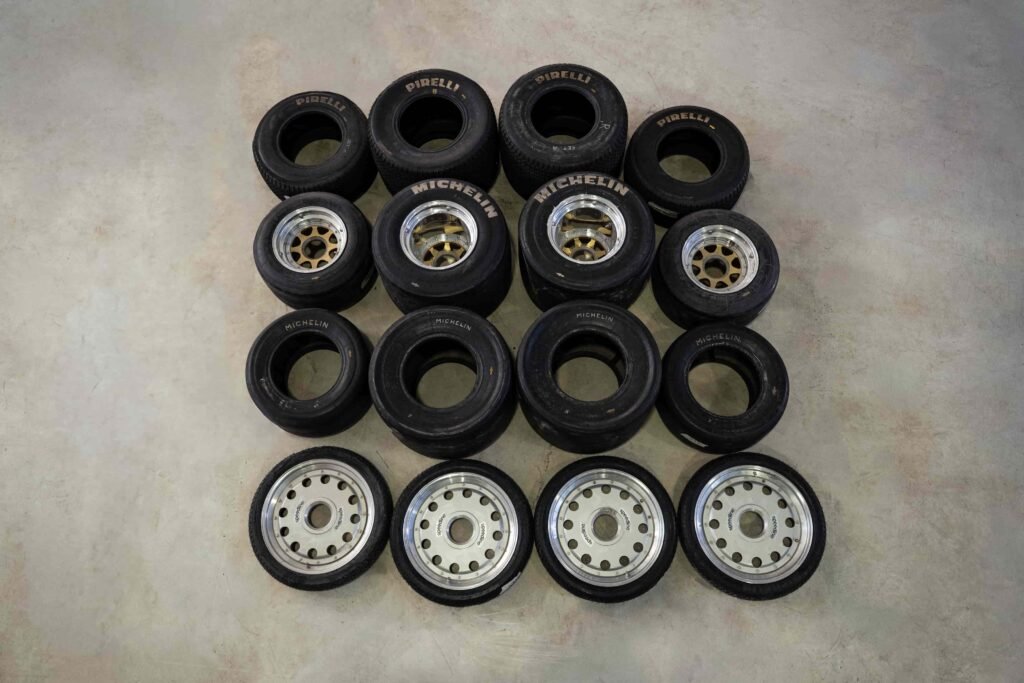
It is being sold with spare tyres, jacks and original accessories.
The names on the entry sheet
Reutemann won 12 Grands Prix across his career and remains one of the most respected drivers never to have won the world championship.
Villeneuve is remembered as one of the most spectacular and fearless drivers Formula 1 has produced.
He was killed at Zolder in 1982 at the age of 32. A car driven by both carries a provenance that very few machines in motorsport can match.
Why it matters
Ferrari F1 cars from this era sit at the top of the motorsport collecting market, and they rarely come up for sale.
When they do, the combination of racing history, driver provenance and sheer scarcity drives prices that reflect something beyond the mechanical.
This is not just a car. It is a piece of a period when Formula 1 was faster, more dangerous and less corporate than anything that exists today.
Collectors who buy at this level are purchasing a connection to Villeneuve’s bravery and Reutemann’s precision, pressed into aluminium and carbon.
The Monaco auction next month will determine whether that connection is worth £3.8 million or £4.7 million.
It will almost certainly be worth at least one of those numbers.