
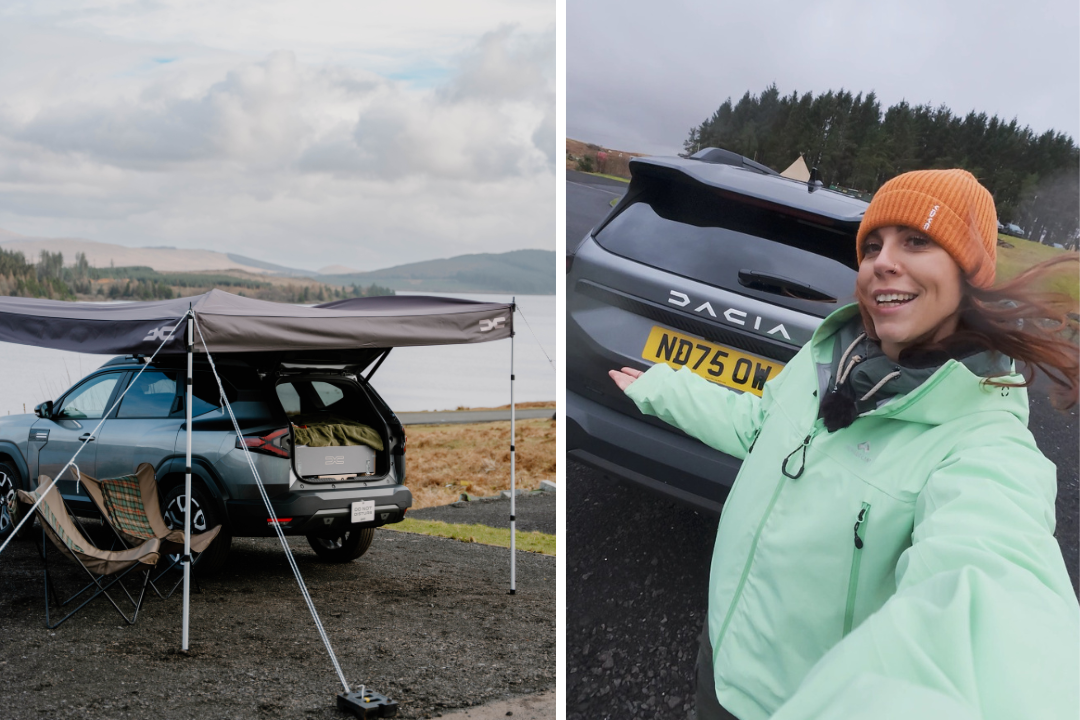

Sophie Royston has slept beside a Scottish loch, under the Alps and on beaches she would otherwise have seen from a hotel window two miles away.
Her bedroom is the back of her car.
The 31-year-old content creator is part of a growing number of travellers swapping hotel bookings for car camping, using their everyday vehicles as mobile accommodation.
READ MORE: I hand-build miniature Ford Escorts that sell for £5K – my six-year-old son is the test DRIVER
What started as a way to save money has turned into something she now prefers to the alternative.
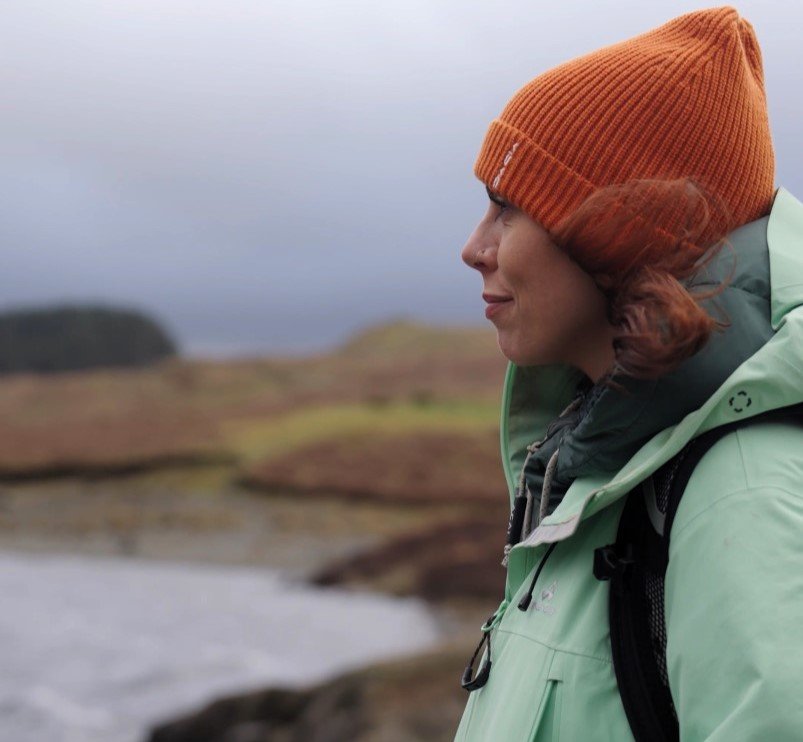
“I have stayed in hotels where you can see a beach in the distance, but with camping in my car, I can actually be on that beach,” Royston, who has 11,600 Instagram followers as @wanderingsoph_, told CreatorZine.
“Quite the difference and quite the experience.”
Why the car beats the hotel
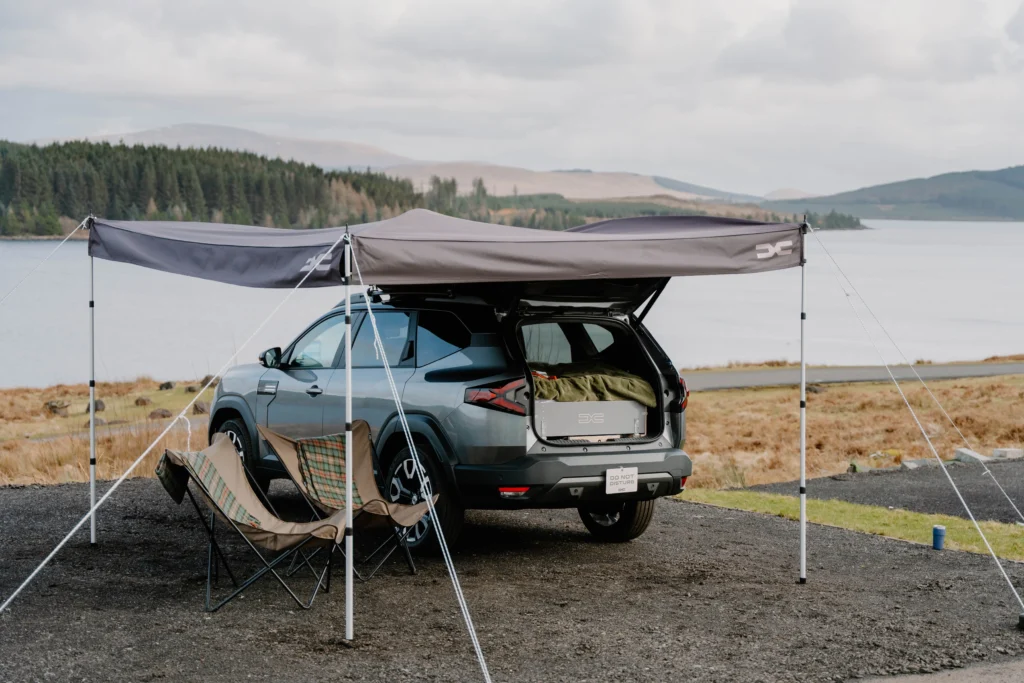
Royston says the appeal goes beyond cost. The flexibility to stop wherever she wants, stay as long as she likes and reach locations that hotels simply do not serve is what keeps her doing it.
“I love the freedom of it. If I find somewhere beautiful, I can just stay there,” she said.
“It was initially about saving money and using what I’d saved on a hotel to enjoy experiences. But this soon turned into the benefit of flexibility and spontaneity, as well as the spirit of adventure.”
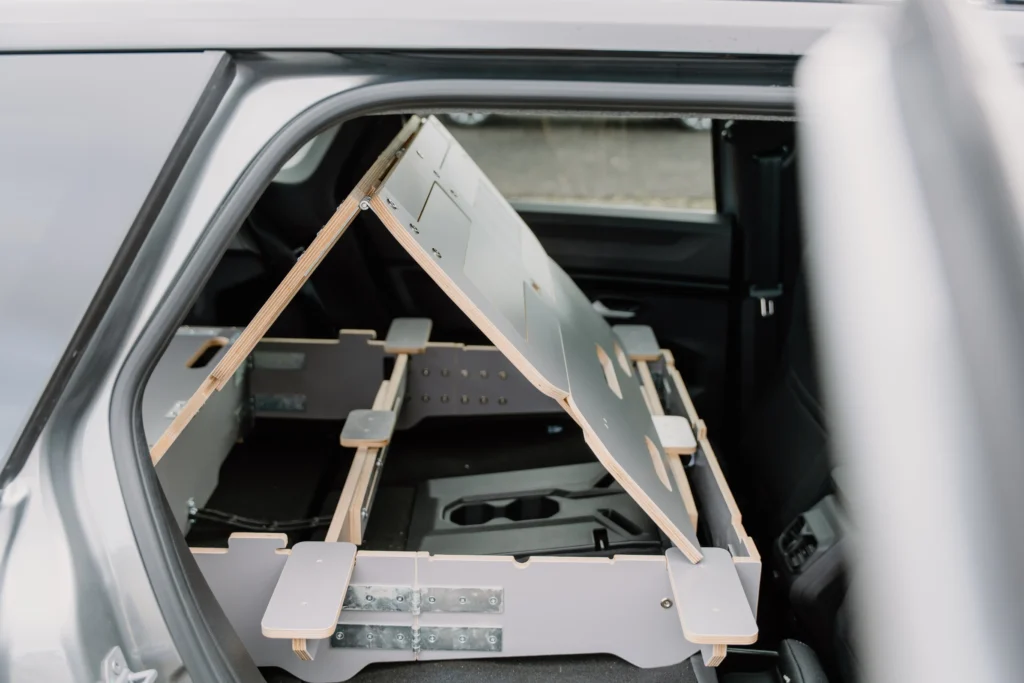
She insists she sleeps better in her car than she does in hotels, which she attributes to a Sleep Pack designed to fit her Dacia Bigster.
The kit, available with a number of Dacia models, turns the boot into a flat sleeping setup without needing a full campervan conversion.
“More people are realising you don’t need a campervan to enjoy an amazing road trip,” she said.
Dacia provided information for this article.
Her routine on the road
Royston’s evenings follow a pattern. Find a spot, set up the Sleep Pack, cook, change into warm layers and settle in with a book and a hot chocolate.
She packs hiking gear and uses the car as a base camp for full days outdoors before resting up for the next stretch.
“I really like hiking, so I am able to get to my destination and enjoy the outdoors and rest before the next day,” she said.
Winter camping requires more preparation on the clothing front, but she says the setup holds up in cold conditions.
Why it matters
Car camping content has been building steadily online as a subcategory of van life, with one significant advantage: the barrier to entry is lower.
Van conversions cost thousands and require commitment. Sleeping in the car you already own requires a mattress and some planning.
That accessibility is what makes the trend scalable and the content around it relatable. Royston’s audience is small by influencer standards, but the niche she occupies is growing.
As manufacturers like Dacia build sleeping kits directly into their product lines, the gap between a car and a campervan continues to narrow.
For travel creators who cannot afford a full van build, the back seat might be enough.
Royston has not said where she is heading next. Given her approach, she probably does not know yet either.