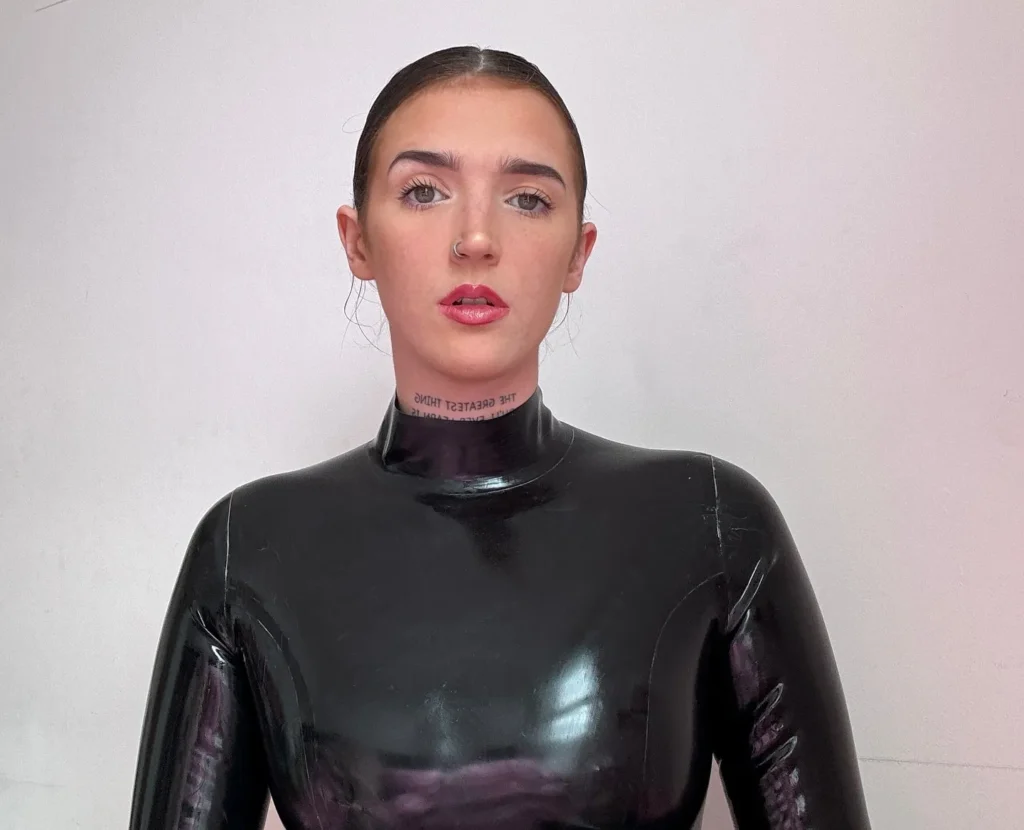


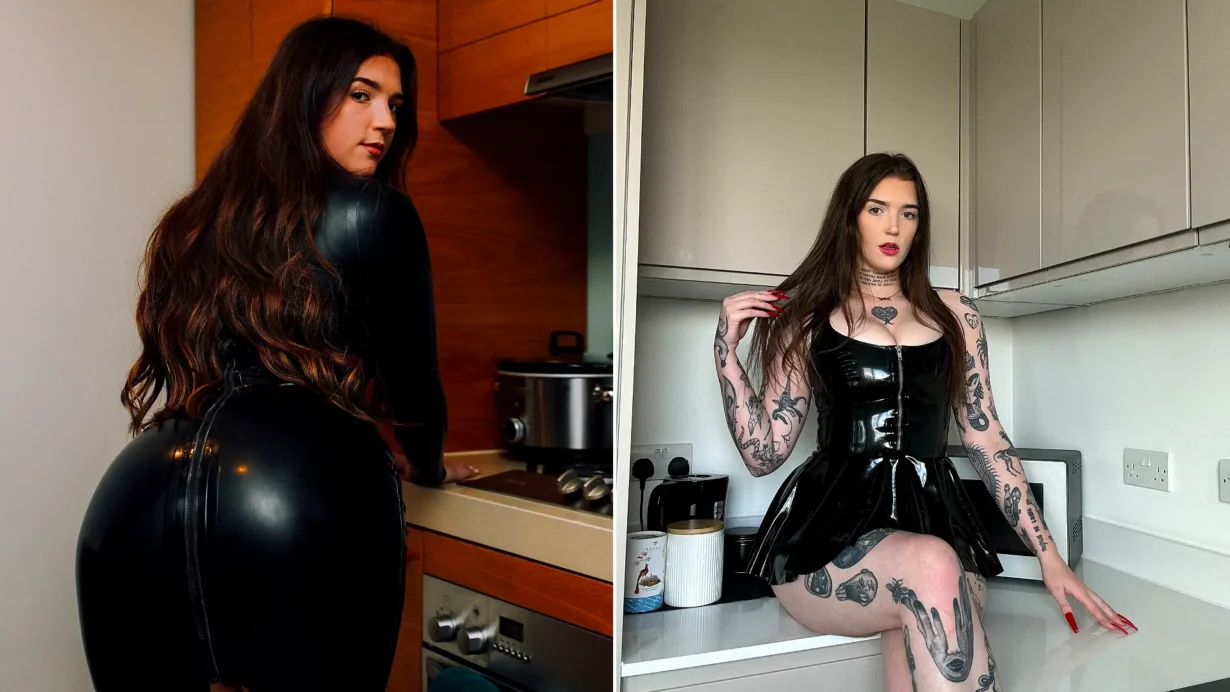

Amy Wilde hates baked beans.
She buys them 25 tins at a time anyway, because one of her clients pays to watch her sit in a bath full of them.
So when the Burnham government’s first Budget scrapped the import tariff on baked beans this week, the 25-year-old Londoner became one of its least likely fans.
Thanking Prime Minister Andy Burnham and Chancellor John Healey, she said, as reported by Creatorzine:
READ MORE: I made my Halloween skeleton ‘extra dead’ with my thighs – then men started asking to be NEXT
“I never thought I’d be so excited about the price of baked beans coming down, especially considering I absolutely hate them.
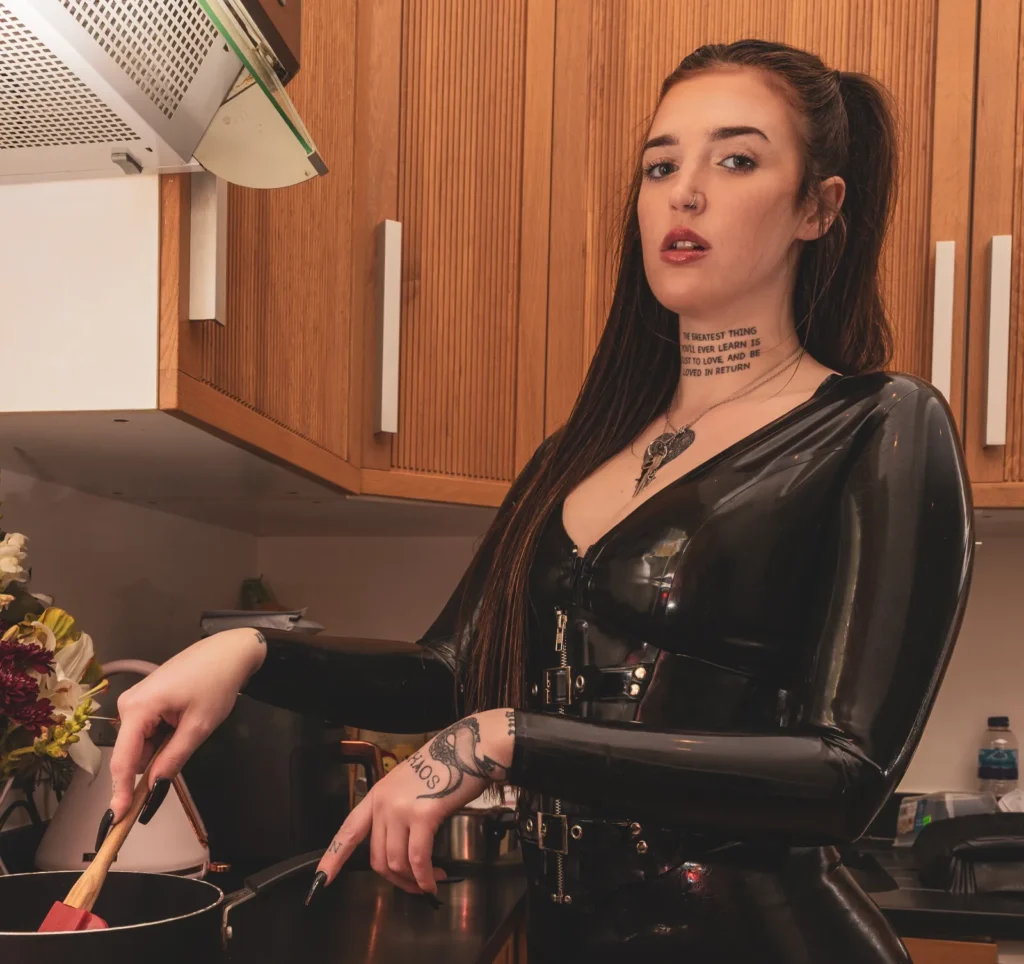
“But when you’re buying 25 tins at a time just to pour them all over yourself, every penny counts.
“Most people are stocking up on beans for their breakfast, while I’m stocking up so a bloke can watch me roll around in them naked.
“I bet the government didn’t have people like me in mind when they announced this one!”
What the Budget means for baked beans
On Wednesday (28 October), the government announced it would scrap import tariffs on more than 100 everyday products to ease the cost of living.

Baked beans lose their 16% duty from 26 November, along with garlic, gherkins, sweets and chocolate-coated wafers.
Marmalade, plant-based drinks, boiled sweets and chocolate-coated waffles also made the list.
So did fertiliser and kerosene heating oil.
The suspension lasts two years, until December 2028, and ministers hope retailers pass the savings on.
Combined with an earlier round of cuts in June, the government expects consumers to save between £245million and £595million a year.
For the average household, that means up to £21 annually. Roughly 40p a week.
Not quite enough for a bath.
Some food manufacturers are less cheerful, warning that the change could let in cheap imports and chip away at the value of the iconic tin.
£500 an hour in cold tomato sauce
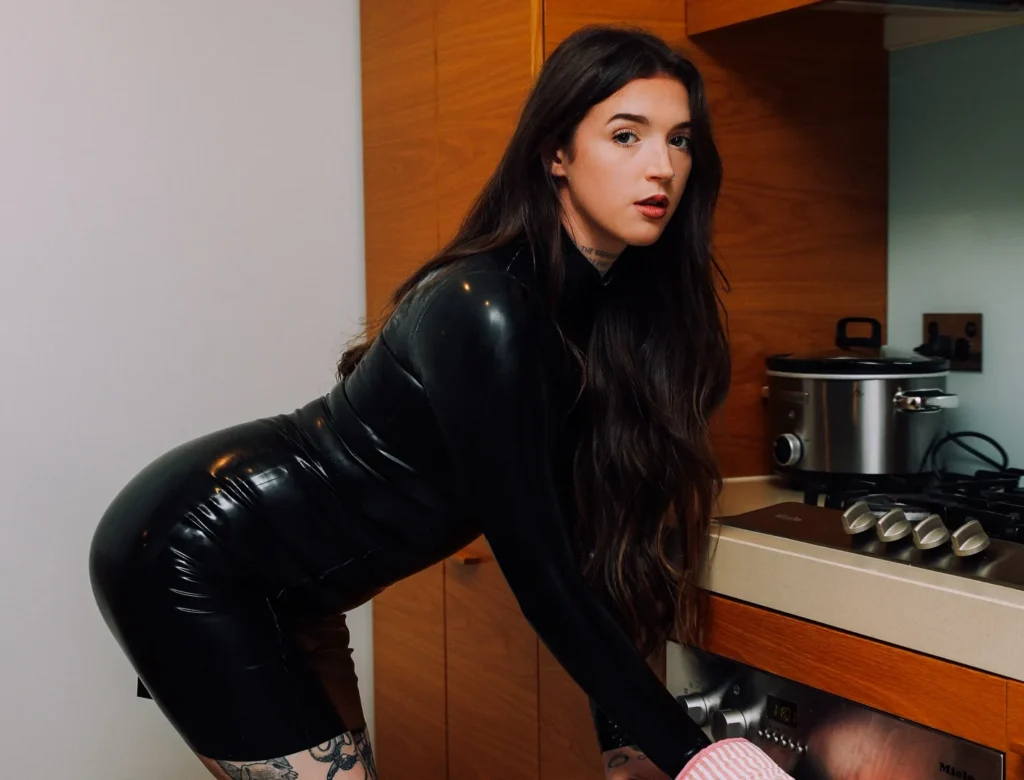
Amy, who describes herself as a kink practitioner and has 78,000 Instagram followers at @amyywilde1, says she has spent seven years in the adult industry.

She charges upwards of £500 an hour to act out clients’ more unusual fantasies.
One regular is fixated on baked beans.
Amy tips the tins over herself and sometimes rubs the cold sauce into her skin, despite finding the whole thing revolting.
The bath, she insists, is the easy part.
“The worst part isn’t even sitting in the beans,” she said.
“It’s having to scoop them all out of the bath afterwards and wash that horrible smell out of my hair.

“I genuinely can’t stand them, but if someone’s willing to pay good money to watch me bathe in them, who am I to argue?
“If the price drops, maybe I’ll treat him to a few extra tins.
“Although I’m not sure my bathtub could take much more!”
Why It Matters
Niche content pays because it is niche. Amy’s income depends on one client’s very specific taste, and her costs depend on the supermarket shelf, so a line in a Treasury document can move her margins.

Most creators never think of groceries as overheads.
For those whose work runs on props, food or physical stunts, the shopping list is the business.
Custom and fetish content has grown into a serious corner of the creator economy since subscription platforms went mainstream, and plenty of the people making it now run their work like any other small business, receipts included.
Cheaper beans, same smell
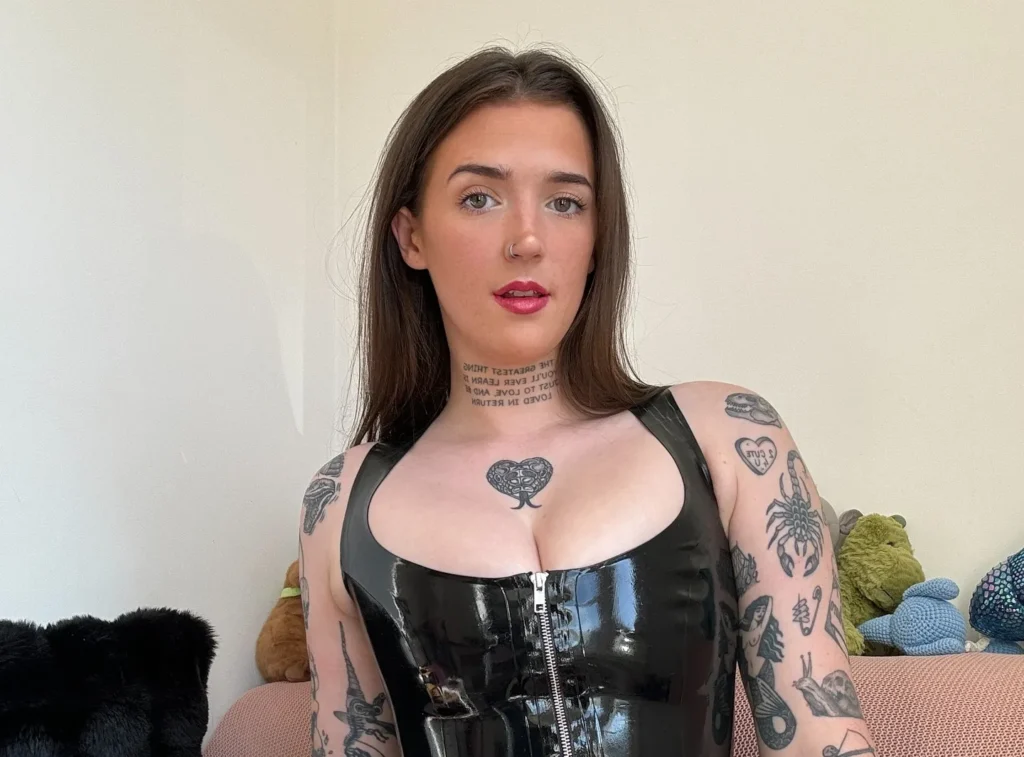
The tariff comes off on 26 November. Whether supermarkets pass the saving on is another matter, and Amy has one problem no Chancellor can fix.
“I never imagined baked beans would become part of my business expenses, but here we are,” she said.
“Some people will be celebrating cheaper beans on toast. I’ll be celebrating cheaper beans in the bath.
“Now I just need someone to invent a way to get rid of the smell!”