
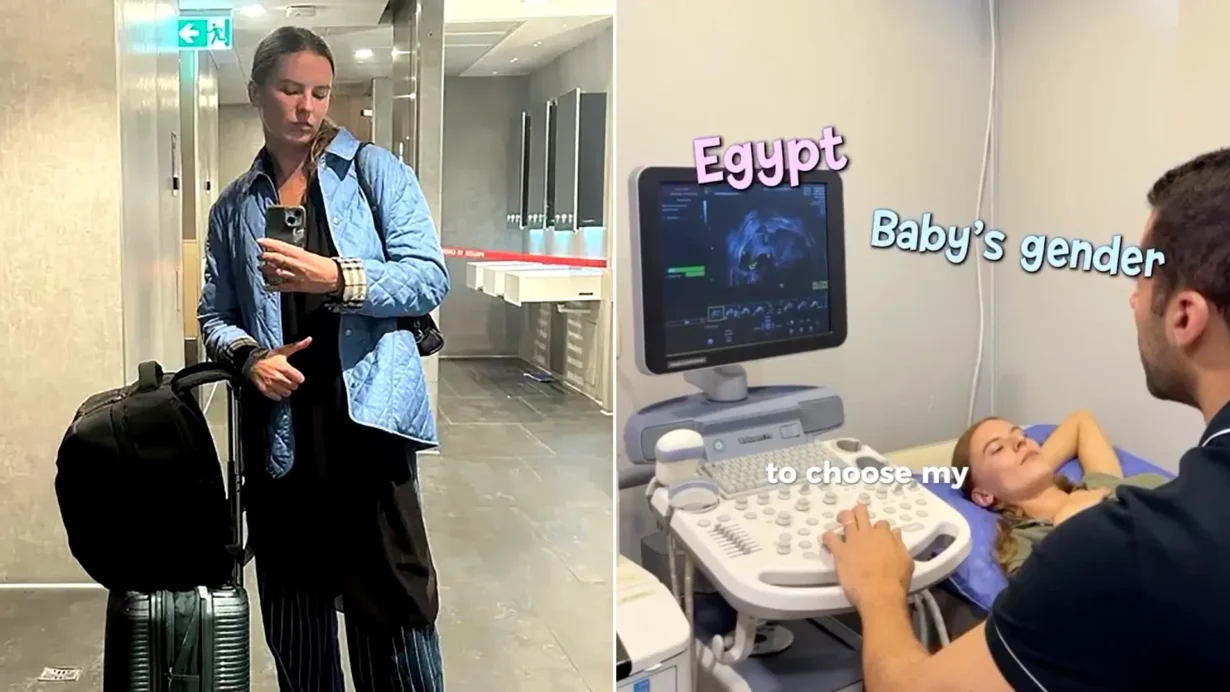

Mary Grace Stewart has always known she wanted daughters.
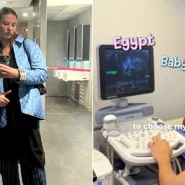
So she flew to Egypt and paid a clinic £3,000 to choose.
The 31-year-old graphic designer from Reading is partway through IVF with gender selection at PyraMedicine, an Egyptian fertility clinic where picking your baby’s sex is legal.
In the UK, it isn’t.
Then she posted about it online. The internet reacted roughly as you’d expect.
A lifelong dream of being a ‘girl mum’
“I thought about it for my whole life,” Mary told Creatorzine.
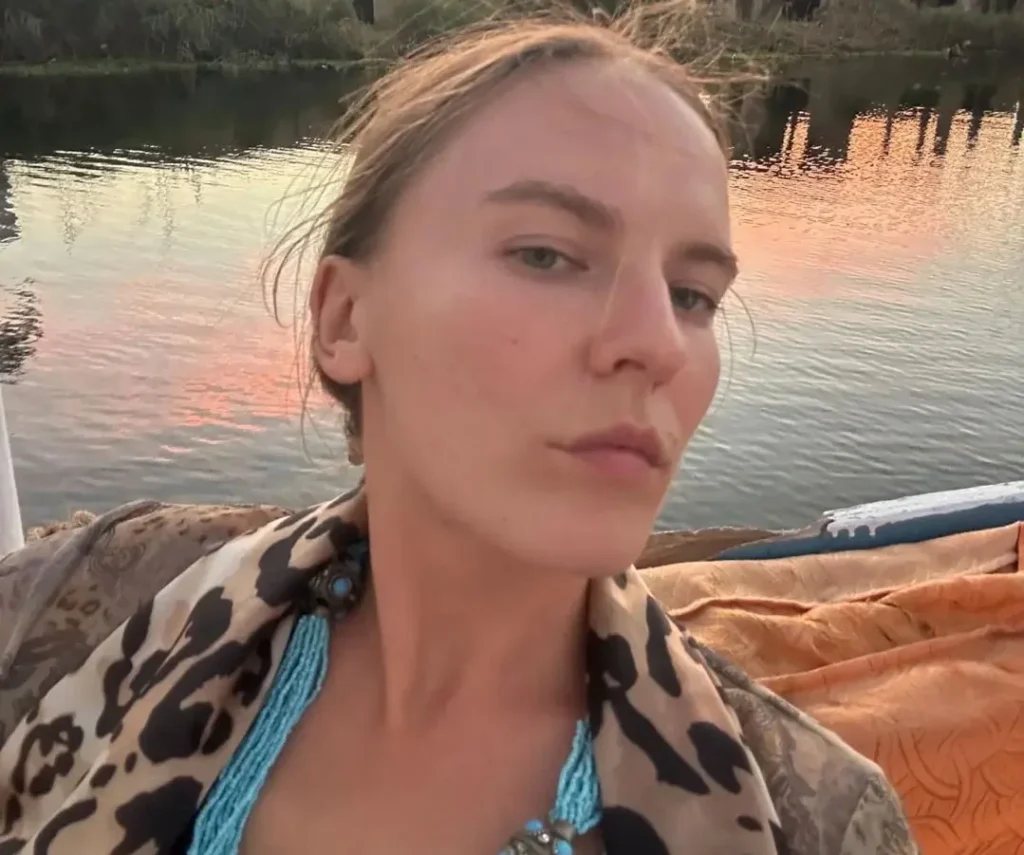
“I always imagined myself as a girl mum and loved the sisters and mother-daughter bond we had with me, my sisters and my mother.
“I’ve always thought if only I had a choice I’d definitely have girls when I start a family.”
She and her partner, George, spent a year weighing up whether to start a family.
They were already looking into IVF when the UK price tag put Mary off entirely.
The Egyptian clinic fitted their budget. It also came with an option no British clinic can legally offer.
Why the couple chose Egypt
Mary says money and the law both made the decision for them.
“We decided to travel because of the cost of IVF in the UK, the legality of gender selection in Egypt, and their prices were affordable, as well as the health care being more convenient there,” she said.
“Travelling to Egypt for IVF and gender selection is actually way more affordable than doing private fertility treatment anywhere, even in the UK and US.”
The couple flew out in October. Even Mary’s own family thought she had lost the plot.
‘I hope you have a boy’
Mary filmed the journey and shared it online. The video went viral, and the comments arrived with it.
“Suddenly so many strangers were weighing in on such a personal matter, putting their opinions and shaming you on what you’re doing, calling you ‘bad mother’, ‘that I ‘don’t deserve to be a mother’, ‘I hope you have a boy’,” she said.
“It’s hard when strangers judge you from a 30-second clip.
“I literally don’t have a problem with my baby being a boy too, no hate against them – they misunderstood me.”
She thinks the ban itself keeps women quiet. Her inbox suggests she has a point.
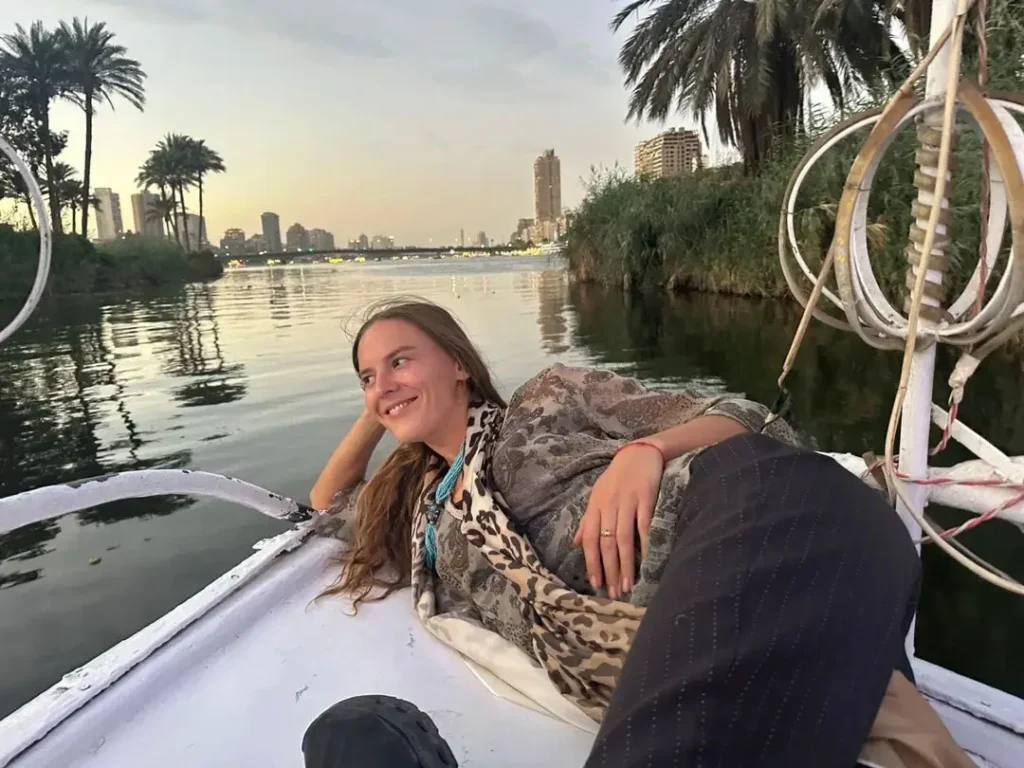
“Just because it is illegal, people treat it like some huge taboo, so nobody talks about it openly, which makes you feel like you’re the only one considering it,” she said.
“You wouldn’t believe how many messages I’ve gotten from women asking about it, saying ‘I’ve been quietly researching this for months’ or ‘I actually went abroad for this too, I just never told anyone’.”
As for the trolls, she has a system.
“If someone is just being outright rude, though, I don’t give it my energy. I just scroll past and focus on all the lovely, supportive women in my comments.”
A video journal for her future daughter
Mary never set out to start a debate. The videos began as something for the family she hopes to have.
“Documenting it felt like a really special way of showing how I really wanted that baby girl and I wanted to capture all these little moments for myself and our future family, almost like a video journal,” she said.
“I wanted to be that person for other women who might be quietly looking into it and feeling overwhelmed.”
Her family came round fast.
“At first they were surprised and thought I was crazy but after that everyone was so supportive and excited for me,” she said.
“Now I’m quite hopeful and excited for what’s to come. Now everything just makes sense.”
The next trip to Egypt
The couple have finished ovarian stimulation and egg retrieval.
The clinic has frozen Mary’s embryos until they return for the transfer.
“The medical process itself is the exact same as standard IVF,” she said.
“Eggs are retrieved and fertilized in the lab. At that point, the embryologists perform PGT genetic testing, which first screens the embryos for chromosomal health and also reveals each embryo’s sex, so only a healthy embryo of our chosen gender is transferred.”
After the transfer comes the wait. “Maybe around 10 to 14 days, often called the ‘two-week wait,’ to take a blood pregnancy test and find out if it has been successful,” she said.
Why It Matters
Editorial analysis. Mary’s inbox tells the real story here.
Women who would never raise gender selection with a GP are raising it in a stranger’s DMs, because a creator with a phone has become more approachable than any clinic or regulator.
That gives fertility creators a strange kind of influence over decisions that are legal in one country and banned in the next, and it leaves them answering for those decisions in the comments, 30 seconds at a time.
IVF vlogging is now its own genre on TikTok and Instagram, with would-be parents filming injections, egg counts and failed transfers for audiences of strangers.
Treatment abroad has quietly joined it, as couples priced out at home go looking for cheaper clinics elsewhere.
Mary’s next video will come from Egypt again.
Whatever the blood test says, the comments are already waiting.