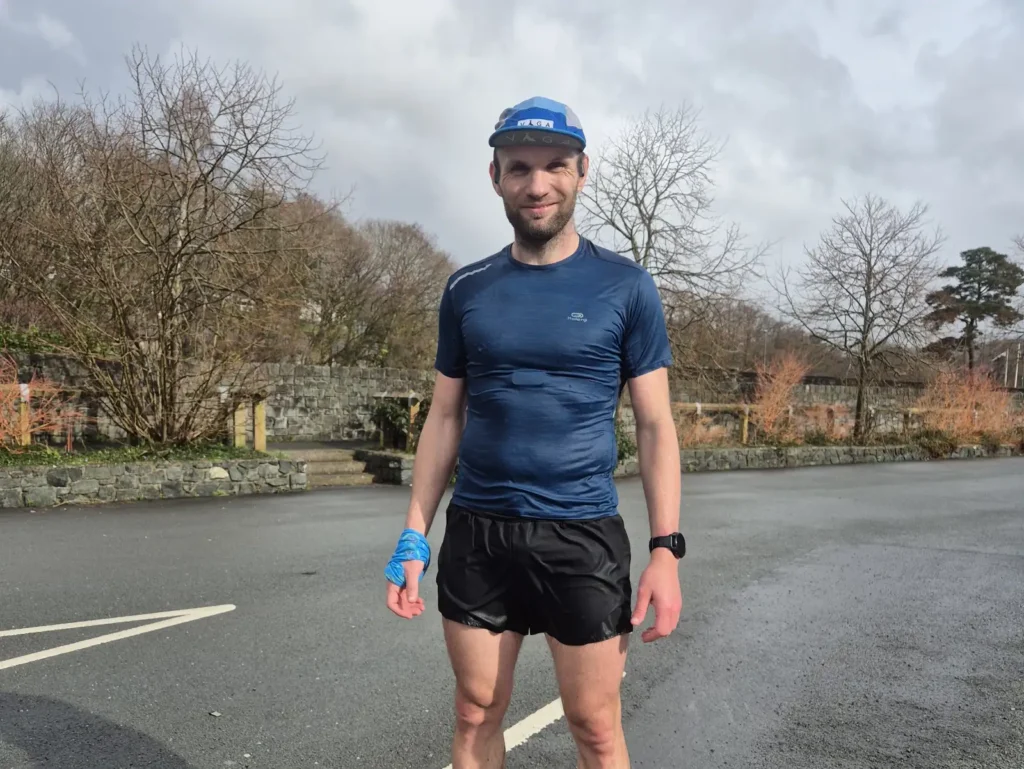

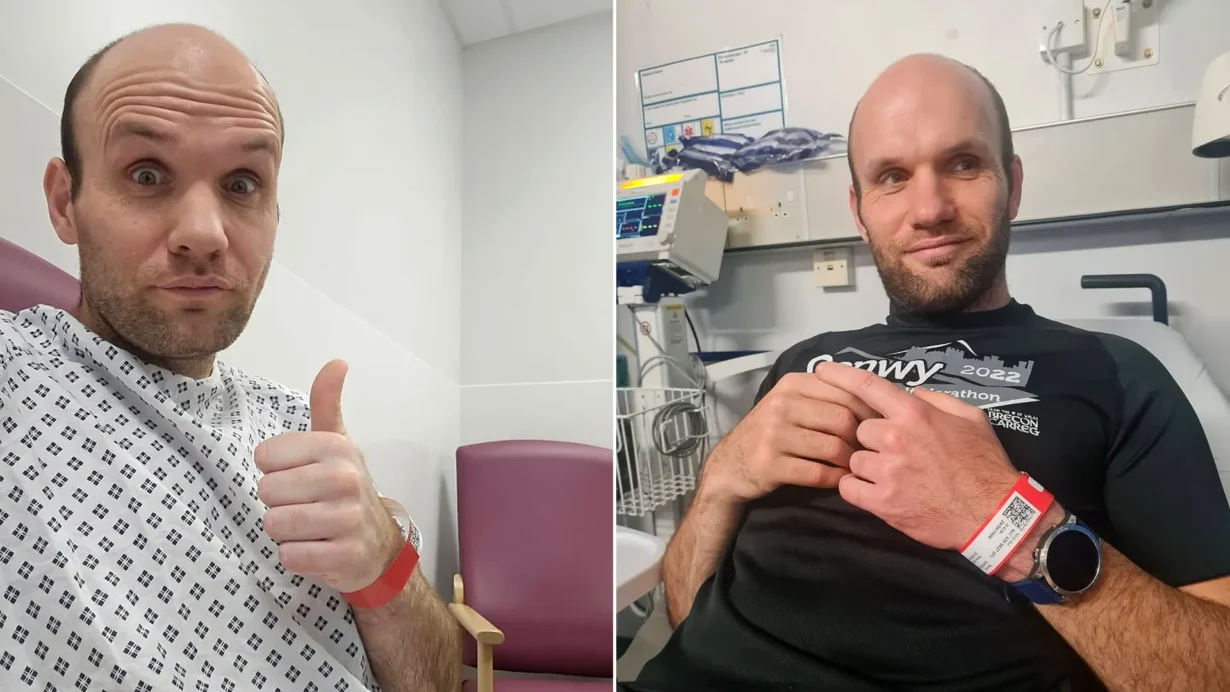

Wayne Davies could wake up feeling fine.
Then he’d check his watch and decide he wasn’t.
For years, the 40-year-old let a Garmin on his wrist tell him how he’d slept, whether he’d recovered and whether he’d earned the right to feel good about himself.
It cost him his sleep and, he says, very nearly his life.
“It got to the point where I felt like a prisoner to my watch,” the external sales rep, from Powys, Wales, told Creatorzine.
From weekend runner to ultramarathon obsessive
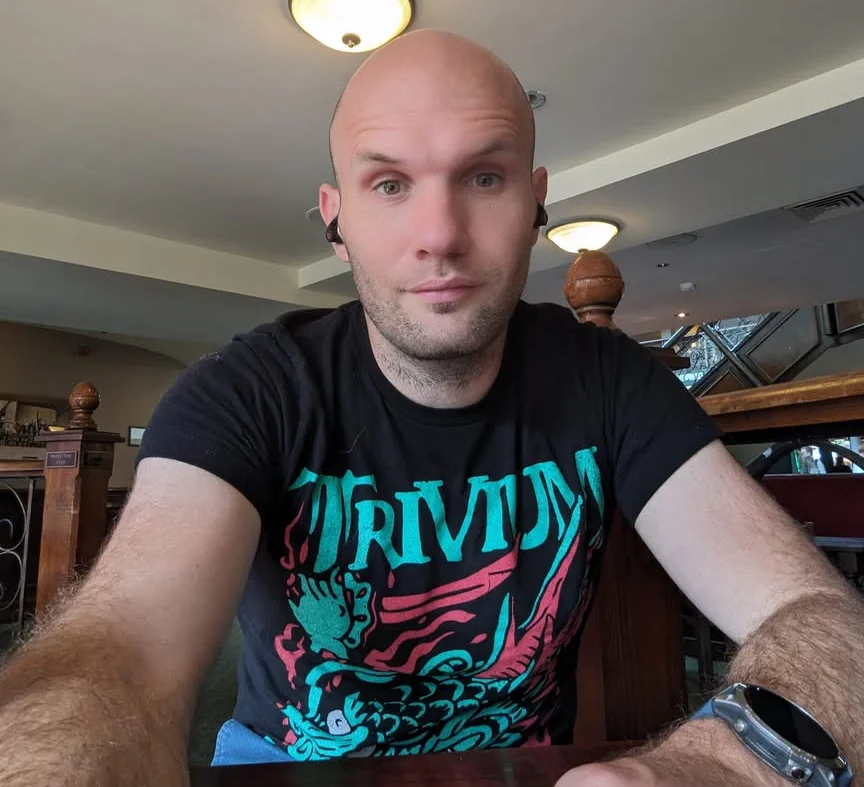
Wayne took up running about a decade ago to get fit and give himself a challenge.
“I enjoyed seeing what I was capable of,” he said.
“Over time, though, it became about much more than simply enjoying running. The more progress I made, the more I wanted.”
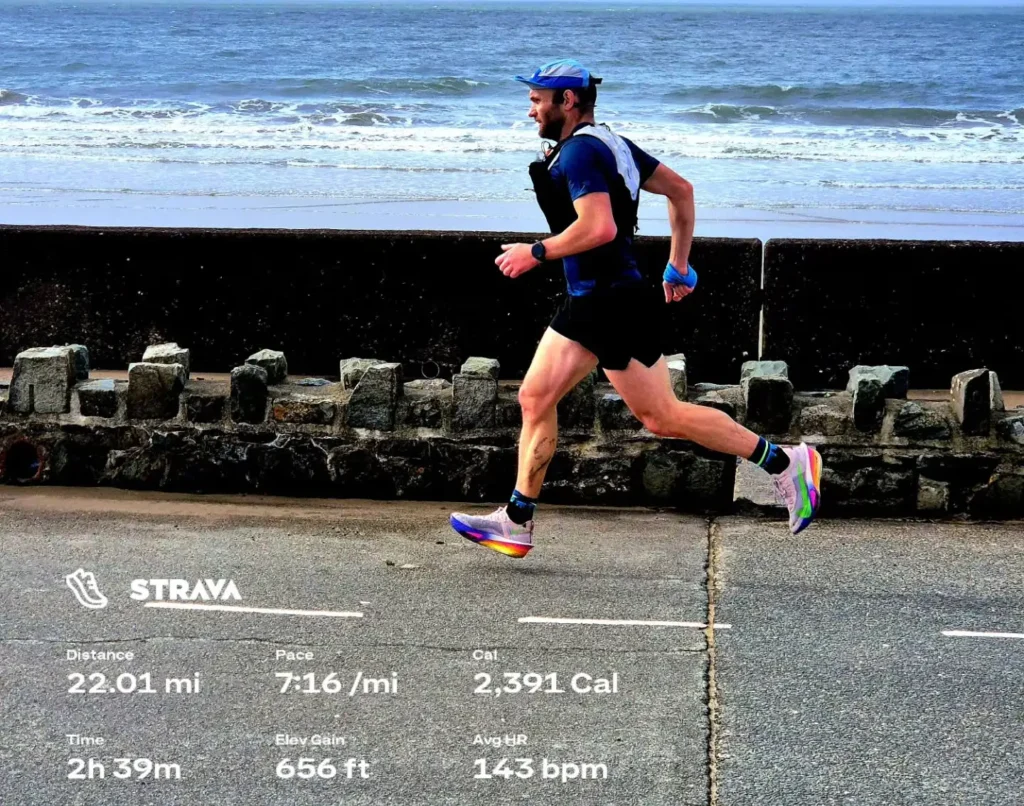
He worked his way up from 5Ks to marathons, then ultramarathons, mountain races and fell runs.
Strava turned every other runner into a rival.

“If somebody ran a faster time than me, rather than being happy for them, I’d sometimes feel frustrated and immediately start thinking about how I could beat them,” he said.
“It even got to the point where I’d feel embarrassed if somebody beat me at a local race.”
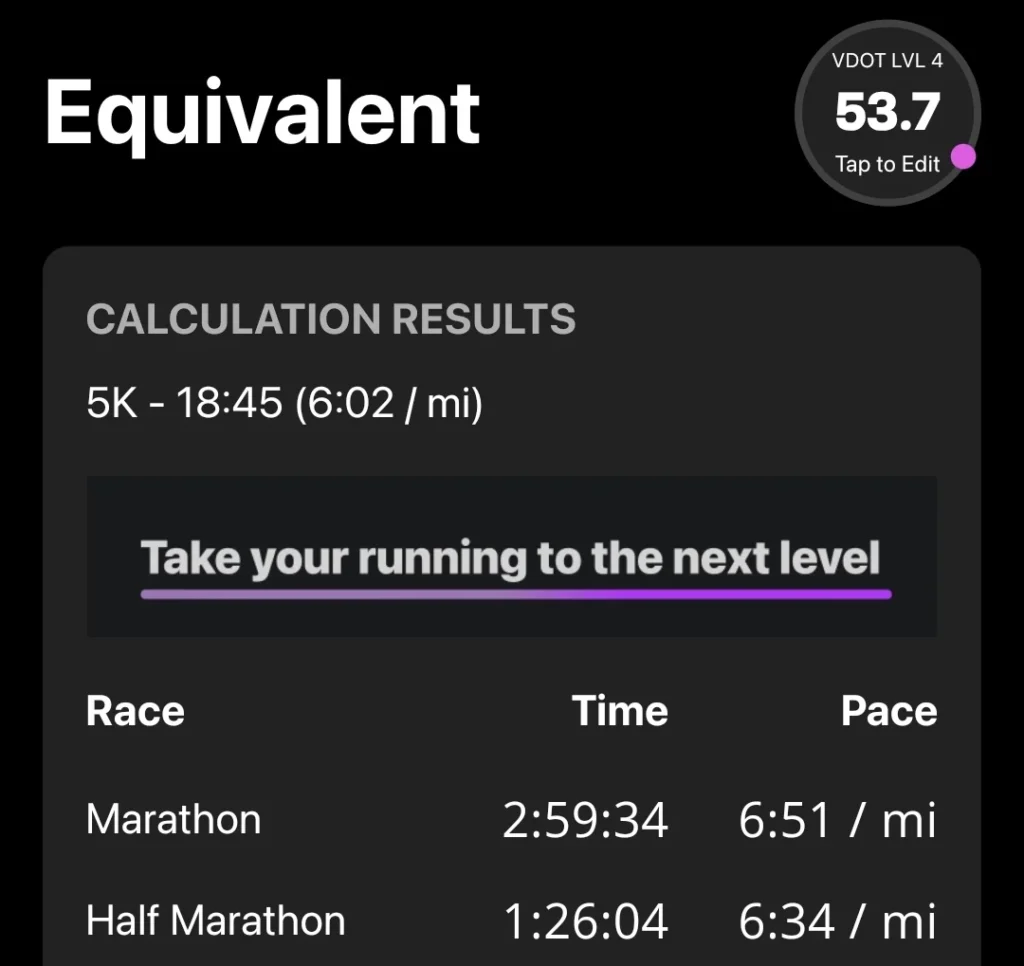
The numbers took over. Heart rate, pace, thresholds.
Every session became something to measure and judge himself against.
“I could finish a session that most people would be delighted with and still find something to criticise,” he said.
“The goalposts would keep moving.”
When a sleep score knows you better than you do
His mornings started with the watch. If his sleep score came back poor, the day went with it.
“The ridiculous thing was that I could wake up feeling absolutely fine, but if my watch told me I’d slept badly, I’d start questioning how I actually felt,” he said.
“It was almost as though a number on my wrist had more authority over how I felt than my own body did.”
Nights brought no relief. Wayne lay awake thinking about the next session, whether he’d done enough, whether skipping a run meant losing fitness.
He struggled to switch off around friends and family too.
“Looking back, it’s quite frightening how much control I’d given a piece of technology over my thoughts and emotions,” he said.
The addiction everyone applauds
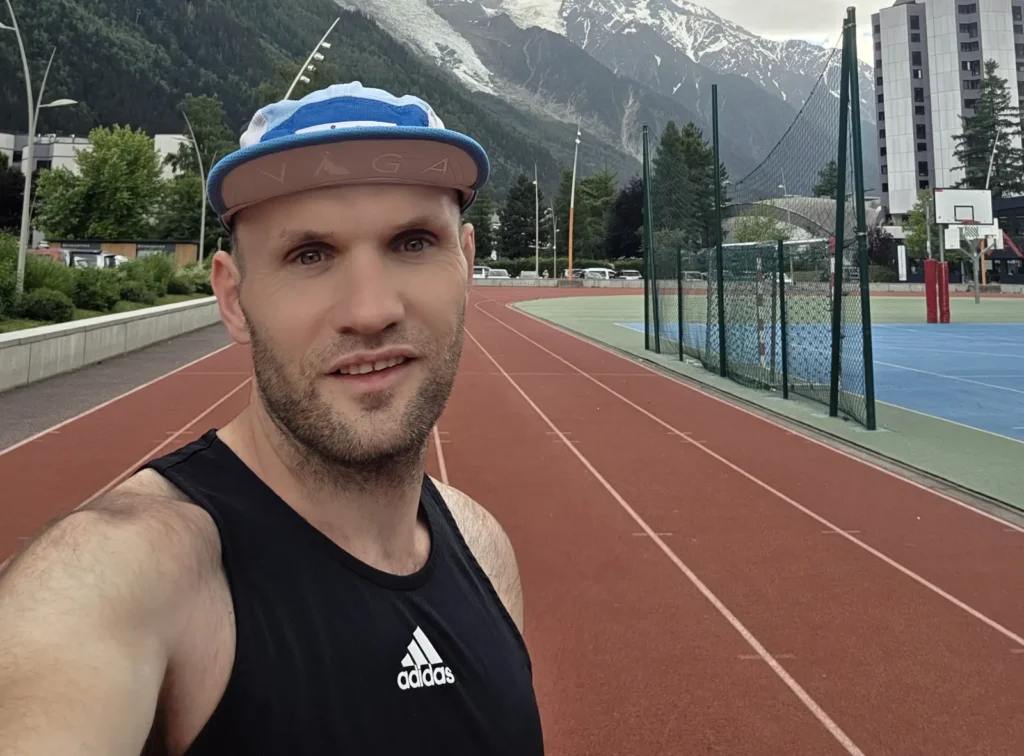
Nobody staged an intervention. Why would they? He looked like the fittest man in the room.
“I think the difficult thing about fitness addiction is that it’s praised by other people,” Wayne said.
“Discipline, dedication and pushing yourself are seen as positive qualities, especially in sport.
But people don’t necessarily see the anxiety, guilt and pressure that sits behind this.”
A heart out of rhythm
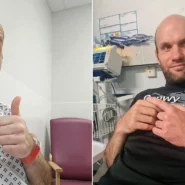
In September 2024, his heart went into an irregularly high rhythm while he was out running.
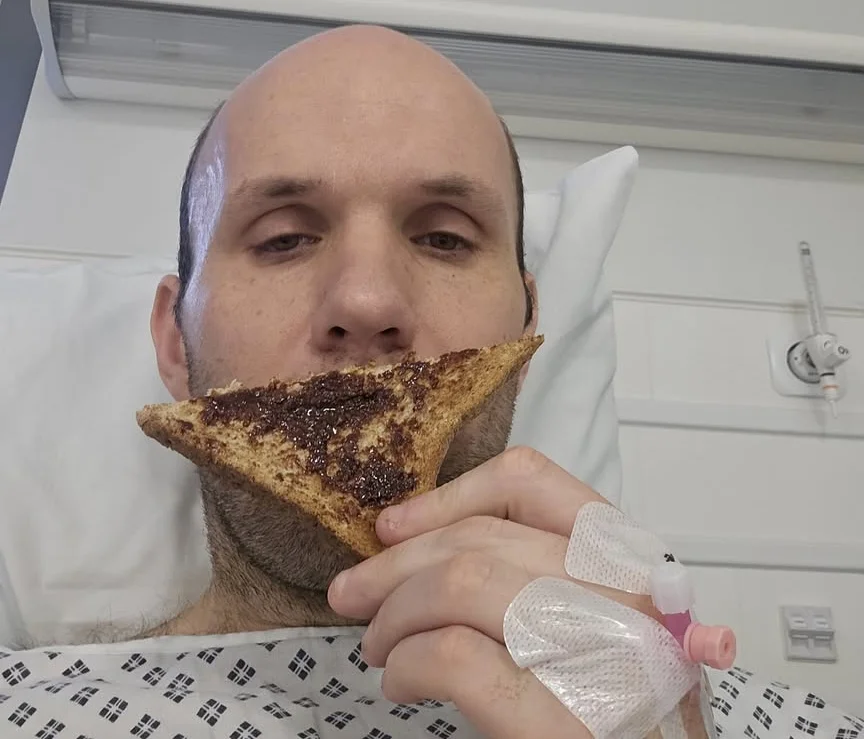
Doctors performed a cardioversion to reset it.
The timing stung. He thought he was at his peak.
Wayne tried to step back from the data afterwards. Instead, fear made him check it more.
This month, his heart lost its rhythm again, pushing him into what he describes as a difficult decision.
He has since sought help through his GP and the SilverCloud Space from Anxiety programme.
“I had to recognise this wasn’t simply a case of needing more discipline – that’s part of what got me in trouble,” he said.
“The hardest part was recognising that something I loved was contributing to my worsening health.
I had to learn that my worth as a person wasn’t determined by my running performance.”
He’s careful not to blame running for everything.
“But my relationship with running certainly added pressure when I needed to be looking after myself.”
He’s far from alone
Researchers at the University of Wollongong in Australia found that 83 of 172 people using smartwatches to track their heart rate reported increased anxiety about their stats.
Google searches for terms such as “exercise addiction” have jumped 143%, according to figures reported by Forbes.
A 2023 paper in the journal Dialogues in Clinical Neuroscience found more than 15% of marathon runners are at risk of addiction.
Why It Matters
Editorial analysis
Wayne isn’t a creator, but he lived like one.
Public leaderboards, kudos from strangers, a dashboard that grades you every morning.
Anyone who refreshes their analytics before getting out of bed will recognise the pattern, and fitness creators who post their splits and sleep scores sell that same mindset to millions of followers.
Wearable brands and training apps now sit at the centre of fitness content online, and the pressure to perform runs both ways: on the person wearing the watch, and on the audience watching them.
What comes next

Wayne still runs. He still wears the watch.
“My watch can still be useful, but I don’t feel as though I need it to tell me whether I’ve had a good run or whether I’m allowed to feel good about myself,” he said.
His advice stretches beyond running.
“If something that used to make you happy is now causing you anxiety, guilt or pressure, it’s worth taking a step back and being honest with yourself.
That applies to running, the gym, work or anything else that starts taking over your life.”
“For a long time, I thought pushing harder was the answer.”
He’s still working out what replaces it.