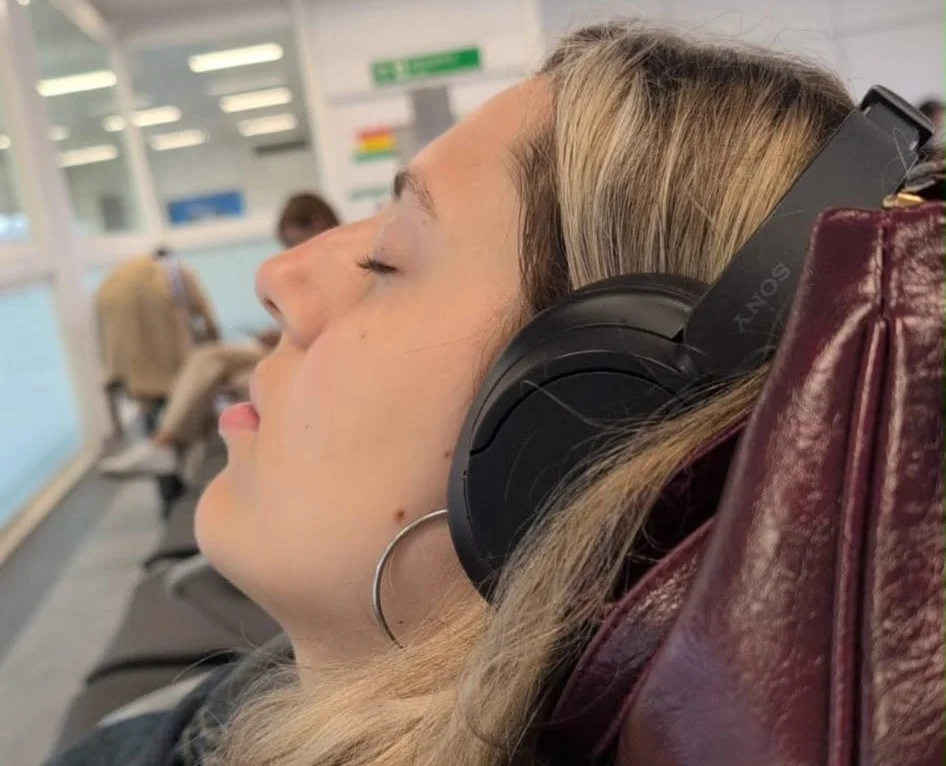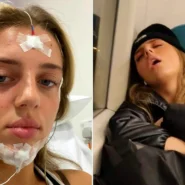


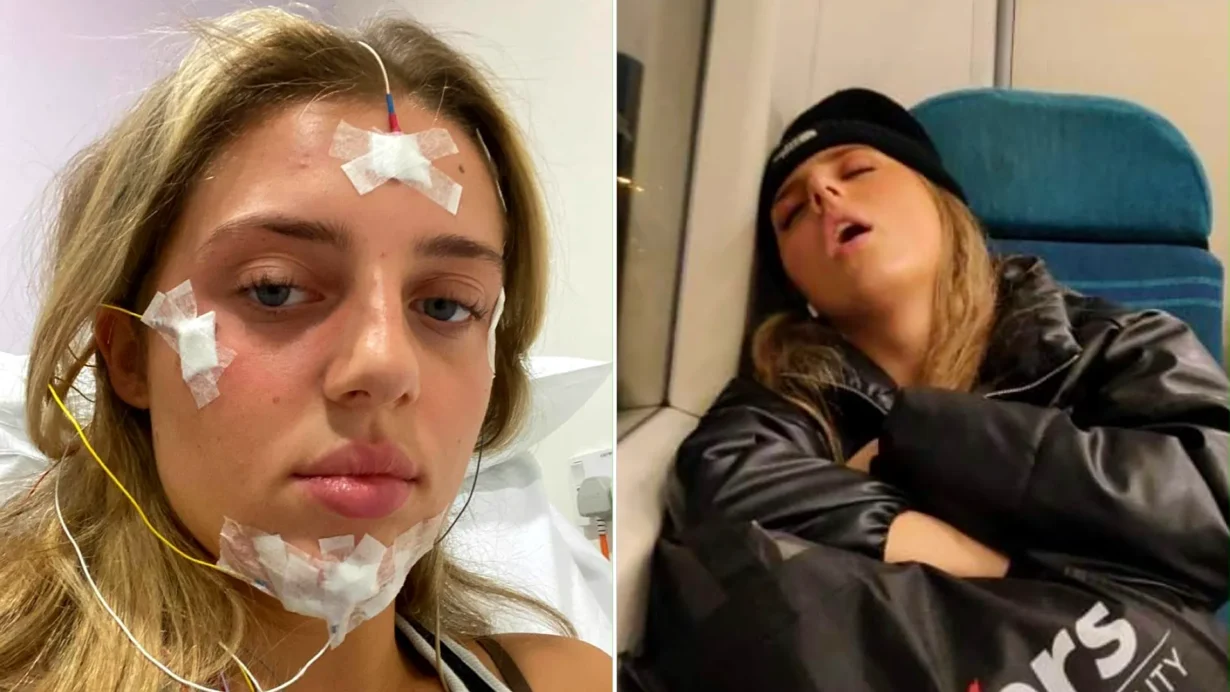

Charlie Balloqui has slept on the toilet for hours, on a lilo in a swimming pool and through her GCSE exams.
Twice, she has woken up to smoke alarms with food still in the oven.
The 23-year-old from Portsmouth has type 1 narcolepsy, a condition that floods her with sleepiness and muscle weakness she can’t control.
It can also drop her to the floor, fully conscious but unable to move or speak.
Plenty of people, she says, still treat it as a joke.
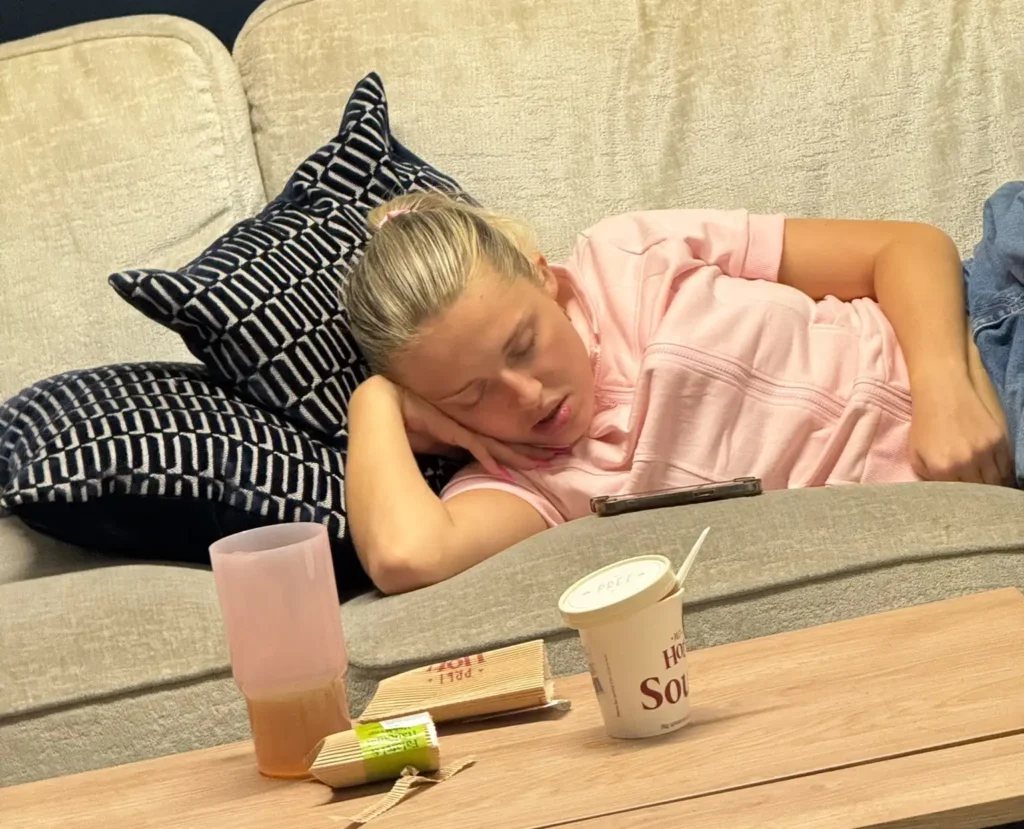
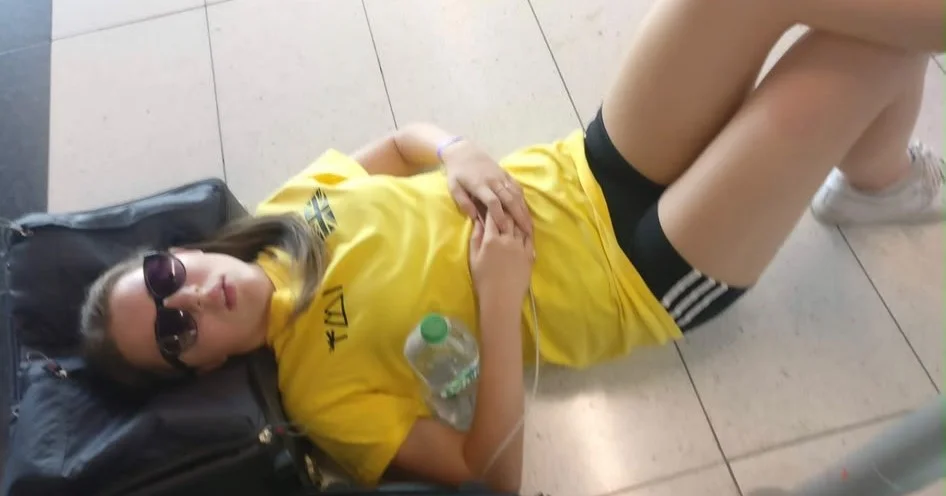
“I fall asleep in the nail salon, in the dentist, on public transport, in workout classes, on first dates, at restaurants and at my desk at work,” Charlie told Creatorzine.
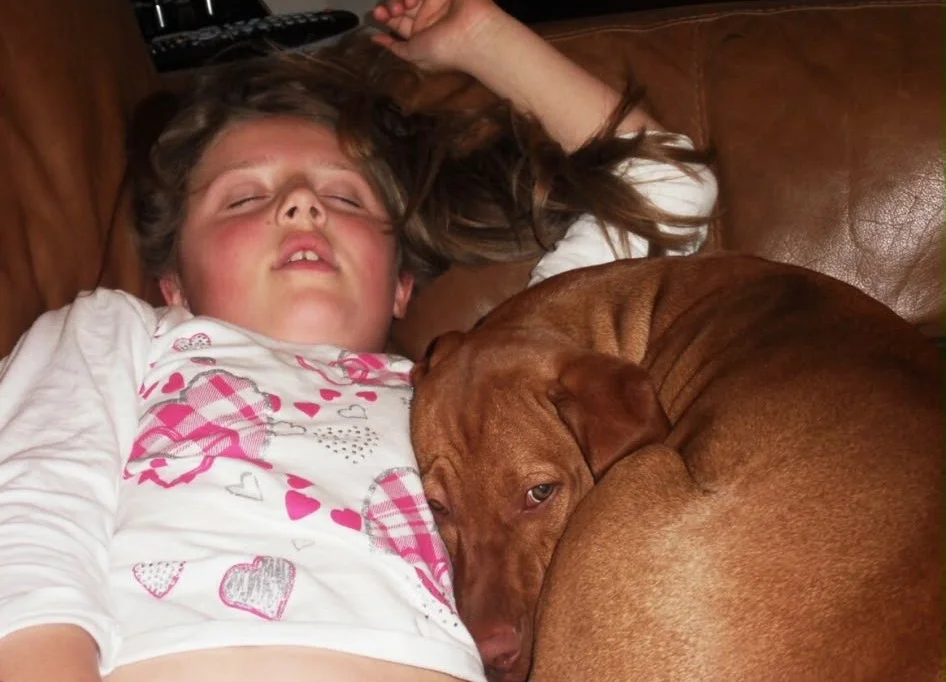
“I’ve fallen asleep in some dangerous places. The bath isn’t a great one, so my mum doesn’t like me taking baths.”
Shouted at on an empty bus
Strangers have not always been kind.
Charlie once slept on a bus all the way to the terminus.
“The bus driver came upstairs and started shouting at me to get off, calling me lazy and stupid,” she said.

“This really shook me as I didn’t know where I was and we were the only people on the bus.”
Colleagues have gone further. Charlie says people have accused her of faking it, with some reporting her to management at her current job running a dance studio.
‘Normal changes’ at 12
She first saw a doctor at 12, after she kept nodding off in class.
The verdict? Hormones.
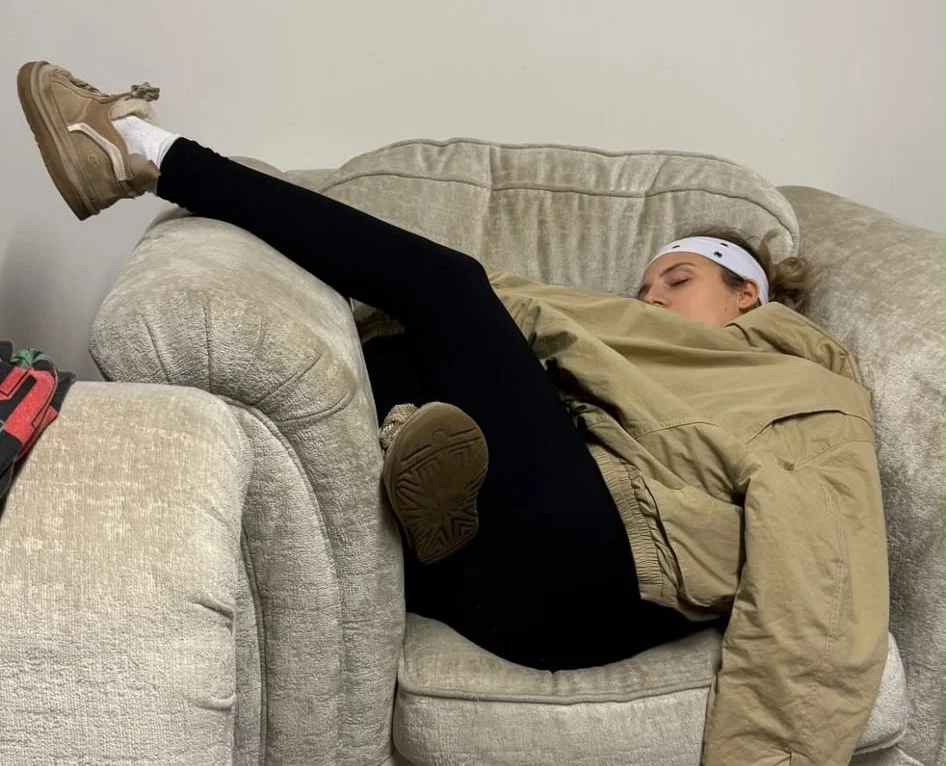
“I remember a doctor telling my mum that I was at the age where my hormones were changing and it’s normal to be tired,” she said.
“I was so embarrassed, as if I was being an annoying kid pretending something was wrong, and almost felt like I was wasting the doctor’s time.”
At school, classmates called her lazy. At home, so did her parents.
She became, in her words, “a sleepy person”, the girl who dozed off in cinemas, on car journeys and over dinner.
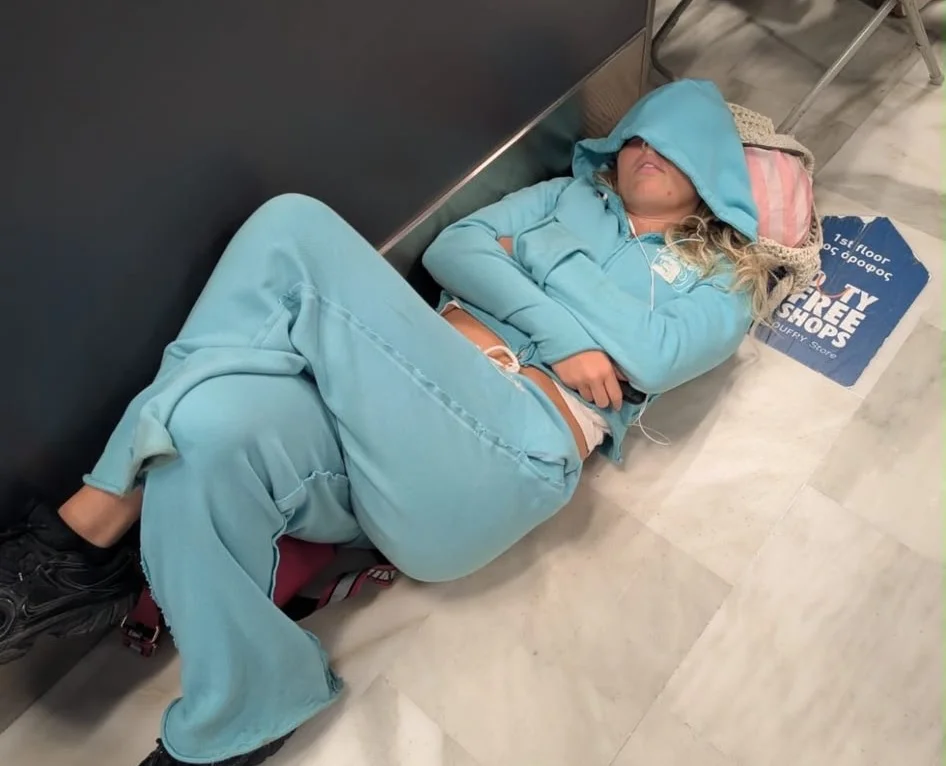
Her mum kept pushing doctors. Shortly before Charlie turned 18, they diagnosed type 1 narcolepsy.
“Being diagnosed was so refreshing, knowing I could tell people that I’m not lazy and I’m not dramatic,” she said.
Awake but unable to move
Charlie also has cataplexy, a sudden loss of muscle control that strong emotions such as laughter, shock or grief can trigger in people with type 1 narcolepsy.
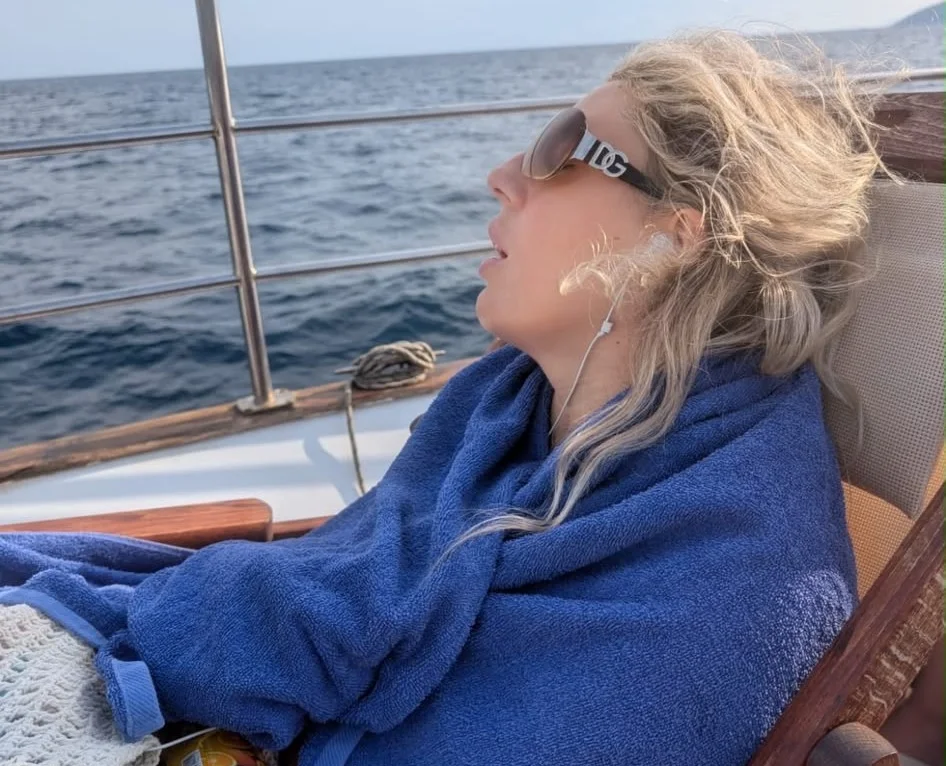
“When I was told a relative had passed, I dropped to the floor and couldn’t move, but I was awake and fully conscious,” she said.
“It lasted a couple of minutes; it was scary, but I knew it was fine because I’d felt muscle loss before.
I was at home, so it was ok but when I’m in public, it’s very scary.”
The warning signs come first. She feels cold. Her eyes get heavy.
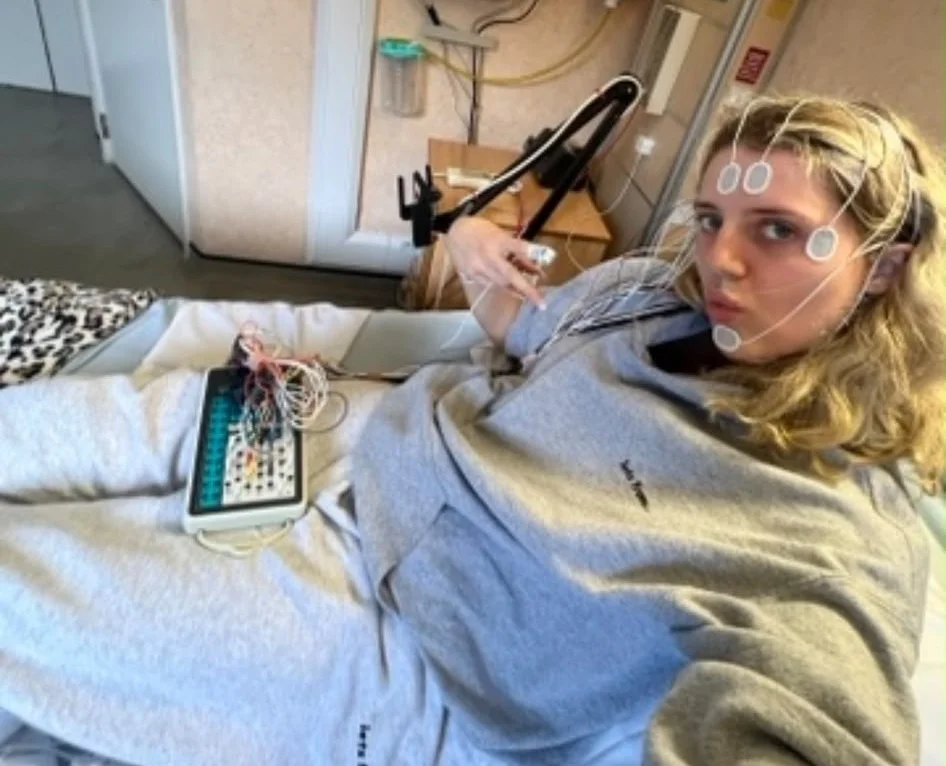
If she fights it, her brain starts to dream while she’s still awake.
“I start to hallucinate, and sometimes I’ve seen shapes or people that aren’t there because my brain is falling asleep,” she said.
“It’s a very strange feeling.”
She can’t legally drive. Any car journey sends her straight to sleep.
A sofa at work and a boyfriend who Googled

These days Charlie manages the dance studio three days a week and spends the rest auditioning.
Her bosses keep a sofa in the office for naps on hard days.
“I’ve hit the jackpot with my current employers and how much they look out for me and check in on me,” she said.
In previous jobs, she hid her condition, fearing it would cost her work or promotion.
Then there’s Patrick Asikaiwe, 25, whom she met two years ago.
“On our first date he had googled ‘how do I look after my girlfriend with narcolepsy and is there anything I should know’,” Charlie said.
“He showed me his Google history a few months after. We’ve been together ever since that first date.”
She stopped taking the stimulant methylphenidate this year and now leans on exercise to manage her symptoms. And jokes.
“I very much use humour to get through it. Some people might think that’s unhealthy, but I really do live by ‘if you don’t laugh, you’ll cry’,” she said.
Why It Matters
Charlie’s story lands at a moment when chronic illness and invisible disability have become some of the most-watched content online, much of it posted by people who spent years being told they were exaggerating.

Her account of a six-year wait for diagnosis is a familiar one for anyone working in that space, and her experience of hiding it from employers is the part audiences tend to recognise most.
Workplace flexibility for disabled staff remains patchy, and the gap between a sofa in the office and a manager taking complaints about “laziness” is still largely down to luck.
Charlie credits narcolepsy with pushing her out of a desk job and towards the stage.
“In a way, I’m grateful for it,” she said. The auditions continue.
READ MORE: I’m a cancer doctor and I eat frozen peas from a wine glass – one viewer thought it was PET food