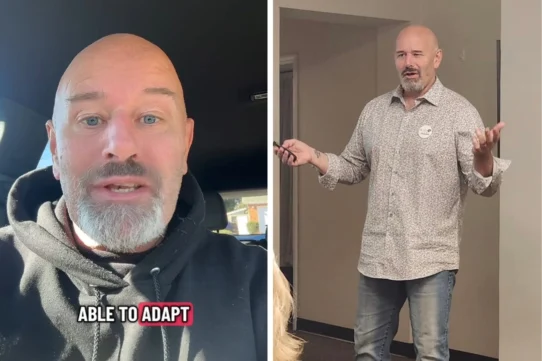

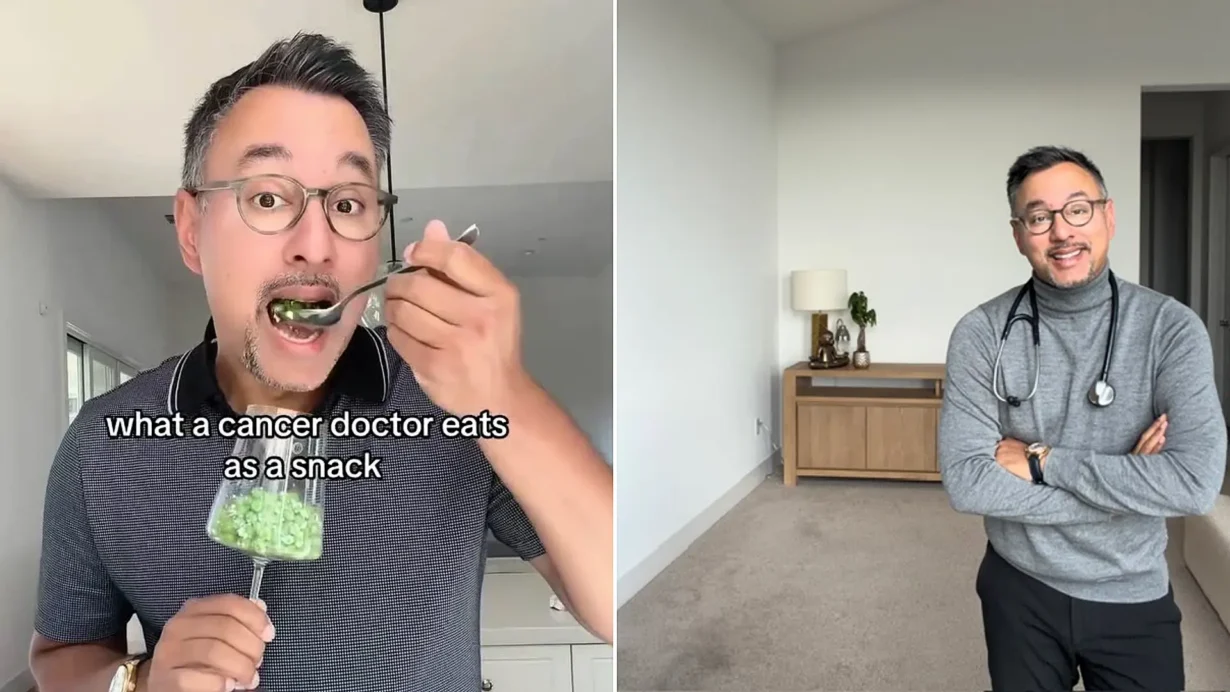

Dr Amit Garg eats frozen peas cold, from a wine glass, with Parmesan, butter and a pinch of salt.
He is a cancer doctor. He would like everyone to calm down.
The 45-year-old’s snack routine went viral after he posted it online, pulling in close to 30,000 responses from people who had strong feelings about a vegetable most of them keep at the back of the freezer for emergencies.
READ MORE: I shaved my bikini line like always – then doctors told me one more day would have KILLED me
The wine glass is doing a lot of work
Garg eats peas three ways. Cold in stemware with cheese and butter, mashed into a dip and spread on bread, or blitzed with Greek yogurt, feta, mint and olive oil.
The butter habit does not stop at greens. He adds it to prunes too, which is where a chunk of the audience got off the bus.
“Way too many calories for that dessert! 4 prunes are 100 calories,” one commenter wrote under the prune video.
“Prunes in butter what??” asked Coddie.
Frozen is not the downgrade you think it is
The doctor, who has 63,000 followers, is unmoved.
“Studies show similar nutrition with fresh and frozen peas in terms of protein, fibre, vitamin C, folate, and the B vitamins,” he told Creatorzine.
“Frozen veggies are a great alternative and last longer.”
On the butter, the nutritional case is softer but not absurd. It carries saturated fat and can push cholesterol up, and olive oil would do the same job with less of that. It also makes vegetables taste good enough that people who avoid greens will actually eat them.
The comments section held nothing back
“Nooo not peas,” said one woman.
“I thought this was for a pet,” said someone else.
“Aaargh! Peas are one of the few veggies I just don’t like,” another added.
Others converted on the spot.
“After I saw this last week I went out and bought peas. Couldn’t stop thinking about it. Yummy!” one wrote.
“Nice touch out of the wine glass. Presentation is everything,” said another.
“My English husband approves,” added someone else.
Why the peas exist at all
Garg’s other snacks are less controversial. Nuts, Greek yogurt, berries, apples, hummus, cucumber.
The reason he posts them at all comes from his day job, and from what he watches spread online in the meantime.
“I see misinformation online, foods supposedly ‘feeding’ cancer, restrictive diets, detoxes, or one ingredient being marketed as preventing cancer,” he said.
“Nutrition just isn’t that simple.
“Remember, you don’t have to be perfect. Focus on long term habits.”
His general advice runs to adequate protein, fruit and vegetables, whole grains, legumes and nuts, with highly processed foods kept down.
He says a high-fibre diet has been linked to lower colorectal cancer risk.
Why It Matters
Doctors building audiences online are increasingly competing with the exact content they are trying to correct, and dry advice loses that fight every time.
A wine glass full of frozen peas is a delivery mechanism.
The nutrition messaging arrives attached to something odd enough to make people stop scrolling, which is the whole trick, and the reason medical creators keep leaning into format gimmicks rather than fixing the information deficit head on.
Health creators have spent the past two years shifting from explainer videos to habit content, showing what they personally eat rather than lecturing about what anyone should.
It travels further and it is harder to argue with.
Garg’s pea content is now a recurring bit, and the audience has split into people buying frozen peas and people who think he is feeding a hamster.
Watch whether the prune videos survive the calorie-counting wing of his comments section.