



Charlotte Webborn was leaving the house at 7am, still on her laptop after the kids were in bed, and spending her evenings too drained to be present for her own children.
She taught maths for eight years. She will not be going back.
“You’re giving everything to other people’s children and then you’ve got nothing left for your own,” the 33-year-old from Swansea said. “I hated that.”
“It stops being about teaching”
The job Charlotte trained for had, she says, quietly become a different job entirely. Paperwork. Inspections.
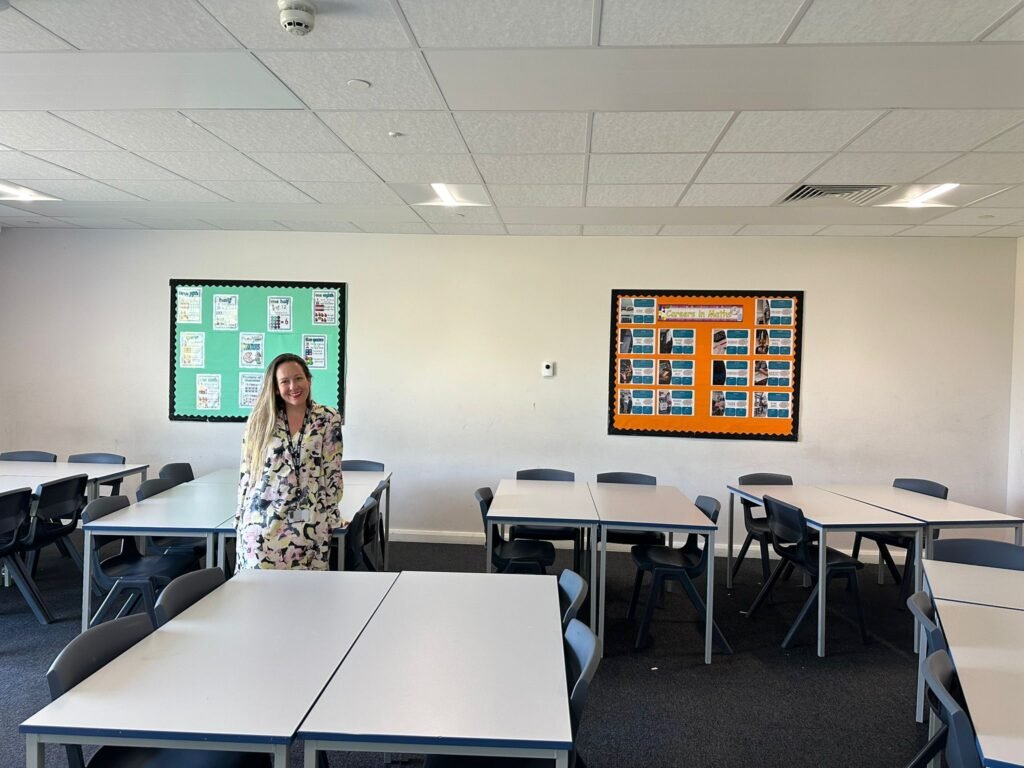
Planning hours spent sitting in school because working from home wasn’t considered professional enough.
A 40-minute commute each way. And classrooms that had changed significantly since Covid.
“Behaviour has definitely got worse,” she said.
“There was just constant low-level disruption. More time was spent managing behaviour than actually teaching.
I was arguing with pupils over basic things — going to the toilet, drinking water. You’re firefighting all day.”
The evenings offered no real break. She’d come home drained, open the laptop, and start again.
“It never really stopped.”
By January last year, something gave.
“I just knew I didn’t want to feel that exhausted anymore. The role felt increasingly inflexible, and I found that I was bringing the stress home with me.”
“They’ve got a mum who is actually there”
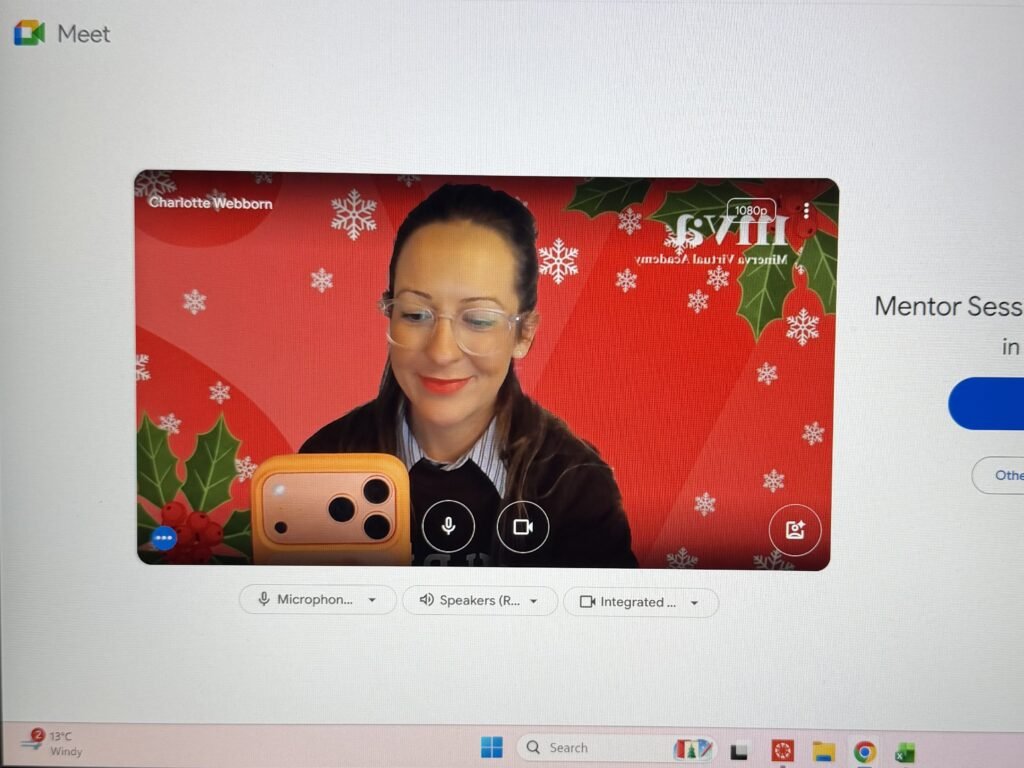
Charlotte found online school Minerva Virtual Academy and joined in 2025 as a maths teacher and mentor.
She works from home. She structures her own day. She does the school run.
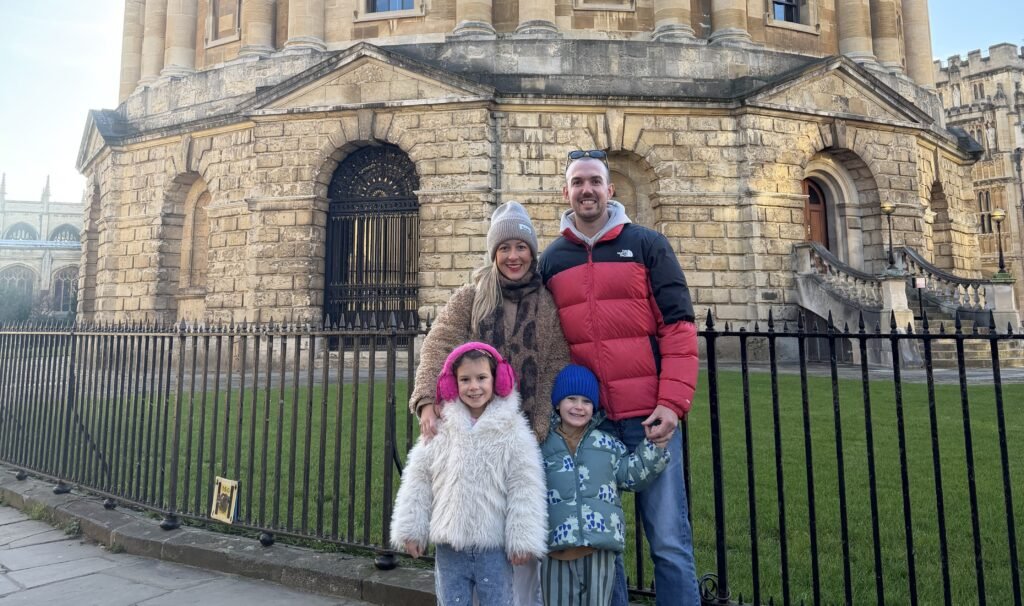
“I can go to a gym class before my children wake up, come home to give them breakfast, walk them to school, and still be ready to start teaching by 9am,” she said.
The change in her has been visible to everyone around her.
“I’m not exhausted anymore. I’ve got energy and I haven’t felt overly stressed for a year now. My husband says it’s changed all of our lives.
I’m more present at home and I’m not snapping at the kids because I’m drained. They’ve got a mum who is actually there.”
She isn’t the only one who reached this point.
A study commissioned by Minerva Virtual Academy found that 74% of teachers say they have considered leaving the profession due to burnout.
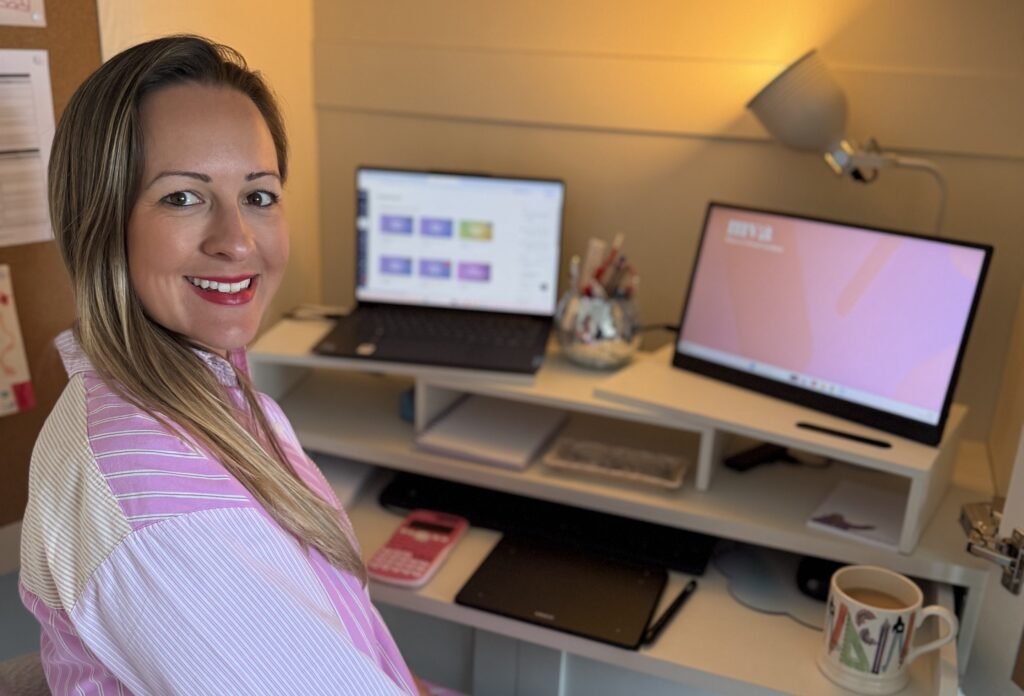
Charlotte got there before most of them stopped considering it.
Why it matters
Teacher retention is in serious trouble. The profession is losing experienced staff not to better-paid industries but to exhaustion — people who still want to teach, just not like this.
Charlotte’s solution, online education, isn’t available to every burnt-out teacher, but her account of what pushed her out of the classroom is one that resonates well beyond her own situation.
The workload, the behaviour, the feeling of not being trusted as a professional. She didn’t leave teaching.

She left a system that had made teaching almost incidental to the job.
The classroom disruption she describes, the paperwork, the inspections — none of that is going away.
Which means the 74% figure probably isn’t either.