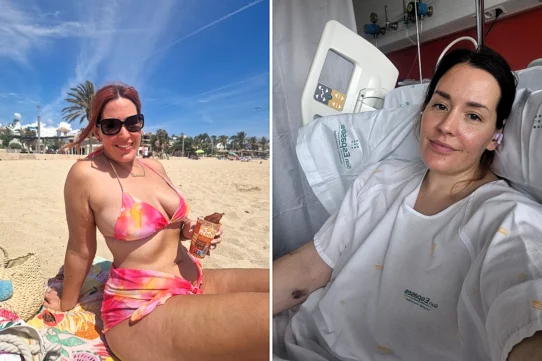
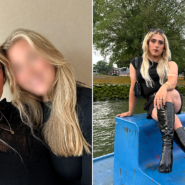
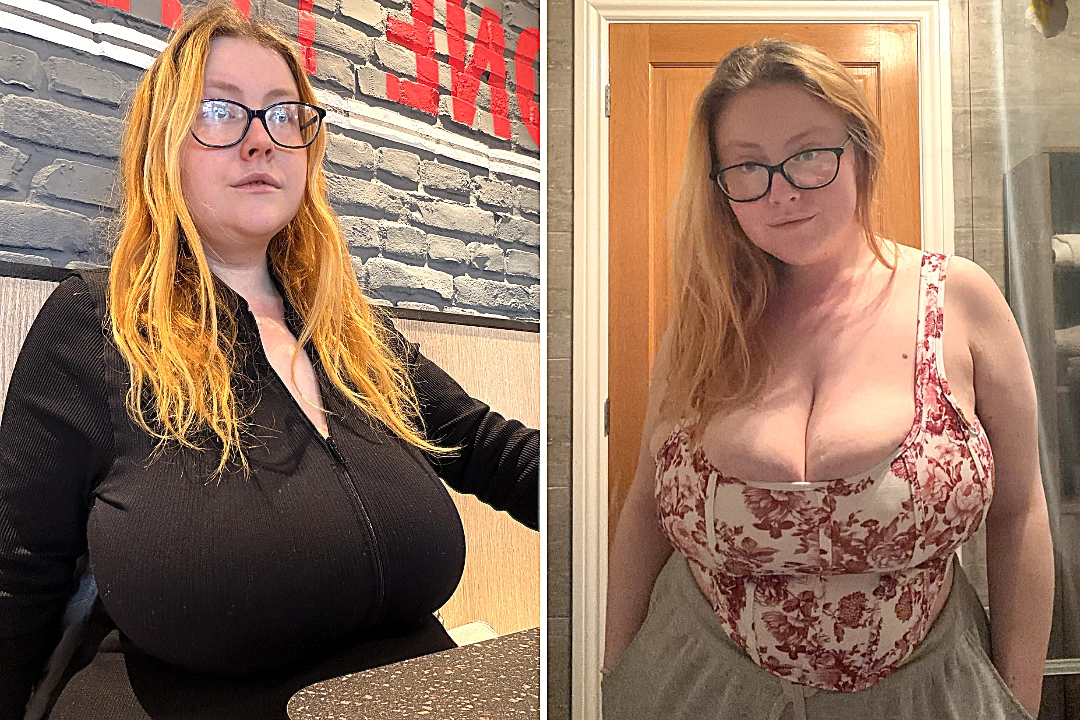

Tianna Moon is running out of alphabet.
The 30-year-old from East Anglia was a 38M cup last year.
She’s now a 32OO and climbing, after being diagnosed with gigantomastia — a rare condition where breast tissue grows rapidly and doesn’t stop.
Tianna found out she had the condition in July 2025, almost by accident.
She had been taking Mounjaro, the weight-loss injection, when her chest began growing at a rate that made it clear something medical was happening. The diagnosis followed.
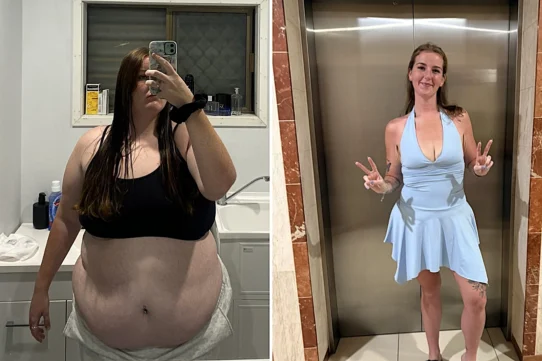
Since then, she underwent gastric sleeve surgery in November to lose weight.
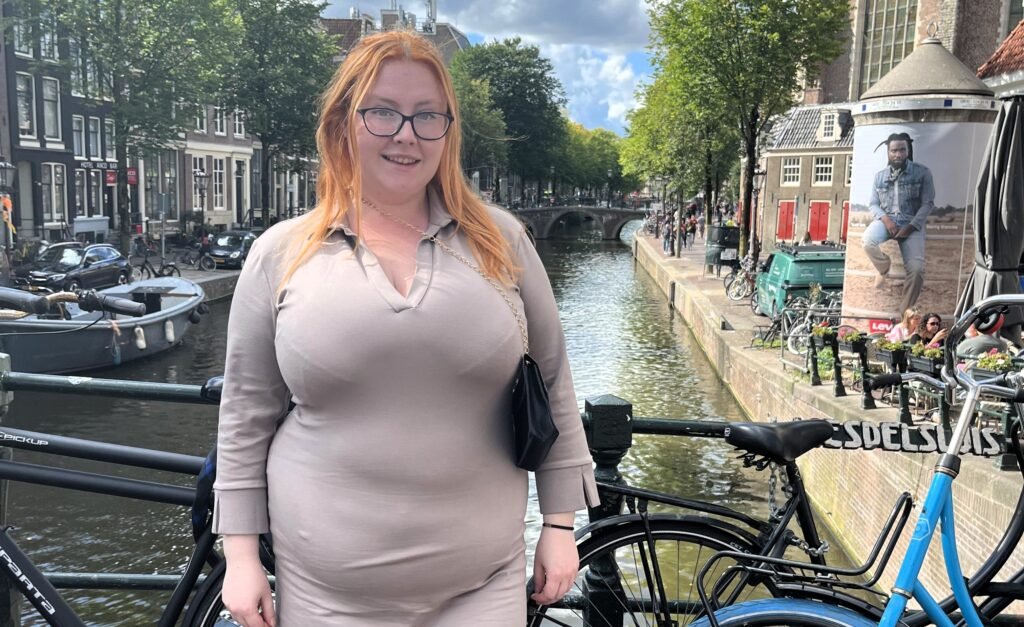
Her breasts got bigger anyway.
The combined weight of her breast tissue is estimated at around four stone.
A significant proportion of whatever the scales say is, essentially, chest.
“My breasts are much bigger than those claiming the title,” she told Creatorzine.
“I’m running out of alphabet at this point.”
She is specific about her claim. Melissa Ashcroft has previously described herself as having Britain’s biggest breasts at a 34M cup.
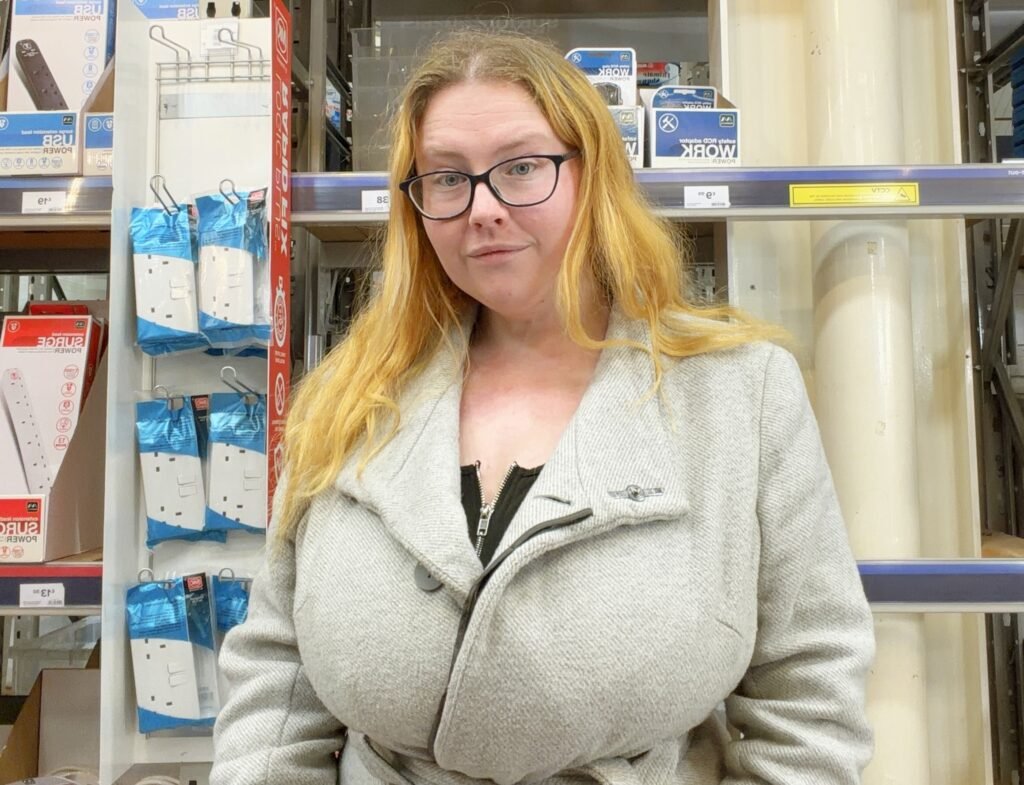
The UK’s largest recorded size belongs to Summer Roberts at 30M.
Tianna’s 32OO is larger than both — and she’s not finished.
“I am genuine, unlike a lot of other people claiming the title,” she said.
“Many of those who claim to have the biggest breasts involve cosmetic enhancement or rely on US bra sizing alone. My situation is different as my chest growth is entirely natural.
I just let my boobs do what they want. Although I do hope they stop at some point.”
The reality of living with it
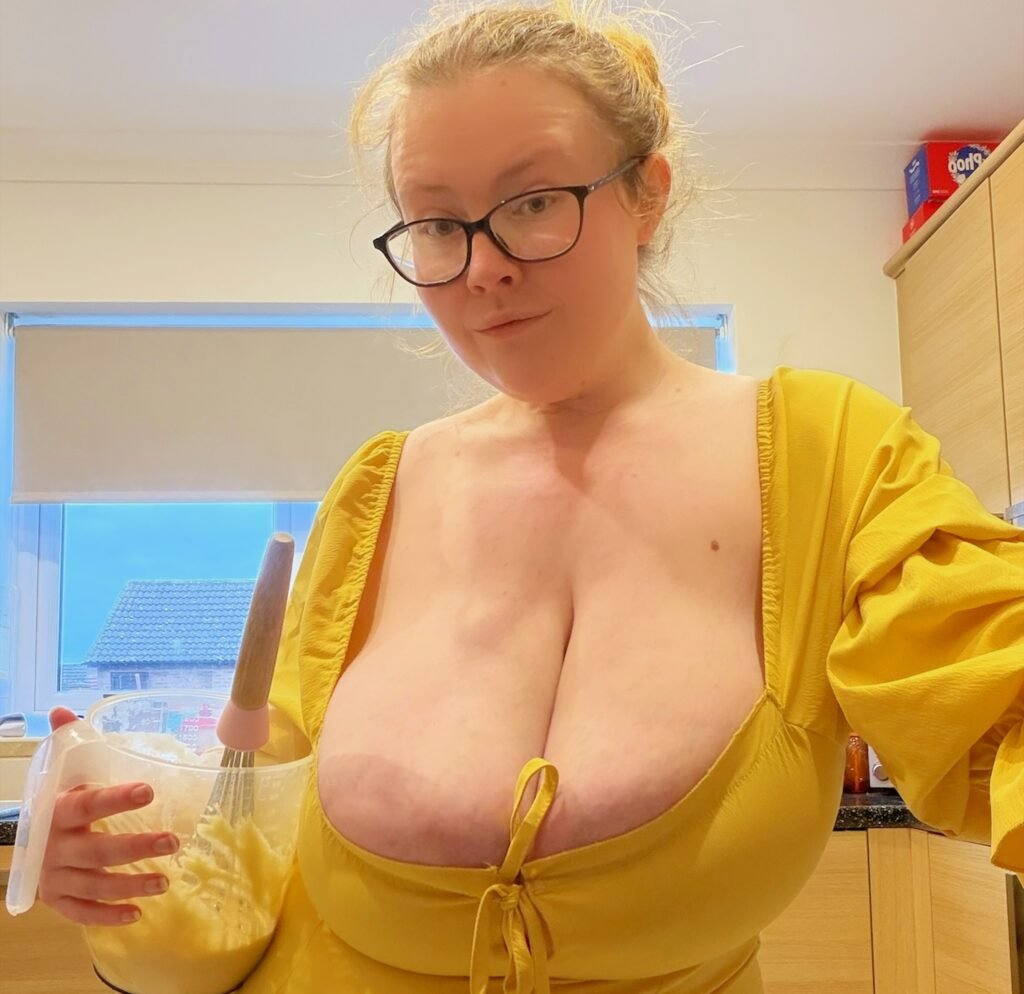
Gigantomastia is not a cosmetic condition. It is a medical one, and Tianna is clear-eyed about the daily consequences.
The weight causes constant back and shoulder pain.
Exercise is complicated — running and jumping carry the specific risk of being hit in the face by her own chest.
She rarely wears a bra because UK manufacturers stop at M-cup, and wearing the wrong size causes pain significant enough to break underwire clean in half.
“The weight causes ongoing back and shoulder pain,” she said.
“Exercise can be difficult as they take up pretty much all my front. Even finding clothes that fit properly can be a challenge.”
Sleep brings its own problems. She can’t lie on her back.
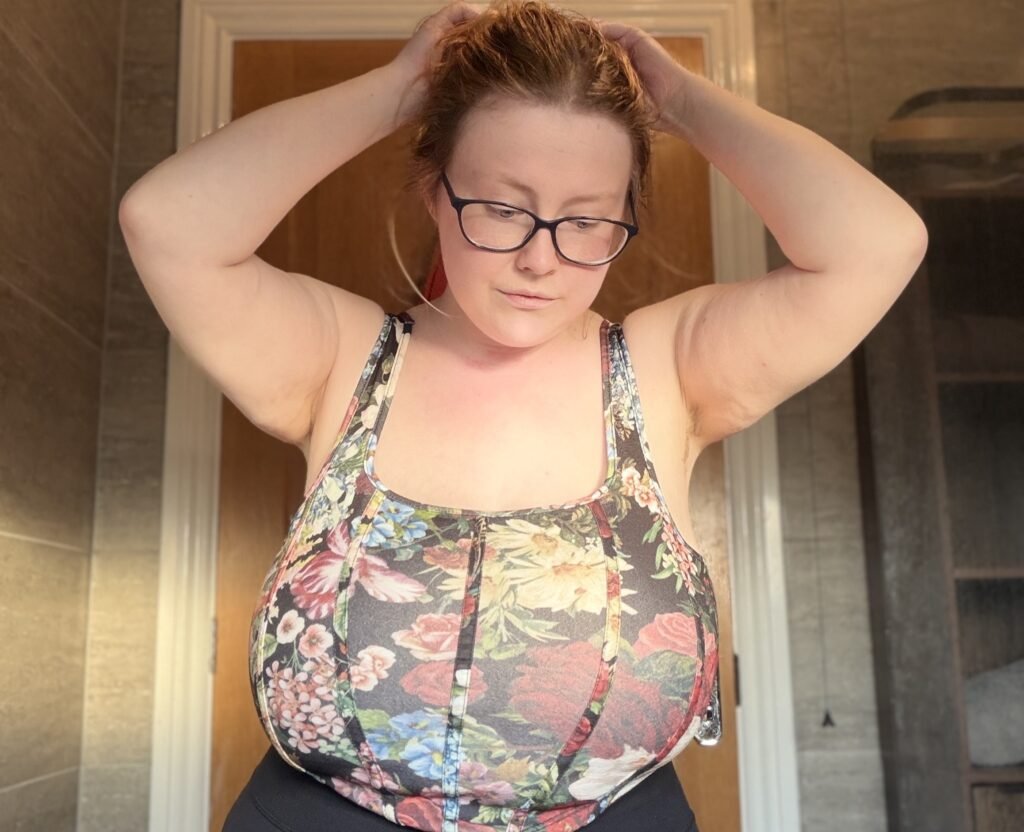
She occasionally wakes herself up by rolling onto her chest in the night.
The condition has not, she notes, affected her sex life.
She volunteers this unprompted, and it is the kind of detail that lands differently when the rest of the list is this heavy.
“If anybody is bigger than me, I’d love to meet them”
Tianna has been in a relationship for 15 years. She has found what she describes as a silver lining in the situation, though she is realistic about how uncertain the trajectory is.
“I do hope they stop at some point,” she said.
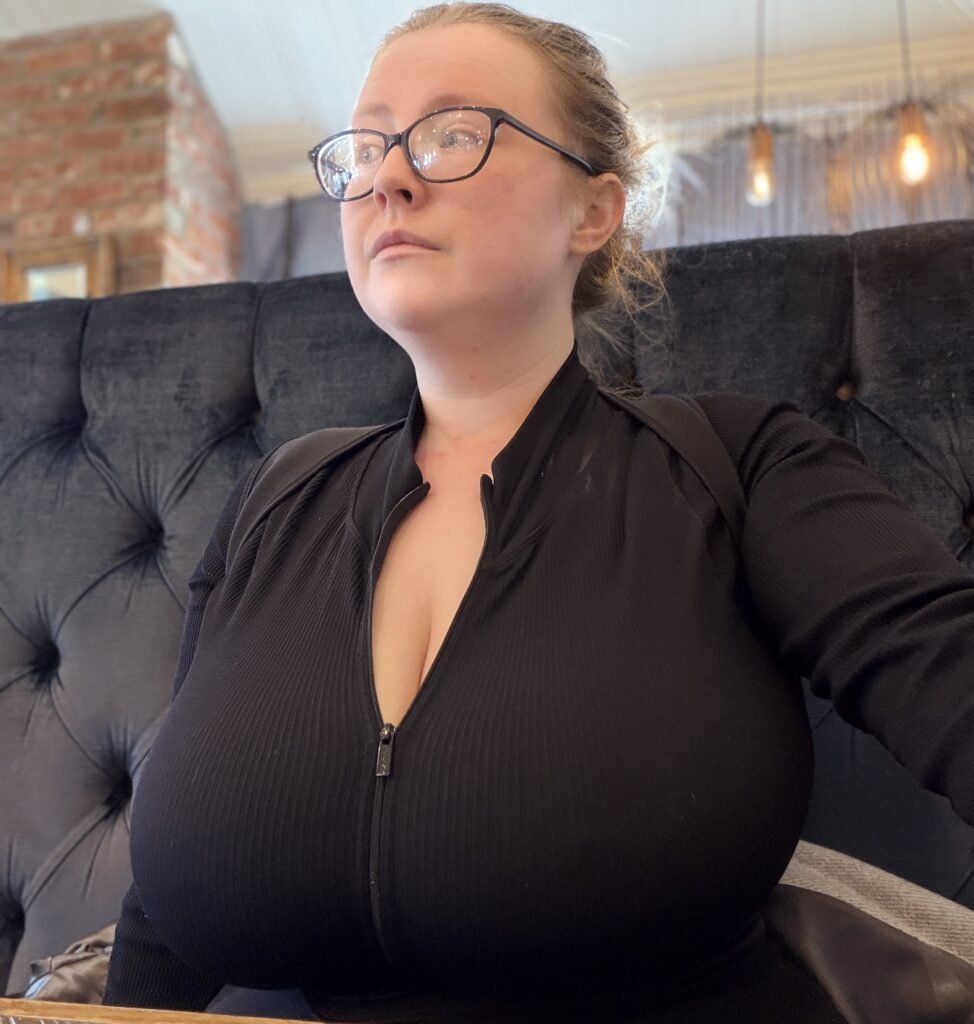
“If anybody is bigger than me, I’d love to meet them.”
Given she has moved three cup sizes in under a year, that invitation may need a standing update.
Why it matters
Gigantomastia affects a very small number of women globally and remains poorly understood in terms of triggers and progression.
Tianna’s case — accelerated apparently in the context of GLP-1 medication use, then continuing despite significant surgical weight loss — raises questions that aren’t currently well-answered in the literature.
For health and wellness creators, her willingness to document the condition publicly puts a human face on something that rarely gets discussed outside clinical settings.
The bra sizing issue alone — UK manufacturers cutting out at M-cup, leaving women with gigantomastia without functional support options — is a gap the industry has shown little urgency in addressing.
What’s next
Tianna is monitoring the growth and hoping for it to plateau.
What medical intervention looks like — if and when she pursues it — is the next chapter. For now, she is watching the alphabet shrink.
READ MORE: I’m a Harvard-trained doctor – eat eggs every day for two weeks and HERE’S what happens to your body