


Sarah Ruggins was in the Olympic pipeline for track and field when she was 15.
Then she was diagnosed with a neurological disease that took away the use of her limbs. She spent a decade largely immobile.
She didn’t learn to ride a bike until she was 35.
On 5 June, the 38-year-old will attempt to cycle 6,000km from the bottom of Europe to the top, faster than any person in history.
From wheelchair to world record holder
Ruggins, originally from Canada and now based in Gloucestershire, received her diagnosis as a teenager.
It ended her athletic career before it started.
“I lost the ability to really use my limbs,” she told Creatorzine.
“The hardest part of my illness was recognising that life doesn’t always turn out how we expect it to be. Growing up I was in the Olympic pipeline for track and field and I was diagnosed with a neurological disease that led to almost full body immobility.”
She went from an active athlete to a bed-bound teenager.
Ten years passed before she was cleared to return to sport.
She bought her first bike in her thirties and taught herself to ride it.
“Just because your life is different doesn’t mean it’s worse,” she said.
“I think as adults we rarely give ourselves permission to learn new things and so throwing yourself into something new as a beginner was terrifying. But it was the greatest gift I could’ve given myself.”
She is already a world record holder.
In May 2025, she cycled from Land’s End to John o’Groats and back in just over five days.
22 hours a day, 90 minutes of sleep
The European record currently belongs to Dr Ian Walker, who completed the continental crossing in 16 days, 20 hours and 59 minutes in 2019.
Ruggins wants to beat it convincingly.
The route covers 6,000km across nine countries with 30,000 metres of climbing.
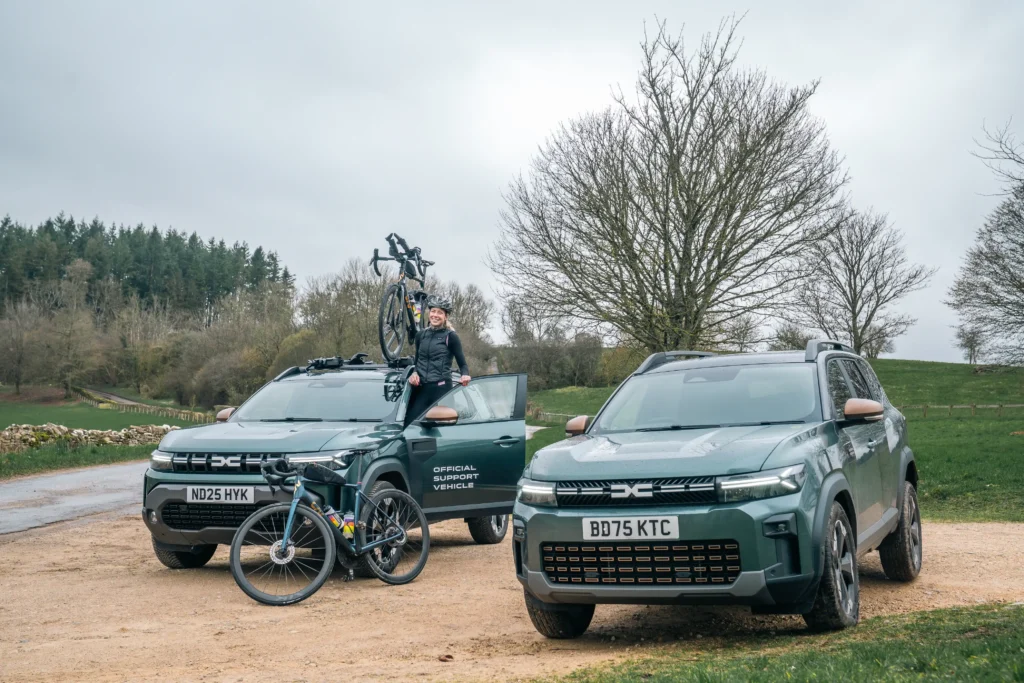
To break the record, she will need to ride for roughly 22 hours a day and survive on 90 minutes of sleep per night.
“I’m looking to be the fastest person in history to cycle across the European continent,” she said.
Ruggins is a PhD-qualified finance professional. She knows the numbers.
The training schedule to prepare for this has been, by her own account, excruciating.
The team keeping her awake
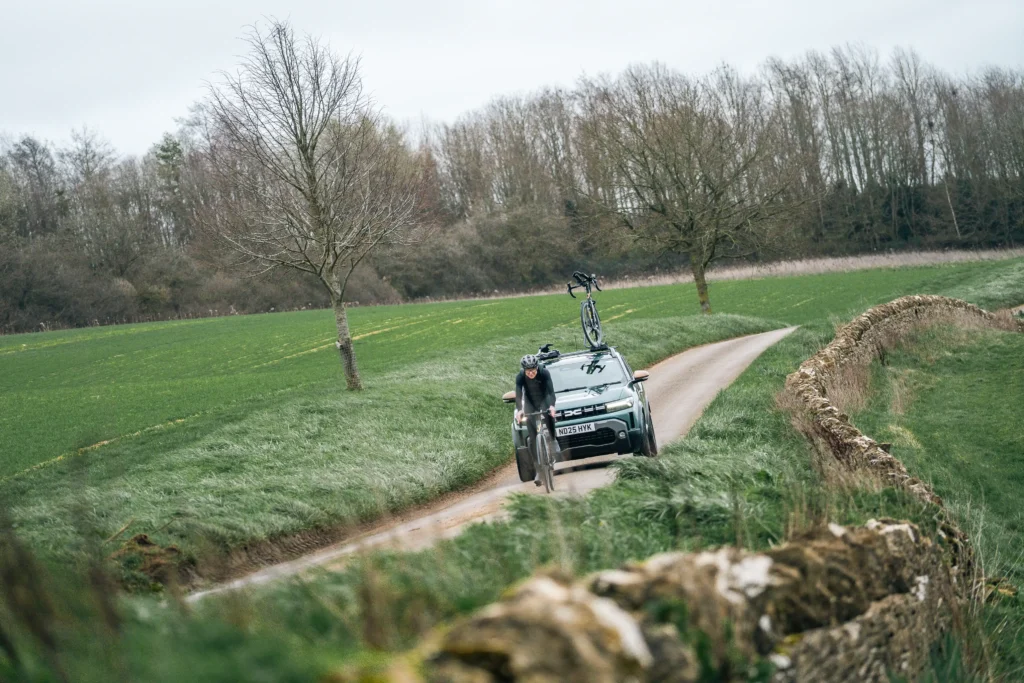
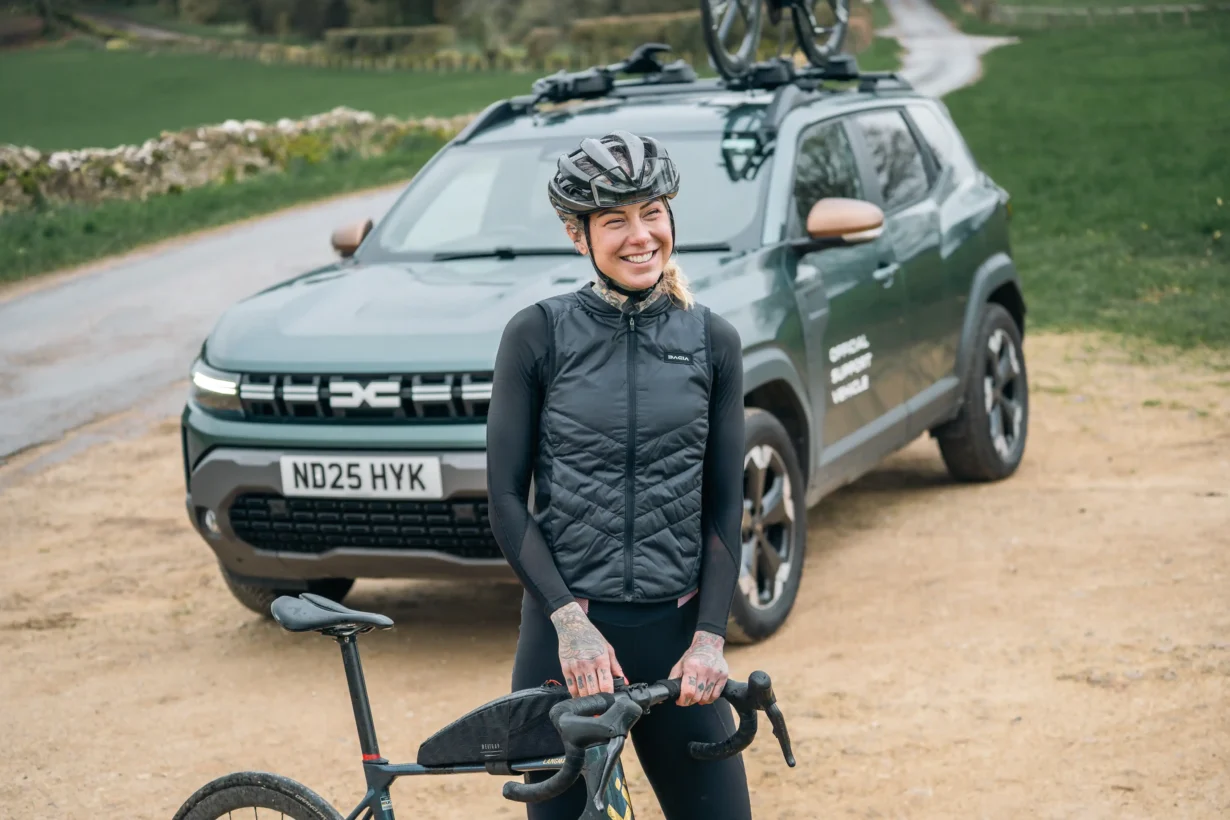
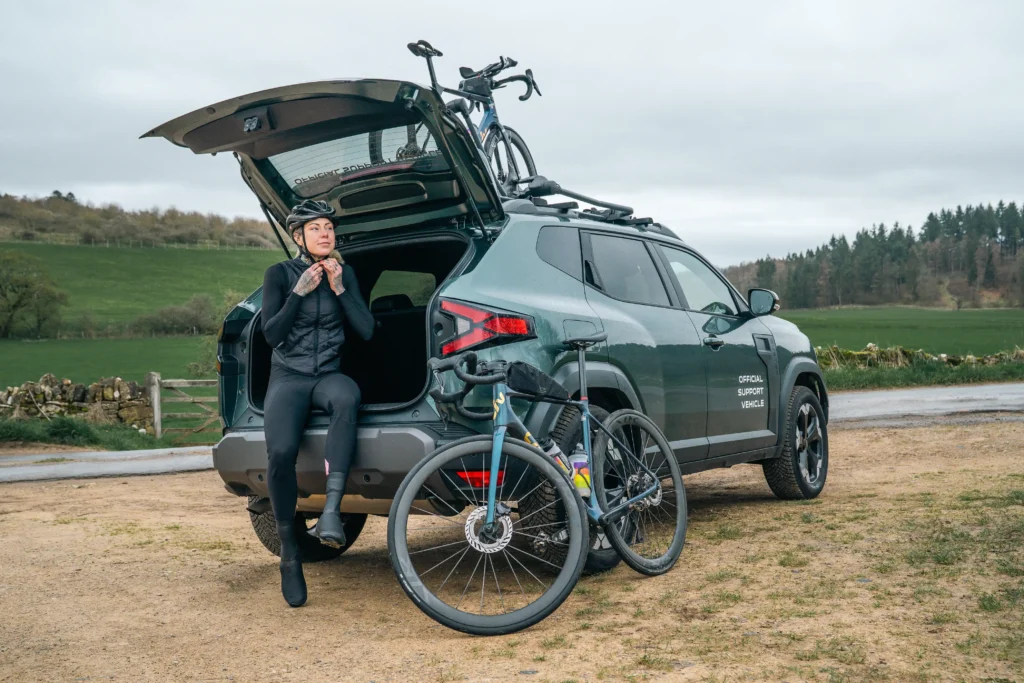
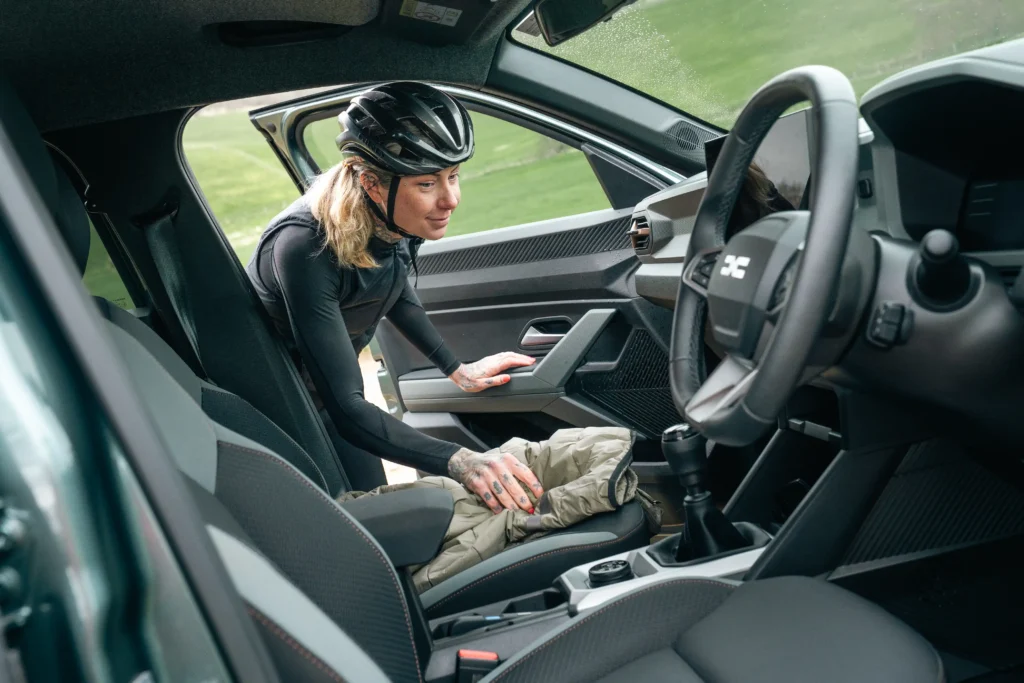
She won’t be alone on the road. A support crew will travel alongside her in Dacia Bigster and Dacia Duster vehicles, carrying spare bikes, essential kit and providing medical and logistical support around the clock.
The vehicles will be critical for managing the extreme distances and conditions across the attempt.
Ruggins says the crew’s role goes beyond logistics. When the low points hit, and on 90 minutes of sleep a night they will hit, the team becomes the difference between continuing and stopping.
“The difficult times are some of the lowest periods of your life,” she said.
“The way I get through that is by recognising that I can’t achieve this alone. It’s having the team right behind me in the Dacia vehicles, calling out to me from the window, trying to keep me awake, keep me motivated.”
Raising £60,000 for World Bicycle Relief
The attempt will also raise money for World Bicycle Relief, a charity that distributes bikes to communities around the world.
Ruggins has set a fundraising target of £60,000.
There is something pointed about a woman who spent years unable to use her legs raising money to give other people access to wheels.
She hasn’t framed it that way. She doesn’t need to.
Why it matters
Endurance sport content has a dedicated and growing audience online, but Ruggins’ story cuts through for reasons that go beyond the physical feat.
The trajectory from teenage diagnosis to decade of immobility to self-taught cyclist to world record holder is the kind of narrative that creators and media outlets will follow closely.
It’s specific, verifiable and almost unreasonably dramatic.
For the creator economy, athlete-led fundraising challenges are an increasingly effective content format.
The journey generates daily footage, the stakes are real and the audience has a clear reason to stay invested across the full duration.
The attempt begins on 5 June 2026. Nine countries, 6,000km, and roughly two weeks of cycling on less sleep than most people get in a single night.
Whether Ruggins breaks the record or not, the footage from the attempt will be worth watching.
Given what she’s already come back from, betting against her feels unwise.
READ MORE: I’m a bin man and this one item people throw away could set our LORRY on fire