

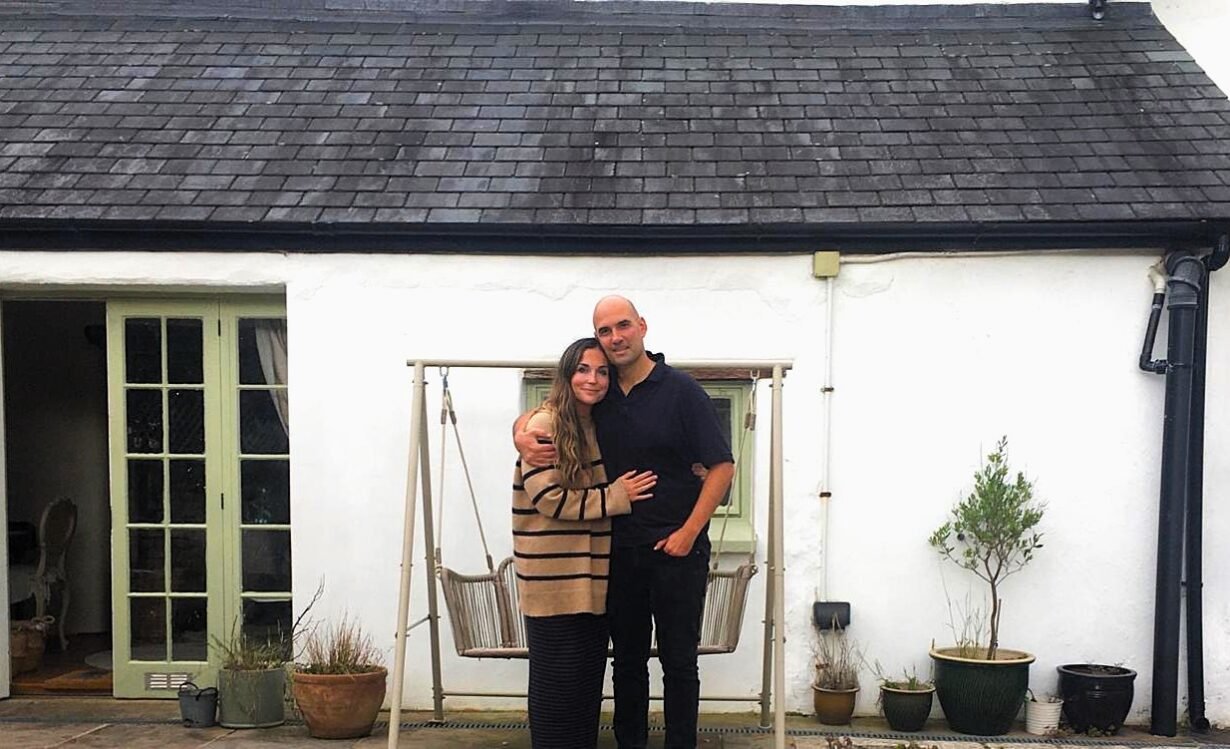

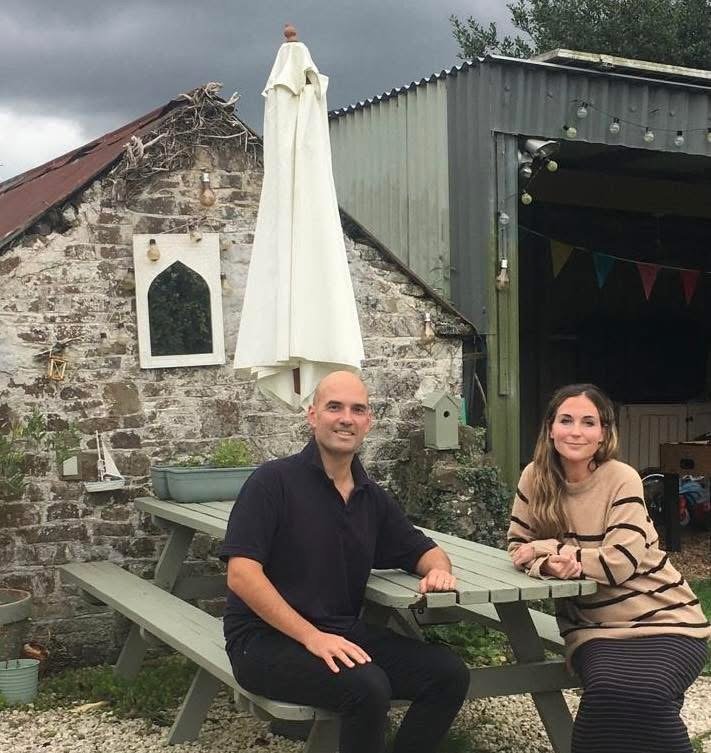
Polly Lopez-Clarkson and her husband Jorge bought a house they had never set foot in.
They’d never even driven past it.
The estate agents thought they’d lost the plot.
They hadn’t. The couple, both in their mid-forties with four children, reckon the blind purchase of a Devon cottage is now saving them an estimated £25,860 every year.
Redundancy forced the decision
Jorge had worked as a bank trader in London.
When he was made redundant in February 2020, the family’s life in the capital became unaffordable almost overnight.
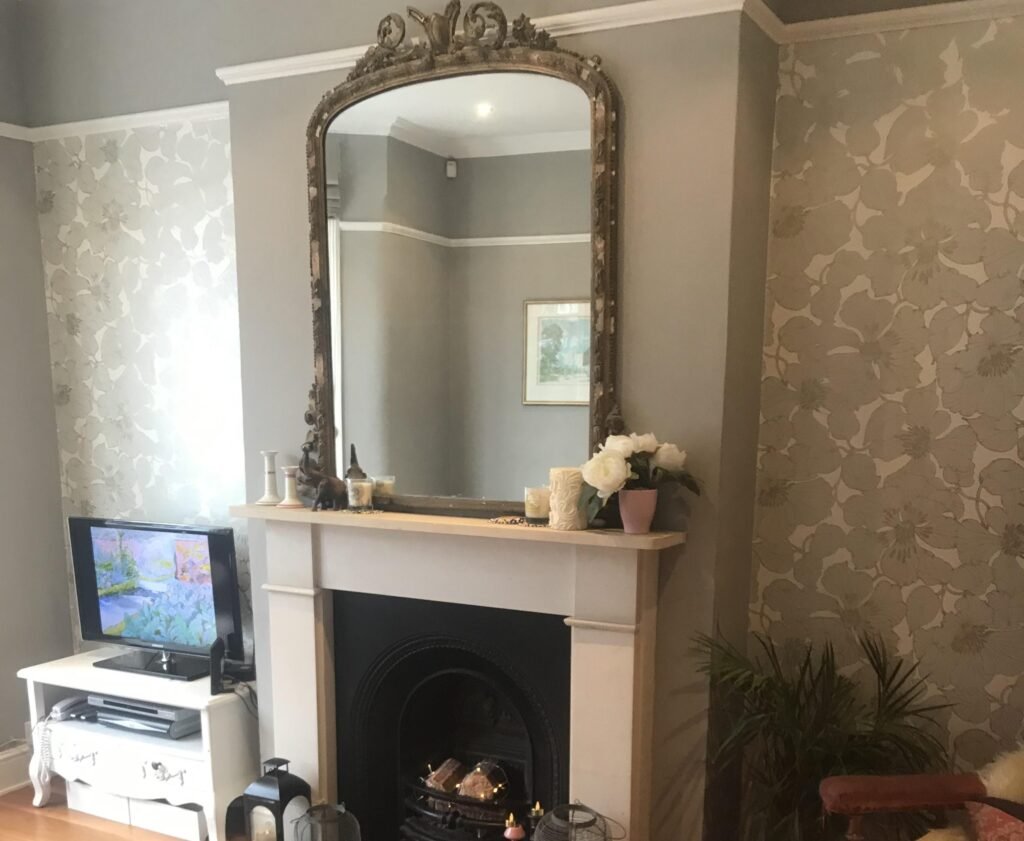
Their four-bedroom terraced house carried a mortgage of £2,100 a month.
They had no credit cards, no debt, one secondhand car.
They’d always been careful with money. But careful wasn’t going to be enough.
“We weren’t running away for the ‘good life’,” Polly told Creatorzine.
“We had to make this move to save ourselves financially.”
They never saw the property in person
The couple looked at Scotland and Cornwall before finding a cottage in Devon.
They couldn’t afford to visit. They’d already sold their car to free up cash.
The seller sent a video walkthrough. That was enough.
“There was a real connection with the cottage and its history,” Polly said.
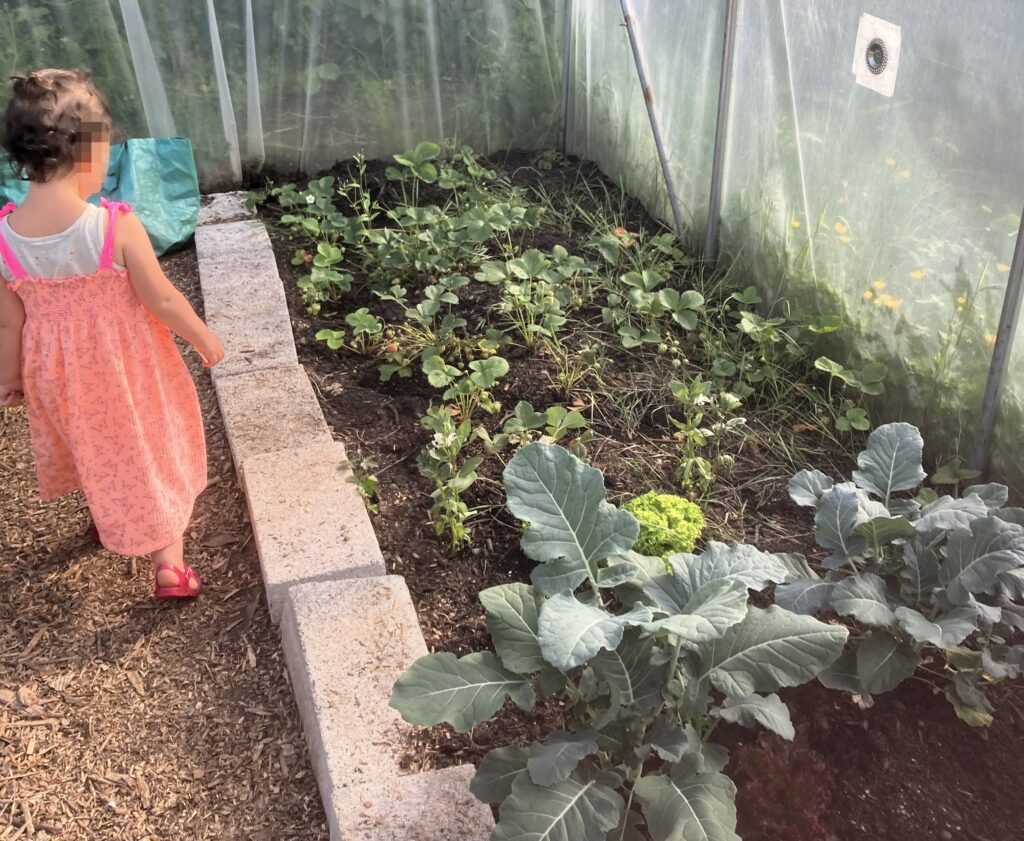
“The seller had young kids too, and had grown a lot of fruit and veg in the garden, which is something we wanted to start doing.”
The agents were taken aback when the offer came in. But rural relocations were surging at the time, so they chalked it up to London madness and processed the paperwork.
Where the savings actually come from
The numbers are specific. Their mortgage dropped by £1,500 a month. Food costs fell by £400 a month because they now grow their own vegetables, keep chickens and buy locally.
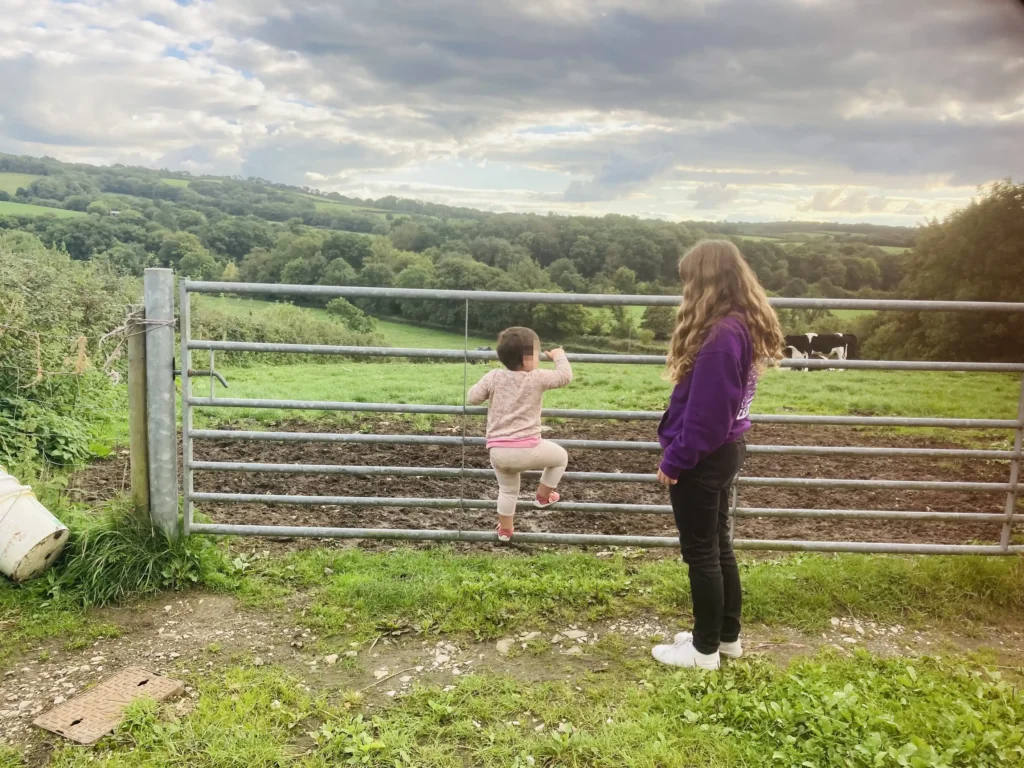
Another £400 a month disappeared from the budget when restaurant meals, entertainment and holidays were replaced by nature walks and sea swimming.
Fuel costs went up by £145 a month. Everything else went down.
The trade-offs are real
Polly is honest about what they gave up.
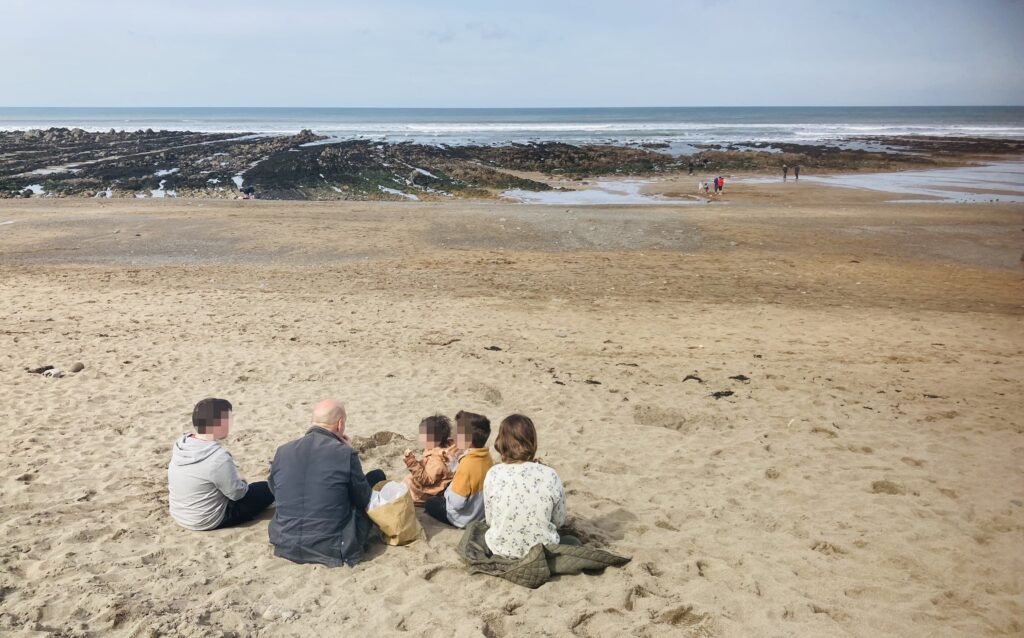
“I sometimes miss our comfortable lifestyle of being able to go out for family meals and not worry about money,” she said.
Jorge found work in farming. The wages are low. Local jobs in rural Devon tend to be scarce and poorly paid, and Polly wants anyone considering a similar move to understand that before they romanticise it.
“It’s not all a bed of roses,” she said.
“Local jobs tend to be low paid and hard to find. It’s really crucial to be aware of this. As long as you’re realistic, it’s a great move.”
Fresh air, chickens and a new business
The family’s wellbeing has improved in ways that don’t show up on a spreadsheet.
Polly says she’d forgotten how polluted London was.
The children are learning about ecosystems and food production in a way no school curriculum could replicate.
“Nature is healing and great for the soul,” she said.
The couple are now channelling their experience into a new business called Moovafy, an online community designed to put what Polly calls the “human side” back into the property market.
The idea is to connect people who’ve made similar moves and share what actually happens when you sell up and start over.
Why it matters
Stories about leaving London for the countryside are everywhere. Most of them are aspirational lifestyle content dressed up as advice.
This one is different because the move wasn’t a choice between good and better. It was a financial escape route that happened to work.
For creators covering personal finance, property or lifestyle shifts, that distinction matters. Audiences can smell performative downsizing from a distance.
Genuine financial pressure followed by genuine results is a harder story to tell, and a more useful one to read.
The UK’s rural relocation trend peaked during the pandemic but hasn’t fully reversed.
Housing costs in major cities continue to climb, and stories like Polly and Jorge’s keep surfacing because the maths keeps making sense for families willing to absorb the trade-offs.
Whether Moovafy finds an audience depends on whether enough people want honesty with their house-hunting.
Given the state of the property market, probably yes.