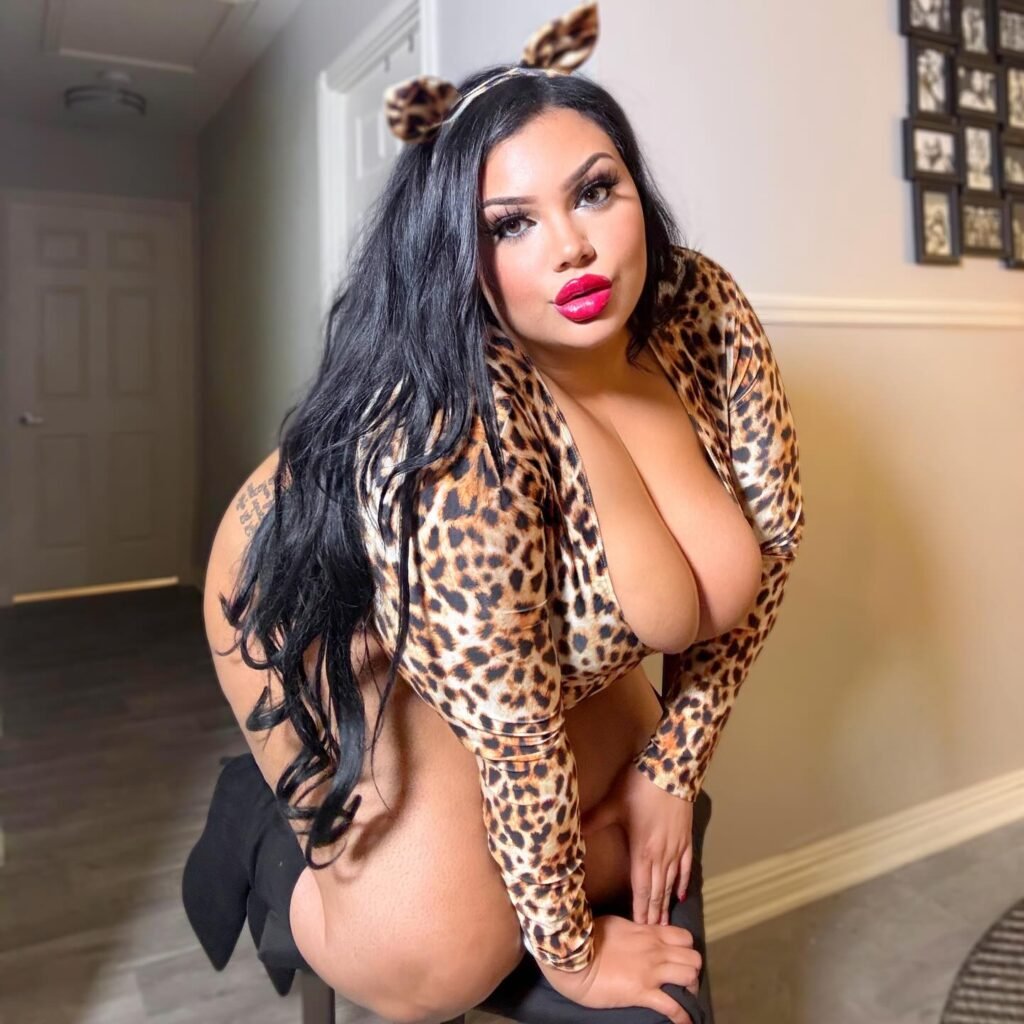
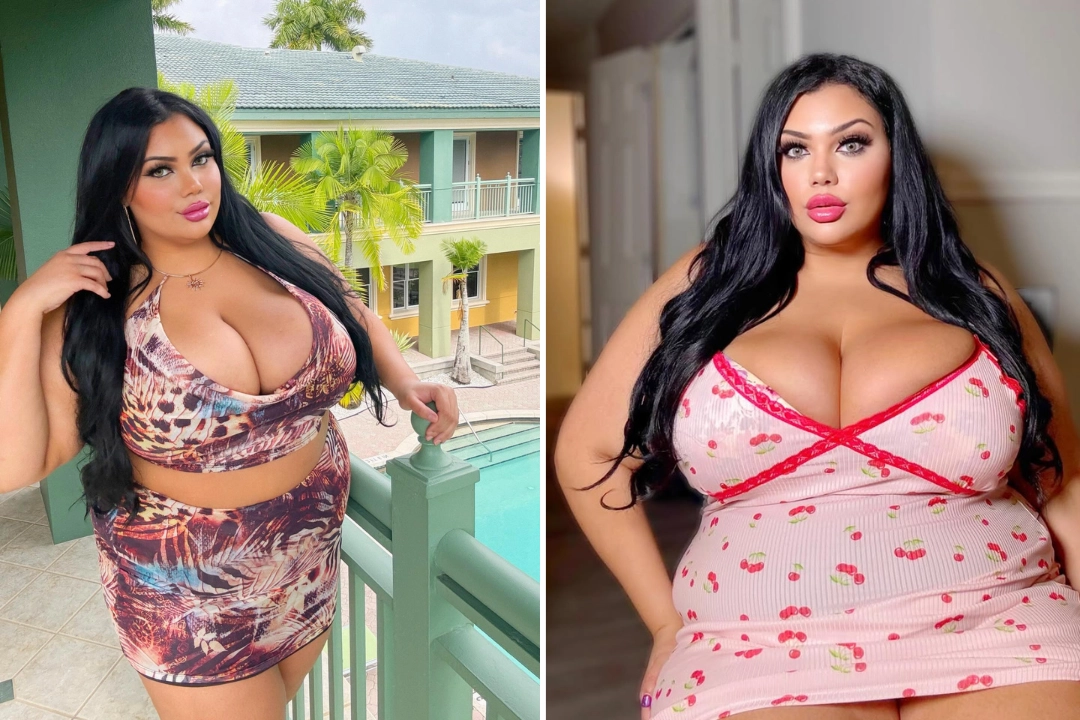

Alex Aspasia is 6ft tall, a size 26, and has been called disgusting for it.
She’s also got 48,000 views on the video where she talks about why she isn’t going anywhere.
The 31-year-old Miami-based model and influencer has built her platform around body positivity — specifically, around the version of it that doesn’t involve eventually caving.
READ MORE: I found a Ted Baker dress worth £400 in a charity shop – I paid £9 and it still had the TAGS
She calls her journey an “anti-Ozempic glow up”: she went from 180lbs to 380lbs over a few years and documented it openly.
The reaction, she says, tells you everything about where we’ve ended up.
“The world has gone mad”
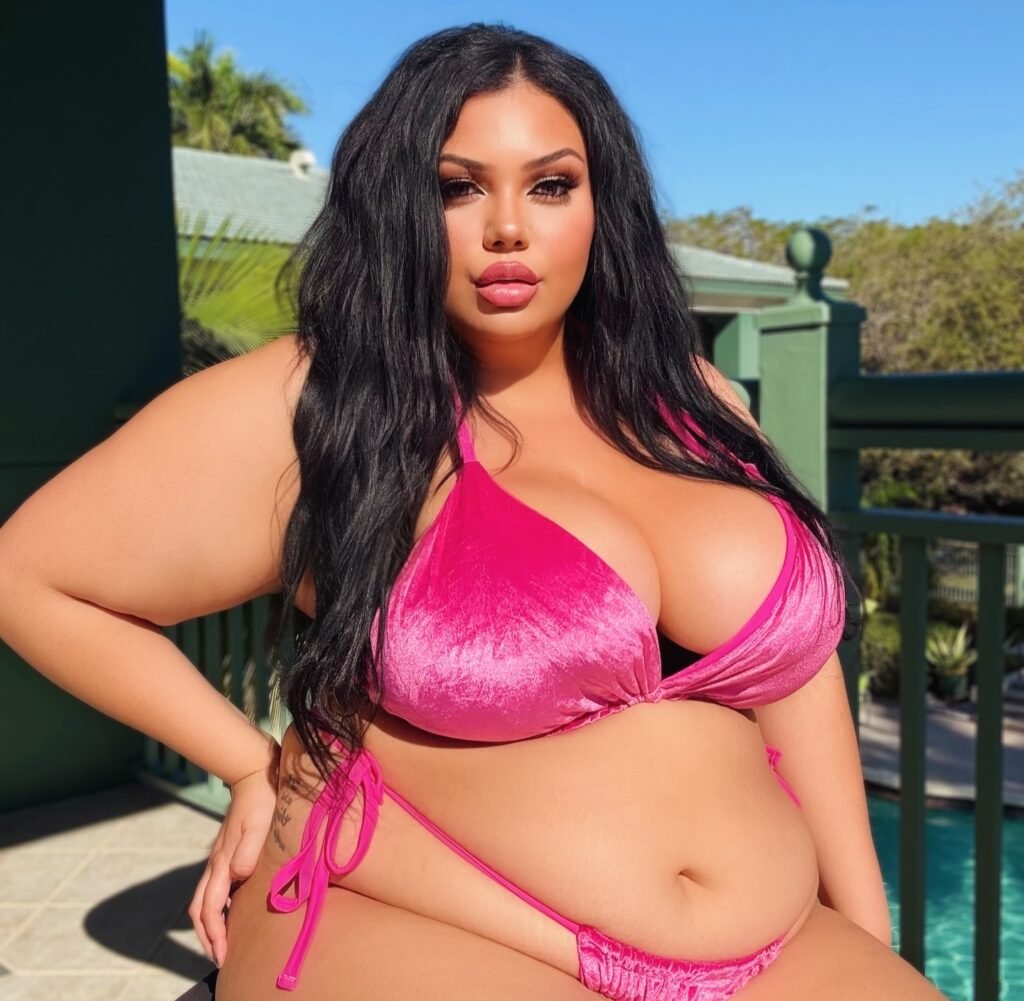
“In a world full of Ozempic, AI and plastic surgery, I’ll gladly stay natural,” she said.
“The divine feminine is art, not manufactured.”
Her argument isn’t that weight loss jabs or surgery are wrong in themselves.
She’s careful about that. “If someone chooses to take Ozempic, that’s completely their prerogative.”
What interests her more is the speed at which people reached for it the moment it became available.
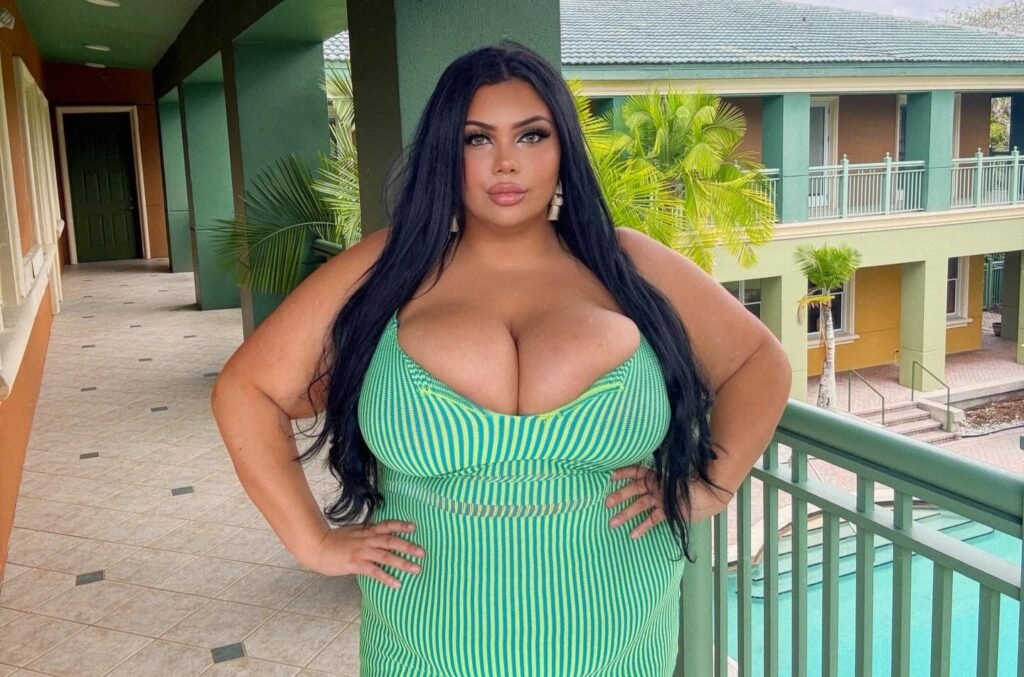
“It says a lot about the pressure our society puts on people, especially women, to be thin at any cost.
I also think it’s important to question why we feel such urgency to change our bodies.”
The consequence, as she sees it, is that a natural body has become genuinely unfamiliar — and unfamiliarity, for a lot of people online, cashes out as disgust.
“I feel like we have fallen so far from what natural beauty is that when you see a natural woman’s body, people are sometimes almost disgusted by it.
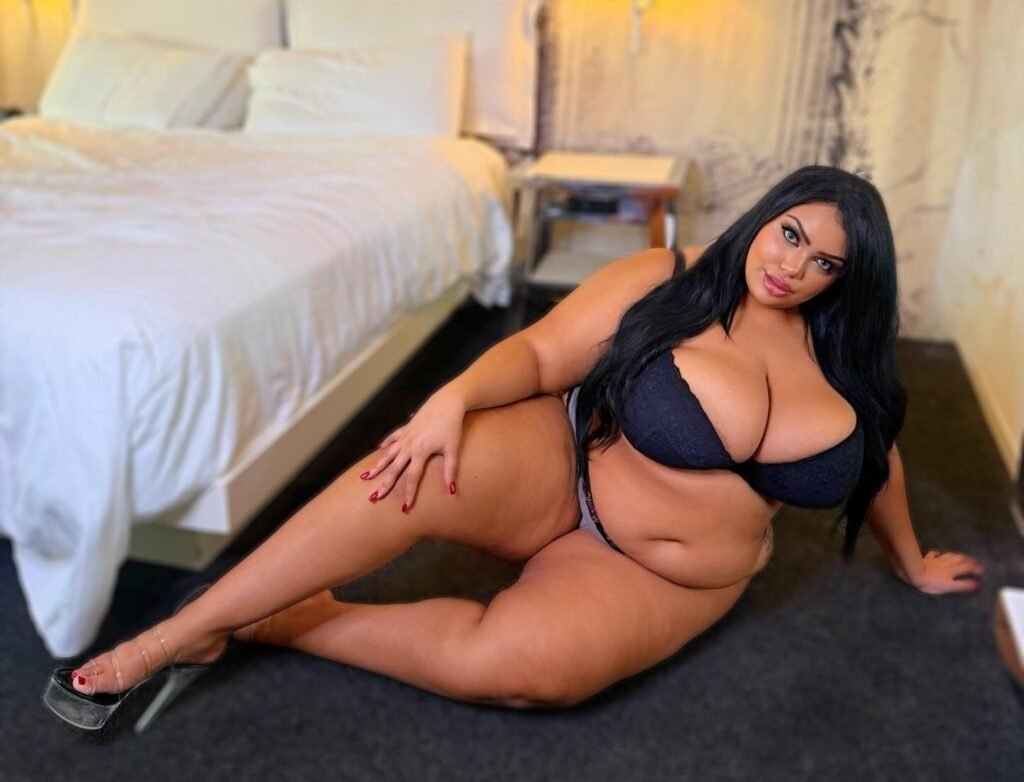
Mostly because they are so far removed from what natural is versus manufactured beauty these days.”
Travelling while plus-size
Alex has tested this theory in person. During a recent trip through Europe she found herself read as a provocation — something to point at and discuss, often loudly.
“The beauty standard there is extremely thin,” she said.
“So I think when they see a tall, plus-size woman with confidence wearing whatever she wants, it’s very visually striking.”
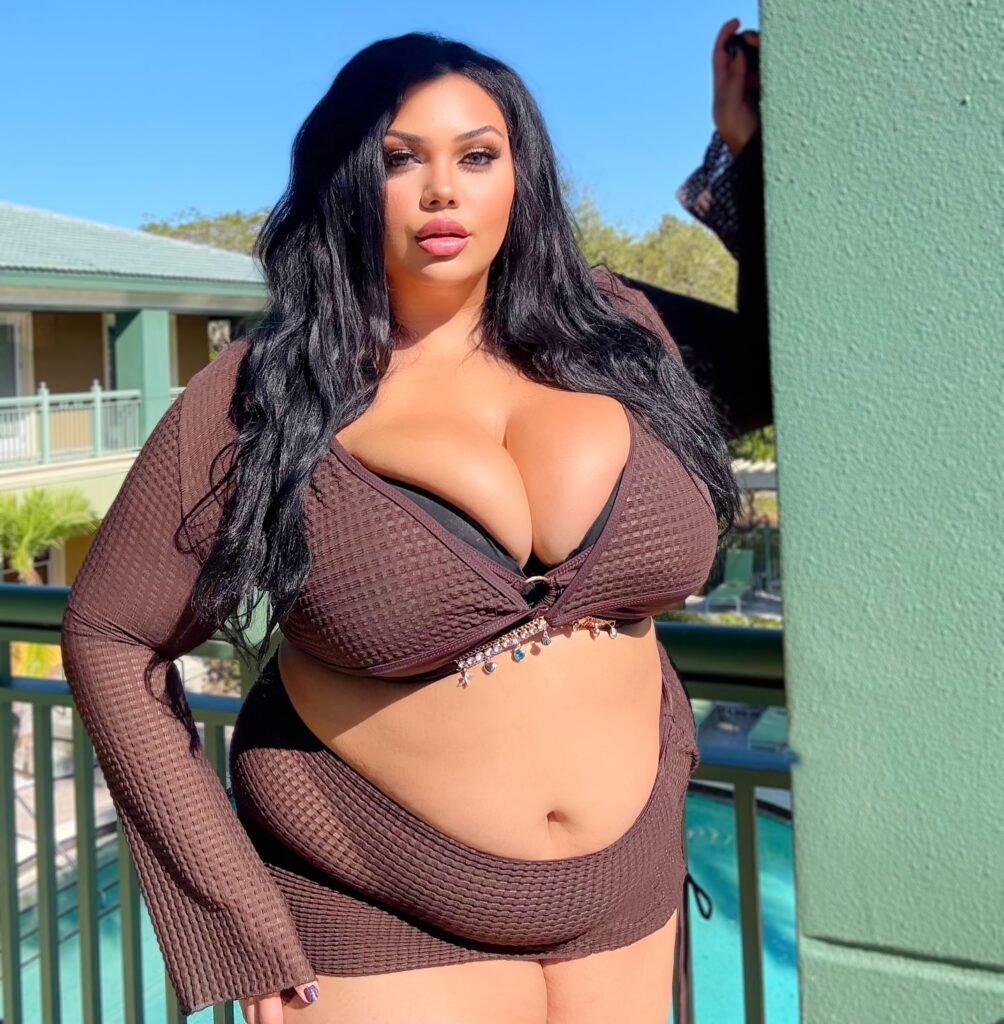
Some people approached her to take photos. Others laughed from a distance with their friends.
“It’s a mix of emotions and reactions.”
She didn’t change what she was wearing.
Why it matters
The Ozempic conversation in mainstream culture has largely focused on celebrity use, NHS waiting lists, and whether it counts as cheating.
What’s talked about less is what the drug’s normalisation does to the social baseline — the point at which a body without visible intervention starts to read as unusual.
Alex is one of a growing number of plus-size creators pointing at that shift directly, and finding that the pointing itself attracts abuse.
“I hate how harsh the world is to plus-size women when we uphold beauty standards that are rooted in very manufactured practices,” she said.
“Beauty doesn’t have to be manufactured to be valid.”
Whether the algorithm rewards that message or buries it probably says something too.