


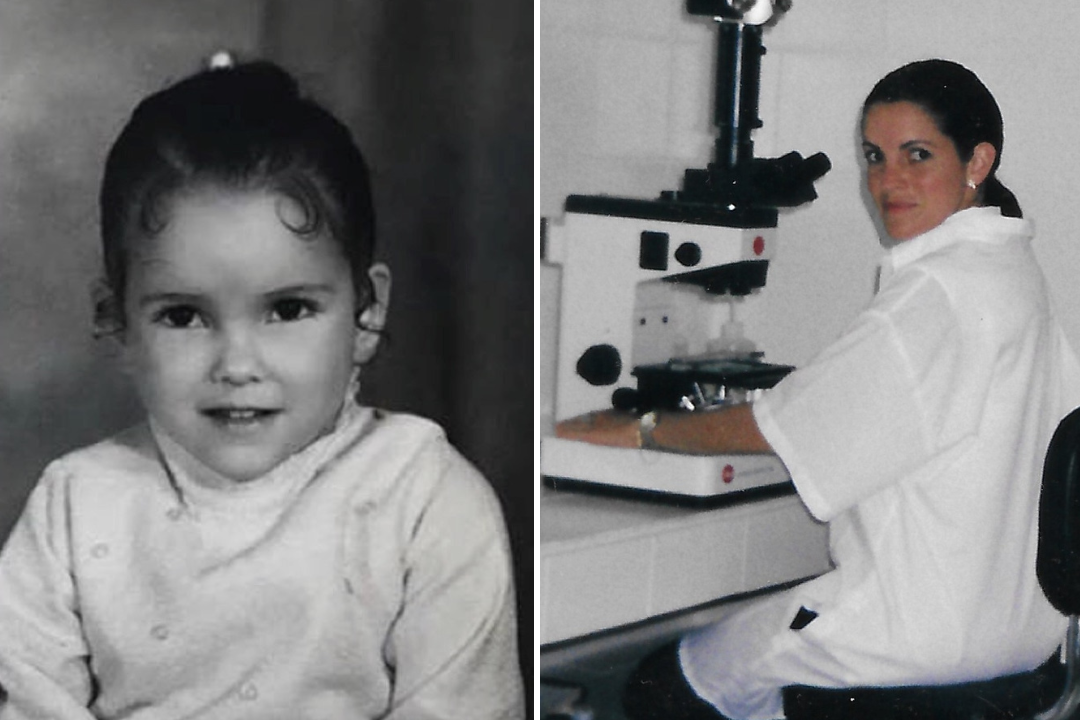

Ingrid Honkala was two years old when she fell into a tank of icy water at home in Bogotá.
By the time her mother found her, she had already left her body.
She has done it twice more since. She is 55 now, holds a PhD in Marine Science, and has worked with NASA.
She is also not remotely afraid of dying.
READ MORE: I found a Ted Baker dress worth £400 in a charity shop – I paid £9 and it still had the TAGS
The maid was in another room listening to the radio. Nobody saw Ingrid fall in.
“I remember the shock of the icy water hitting my body and the panic of struggling to breathe,” she told Creatorzine.

“Then something extraordinary happened. Instead of fear, a deep calm came over me.”
What she describes next is consistent with near-death experience accounts across cultures and decades — the sense of leaving the body, watching it from above, a dissolution of self into something larger.
“I remember seeing my small body floating lifeless in the water,” she said.
“At that moment, I no longer felt like a child in a body but like pure consciousness. There was no sense of time, no fear, no thoughts. Instead, there was a deep knowing that everything was interconnected.”
Then something harder to explain. While her body lay unconscious in the water tank, her awareness moved elsewhere.
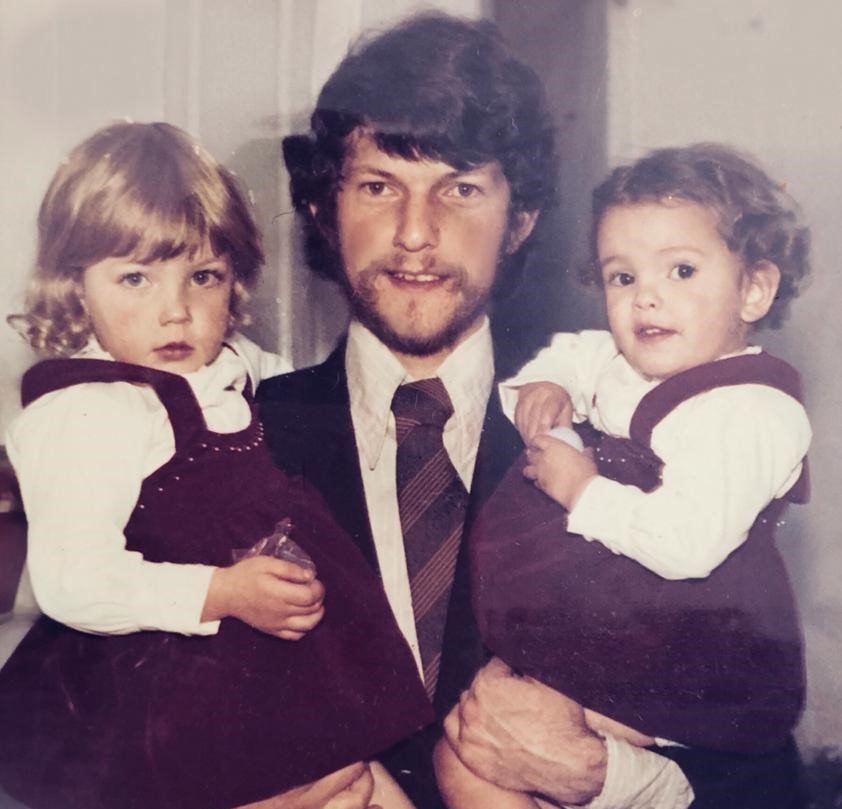
She says she saw her mother, several blocks away, walking to her first day at a new job.
“I remember recognising her and thinking, ‘that’s my mum’,” she said.
“At that moment there seemed to be a form of communication between us — not through spoken words, but through awareness.”
Her mother, she says, suddenly turned around and came home. She found Ingrid in the water and revived her.
Years later, when Ingrid described what she had seen, her mother confirmed the details matched exactly.
What changed
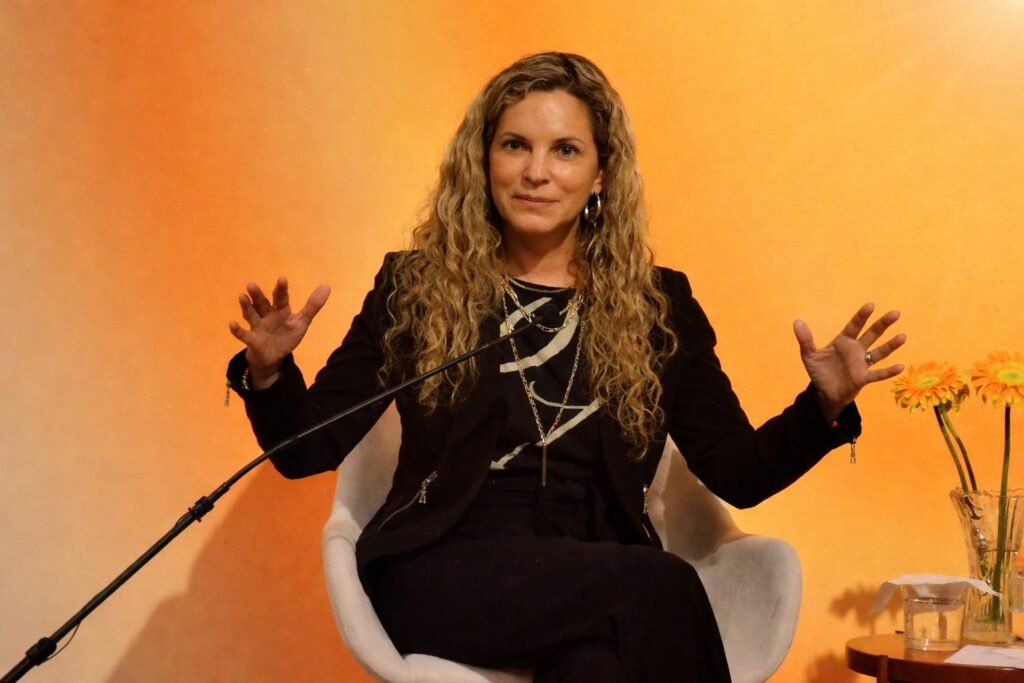
Ingrid emerged from the experience altered in ways she struggled to explain as a child.
Learning stopped feeling like acquiring new information.
“It felt more like remembering something I already knew,” she said.
She describes encounters with what she calls Beings of Light — luminous presences that communicated without language.
She felt different from other children. She was.
The fear of death, she says, never came back.
“The experience showed me that what we call the afterlife did not feel like a distant place at all,” she said.
“It felt like entering a deeper layer of reality that exists beyond our physical senses.”
Twice more
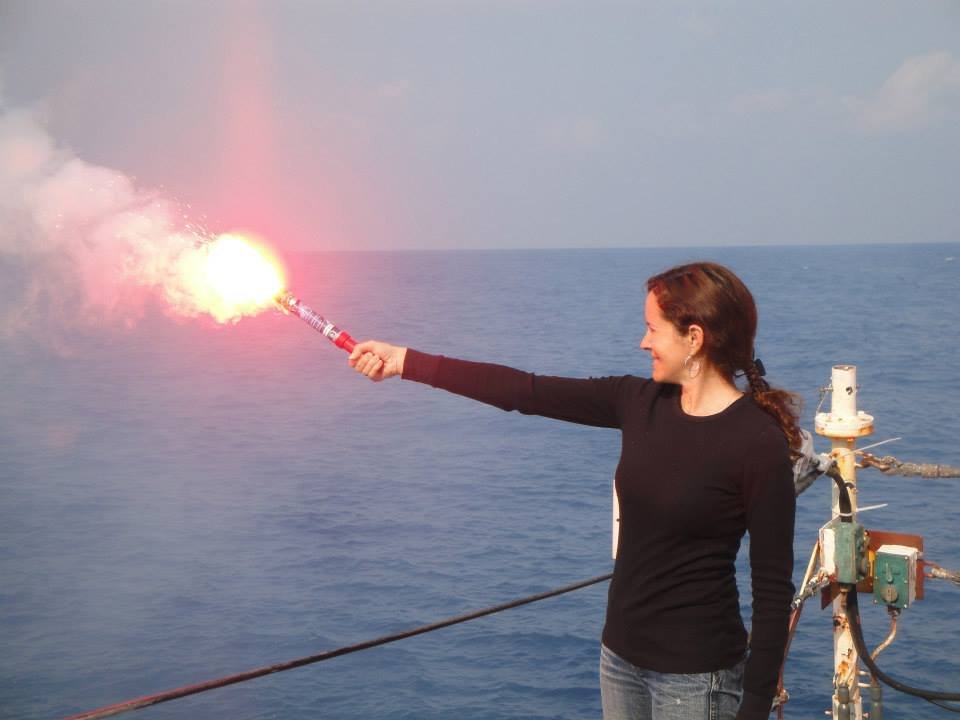
At 25, a motorcycle crash. At 52, during surgery when her blood pressure crashed without warning.
Each time, she says, she returned to the same state — the same peace, the same dissolution, the same sense of something continuing.
Sceptics have a ready explanation: hypoxia, a brain under catastrophic stress producing hallucinations that feel transcendent.
Ingrid is aware of this argument. She spent decades inside institutional science. She doesn’t dismiss it.
“Science and spirituality may not necessarily be in conflict,” she said.
“They may simply be exploring the same mystery from different perspectives.”
The scientist who kept quiet
For years, Ingrid said almost nothing publicly about any of this.
She had a career to build — marine biology, oceanography, a PhD, research collaborations with NASA and the US Navy.
The near-death experiences stayed private.
“I wanted to understand the nature of reality through observation and research,” she said.
“That curiosity led me to study marine biology and oceanography.”
She is speaking now because she has a book coming.
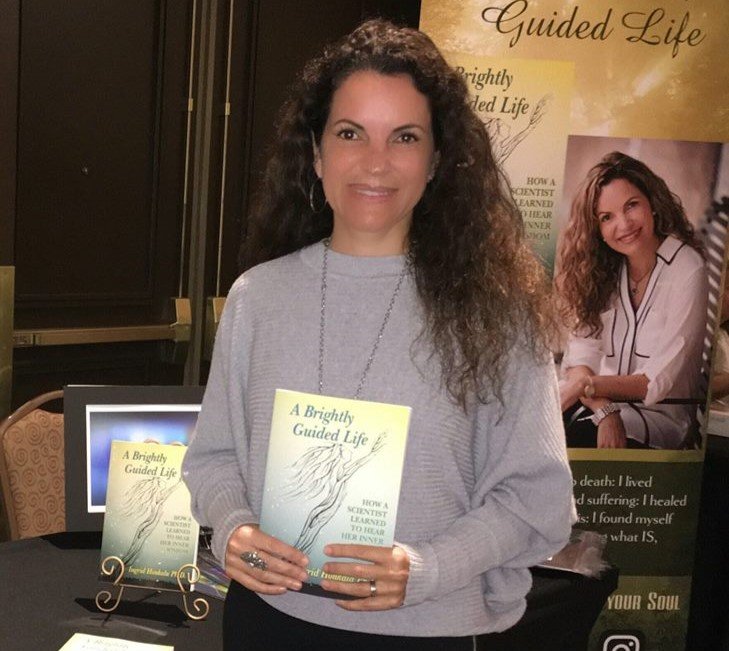
Dying to See the Light: A Scientist’s Guide to Reawakening argues that scientific inquiry and spiritual experience are not opposites — that consciousness may be something the brain participates in rather than produces.
“From that perspective, death does not feel like the end of existence,” she said.
“It feels more like a transition in the continuum of consciousness.”
Why it matters
Near-death experience research sits in an uncomfortable gap between neuroscience and philosophy, too subjective for hard science and too consistently reported across cultures to dismiss entirely.
What makes Ingrid’s account unusual isn’t the experience itself — it’s the biography attached to it.
A PhD scientist who worked with NASA and the US Navy, who spent decades saying nothing, is a different kind of witness than most.
For creators and journalists covering consciousness, spirituality, or the boundaries of what science can currently explain, her story sits right on the fault line.
The conversation around NDEs has grown significantly in recent years, partly driven by improved resuscitation technology bringing back more people who have been clinically dead, and partly by researchers at institutions including NYU and the University of Southampton publishing serious studies on the phenomenon.
What’s next
Ingrid’s book arrives into a cultural moment that is unusually receptive to this territory.
Whether the scientific establishment engages with her argument or routes around it is the longer story.
She has, by her own account, already seen what comes next.
She’s not worried.