
Rumeysa Gelgi spent 29 years with an answer.
In June, doctors took it away and handed her a rarer one.
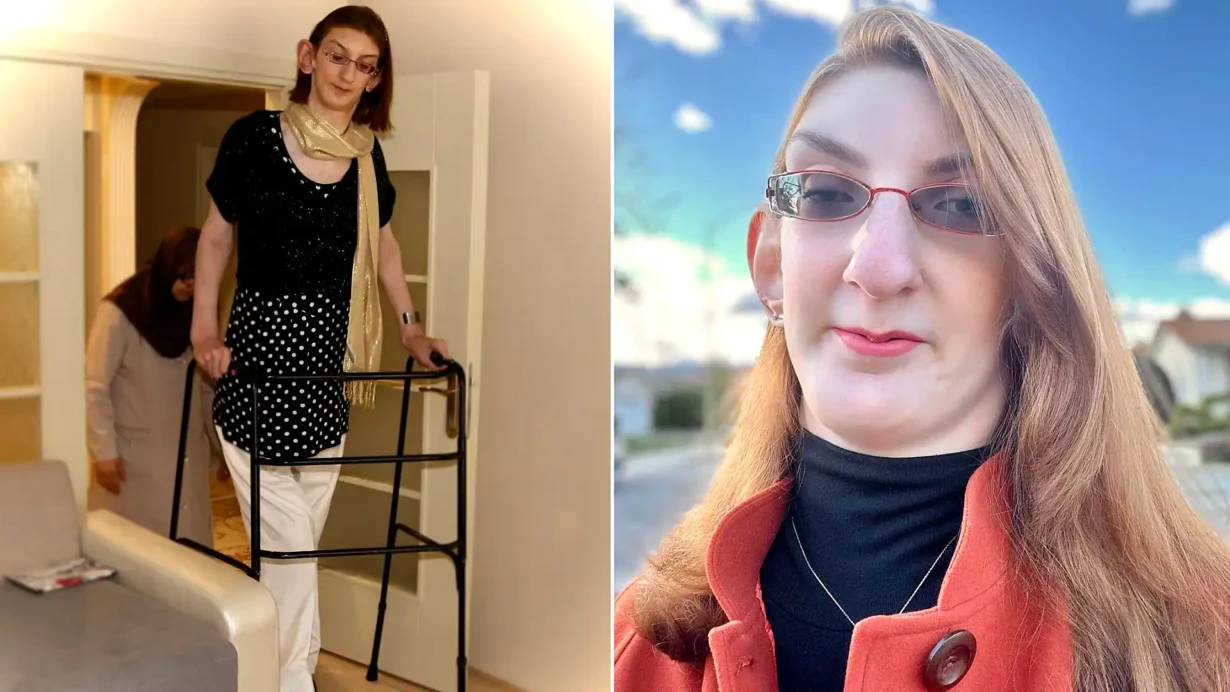
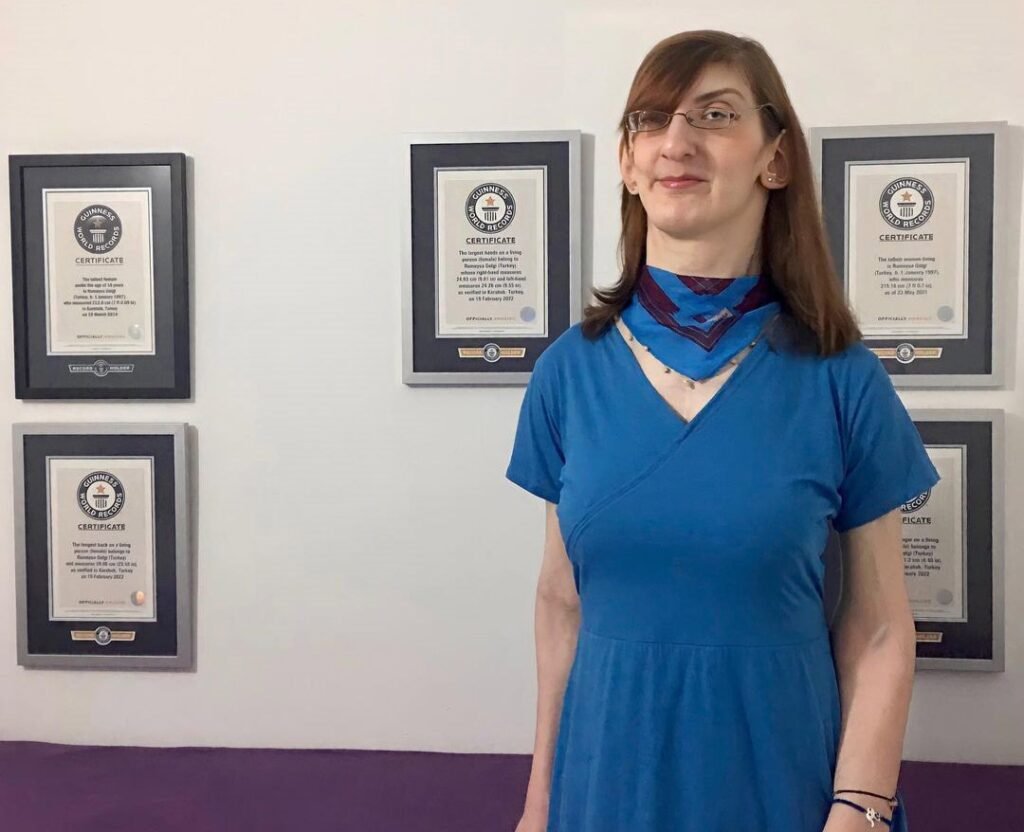
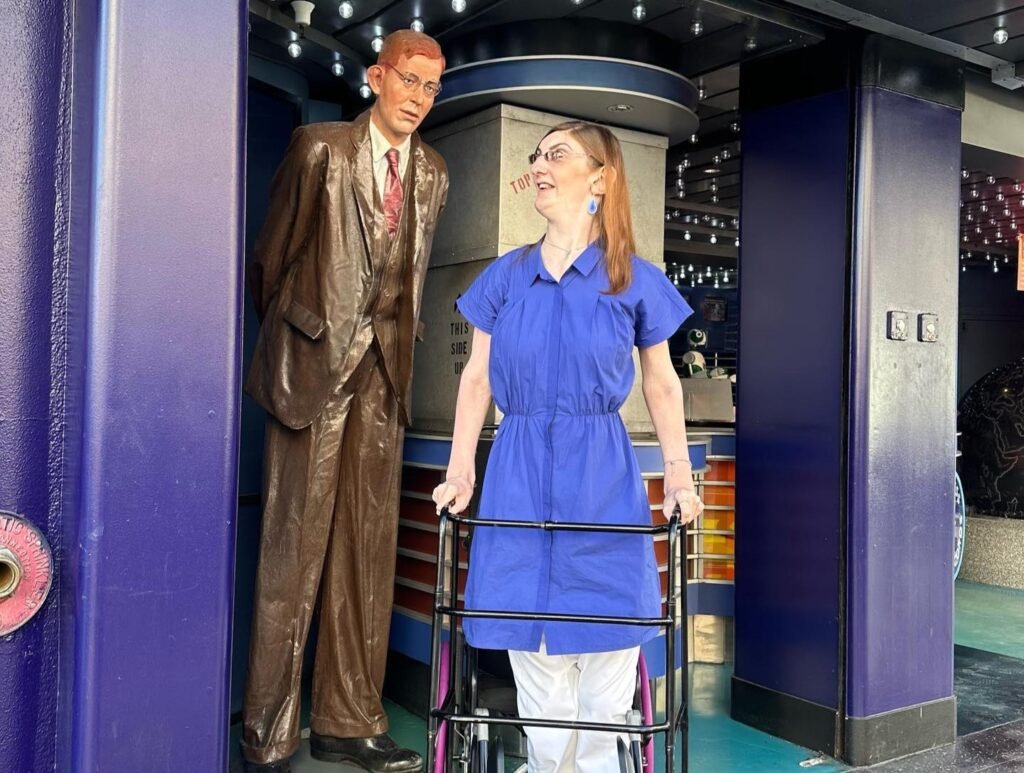
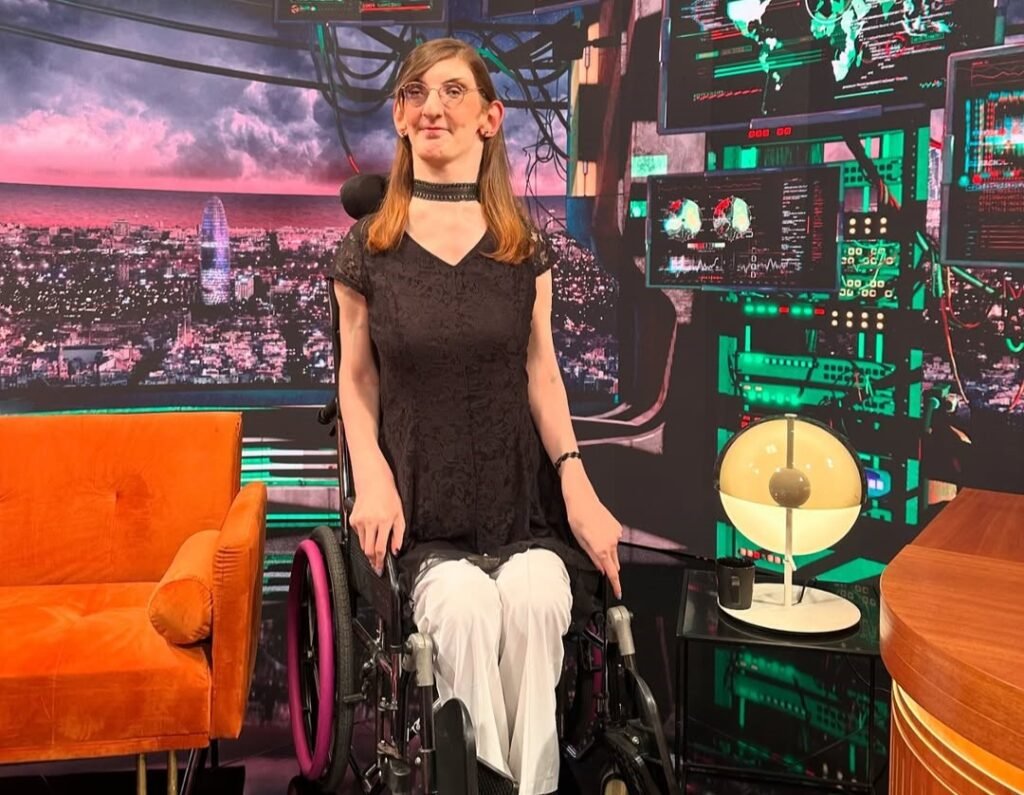
Gelgi, a 7ft web developer from Karabük in Türkiye, holds the Guinness World Record for the world’s tallest woman.
She has been under medical observation for most of her life.
This summer, that observation produced a diagnosis almost nobody else on earth shares.
A diagnosis built on a newborn’s notes
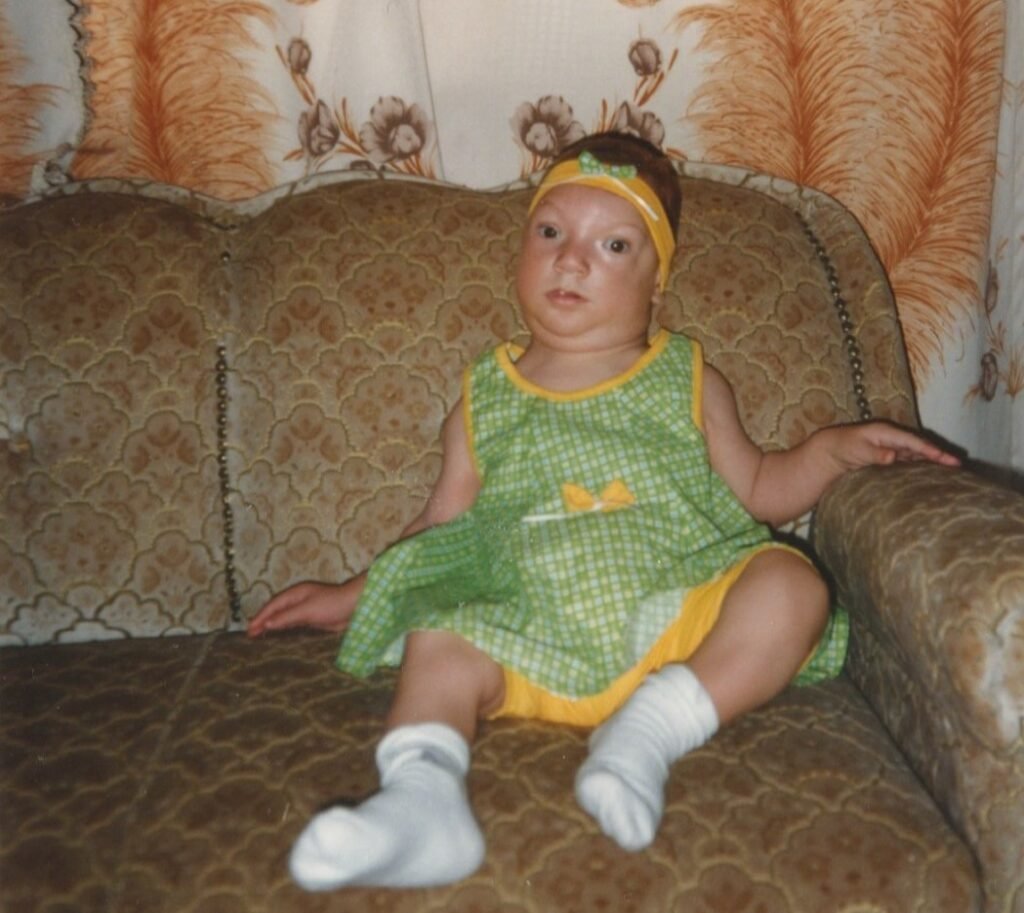
Doctors identified Weaver Syndrome from clinical findings taken when Gelgi was days old.
It is a genetic overgrowth disorder with fewer than 100 confirmed cases worldwide, and the fit made sense.
She had already broken a record before she could walk: at 59cm, she was the longest baby ever recorded, nine centimetres above average.
Then modern genetic testing went looking for the mutation behind it.
It found nothing.
Twenty-five times rarer
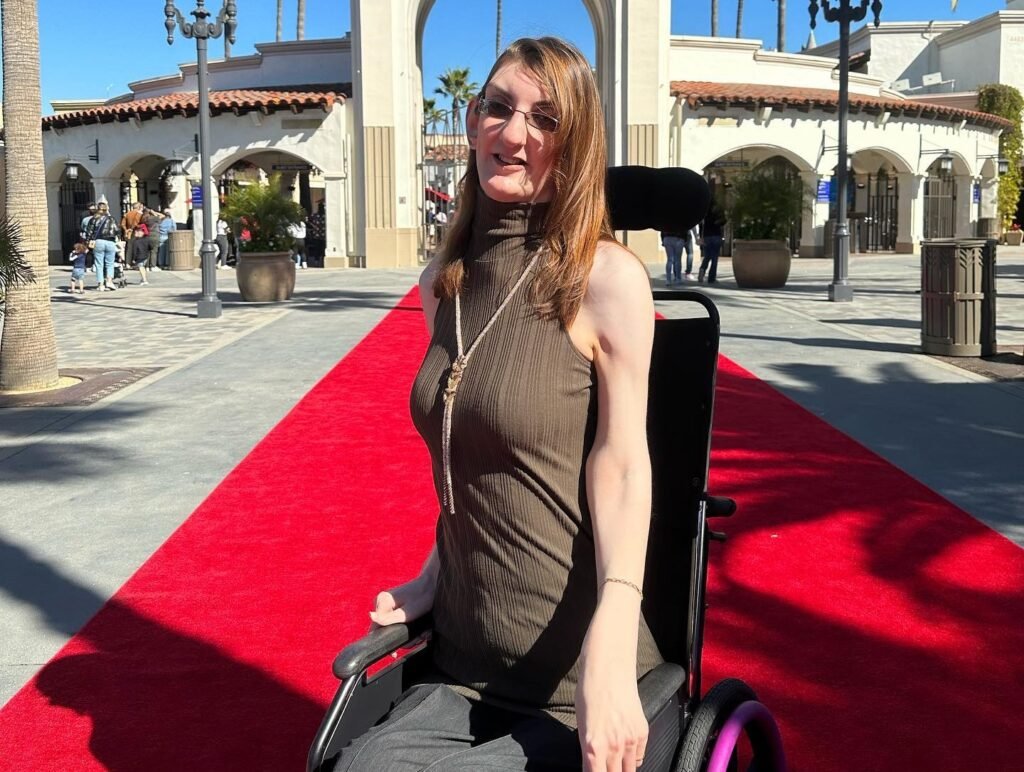
In June, doctors formally moved her to Moreno-Nishimura-Schmidt Syndrome, known as MNS.
The label covers overgrowth syndromes that clinicians can identify in the room but cannot trace to any gene.
Six documented cases exist in the medical literature, making it roughly 25 times rarer than the condition she thought she had.
“I used to feel that I was one in a million with Weaver Syndrome, but now it’s even less than that!” she told Creatorzine.
The two conditions present almost identically. The difference sits entirely in the cause.
Weaver Syndrome traces back to a mutation in an enzyme called EZH2, or a small handful of others.
Nobody knows what causes MNS.
“Current technology and modern medicine have not yet been able to identify any known mutation in my genes,” Gelgi said.
Starting again at 29
“When you have been identified with one diagnosis for your entire life, finding out that it is not the complete answer changes the way you think about your own medical history,” she said.
“There is a sense of starting over, learning new information, and accepting that there are still many unanswered questions.
“After living with what I thought was Weaver Syndrome for 29 years, suddenly hearing a different name attached to my life story naturally takes time to absorb.”
She is not treating it as a loss.
“Although this brings even more uncertainty and mystery to my condition and can sometimes feel scary, I am remaining positive and focusing on the fact that I am now an even more extraordinary and unique person.
“I have always approached my life with curiosity rather than fear.
Medicine is constantly evolving, and I am grateful that research has advanced enough for doctors to recognize that my condition is distinct.”
297,000 people watching
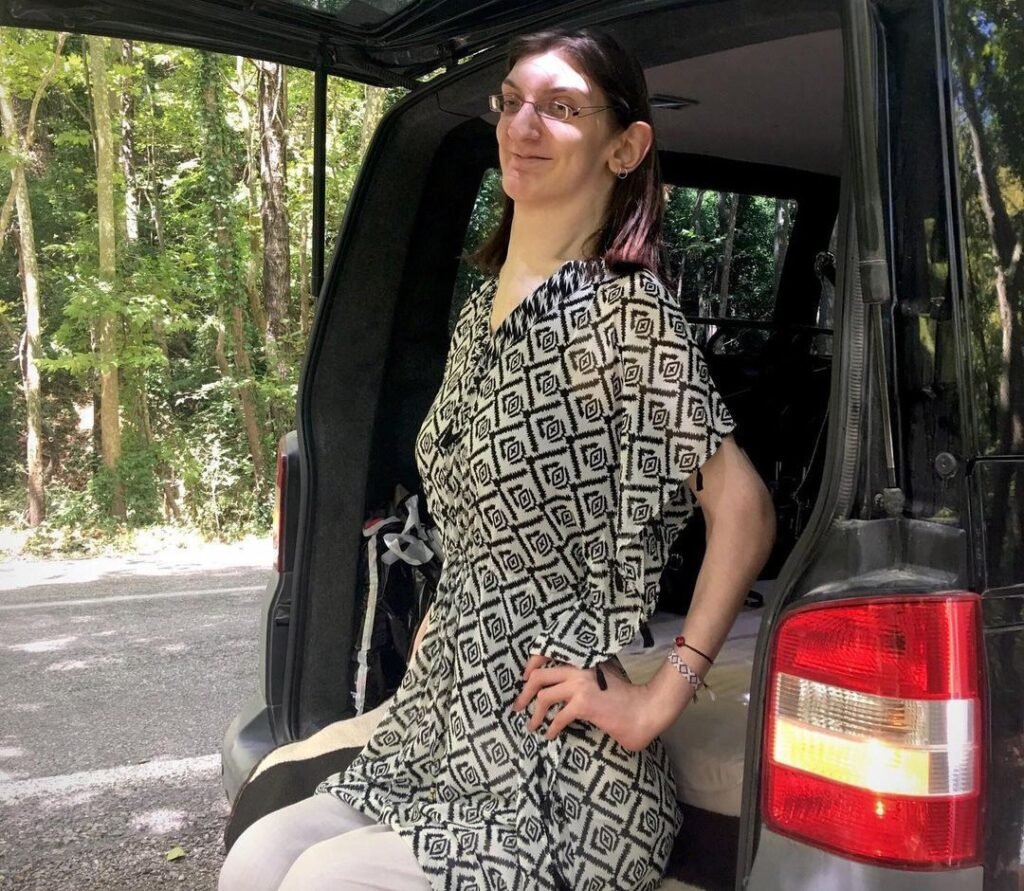
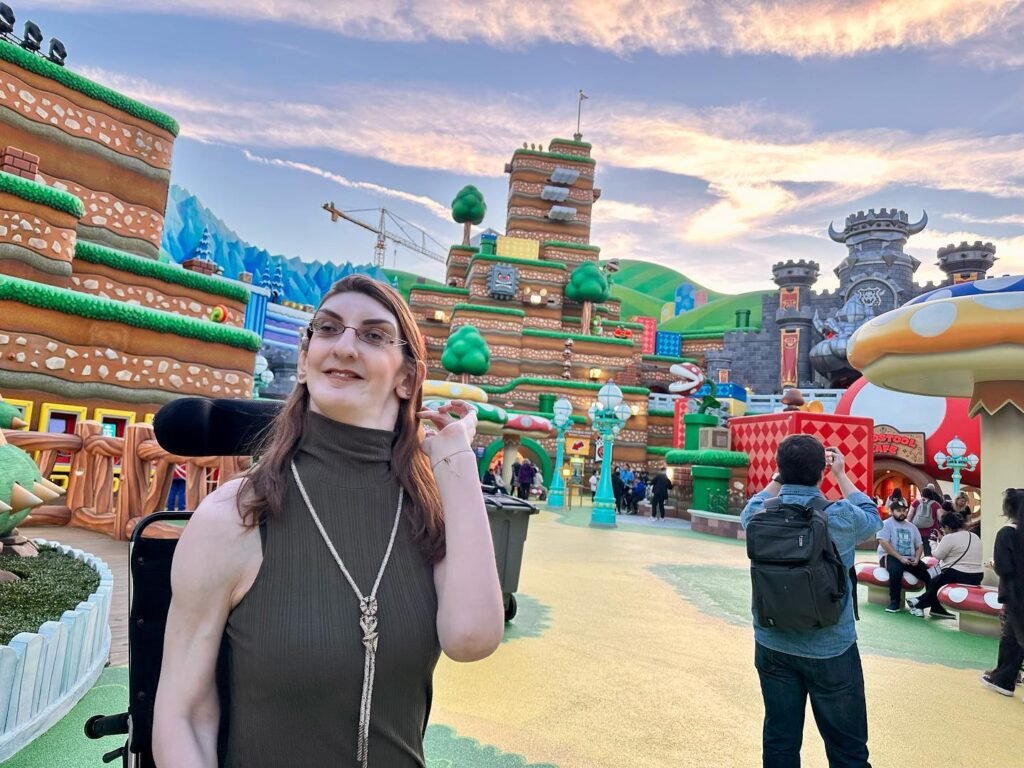
Gelgi posts about her life and the obstacles built into it for 297,000 Instagram followers, a figure accurate at the time of writing.
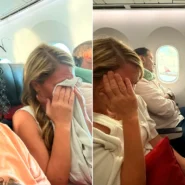
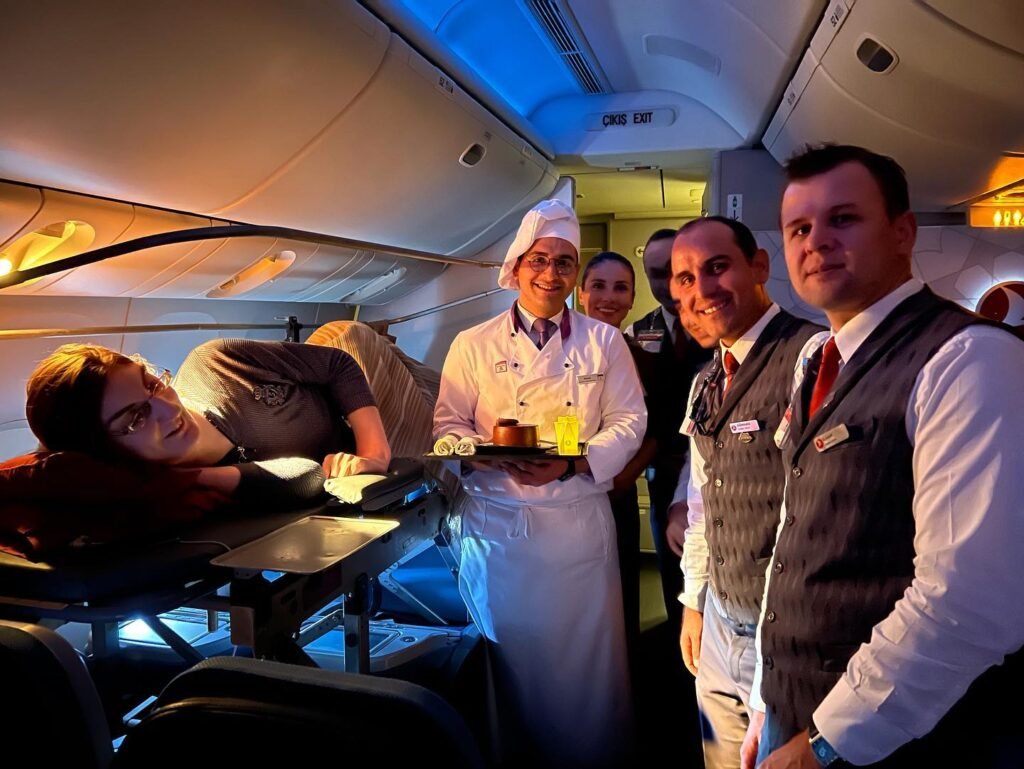
Her most viewed moment came from a Turkish Airlines flight, where she required six seats and cabin staff carried her aboard.
The name change does not alter what she does with that audience.
“Regardless of what my syndrome was called in the past, what it is called today, or what it may be called in the future, my mission remains the same:
I will continue passionately advocating for people living with similar syndromes.”
Why It Matters
Creators built on a medical identity carry a risk most don’t: the diagnosis itself can change under them.
Gelgi’s public profile has been anchored to a named condition for years, and in June that name stopped being correct.
Her audience didn’t move, which suggests they were never there for the terminology.
With six cases in the literature, there is no patient charity, no forum, no explainer video already sitting on YouTube.
An Instagram account run by one of the six people who has the thing functions closer to a primary source than a content channel.
That is an unusual amount of weight for a comments section to carry.
Rare-condition and disability creators have quietly become one of the more durable corners of the creator economy, partly because the information they hold exists nowhere else, and partly because platforms keep rewarding first-person material that nobody can replicate.
Gelgi still lives with her parents, who help her through the day.
She wants to move abroad to somewhere accessibility is further along, and the US is on the list.
“I believe that [moving abroad] would allow me to live more independently and expand both my personal and professional horizons,” she said.
“I also hope to continue traveling the world, sharing my experiences, and showing that having a rare condition should never define the limits of a person’s ambitions.”
She has already volunteered for whatever research follows.
“I hope that advanced research continues, and I will no doubt voluntarily participate in it,” she said.
“With the aim of discovering answers that may potentially help not only me but also many others in the future.”
Whether that produces a mutation, a third name, or another 29 years of not knowing, there are only six people it could be about.
READ MORE: Off-roaders tore 3km across a protected Welsh bog – then uploaded the whole thing to TikTok