


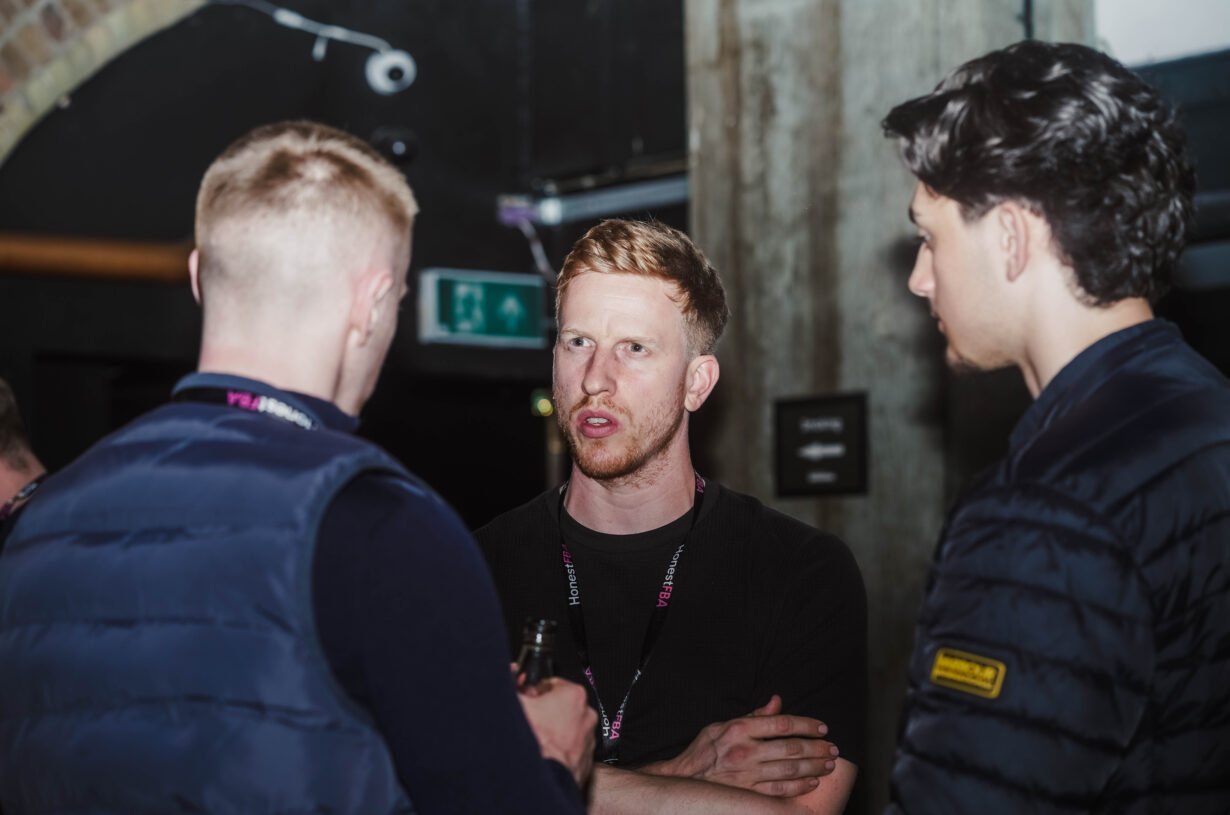

Alex Birch has a marketing degree. He also has £30,000 of student debt and two multi-million pound businesses.
He says only one of those things was useful, and it wasn’t the degree.
The 38-year-old from Manchester, now living in Barcelona with his family, co-founded HonestBrands alongside Janson Smith.
The company helps people build e-commerce businesses using AI and platforms like Shopify, TikTok and Amazon.
One of their brands, a pet supplement company, grew five times in 12 months.
This month alone, Birch says, it will turn over $2 million in sales.
He puts none of that down to what he learned at university.
‘All they know is theory’
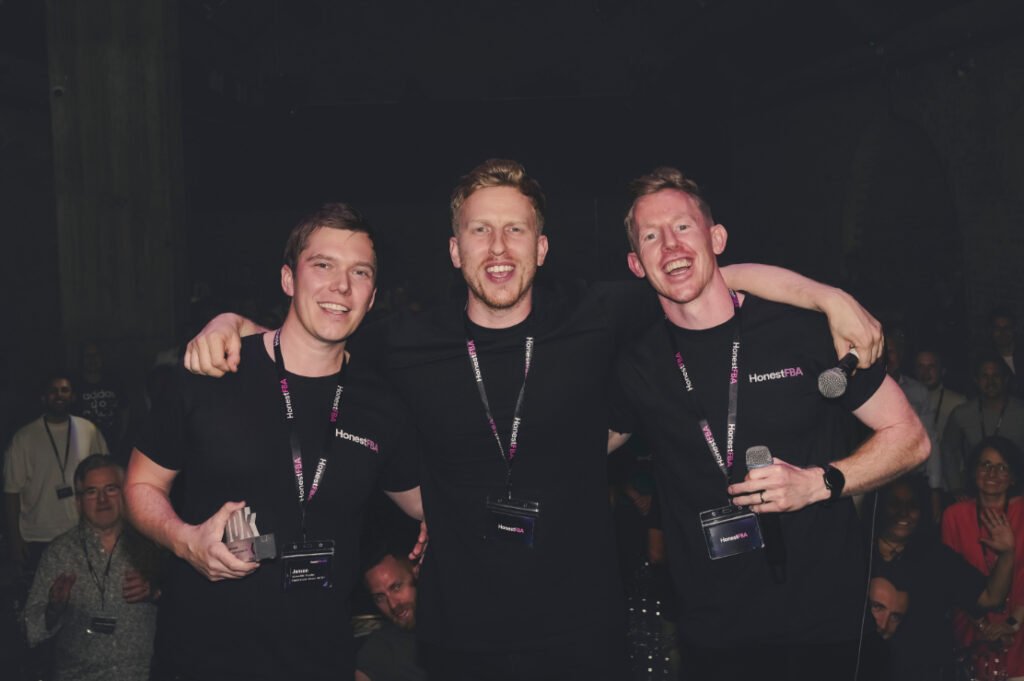
Birch went to university because that was what you did. Study hard, get a degree, get a job.
He picked marketing because he was interested in business.
He left owing £30,000 and says the experience gave him almost nothing he could actually use.
“You’re learning from professors but all they know is theory,” he said.
“They’ve never built a business.”
He’s had one job since where the degree was even tangentially relevant.
A role in tech. They didn’t ask to see it.
“University really frustrates me,” he said. “I left with £30,000 of debt. It was worthless.”
Two northern lads, one ‘outdated life plan’
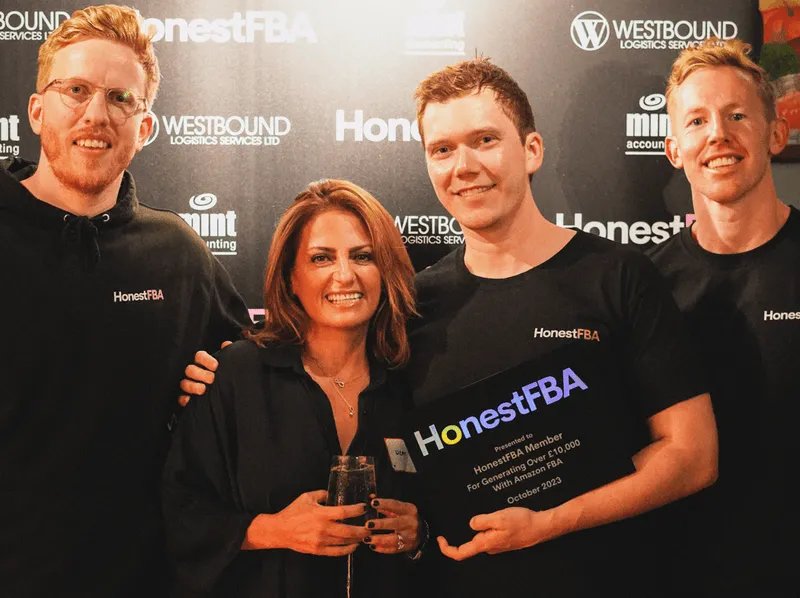
His co-founder Janson Smith has a near-identical backstory. Smith spent a decade as an investment banker in London after university, following what he calls the traditional route because he didn’t know what else to do.
“When you’re at school, you’re never taught about starting your own business,” Smith said.
“You’re only taught to go to university, get a nine to five job, you hate your life, you retire and then you die.”
Smith says the entrepreneurial instinct was always there. He was selling Mars bars at school and unlocked phones at university.
“I was the nerd,” he said. “Always buying and selling stuff.”
His mother was still shocked when he quit banking to start his own business.
“People are always quick to warn you,” he said. “They’ll tell you it’s too risky.”
The scam accusations never stop
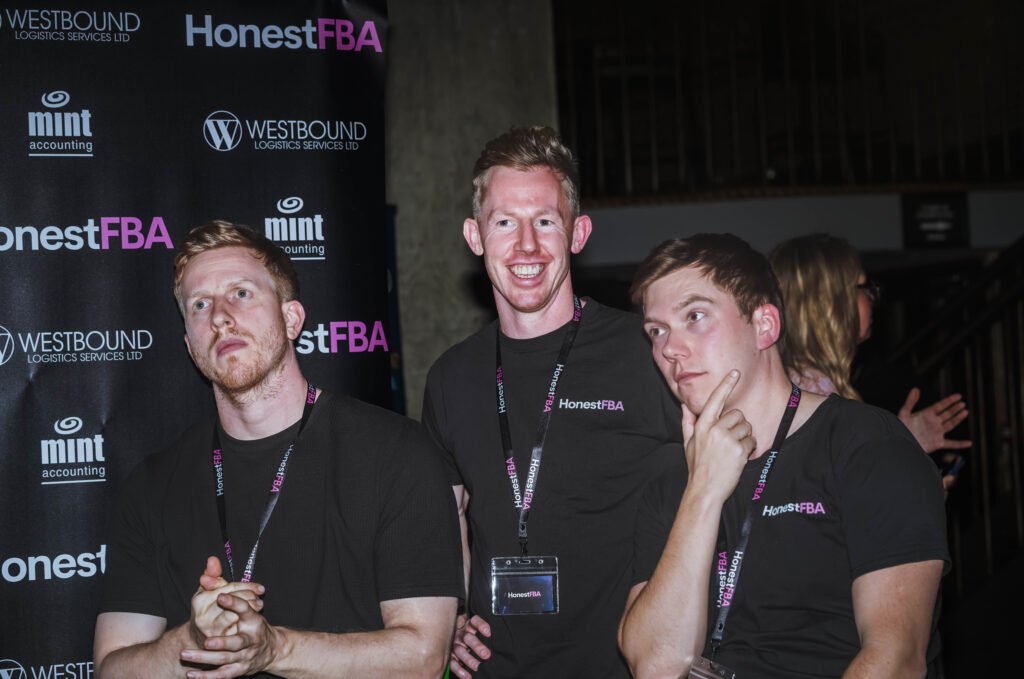
HonestBrands offers training, one-to-one coaching and access to a network of creators and entrepreneurs. It sits in a sector with a reputation problem.
Online course sellers are widely viewed with suspicion, and Birch says the backlash is relentless.
“I get keyboard warriors as soon as I advertise anything online,” he said.
“We can show results on webinars and they’ll still say it’s fake or we’re a scam. I’ve had people track me down on LinkedIn. They spend hours attacking me online.”
He calls it a “typical negative British mindset.”
When he mentions the $2 million monthly sales figure on social media, people flatly refuse to believe it.
Smith is keen to separate what they do from the Lamborghini-and-laptop crowd.
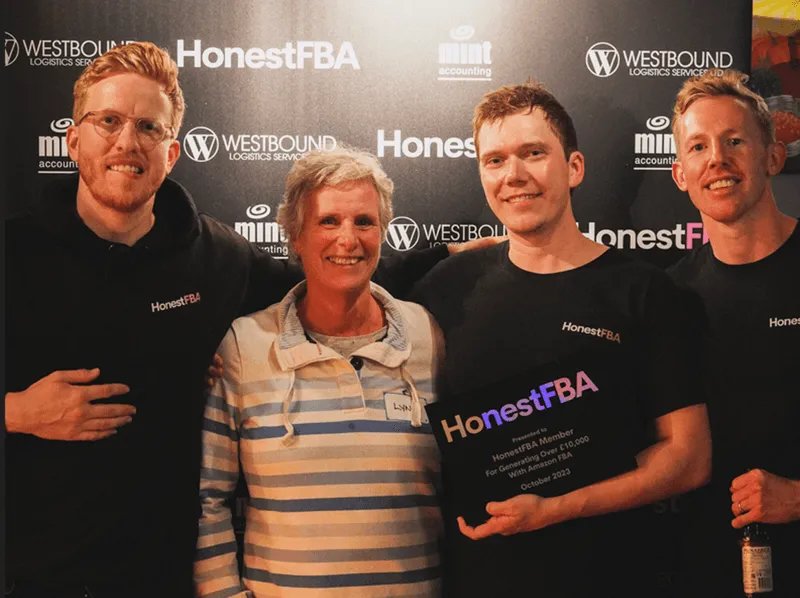
“We’re not looking to get rich by ripping anyone off, and we’re certainly not here to promote some unrealistic ‘Lambos and luxury’ lifestyle,” he said.
“It’s about showing that ordinary people can build something sustainable. Something that gives them more control over their time.”
It started with £500 a month
Birch says his ambitions six years ago were modest. He wanted to earn £500 a month to cover rent.
He didn’t believe he could do even that.
“Janson and I, we’re not idiots but we’re not Elon Musk,” he said.
“We’re just normal guys pursuing and making a dream happen.”
Smith frames the hostility simply. “When people feel like they can’t do something, they lash out,” he said.
“It’s a very limited mindset. It’s outside of what they believe is possible.”
Why it matters

The university-versus-entrepreneurship argument is hardly new, but it keeps resurfacing because the economics keep shifting.
Student debt rises, graduate wages stagnate, and platforms like TikTok and Shopify lower the barrier to starting a business to almost nothing.
Creators and entrepreneurs who position themselves as the alternative to formal education will always attract scepticism, partly because some of them deserve it and partly because the message is uncomfortable for anyone still paying off a loan they’re not sure was worth it.
The e-commerce education space is crowded and trust is thin on the ground.
Whether HonestBrands can maintain credibility as it scales will depend on whether the people it trains produce results that hold up to scrutiny, not just on webinars but long-term.
Birch and Smith say they’re building a community, not selling a shortcut.
The internet will decide whether it believes them.