
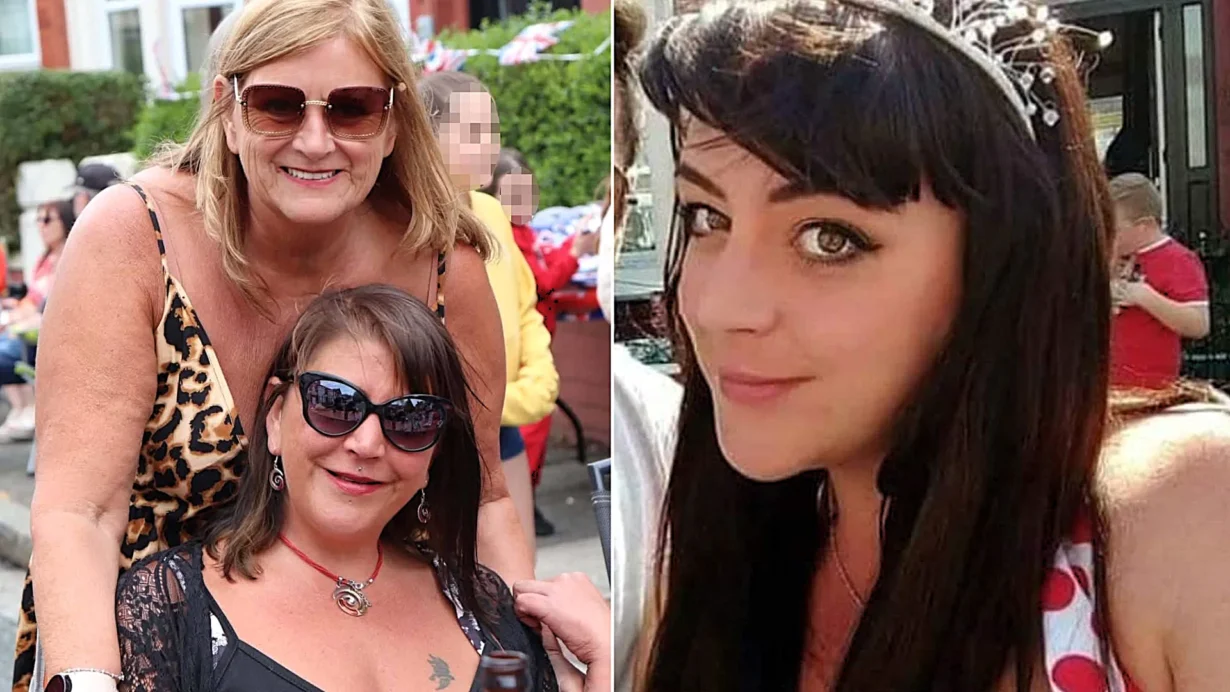

Carla Black was too ill to walk to the shops.
The wine came to her instead. Eighteen bottles in her final week, ordered through delivery apps her mother says made her addiction impossible to see.
Carla died of cirrhosis in December 2023. She was 38.
Her mum, Teri Black, 64, from Wirral, Merseyside, is now petitioning supermarkets, delivery companies and the government to build safeguards into a system she believes let her daughter drink herself to death from her own sofa.
“By the time I found out how bad things were for Carla, it was advanced,” Teri told CreatorZine.
A social drinker, until she wasn’t
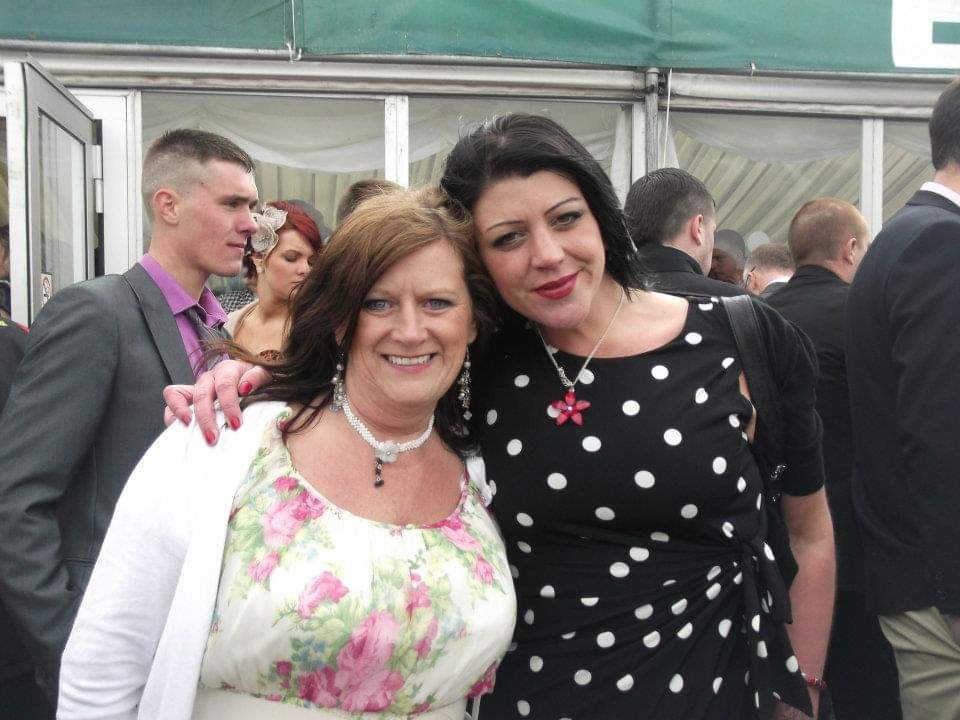
Teri says her daughter, an admin worker and mum of one, drank the way most people drink.
Socially. Nothing that worried anyone. That changed after a miscarriage and a painful break-up.
“Carla desperately wanted more kids but she had PCOS so it wasn’t easy for her,” Teri said.
“She got pregnant and lost the baby and it devastated her.”
Carla was also diagnosed with fibromyalgia, a long-term condition causing pain across the body.
By the end, she could barely walk. The shops were out of reach. The apps were not.

It was Teri’s grandson, now 19, who raised the alarm around 18 months before Carla died.
“I was shocked but I spoke to her about it and she told me I was judgy,” Teri said.
“I’d go round to clear empty bottles and she’d fill a whole recycling bin with wine bottles in a week.
“She couldn’t really walk so wasn’t capable of going to the shops. Carla was still working from home so I think she drank as soon as she finished.”
A diagnosis kept quiet

Five months before her death, Carla told her mother she had cirrhosis, the permanent scarring of the liver caused by long-term damage.
Teri believed it was an early diagnosis. It wasn’t.
“I was in total shock,” she said.
“I thought it was an early diagnosis but I think she didn’t want to hurt me.
“I asked her what we could do, I offered to pay for anything like rehab. I would have done anything.
I would have sold the house. I was aware she was still drinking and there was no point begging her to stop.”
The call from Spain
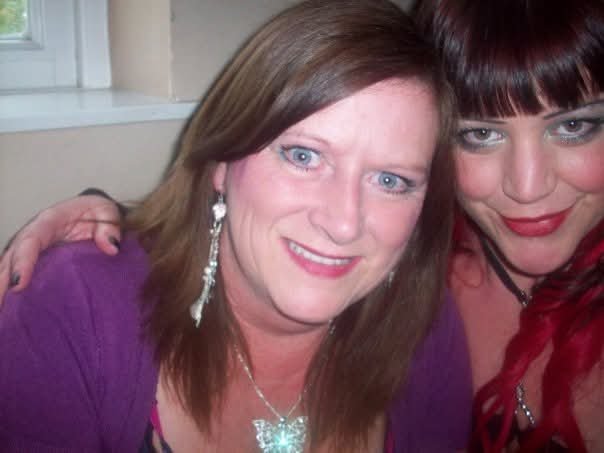
Teri was on holiday in Spain when Carla rang to say an ambulance was on its way.
Before the trip, Carla had refused to let her mother into the house, blaming a bug.
Teri left a food shop on the steps and flew out worried sick.
“She called me eventually and said there was an ambulance coming,” Teri said.
“The hospital called later that night to say she was quite poorly.
“My grandson called when I was in the airport and said Carla wanted to speak to me but she could barely talk.”

By the time Teri reached the hospital, the cirrhosis was too advanced.
“As soon as I got there, I knew she wasn’t coming home. I had to get everyone there to say bye to her.”
She had seen the delivery boxes stacked by Carla’s door.
“At the time, I was so angry about the alcohol deliveries. I ask myself why I didn’t stop it then. But I can try and stop it now [for others].
“I haven’t come to terms with it yet. I’m still numb now.”
The loophole nobody owns
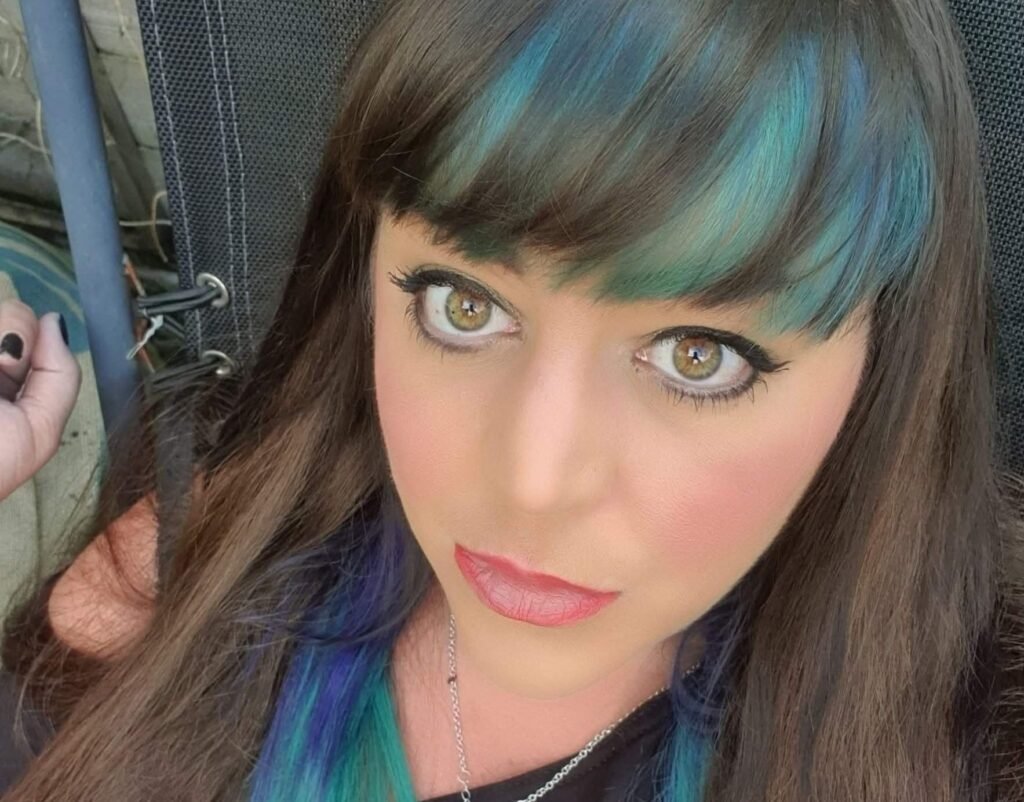
Teri’s petition calls for a review of alcohol home delivery and stronger protections for vulnerable adults.
Her argument is that responsibility has quietly gone missing between the supermarkets that hold the alcohol licence and the apps that carry the bottles.
“There’s such a massive loophole because it’s the supermarkets who hold the alcohol license so the delivery companies can fob responsibility off on someone else,” she said.
“People can ban themselves but it’s not working.
“Some people say an alcoholic will get alcohol if they want it but where would they get it late at night if their local shop is shut?
“I like a drink, I’m not trying to stop people having a good time. I want there to be a buffer, a limit or a flag so that person can have a think about what they’re doing.
“When you’re in a small area, people know you and can point out you go to the shop every day for three bottles of wine. Online, it’s private and under the radar.
“It’d not as simple as Carla, it’s a cost to the NHS, social services and the police. Something needs to be done.”
Why It Matters
Quick-commerce runs on removing friction, and friction is sometimes the only safeguard a vulnerable person has.
The corner shop owner who notices your daily three bottles doesn’t exist in an app.
Creators working in sobriety and recovery content have been making this point for years, often to audiences the platforms themselves can’t see.
Teri’s petition puts a name and a face to a question the delivery economy has so far dodged: when the licence holder and the courier both point at each other, who is actually responsible for the person at the door?
Rapid alcohol delivery has grown far faster than the rules around it, and regulators have focused on age checks rather than volume or vulnerability.
Teri’s campaign asks a harder question than “are you 18”.
The petition is live. Whether a supermarket, a delivery platform or a minister answers it first is the part worth watching.
“Carla was lucky she had me but not everyone has that support system.”
READ MORE: Women told a dead sex life is just part of ageing – two doctors say that advice is WRONG