


Everyone online appears to be having a wonderful time in bed.
Two doctors would like women to know that’s mostly fiction.
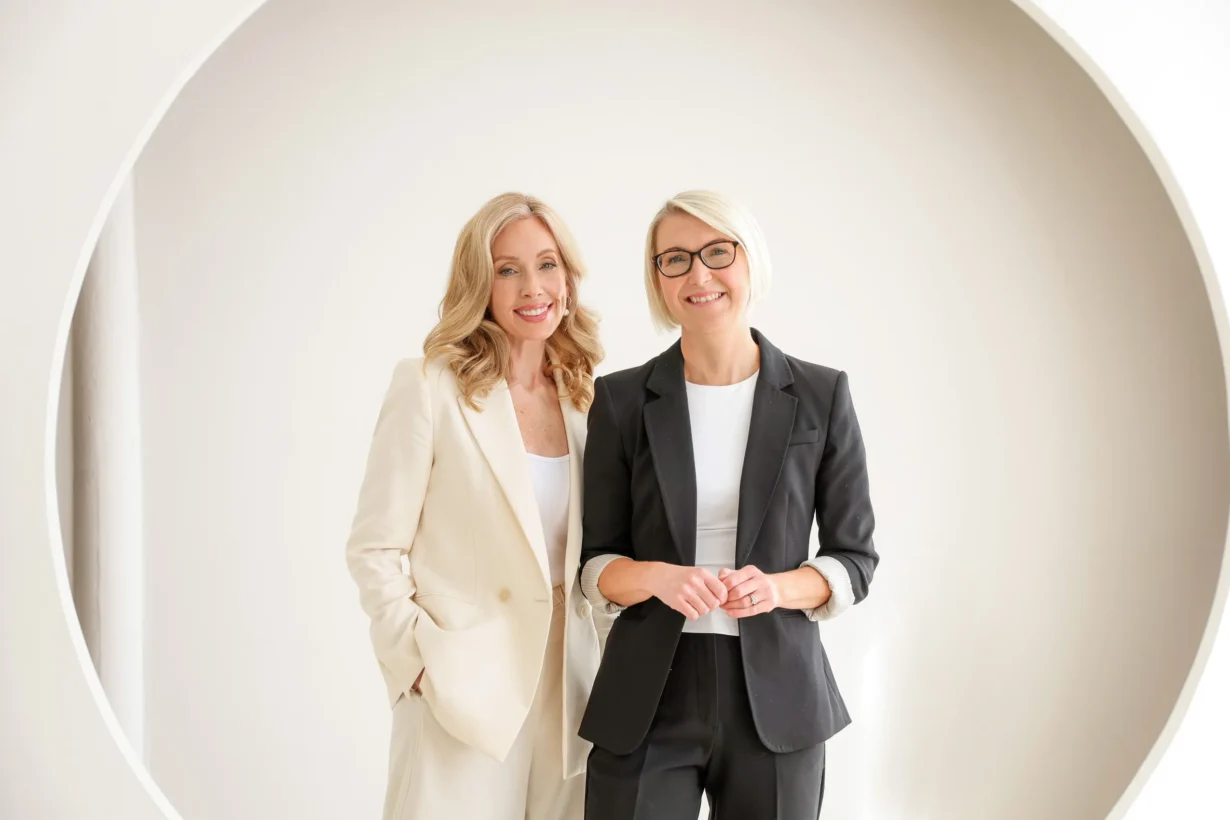
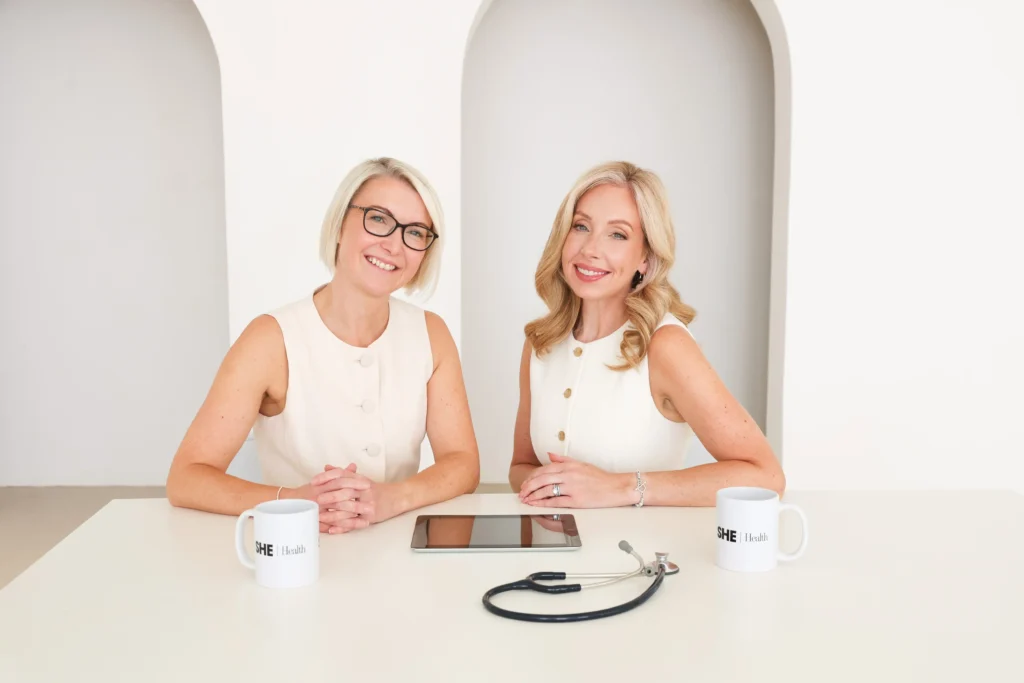
Dr Katie Hilton and Dr Laura Clark, both specialists in menopause and hormonal health, have a message for any woman who has quietly written off her sex drive for good.
READ MORE: My company kept paying me through chemo – now I owe £4,500 and they want me SILENT
Low libido is not an inevitable price of getting older, and treating it like one stops women asking for help that already exists.
The myth that does the damage
Hilton blames a steady drip of films, television and social media that all suggest everyone else is at it constantly and loving every second.
“We’re constantly exposed to messages through television, films and social media that suggest everyone is having amazing sex all the time,” she told CreatorZine.
“The reality is very different.”
The fallout is women who think they’re failing.
“Many women tell us they feel like they’re somehow failing because their desire has changed,” Hilton said.
Some assume something is broken in them. Others assume the relationship is.
Neither is usually true. Desire shifts with stress, sleep, health, hormones and the general state of a person’s life, and that movement is normal.
The harm comes from the shame, which keeps women quiet and sets a standard nobody can hit.
A clue, not a diagnosis
Hilton and Clark co-founded SHE Health, a private women’s health clinic in Cheshire that treats women across the UK.
Their starting point is that low libido is a “clue” rather than a diagnosis.
It points at something else.
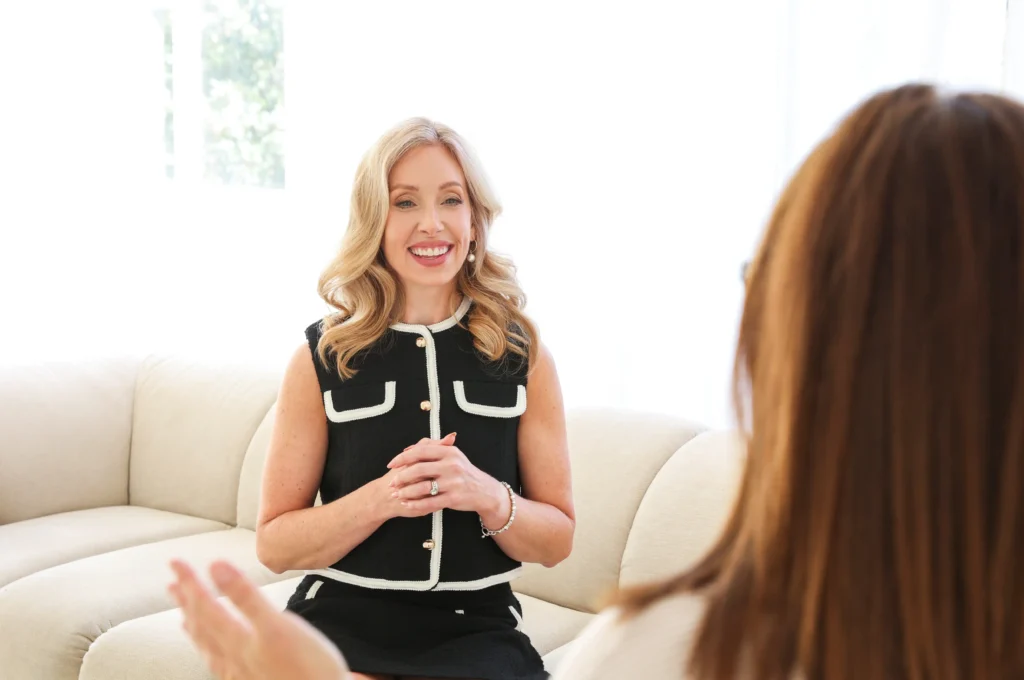
“Sometimes it’s a sign that hormones are changing, sometimes it’s a sign that a woman is exhausted, overwhelmed, stressed or not sleeping well,” Clark said.
Sometimes the relationship plays a part.
Sometimes sex has simply become painful because of vaginal dryness, which understandably puts a woman off.
Then there’s confidence, knocked sideways by body changes, weight gain, or just not feeling like yourself anymore.
“Rather than focusing solely on libido, we try to understand what’s happening in the bigger picture – often that’s where the answers are,” Clark said.
Intimacy isn’t only sex
A lot of the work, Hilton said, is removing the pressure.
“Intimacy doesn’t have to mean penetrative sex every time.” Affection, touch and closeness count too.
Treatment isn’t a switch either. Testosterone helps some women, but “it’s not a magic fix,” she said.
If someone is exhausted, sleeping badly and finding sex painful, no hormone sorts that on its own.
What perimenopause actually does
The biology is real. As oestrogen and testosterone fall away during perimenopause, some women notice desire drop with them.
At the same time fatigue, anxiety, brain fog, low mood and vaginal dryness arrive to make everything harder.
Rarely is it one thing. “It’s usually the result of a number of factors coming together at the same time,” Hilton said.
Careers, children, ageing parents, bad sleep, the mental load of running a household.
“By the end of the day, it’s not surprising that sex is often the last thing on their mind,” she said.
Quite.
You don’t have to just live with it
The misconception both doctors most want gone is the one that says women should accept a fading sex life as the cost of birthdays.
“While changes in sexual desire are common, that doesn’t mean women have to suffer in silence – there are often practical steps that can make a real difference,” Clark said.
She has a word for partners, too. The changes are rarely personal.
Many women still love their partner deeply and simply feel uncomfortable in their own body, or exhausted, or sore.
Handled openly, she said, perimenopause can push a couple to talk more honestly rather than less.
If desire has changed and it’s denting confidence or quality of life, her advice is plain: have the conversation.
Why It Matters

Women’s health is now one of the fastest-growing corners of the creator economy, and menopause is its breakout subject.
Creators are building real audiences on exactly the gap these doctors describe, the distance between the airbrushed version of sex and relationships people scroll past and the version they actually live.
That candour is the product. Trust follows the creators willing to say the unglamorous bit out loud, and brands have noticed where that trust goes.
It also points to where clinical authority and content are starting to blur.
Hilton and Clark run a clinic, but they reached this audience through a media outlet, not a waiting room.
The creators and practitioners who can do both, treat and explain, are the ones building something durable.
Femtech and menopause content have moved from niche wellness to a serious commercial category, with apps, supplement brands and creator-led platforms all competing for the same perimenopausal audience.
What happens next is a question of who that audience believes.
The doctors aren’t selling a cure, only a conversation.
Given how much of the internet runs on the fantasy they’re puncturing, that conversation has a very large room waiting for it.