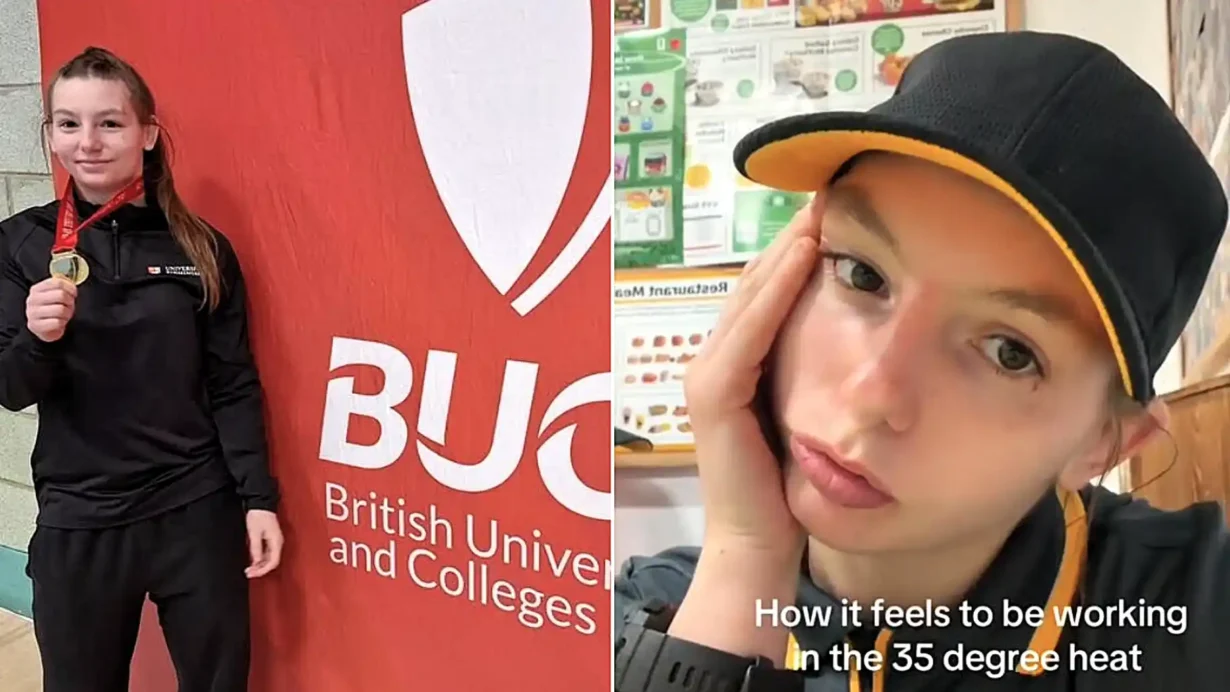

Summer Shaw won Scotland’s first judo medal of the Glasgow Commonwealth Games with her friends and family shouting from the stands.
Less than a week later she was back on shift at McDonald’s.
Nobody at work made much of it.
READ MORE: I gave away every bit of baby kit – then fell pregnant with my third, I bought it ALL back for £365
Shaw, 22, has done judo for 14 years and went into the -48kg category ranked fourth. She came out with bronze.
“I always knew I could do it,” she said. “I went into the competition ranked fourth, so I knew it was in my reach.
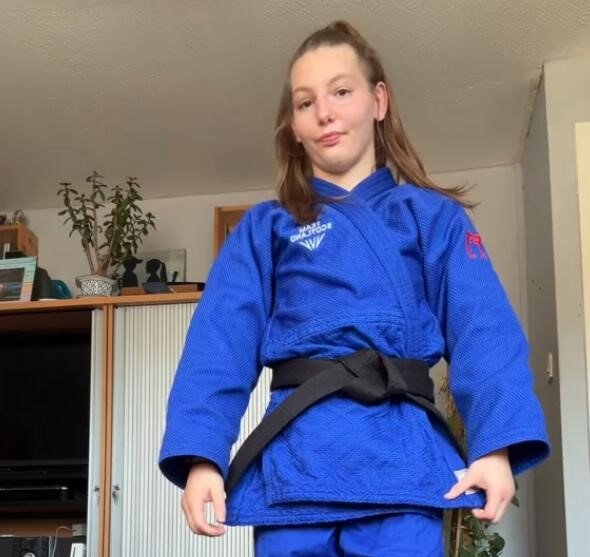
“The crowd were super supportive. It was a home game for me, so I was over the moon to take the medal in front of all my friends and family, although I was the tiniest bit disappointed not to win the gold medal.”
The tiniest bit.
The part nobody films
Back at the family home in Surrey, Shaw returned to her part-time job at the McDonald’s in Camberley.
She was fine about it.
“That’s just life for me,” she said.
Her colleagues marked the achievement with considerable restraint.
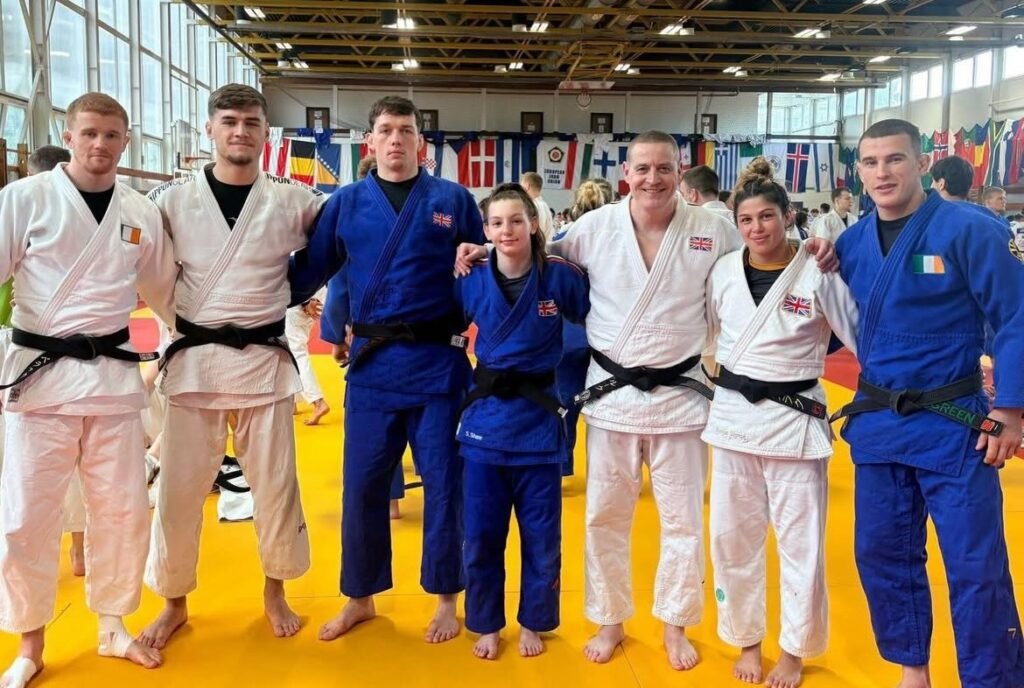
“I got some congratulations from my coworkers but nothing crazy which I don’t mind,” she said.
“I like that there’s a place where I’m known for being me rather than just my sport.”
A genetics degree and a shift pattern
She is based in Walsall while training at the British Judo National Training Centre.
She recently graduated from the University of Birmingham with a 2:1 in Biological Sciences, specialising in genetics.
Then there’s the job.
The money doesn’t stretch
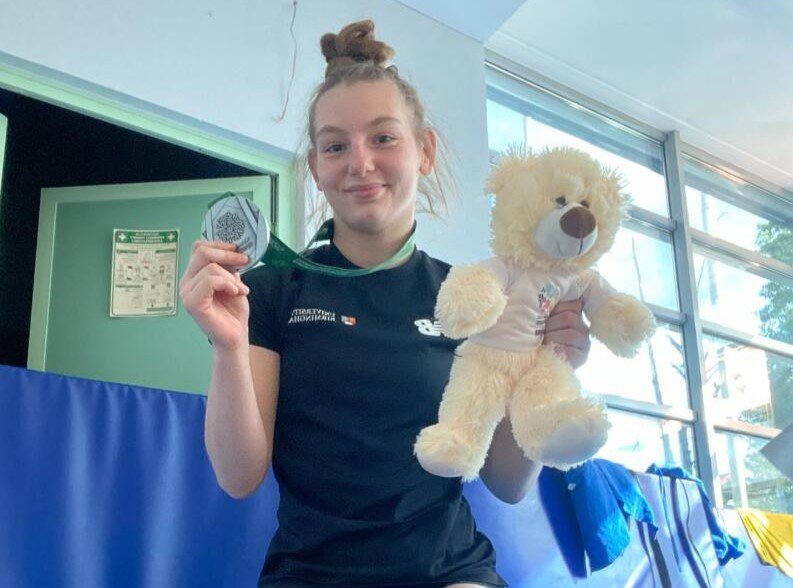
Shaw thinks her week says something about what happens to athletes in sports that sit outside the big funding streams.
“I think judo is just a smaller sport in the UK and doesn’t get the hype it deserves. I’m biased though,” she said.
“For many athletes, even ones like me that do receive funding from UK Sport, that’s not enough to cover all of our expenses and to cover the cost of all training and competition.
“Sponsorships in the lesser-funded sports would go sooo far for individual athletes.”
1.2 million views and a comments section
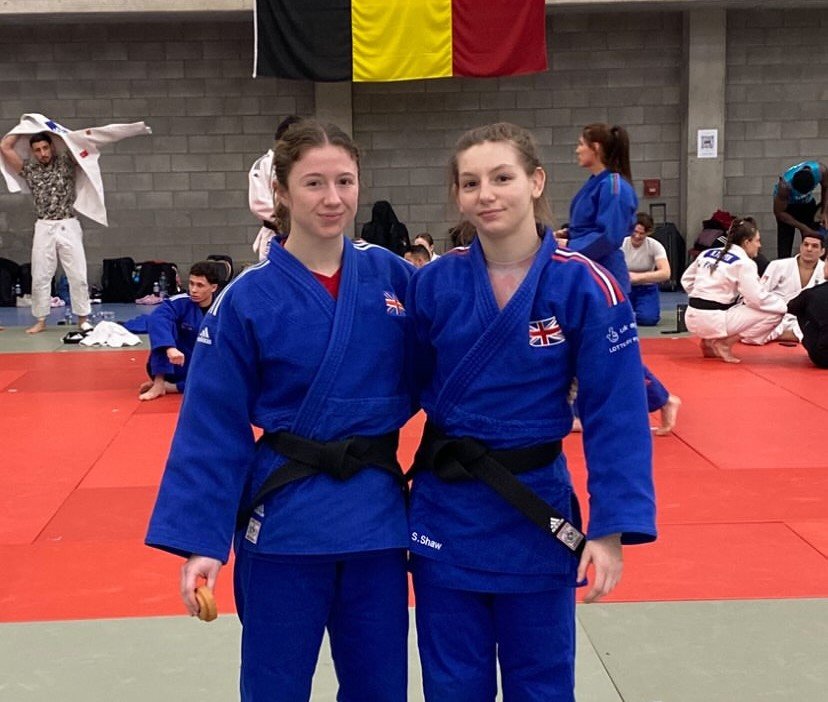
She made a short video about going back to work. More than 1.2 million people have watched it since.
The comments arrived in roughly the formation you’d expect.
“Congratulations on all you’ve achieved. I’m sure good things will come to you for all the sacrifices and efforts you’ve made,” one person wrote.
“Flipping people one week, flipping burgers the next. As long as you stay flipping,” said another.
“Okay, but judo medalist, student and holding down a job at the same time. You should be so proud girl you must have crazy work ethic,” one added.
“Damnnn, you really never know what goes on in people’s lives,” said another.
One reply came with instructions attached: “Wear the medal to work… Dare your manager to tell you to take it off.”
Why it matters
For athletes outside football and athletics money, the audience has quietly become part of the job.
A Commonwealth medal buys you a line in a results roundup.
A few seconds of footage in a McDonald’s uniform buys you 1.2 million people and a public argument about how Britain pays for its athletes.
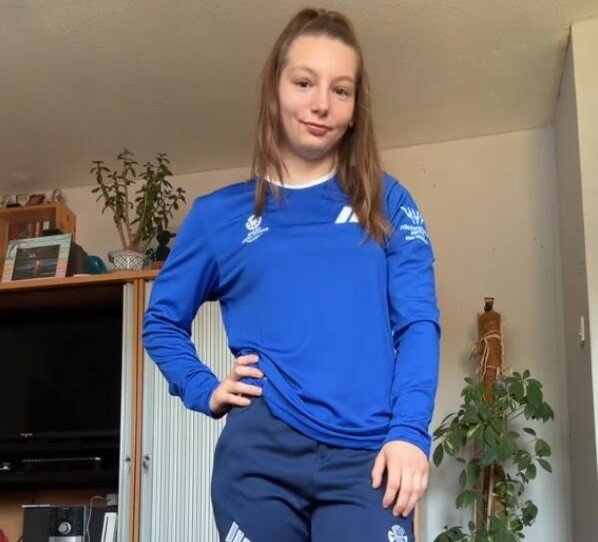
Shaw didn’t engineer that with a content plan.
She got it by saying out loud what most athletes in minority sports keep to themselves, which is that elite competition is a second career funded by a first one.
That honesty is now the most valuable sponsorship asset she has, and it cost her nothing to make.
Brands worked this out before most governing bodies did.
An athlete with a visible struggle and a comments section full of people who feel personally invested in the outcome offers something a stadium hoarding never will.
Sponsorship budgets have been drifting towards individual athletes with their own audiences for several years, and a stripped-back Commonwealth Games has put athlete funding back into open conversation at exactly the moment Shaw’s clip landed.
Next up are the senior World Championships and the U23 European Championships later this year, with Los Angeles and Brisbane sitting further out.
Competition entries have to be paid for somehow.