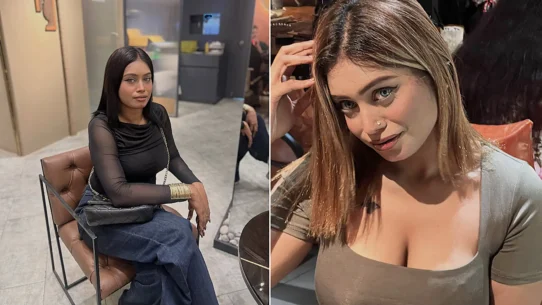
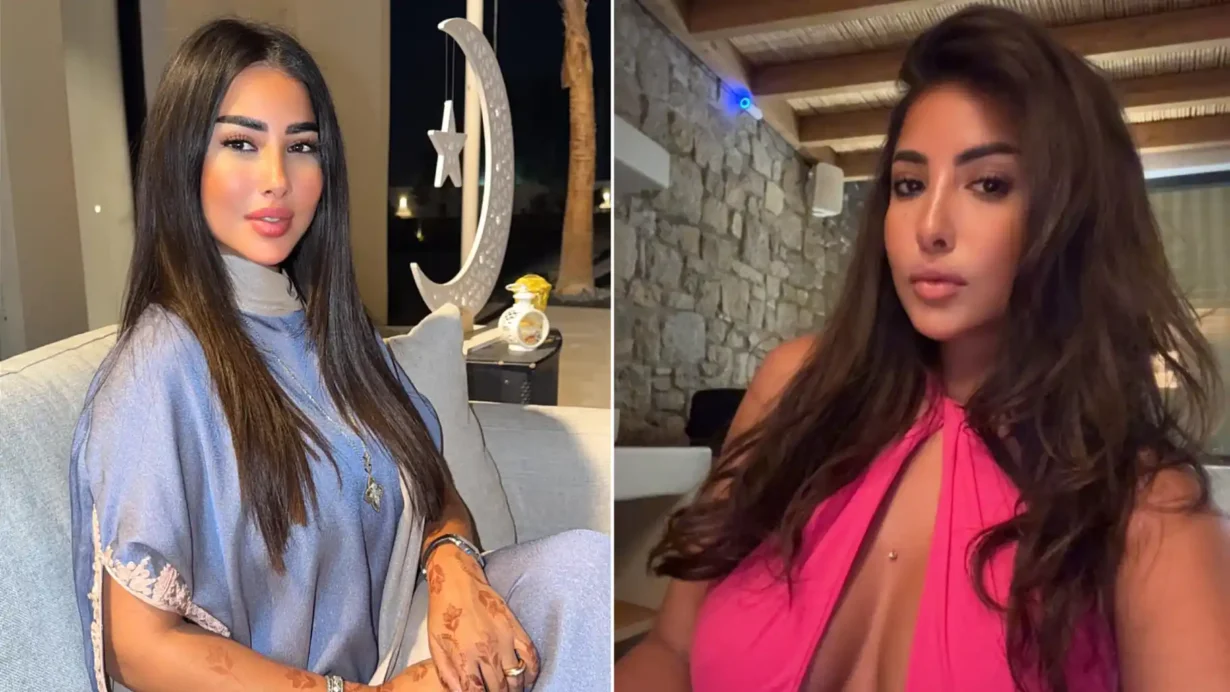

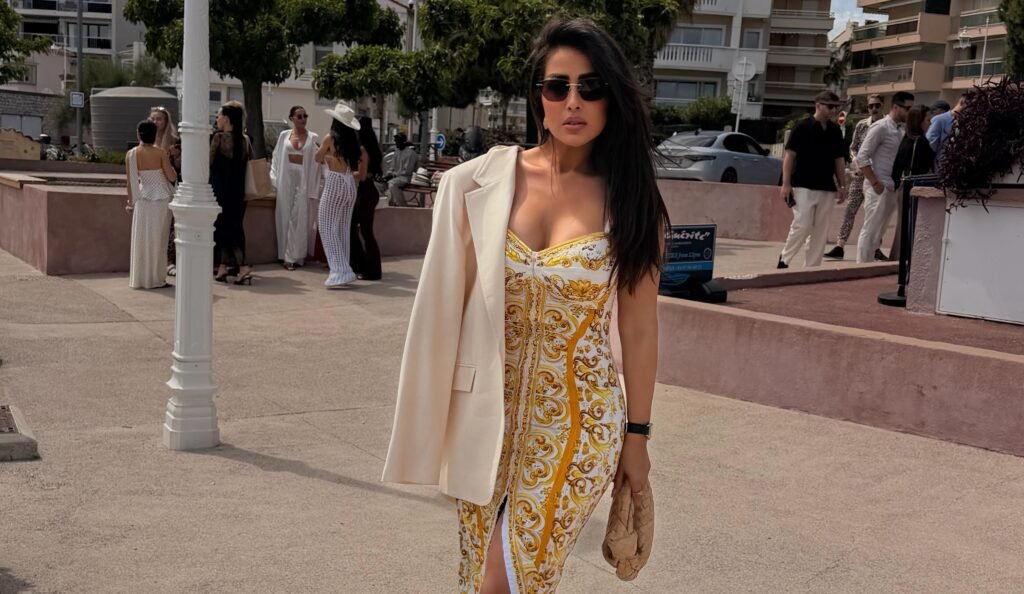
Police were waiting for Soukaina Janah at Casablanca airport.
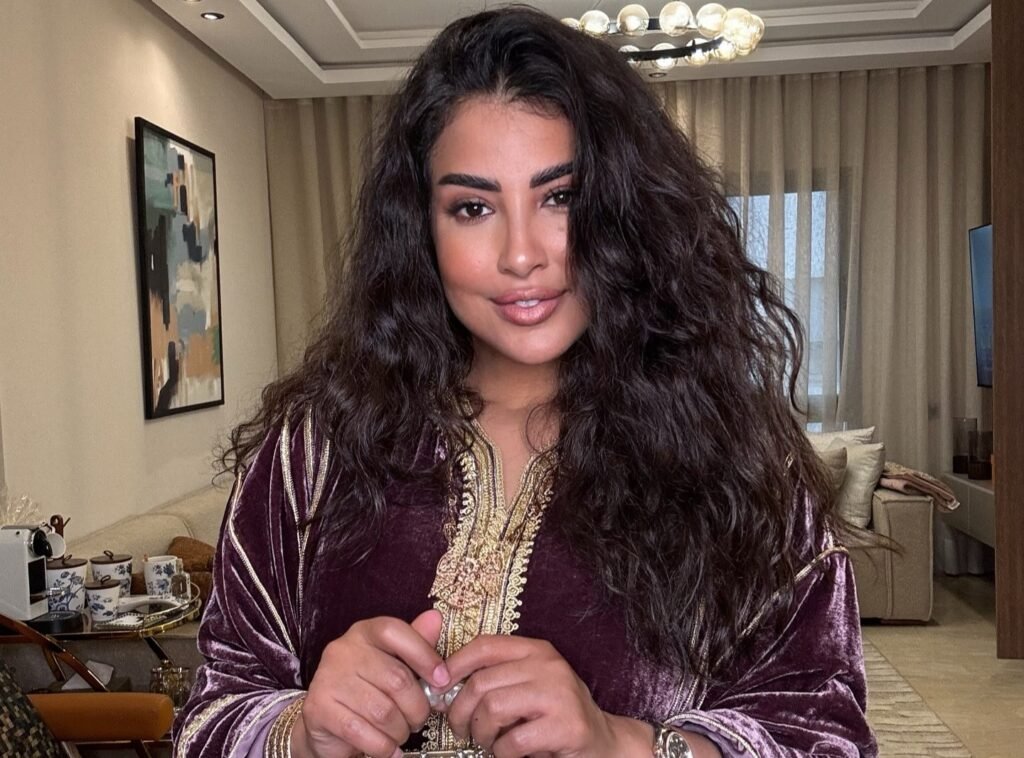
She had already told her 1.1 million Instagram followers that the videos circulating under her name were not real.
Officers detained the influencer, known online as Soukaina Glamour, at Mohammed V International Airport in Nouaceur on Wednesday, according to CreatorZine.
She was due to fly out of the country.
The trip does not appear to be connected to the allegations, according to reports.
Morocco’s public prosecutor had already ordered a judicial investigation.
Investigators want to establish where the footage came from and how it spread.
How the videos reached the police
The police’s digital monitoring services picked up the footage as it circulated on social media, local publications say.
Those same reports describe the material as offensive to public decency, a category Moroccan law treats as a criminal matter.
Nobody has said publicly what the videos show.
The authorities have released almost nothing else.
The apology that came first
Before the arrest, Soukaina posted a message to her Moroccan followers. She apologised.
She also said the footage had been manipulated using AI, accused unnamed people of fabricating it, and said she intended to take legal action.
Fakes.
That claim now sits at the centre of the case.
Officers are questioning her further under the supervision of the Public Prosecution Service, and whether the videos are authentic is the question the whole investigation turns on.
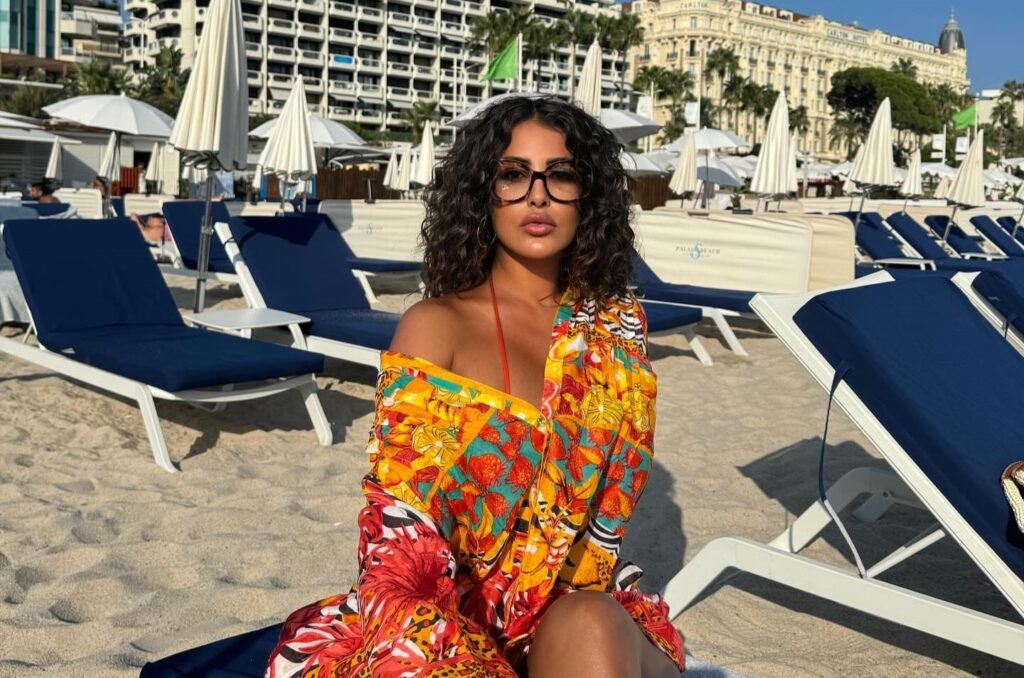
Her account, built on lifestyle, fashion and cosmetics posts, has not addressed the arrest.
Why It Matters
Every creator with a face and a following now has access to the same defence, and no reliable way of proving they need it.
AI manipulation is real, common and cheap.

It is also the most convenient thing a person in trouble can say.
From the outside, a genuine victim of a deepfake and someone reaching for a modern alibi look identical.
The burden falls on forensic analysis, which is slow, and on platforms, which are slower. Footage circulates for days.
Verification takes weeks. The audience decides long before either finishes.
Britain criminalised the sharing of intimate deepfake images under the Online Safety Act, and a handful of other countries have moved in the same direction.

Most have not, and few police forces anywhere can authenticate a video at the speed one travels.
Soukaina’s 1.1 million followers came for the cosmetics content.
What happens to them now rests on a technical question nobody has answered yet, in a case where the authorities have said almost nothing and are under no obligation to say more.
The investigation continues. So does the footage.
READ MORE: A 3.5m ‘great white’ came within a metre of my board – then I had to clear the beach MYSELF