


Kalle Lappinen had swept the same patch of Finnish ground before and come away with nothing.
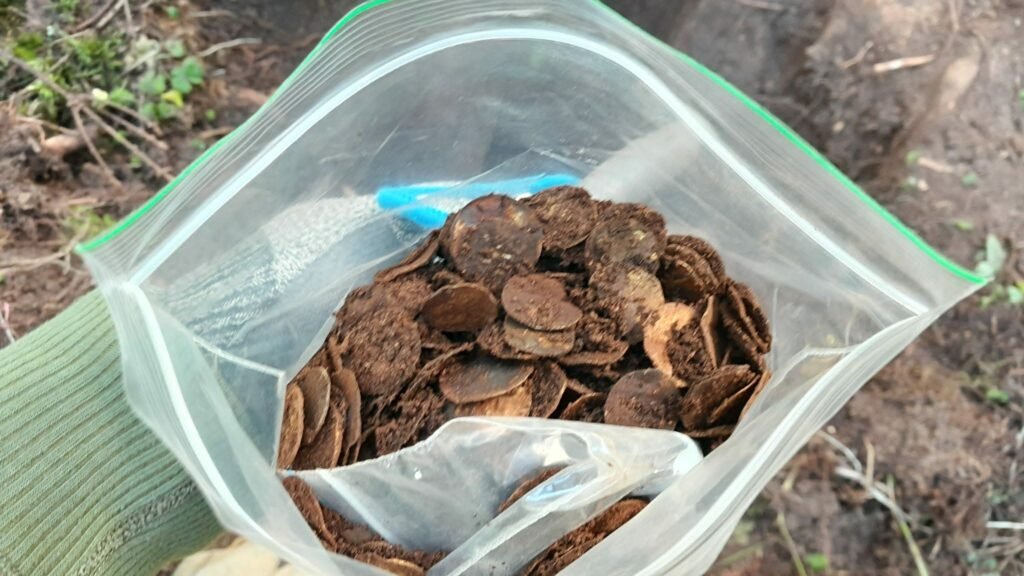
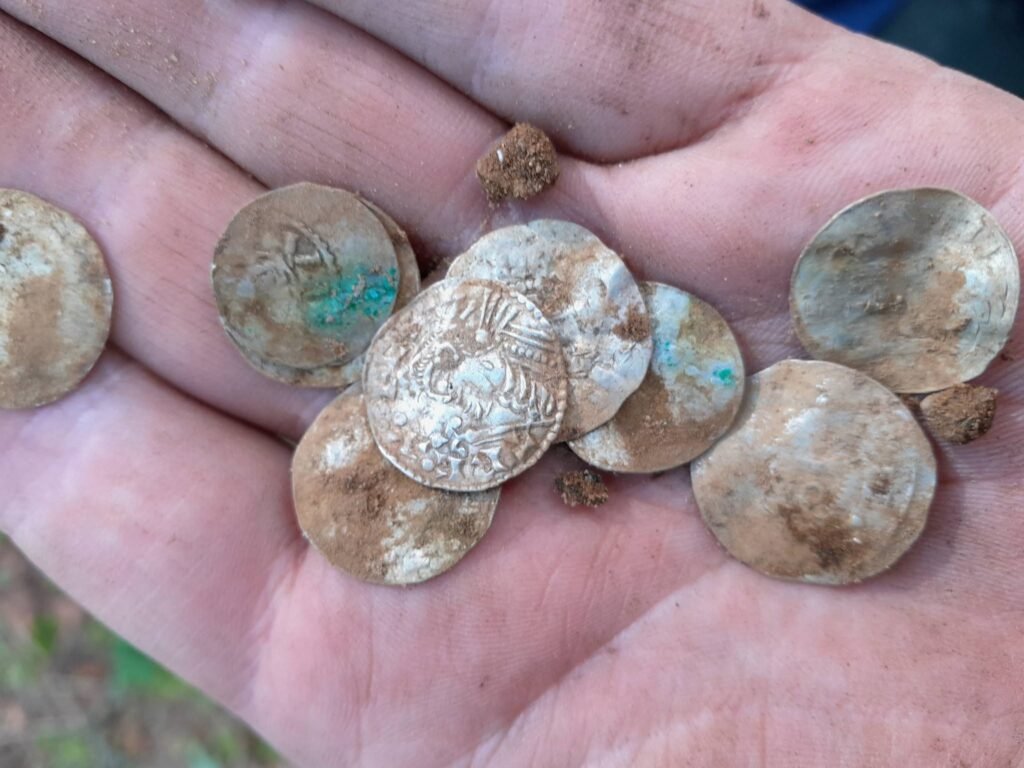
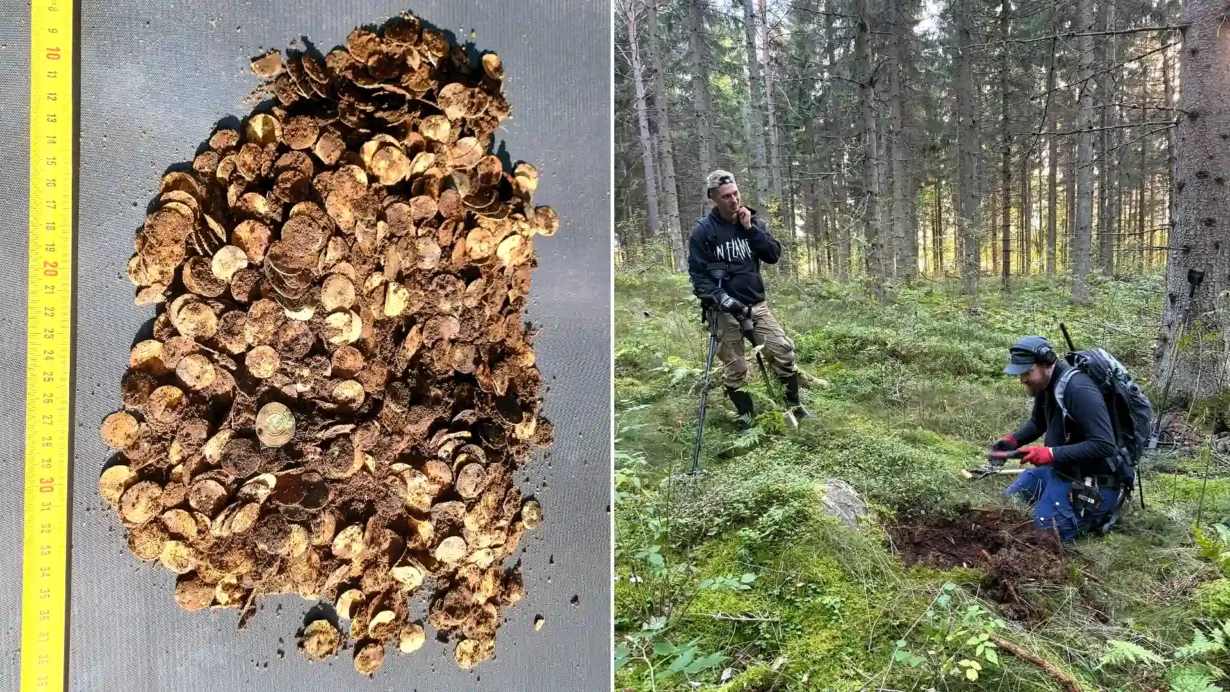
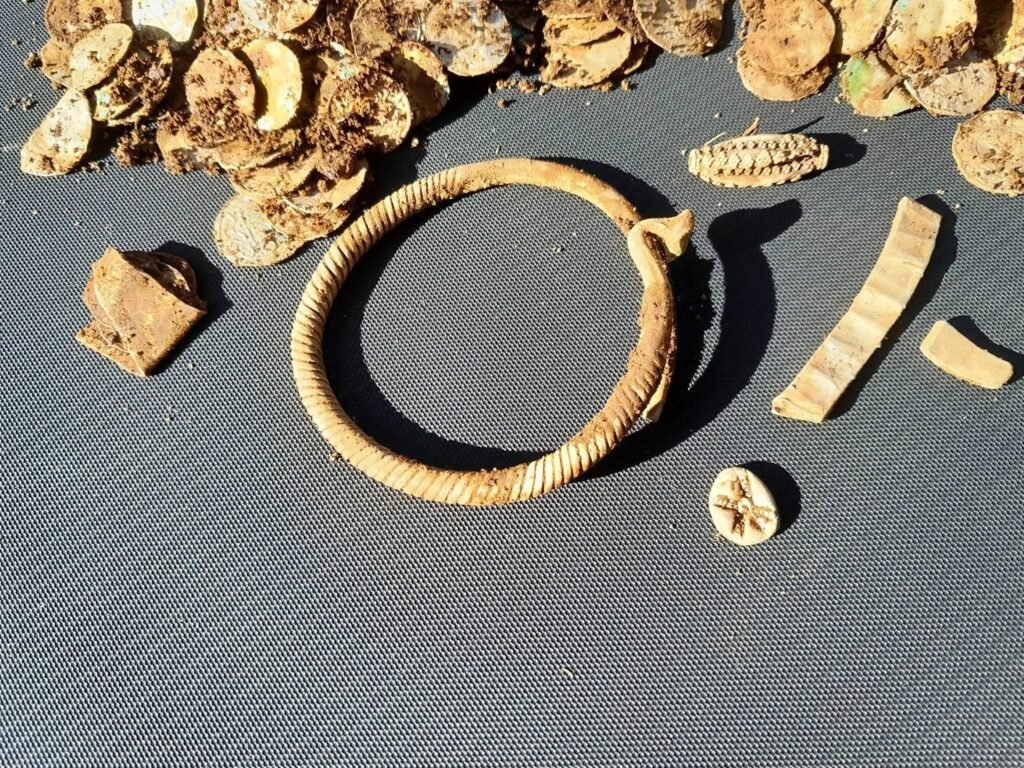
On 3 September his detector changed its tune, and 45cm down he found thousands of silver coins packed into pots made of birch bark.
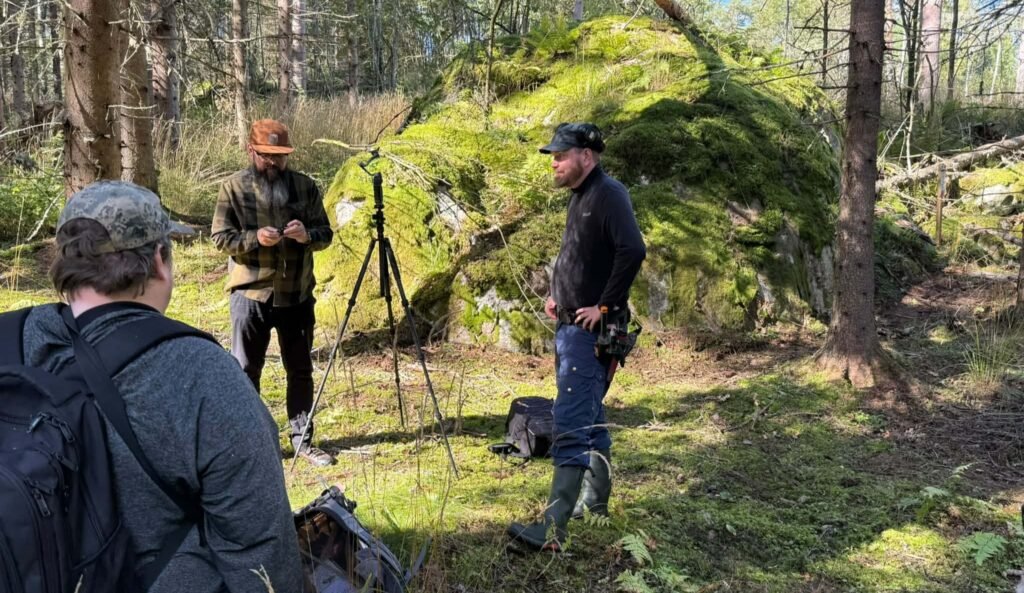
The hoard came out of the ground near Sysmä church village in Päijät-Häme, southern Finland.
Both birch-bark containers sat at roughly the same depth, wedged between stones and about 12 metres from each other.
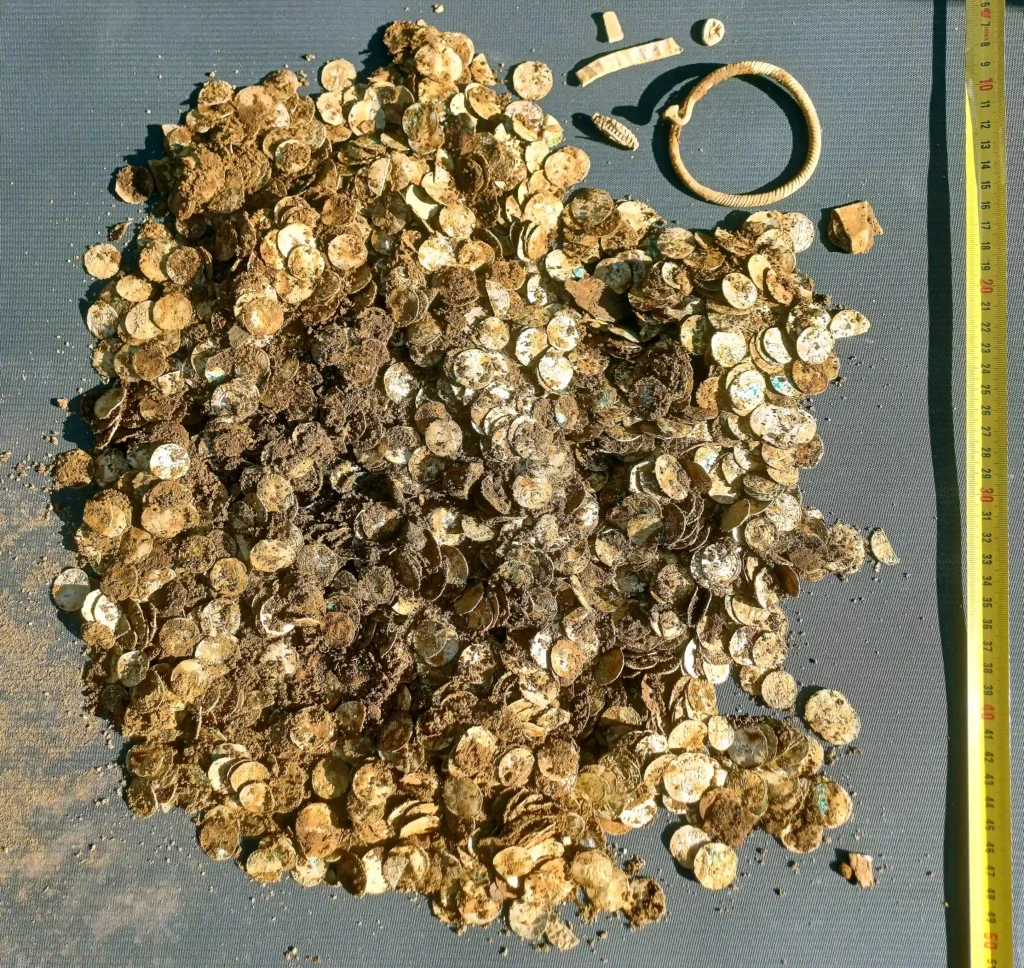
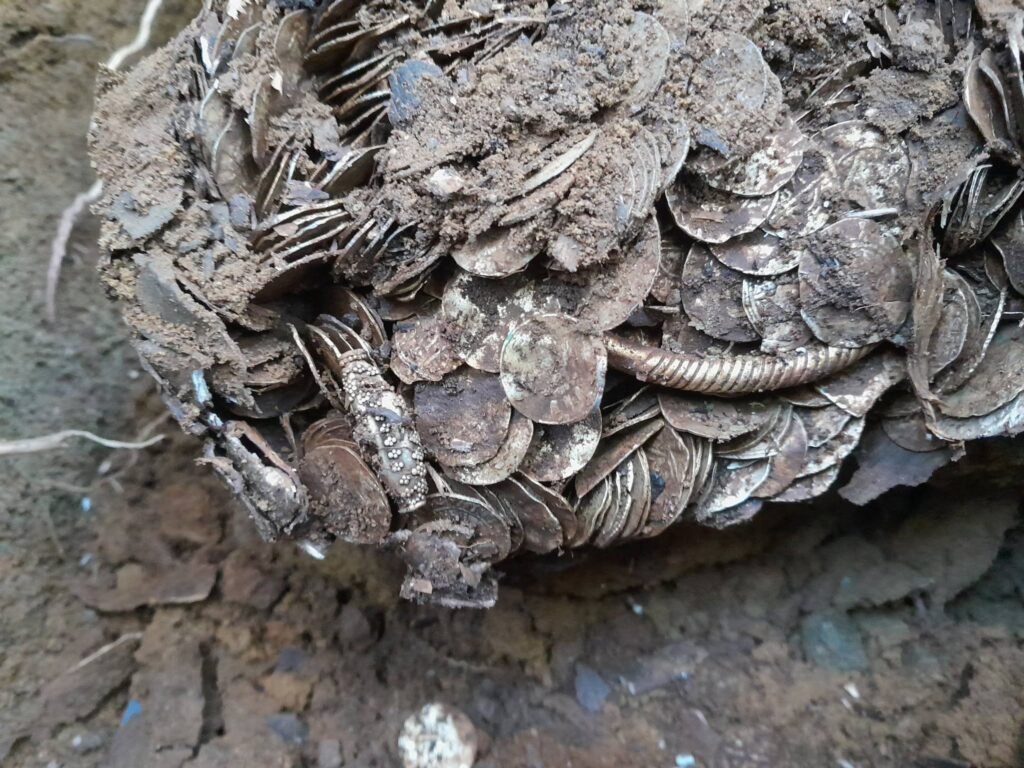
Coins account for most of the weight. The rest is hacksilver, a silver bracelet, a silver fitting and a single silver bead.
A record that stood since 1895
The haul weighs around 4.5kg, or 9.9lb.
Finland’s previous best came out of the ground at Nousiainen in 1895: roughly 1,700 coins and assorted objects, about 2.2kg all in.

Lappinen’s find more than doubles it.
A museum spokesperson called it the largest Late Iron Age coin cache ever found in the country.
Lahti museum director Tuulia Tuomi picked out the scale of it as the genuinely unusual part.
“Ninety-nine per cent of finds are rubbish”
Lappinen described the moment as disbelief first, adrenaline second.
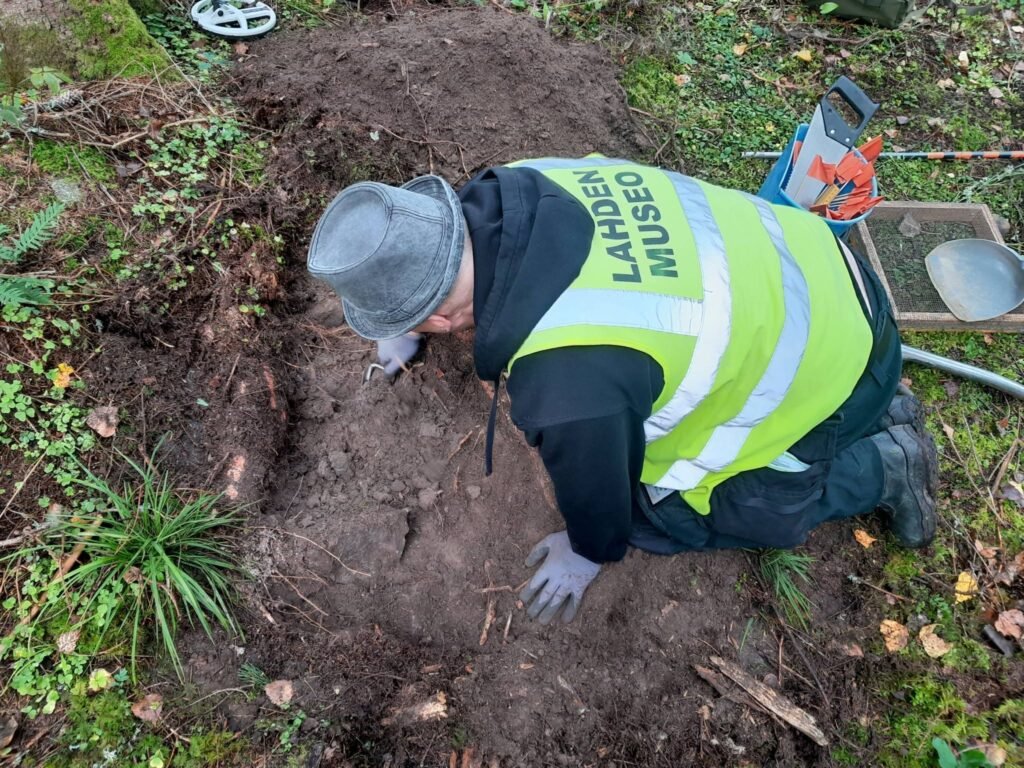
“The work was worth it,” he said. “Ninety-nine per cent of finds are rubbish or just metal deposits.”
He had walked over that ground already and been close to packing the search in.
Nobody has counted them yet
Esko Tikkala, an archaeologist with Lahti Museums, inspected the site the day after the find.
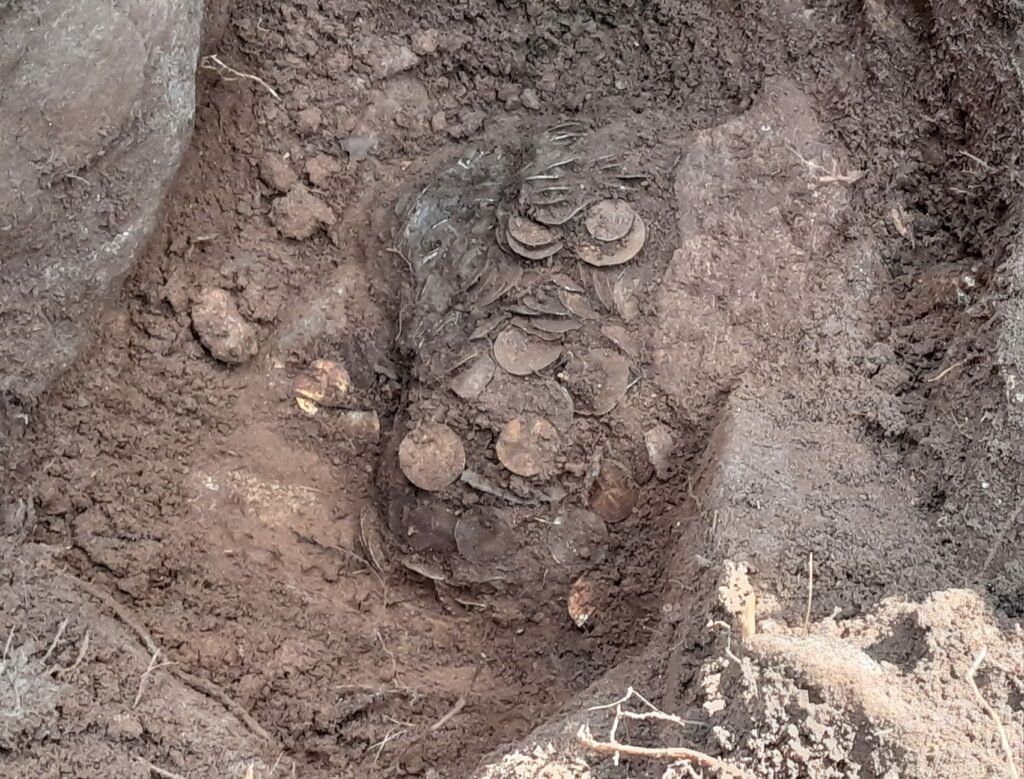
The coins remain uncleaned, unseparated and uncounted, which means the headline number everyone wants does not exist yet.
Finland’s Late Iron Age runs roughly from AD 800 to 1300.
Until specialists date the coins properly, “Viking-era” is a working label rather than a verdict.
Further study will settle the count, the exact weight and the age.
Why It Matters
Creatorzine editorial framing.
Metal detecting has quietly become one of the most watchable formats online, and the reason sits inside Lappinen’s own line about the 99%.
The genre runs on delayed payoff: hours of bottle caps and horseshoe nails, then a signal that means something.
Creators in the space have built audiences on exactly that ratio, and a genuine national-record find is the sort of clip that outperforms months of upload discipline in a single afternoon.
It also demonstrates the format’s built-in problem.
The story that makes a channel is the one nobody can schedule.
Detecting and treasure-hunting content has grown fast on YouTube and TikTok over the past few years, helped along by high-profile European finds that travel well internationally regardless of language.
Cleaning and cataloguing a hoard this size takes months, and the number of coins will land long after the story has stopped trending.
Lappinen, meanwhile, still has a detector and a country full of ground he has not walked over yet.