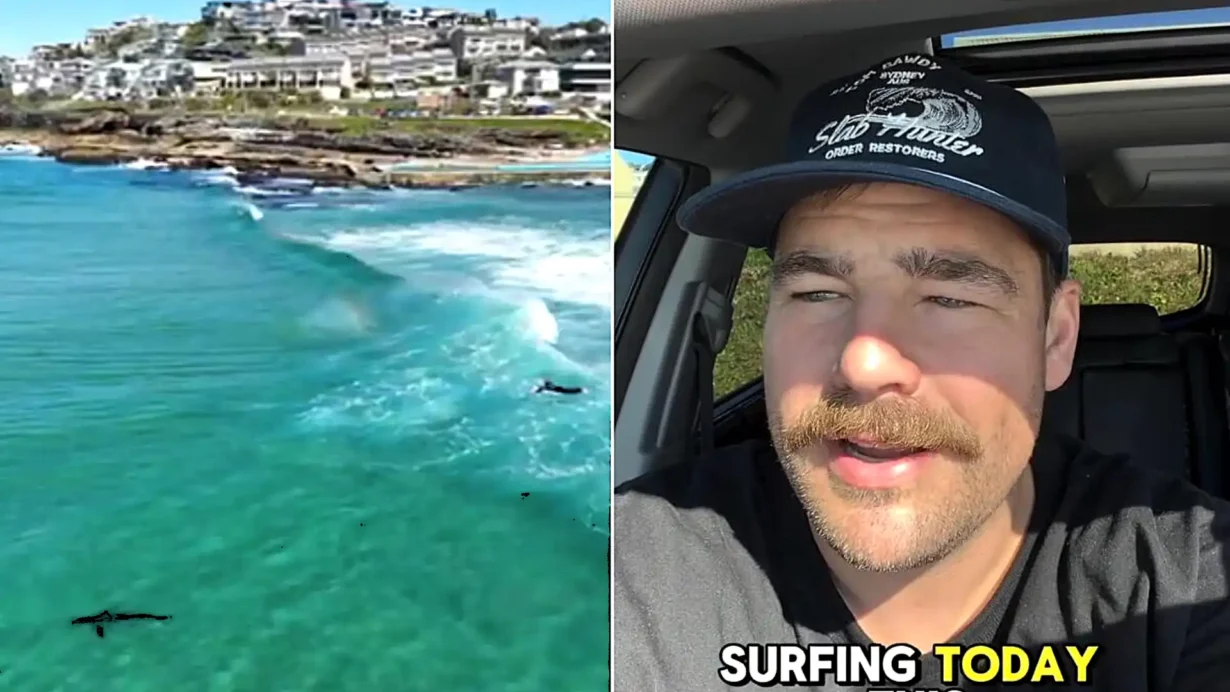

Luke Petersen watched a suspected 3.5-metre great white cruise within a metre of his bodyboard at Curl Curl Beach on Tuesday morning, turn a slow 180, and swim off.
Then he got to work.
The shark approached slowly while Luke was in the water at the Sydney northern beaches surf spot, and by the time he reached the sand, the story had already grown legs.
Word along the beach was that it had bumped him. Chased him, even.
It hadn’t.
“Bit of Chinese whispers must have got around the beach today,” Luke wrote beneath footage shared by local surfer Tom Bawdy.
“The shark didn’t bump me. It just came within a metre to suss me out and actually did a 180 and swam away.”
Luke warned the surfer next to him and the pair calmly caught a small wave in.
He said the shark seemed inquisitive rather than aggressive, and that he made a point of not thrashing about.
Once ashore, he moved along the beach whistling and calling until the remaining surfers got out.
Up to 30 of them were in the sea at the time, along with a swimmer, he told News.com.au.
‘I don’t want to be eaten’
Tom, who runs a clothing brand when he isn’t surfing, arrived shortly afterwards and filmed what appeared to be the same shark gliding through clear water near the break.
“There it is. This is really rocking me,” he said in the clip.
“I don’t want to be eaten. I’m not going surfing today.”
Fair.
Dan England, drone operator and owner of the Three Seagulls café, captured his own footage later that day, reportedly launching around half an hour after Luke came ashore.
He said two drone operators were tracking sharks at the northern and southern ends of Curl Curl, and grew frustrated when surfers appeared to ignore their warnings.
An hour before the alarm
Luke sent up his own drone after reaching land and spotted the shark again.
What he didn’t spot, he claims, was any official shark-surveillance drone during the hour he spent in the water between 9am and 10am.
In his Instagram comment he said almost an hour passed before the first shark alarm sounded, leaving surfers to warn one another down the beach in the meantime.
He has called for a better process for raising alarms and putting up shark-warning signs.
Surf Life Saving NSW tells it differently.
The organisation said its Curl Curl drone operator had been flying at the northern end of the beach before being diverted south, where they corroborated the sighting and set off the drone’s built-in alarm, tracking the shark until it left the area.
The encounter lands in a grim year for Australian waters.
The country has recorded nine shark attacks so far in 2026, four of them fatal, killing Nico Antic, 12, Steven Mattaboni, 38, Michael Jensz, 39, and Daniel Turpin, 35.
Authorities have not confirmed the species of the Curl Curl shark.
The footage travelled well beyond the northern beaches.
“Terrifying,” offered one viewer.

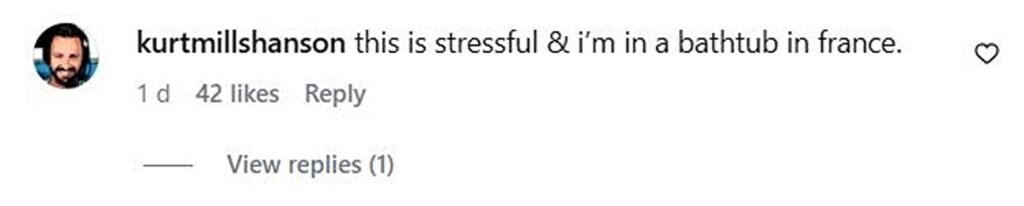
Another managed: “This is stressful and I’m in a bathtub in France.”
Why it matters
Every frame of this story came from creators, not officials.
A surfer with a clothing brand filmed the shark.
A café owner launched his drone.
Luke corrected the beach rumour mill from an Instagram comment section, then put his own aircraft in the air while asking where the official one had been.
When local creators move faster than the safety infrastructure, their footage stops being content and becomes the public record, which is the position drone pilots and surf filmers across Australia now occupy every summer.
It fits a wider pattern in which citizen drone operators routinely beat official channels to shark sightings, and the clips circulate long before any statement does.
Luke wants the alarm process overhauled; Surf Life Saving NSW insists its system did its job.
The next close pass at Curl Curl will show which of them is right.