
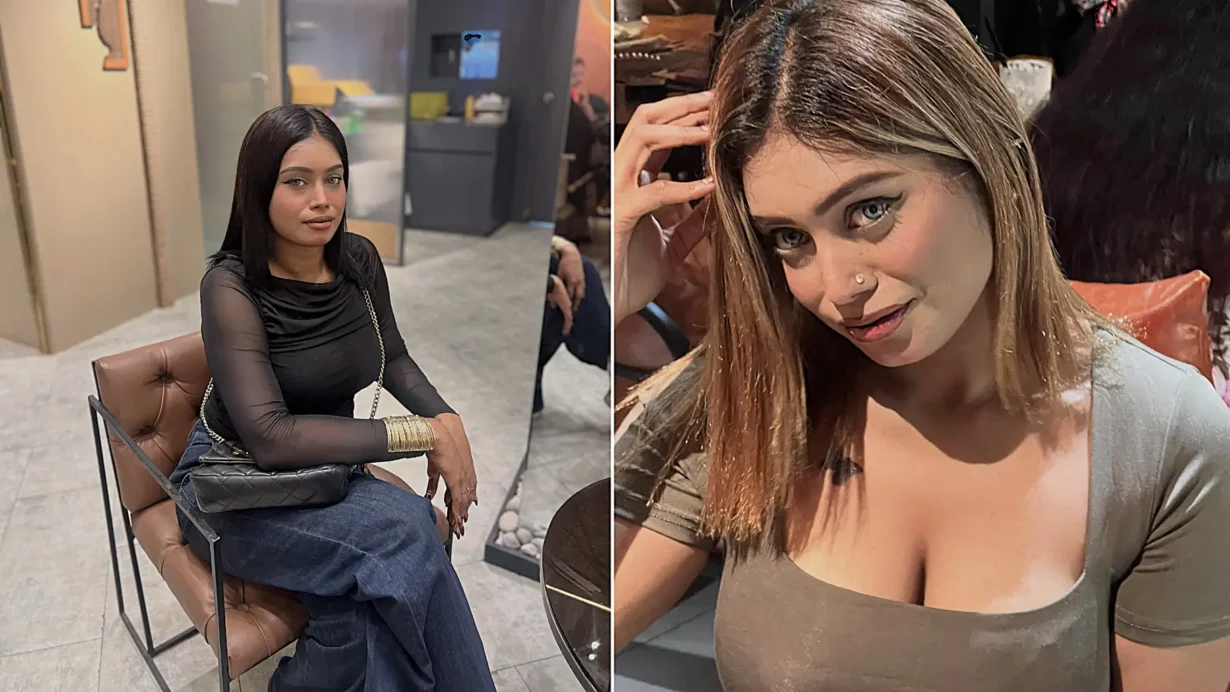

Police in Dhaka arrested an influencer over an alleged pornography operation.
Then they arrested her boyfriend. Then they arrested her father.
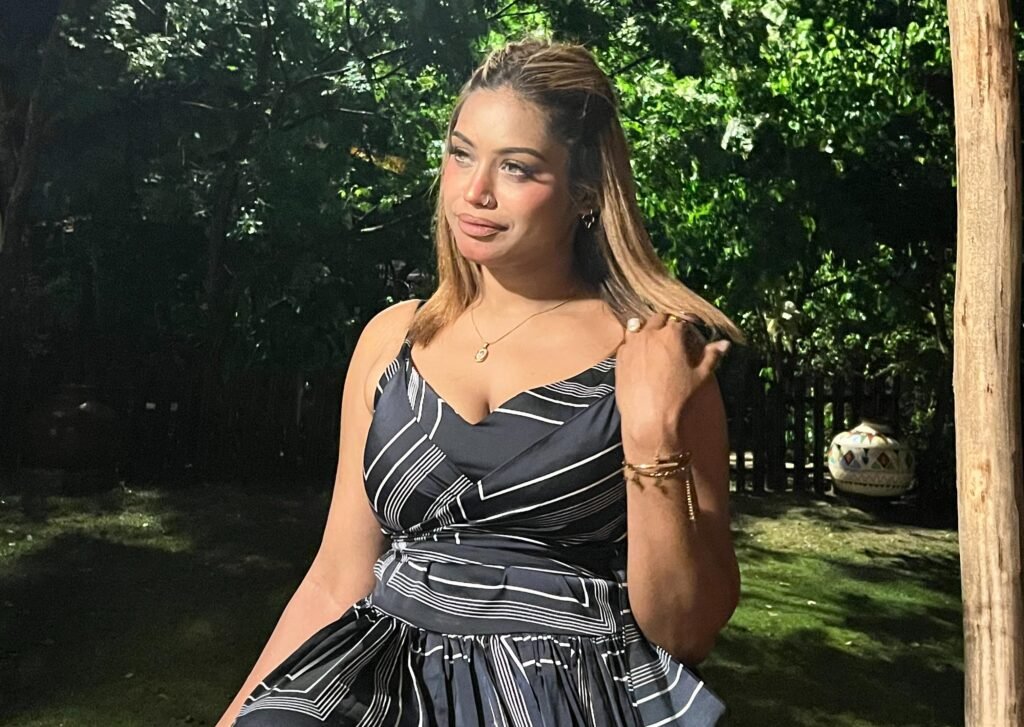
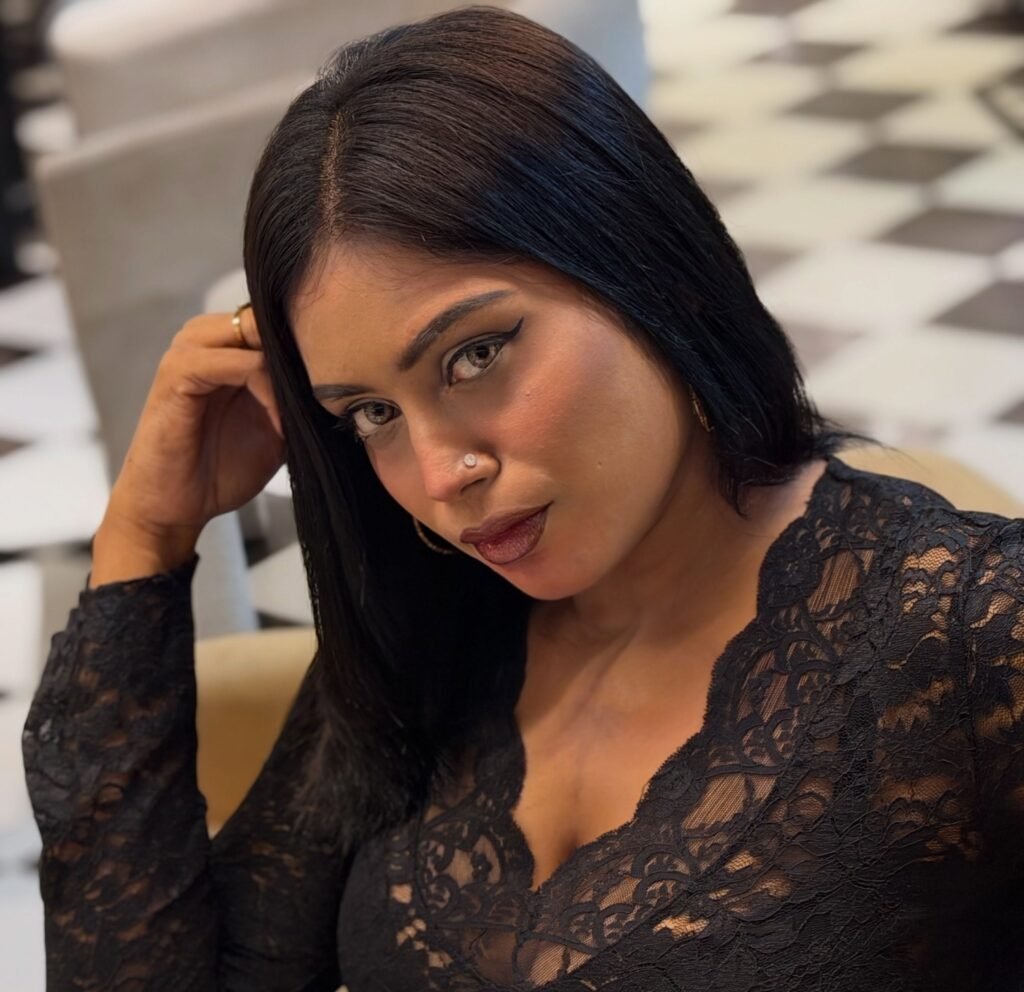
Officers detained Sumaiya Sayeed, 25, on 11 August, as reported by Creatorzine.
They accuse her of producing explicit material, advertising it and selling it through her social media accounts.
The raid that led to a second arrest
The arrest happened during a raid in Bashundhara, a residential district of the capital.
Police say Sayeed gave up information about her alleged partner in the operation during questioning at the scene.
Officers picked up Khaja Saklain Faruk, 30, a short time later, near Dhaka Popular Travels in the Badda area.
Investigators describe him as her key associate and suspect the two are romantically involved.
They also took two smartphones from the raid as evidence.
Her father, accused of taking a cut
The third arrest is the one that lifts this above routine crime copy.
Police accuse Md Abu Sayeed, the influencer’s father, of knowing what his daughter was allegedly doing and consenting to it.
They further claim he accepted money the operation brought in.
He has not publicly responded to the accusation.
A ‘lifetime package’ for £21
Investigators say they first spotted explicit content and adverts on Sayeed’s accounts on 10 August, one day before the raid.
The money allegedly moved through mobile finance services, the same rails millions of Bangladeshis use for everyday payments.
Police say buyers were offered a “lifetime package” for Tk 3,500, roughly £21.
Early questioning has convinced investigators that Sayeed was not working alone, and that several other associates were involved.
None have been named.
What police want next
The case sits at Ramna Model Police Station under the Pornography Control Act 2012, which criminalises the production, storage, distribution and sale of explicit material.
Producing pornography under the Act can carry up to seven years’ rigorous imprisonment and a fine of up to Tk 200,000, though penalties vary depending on the offence.
Officers have applied for a three-day remand for all three suspects.
They want time to trace the wider operation and identify anyone else attached to it.
They also want something more specific.
The password to the Instagram account at the centre of the case.
At the time of her arrest, Sayeed’s Instagram carried more than 73,000 followers, with over 10,000 more on TikTok.
Why it matters
Platforms do not have borders. Laws do. An Instagram account looks identical whether the person holding the phone is in Dhaka or Doncaster, and creators increasingly build income streams on the assumption that the platform’s rules are the only rules that apply.
In Bangladesh, they are not even close.
The payment trail matters just as much.
Selling through mobile finance services makes sense commercially in South Asia, where card penetration is low and digital wallets are everywhere.
It also produces a clean, timestamped record of every transaction. Police in this case say they followed it.
Bangladesh has enforced the 2012 Act with increasing frequency against social media sellers rather than traditional producers, part of a wider regional pattern of prosecutors treating creator accounts as distribution networks.
India, Pakistan and Indonesia have all run comparable cases in the past two years.
The remand hearing decides how far this goes next.
Police say they are still looking for the others.
READ MORE: I told my fans the videos were faked by AI – then police stopped me at the AIRPORT