


One parent wanted to know why they couldn’t bring alcohol to sports day.
Another complained that the school hadn’t warned families about a reception class swimming trip, which would have been a fair point if the trip had existed.
Ian Timbrell spent 17 years in schools, five of them as a deputy headteacher, before he walked away.
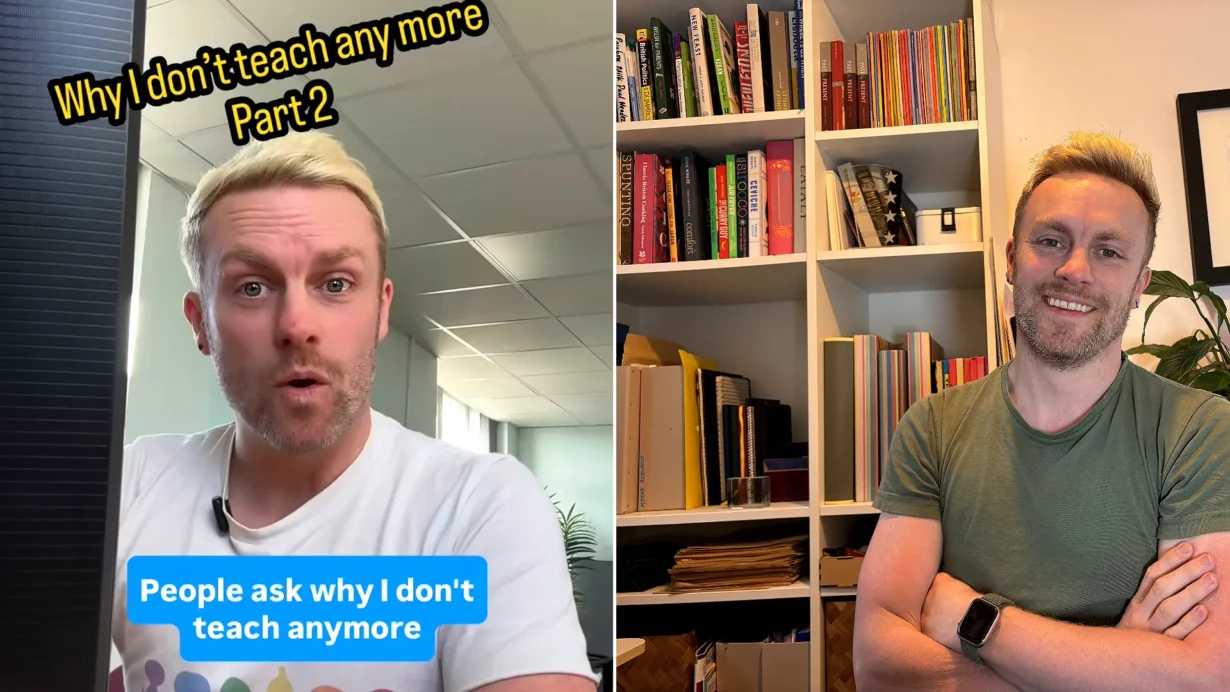
Now the 44-year-old from Cardiff turns the strangest parent emails of his career into videos. People can’t get enough of them.
The swimming trip that never happened
“There were some absolute classics,” Ian told Creatorzine.
His favourite involves a four-year-old who went home and announced a swimming trip.
A parent fired off a complaint asking why nobody had informed them.
Nobody had informed them because the child made it up.
“The swimming one probably sums it up perfectly,” he said.
“Instead of someone simply asking us, ‘Is this actually happening?’, it became a complaint about why the school hadn’t informed parents.”
Then there was the chocolate spread.
One parent insisted their child would eat nothing else at lunch.
Staff had cooked with the child many times, and the child “happily ate the food we’d made every single time.”
Medals for losing and a water monitor
His latest clip pulled in more than 180,000 views.
The requests in it included sports day medals for children who lost and teachers measuring how much water a child drank throughout the day.
And the booze. More than one parent asked why they couldn’t drink at sports day.
One, Ian recalls, was “genuinely disappointed” to find out.
Funny now. Less funny at the time.
“These stories are funny now, but each one potentially meant emails, conversations and senior leadership time,” he said.
“Multiply those little things across a school and they can take up a surprising amount of time that could be spent on children and teaching.”
His maths is simple. “Every hour spent dealing with an unnecessary conflict is an hour you’re not spending supporting a child.
You go into teaching because you want to teach children and make a difference.”
The real reason he left
The emails didn’t push him out. Online abuse did.
Ian says he left “because of abuse I received on social media connected to my work as a teacher.

That was the point where I decided I couldn’t continue.”
That moment followed years of slow erosion.
“Teachers were working incredibly hard while sometimes being given less trust, support and respect in return,” he said.
He has no problem with parents speaking up.
“Teachers absolutely should be accountable, and parents should raise concerns when something isn’t right.
But sometimes a very minor issue could become a lengthy email, a complaint or hours of senior leadership time, when a quick conversation would have resolved it.”
Out of the classroom, still in schools
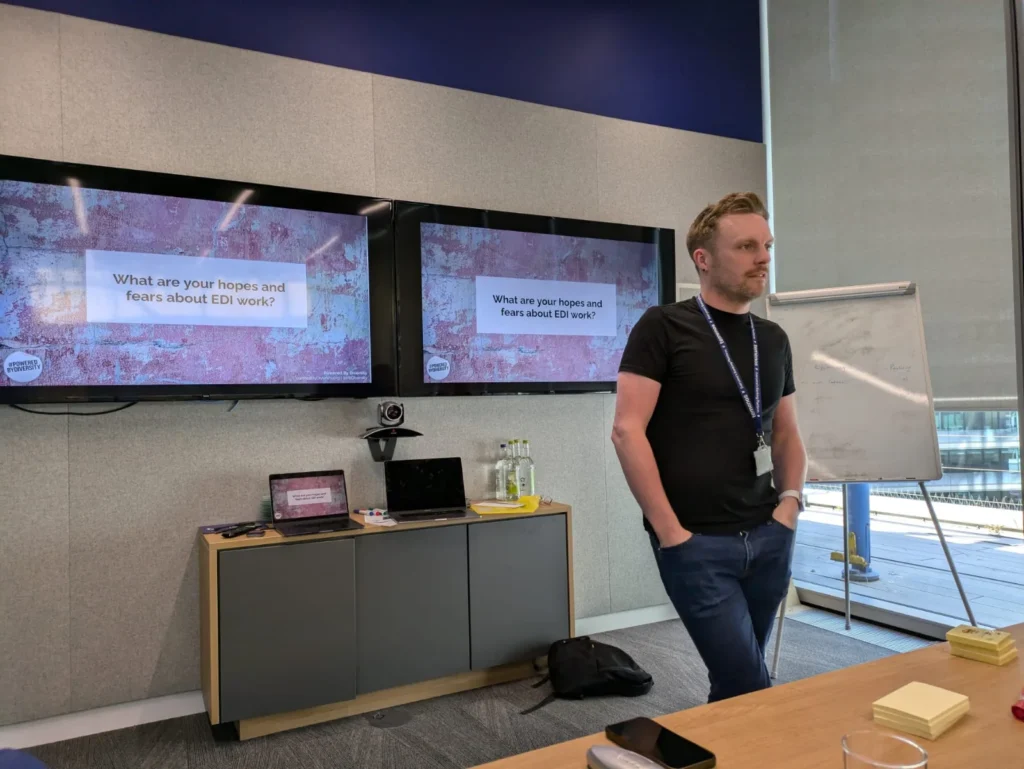
Ian now runs More Than Flags and Rainbows CIC, a diversity and equality training organisation that helps schools become more inclusive.
“I still get to work alongside teachers and school leaders, and I see every day just how hard they are working,” he said.

He wants one thing clear. “I really want to stress that the vast majority of parents I worked with were brilliant.
This isn’t a parents versus teachers story. Schools work best when families and teachers trust each other and work together.”
Why it matters
Ian’s videos land because they turn private workplace frustration into something millions of people recognise.
Former professionals have found a ready audience for the absurd side of their old jobs.
For creators, it shows that specific, lived detail beats generic content every time.
A four-year-old’s imaginary swimming lesson does more work than any hook a strategist could write.
The bigger picture
Ex-teacher accounts have become one of social media’s more reliable genres, arriving as schools struggle to hold on to experienced staff.
Many of the most popular creators in the niche share Ian’s mix of affection and exhaustion.
What comes next
With a business to run and an audience that keeps growing, Ian has plenty of material left.
Seventeen years of inboxes don’t empty quickly.
Whether the parents behind them recognise themselves is another question.