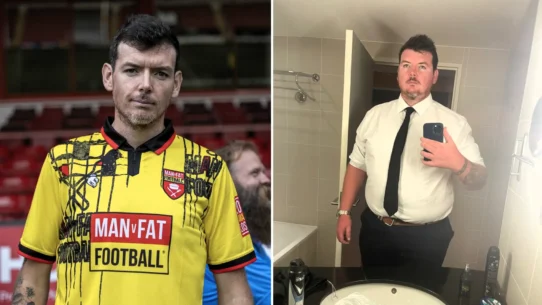


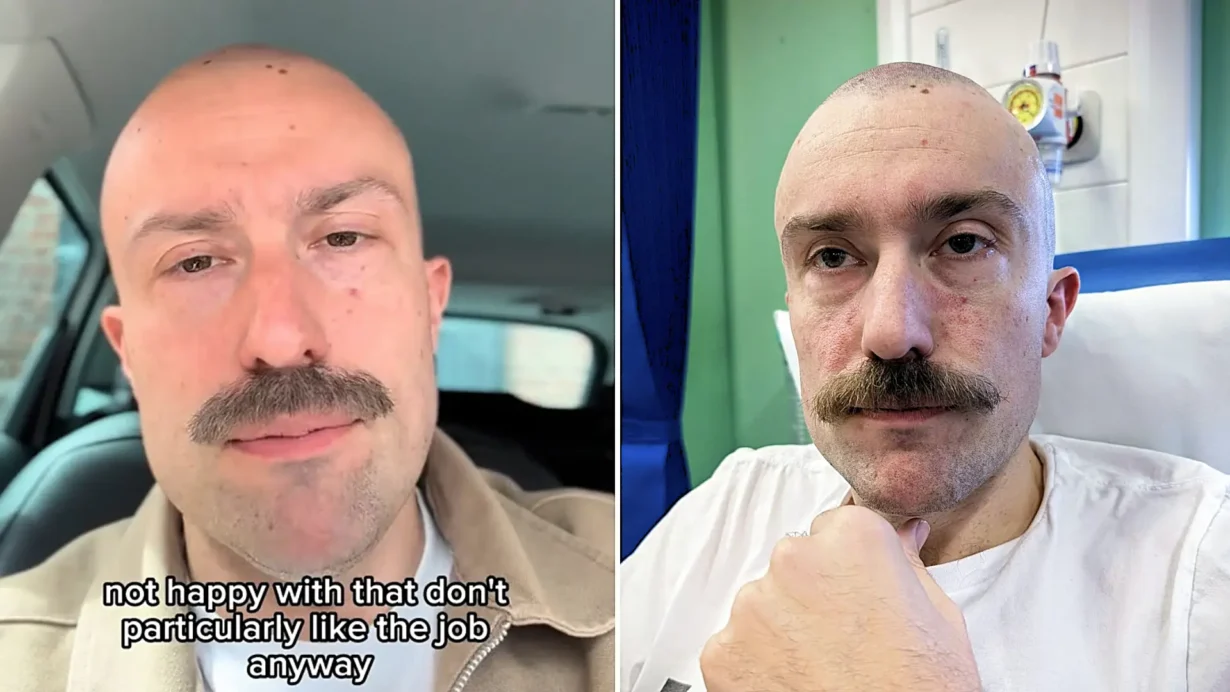

Jack Parker did not know if he had beaten cancer. He knew he owed his employer £4,500.
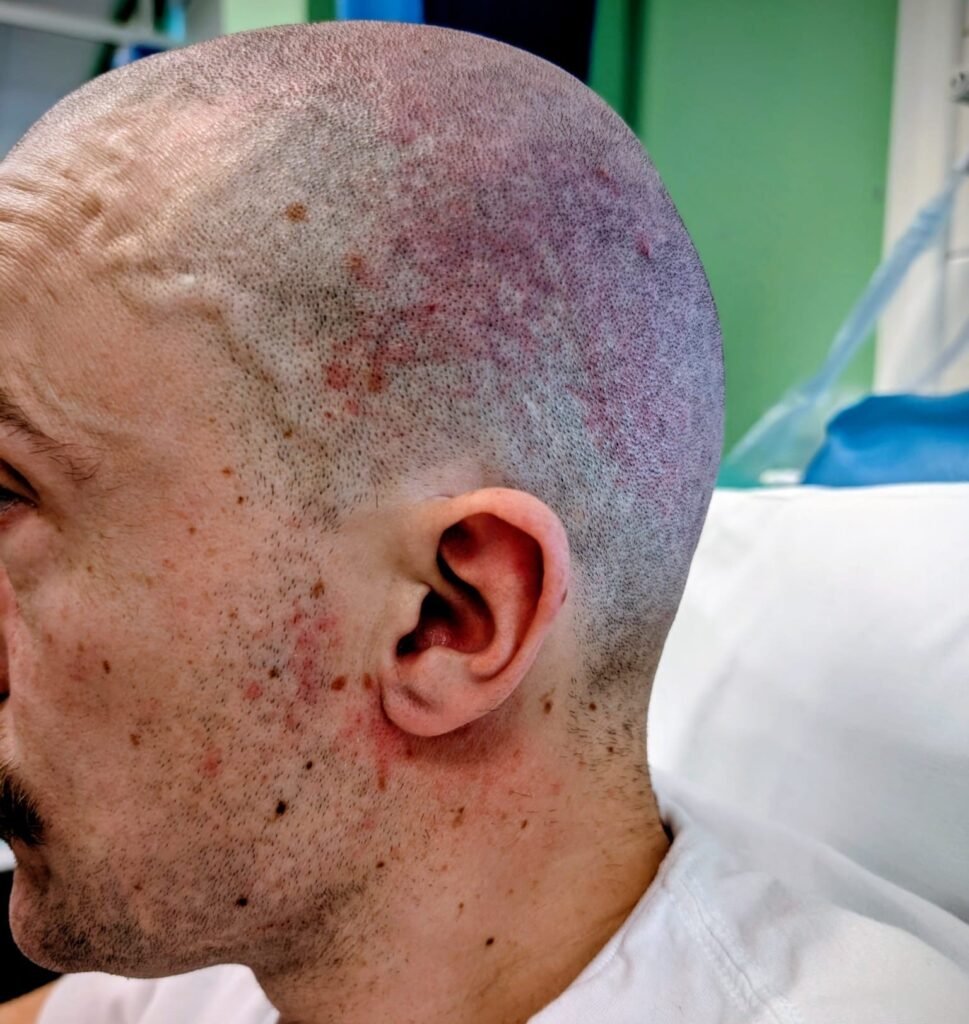
The 32-year-old from Plymouth spent the winter on chemotherapy for a cancer that had gone unnoticed for two months while he worked through the pain.
His company kept paying him the whole time. That, it turned out, was the problem.
READ MORE: I went to bed fit and healthy in Mallorca – days later I was PARALYSED
“It is awful,” he told Creatorzine.
“Especially as at this time, I do not even know if I have beat cancer.
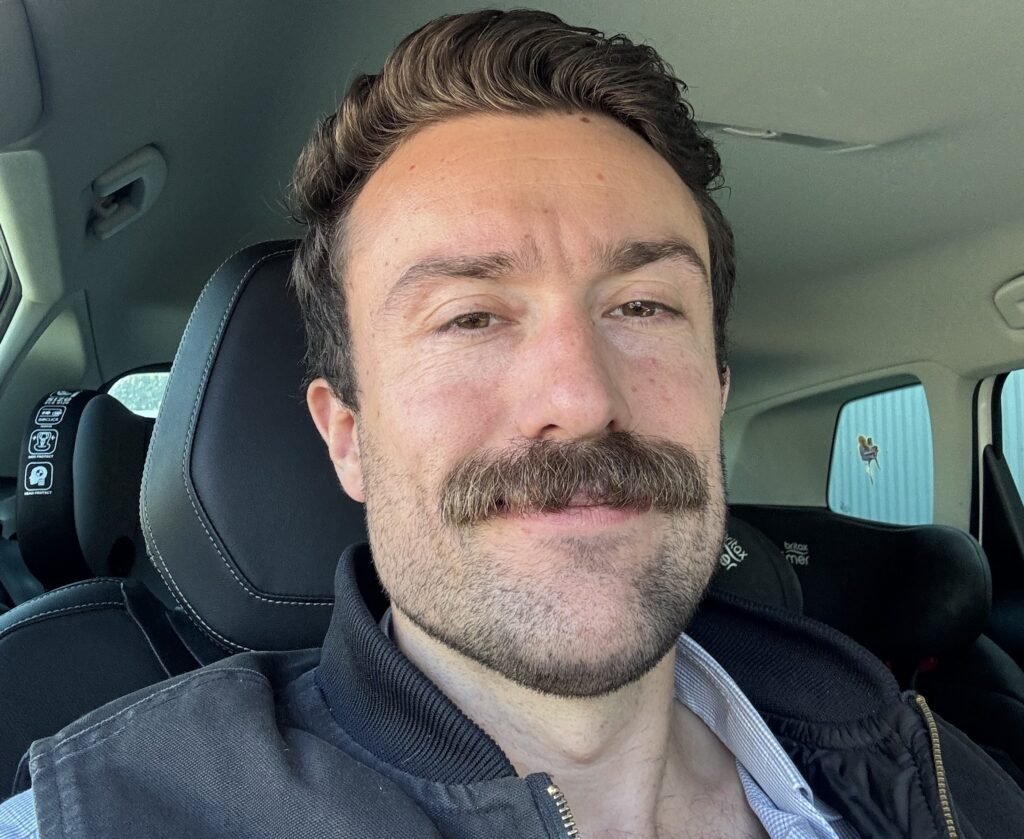
I have young children and go to bed each night praying that I am not going to leave them and on top of that now, I have financial stress to worry about.”
A diagnosis hiding behind a stomach ulcer
The diagnosis came on 12 December: Gastric B Cell Non Hodgkin Lymphoma, found after what everyone had assumed was a stomach ulcer.
The pain had been there for two months. He kept working.
When driving got too painful, his manager told him to work from home for a week while the tests came back.
The week stretched. He worked from home through most of December, scans and stomach pain running alongside the job, until around the 17th.
He was six months into the role. Nobody had explained the sick pay policy.
“To be honest, money was the last thing on my mind,” he said.
The bill nobody mentioned
Through January, February and March the firm paid him as usual.
In April it switched to Statutory Sick Pay. No warning. He got his boss on the phone.
The explanation was that Jack should have been on SSP all along. HR never knew he was off sick.
A mistake. The overpayment came to more than £6,000 before senior managers trimmed it to £4,500, repayable on a plan they would sort out on his first day back.
“It was not a discussion about affordability, more him just telling me what I owe,” Jack said.
He came back three days a week. They put him on probation.
The recovery, the debt, the demotion. He quit.
Then he posted a video
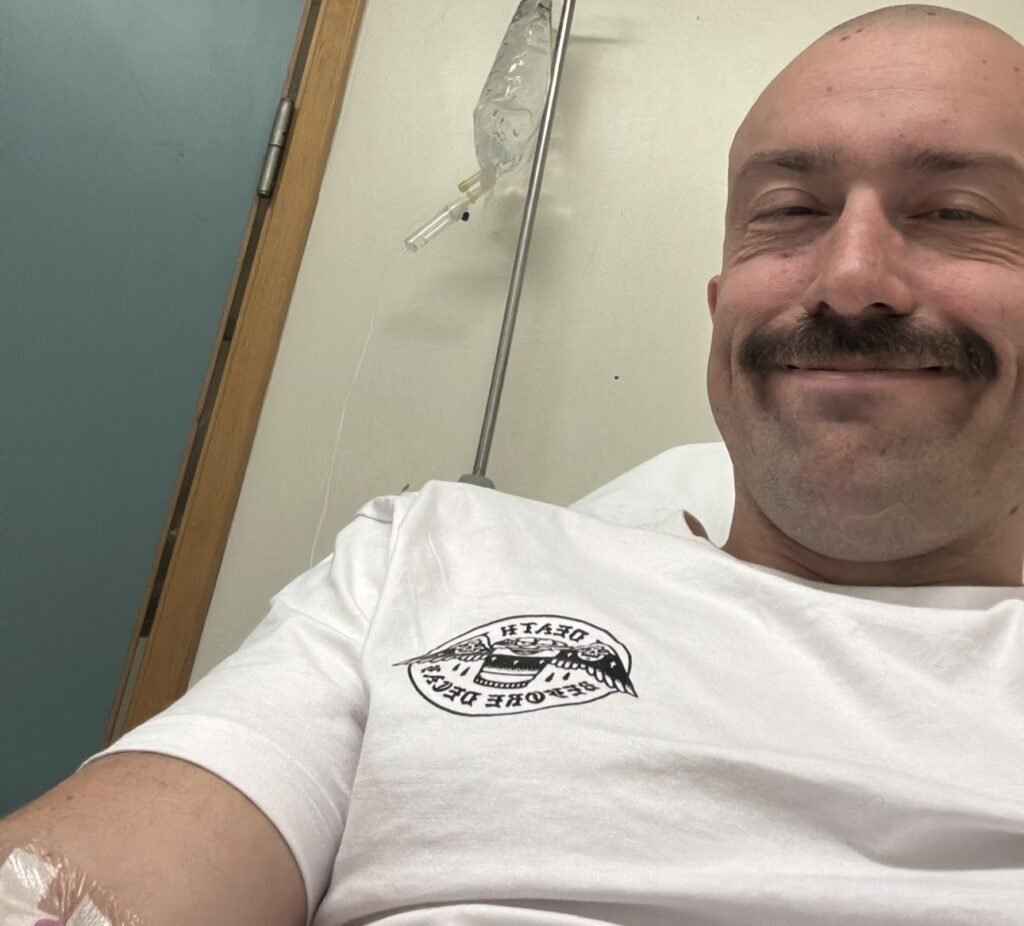
This is where it gets strange. Jack put the situation online.
The company rang again. Take the videos down, say nothing more, and the debt would disappear.
“It was also upsetting that the debt could not be wiped out for my personal circumstances but for a social media video.”
He didn’t want to take the deal. It felt like being bought off.
So now there is no job, two young children, and a chemo schedule that does not pause for anyone’s payment plan.
Why It Matters
A man’s cancer and his kids weren’t enough to move the figure. A public post was, in minutes.
For anyone trying to earn a living on these platforms, that is the uncomfortable lesson underneath Jack’s story: the camera has become the lever that actually works.
Ignore an HR complaint and it sits in a queue.
Give that complaint an audience and the phone rings the same day.
Since he spoke out, other Brits have come forward with their own debts to former employers.
Clawing back overpaid wages is legal in the UK and more common than people think, which is partly why a growing number of workers now reach for an audience rather than a tribunal when the internal route goes nowhere.
Jack isn’t after compensation.
“I just wanted the debt cleared and the freedom to talk about my own experience with cancer without deleting posts that helped me during the treatment.”
Whether the company holds to its offer once the videos vanish, or whether the silence was always the real price, is the part worth watching.