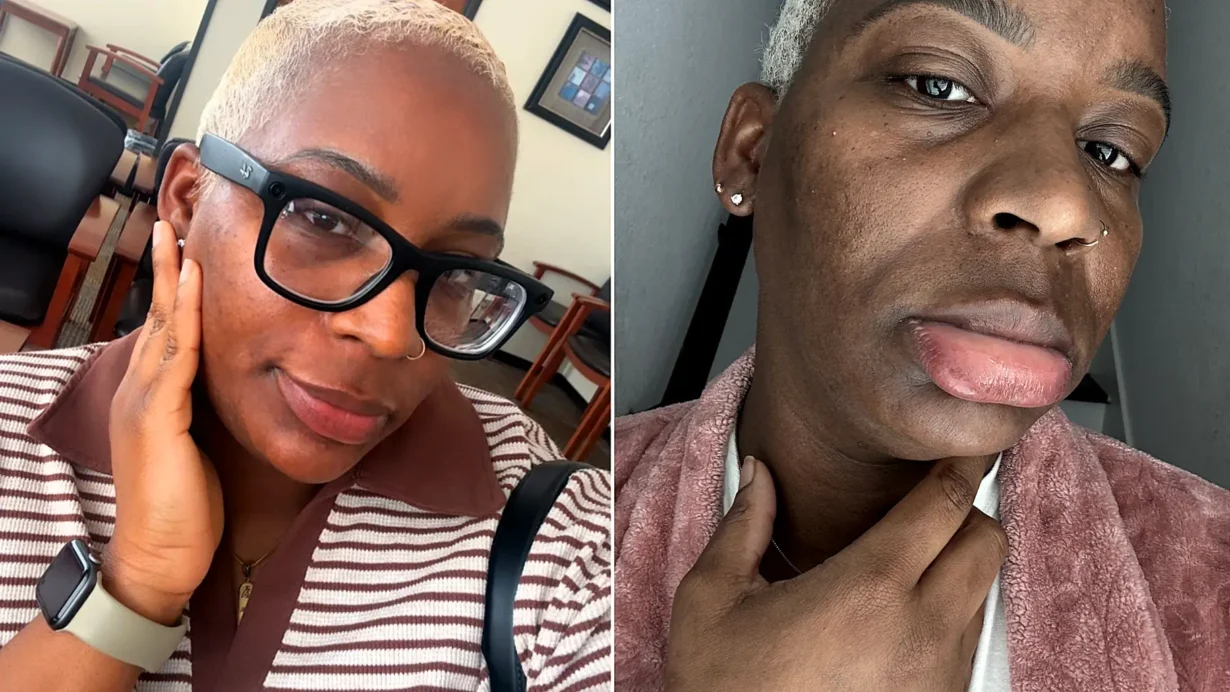

Kimberlee Mills cries the way anyone else does.
The difference is what her tears do to her skin.
The 34-year-old from Houston, Texas, has Aquagenic Urticaria, a water allergy so rare that most of the doctors she saw had never come across it.
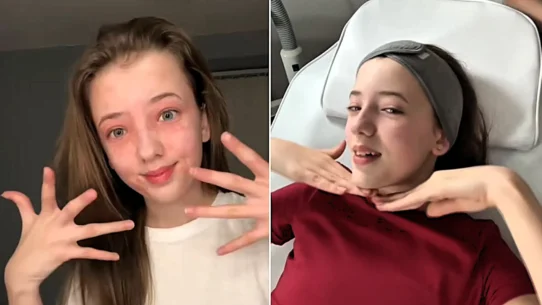
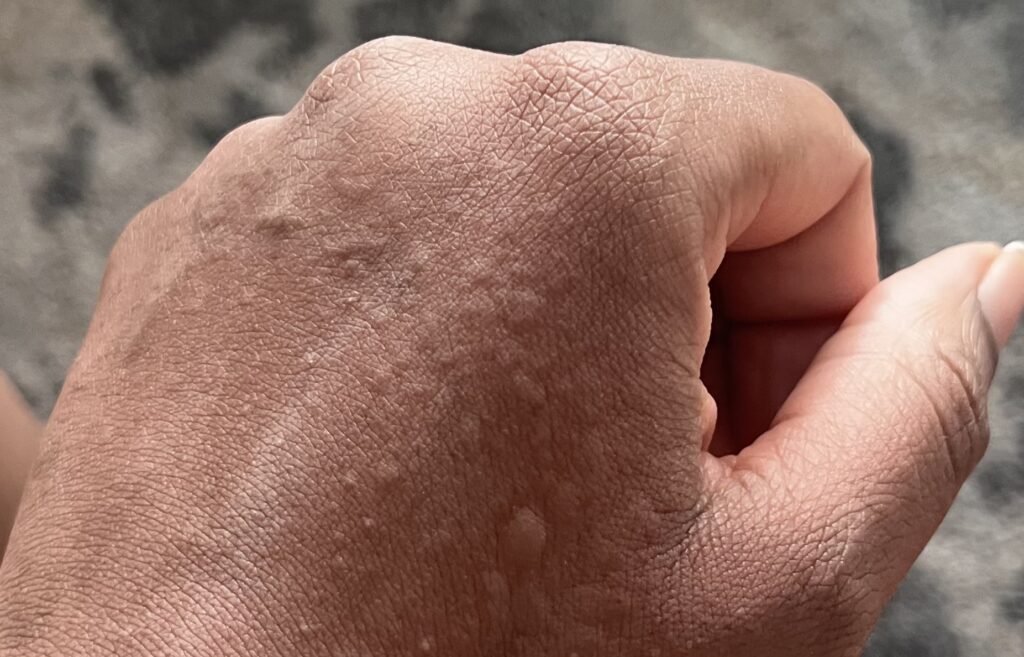
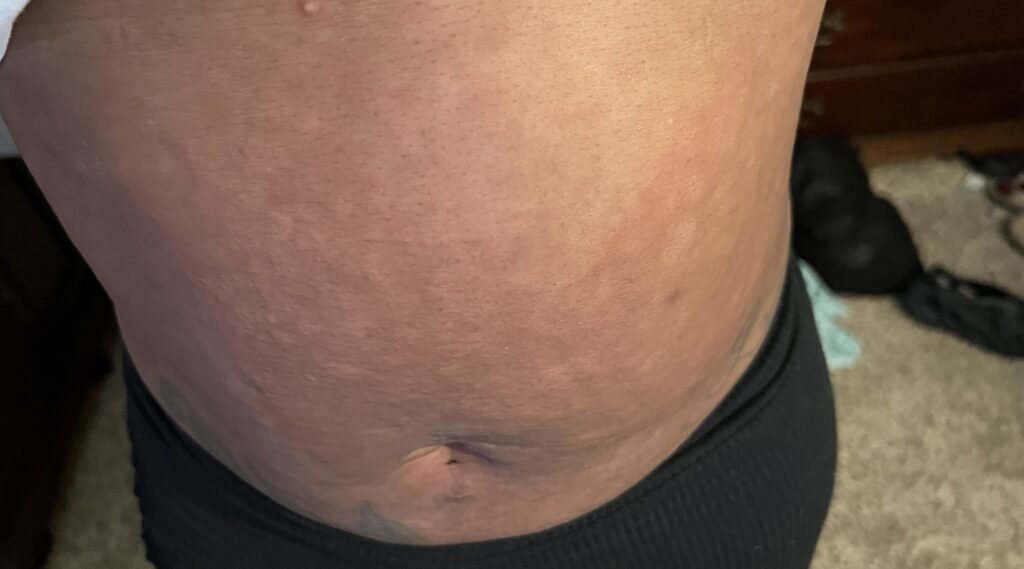
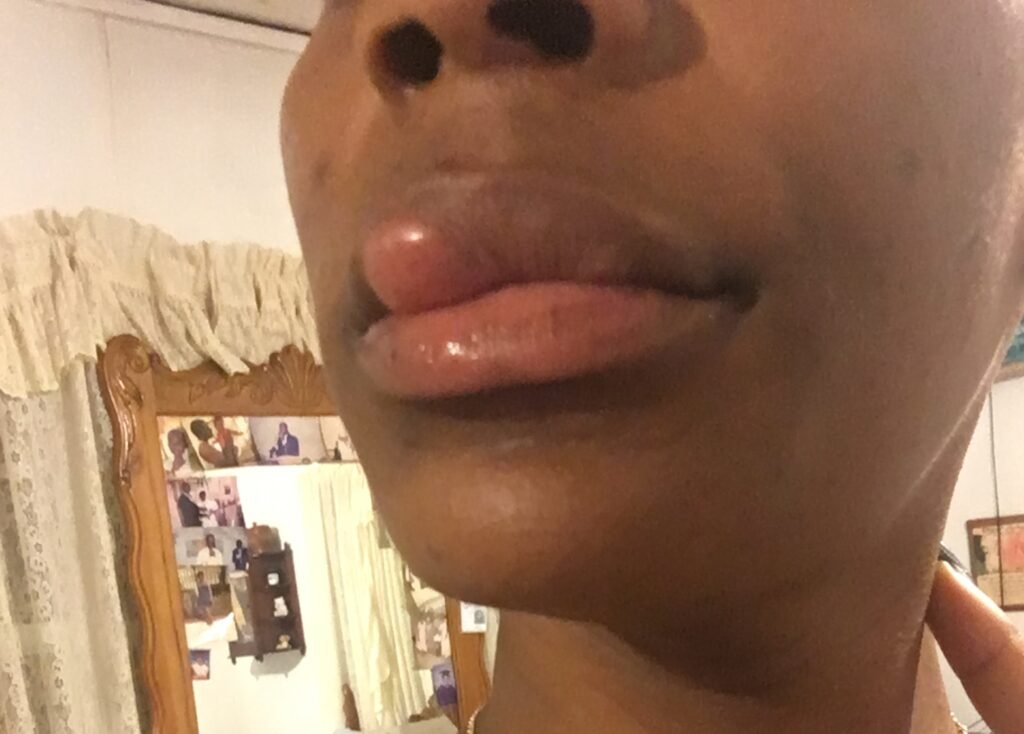
Contact with water in any form, a shower, rain caught on the walk to the car, even her own sweat, leaves her covered in itchy, burning red hives within seconds.
She washes her face with water once or twice a month.
Everything else runs on rinse-free cleansers and waterless skincare.
“Aquagenic Urticaria affects almost every part of my life,” she tells CreatorZine.
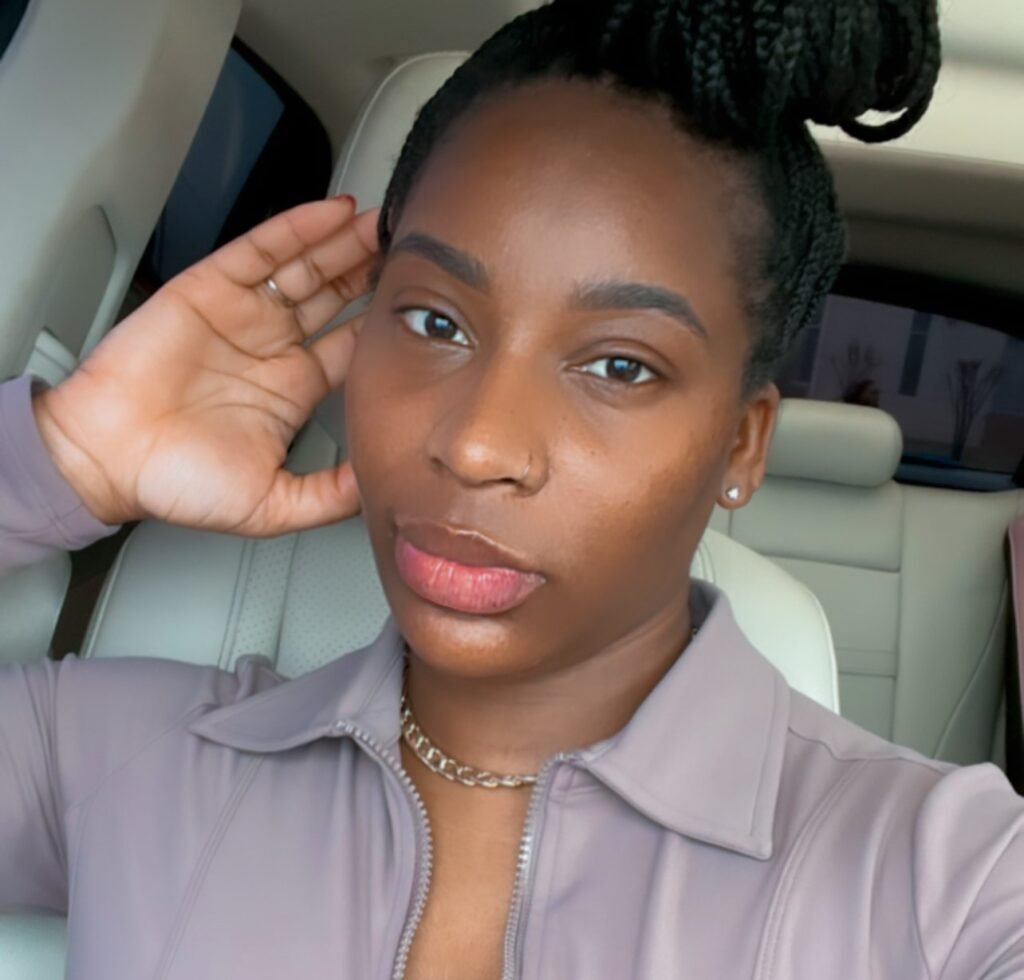
“My mornings look completely different from most people’s.”
Checking the forecast before the front door
Kimberlee’s day starts with the weather app.
“If it’s hot, humid or looks like it might rain, I have to think about whether it’s worth going out at all,” she says.
“Something as simple as sweating can leave me covered in hives.”
Showers don’t happen daily. Brushing her teeth takes planning to keep water off her skin. She won’t drink it either.
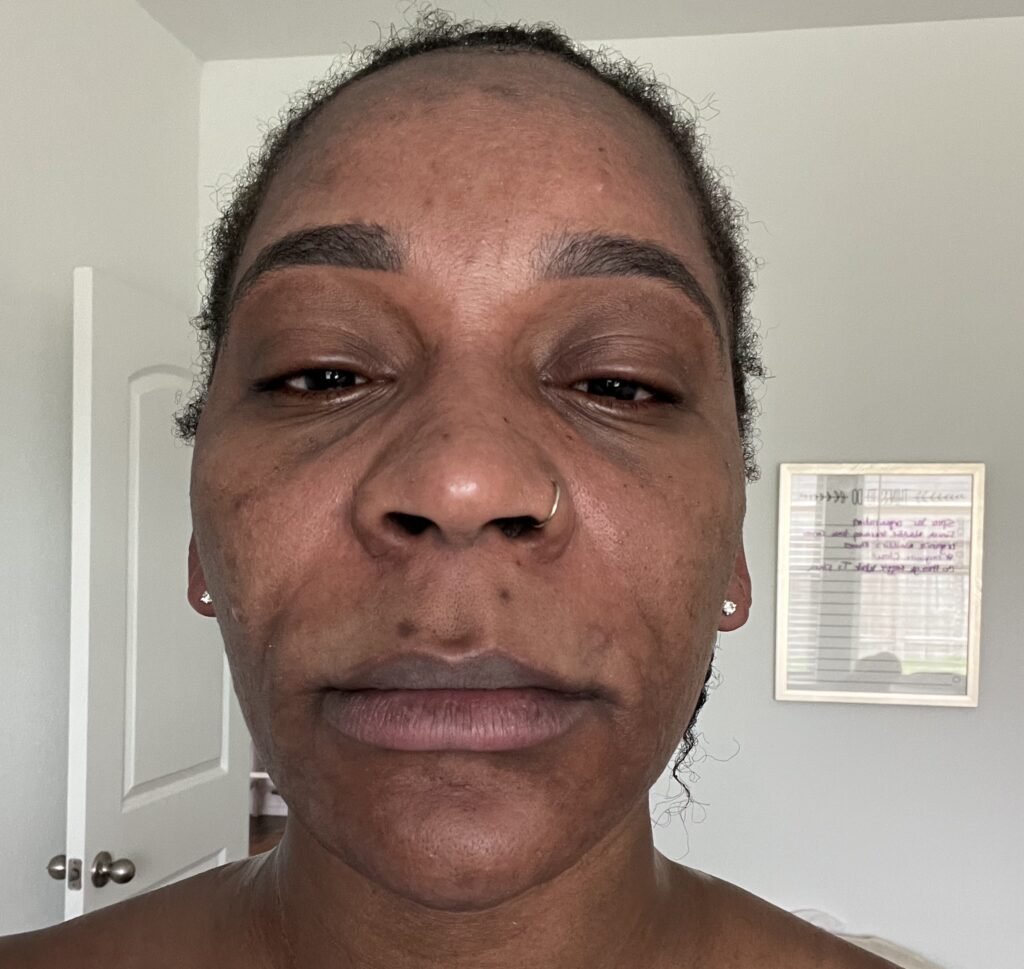
“I don’t drink plain water because it makes me extremely nauseous, so I stay hydrated through other beverages and foods that I tolerate better,” she says.
And the reactions aren’t always something she can ride out at home.
“In severe situations I’ve experienced swelling and symptoms serious enough to require emergency medical treatment,” she says.
“The severity isn’t always predictable.”
The doctors who laughed
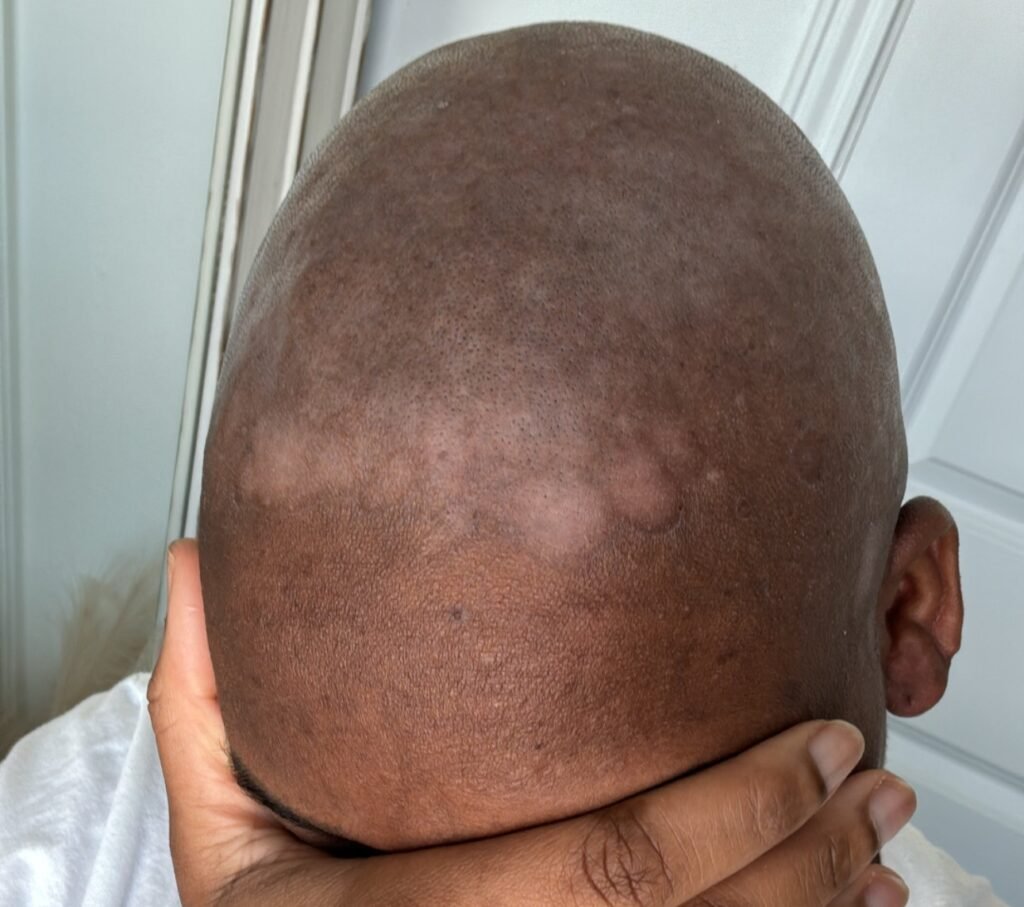
The symptoms arrived when Kimberlee was around 12. A diagnosis took more than another decade.
Everyone blamed the obvious suspects first. Soap. Shampoo. Something in the pipes.
“Over time I realised it wasn’t the products, it was the water itself,” she says.
The itching and burning after showers came first, then reactions to rain, then to her own sweat.
The medical profession did not exactly rush to catch up.
“There were doctors who laughed when I suggested I might be allergic to water or questioned the research I had done instead of listening to what I was experiencing,” she says.
“It was incredibly dehumanising.”
A water challenge test eventually confirmed the condition.
“It was a very long and frustrating battle,” she says.
“I was relieved because I finally had an answer after so many years of wondering what was wrong with me. At the same time it was heartbreaking because I learned there wasn’t a cure.
“Having a diagnosis finally made me feel like I wasn’t crazy.”
The memories she can’t make
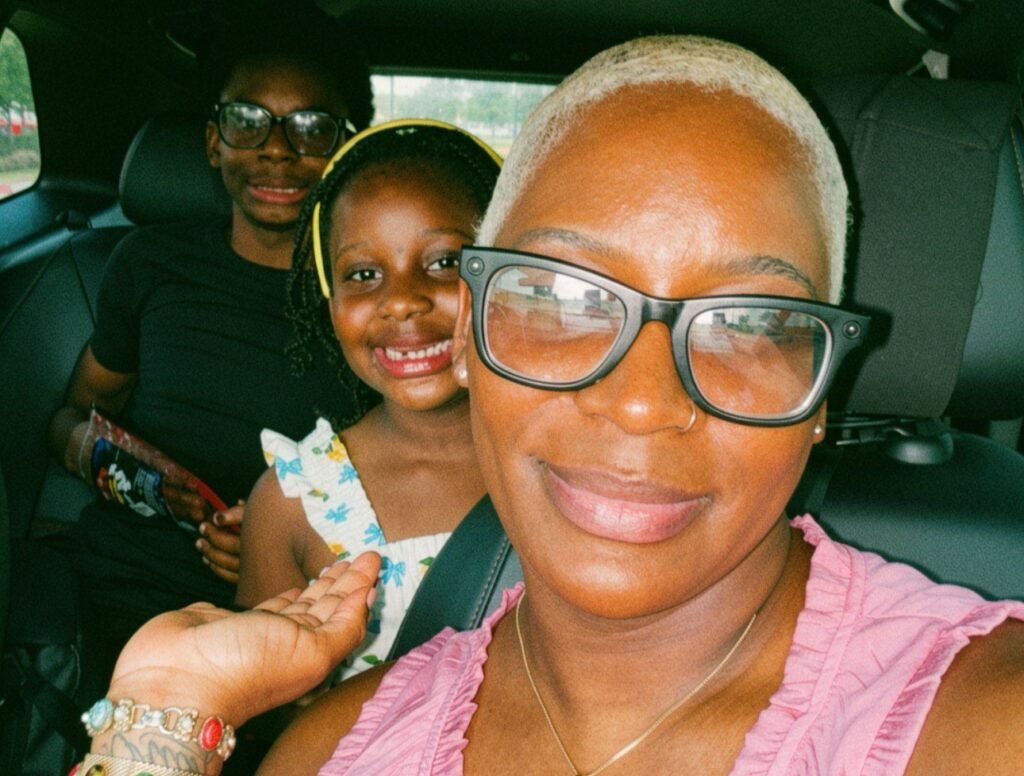
The condition follows her into family life. Playing outside with her children on a hot Texas day risks a reaction.

Water parks and theme parks mean weighing up rides, splash zones and humidity before anyone gets in the car.
“Some of the memories parents dream about making with their children simply aren’t possible for me,” she says.
“Sometimes it feels like the world was designed around something my body can’t tolerate.”
She says relying on her family for everyday tasks can make her feel like a burden.
“I’ve had to grieve the freedom I thought I’d have. The hardest part isn’t being allergic to water, it’s losing the freedom that comes with it.”
‘Just because a disease is rare doesn’t mean it isn’t real’
Kimberlee documents her life with the condition on social media as @everydaywithkym, partly because so few people accept it exists.
“Most people think I’m joking,” she says.
“Once they realise I’m serious, they’re fascinated and have lots of questions.”
The disbelief started young. Some people assumed she was exaggerating.
“Others assumed I simply didn’t want to bathe,” she says.
Her goal now, she says, is awareness rather than sympathy.
“If sharing my story helps someone receive a diagnosis sooner, encourages people to believe someone living with a rare disease or helps others understand invisible illnesses, then every vulnerable moment has been worth it.
“Water is something most people never have to think twice about. For me, it’s something I have to think about every single day.”
Why It Matters
Rare disease creators occupy one of the stranger and more valuable corners of the creator economy.
For people who spent a decade being dismissed by professionals, an audience offers something no waiting room did: belief at scale.
Comment sections become informal diagnostic networks, where someone recognises their own impossible symptoms in a stranger’s video.
There’s a commercial layer too. Kimberlee’s daily reality maps almost exactly onto waterless beauty, one of skincare’s fastest-growing product categories, which makes her the rare creator whose niche comes with built-in brand alignment she never had to manufacture.
Invisible illness content has become one of the most reliably engaged health niches on TikTok and Instagram, with audiences drawn to lives that look nothing like their own.
Kimberlee will keep posting. Somewhere, someone is searching their symptoms at 2am, years away from a diagnosis.
She’d rather they found her first.