
Most doctors learn about chemotherapy in a lecture theatre.
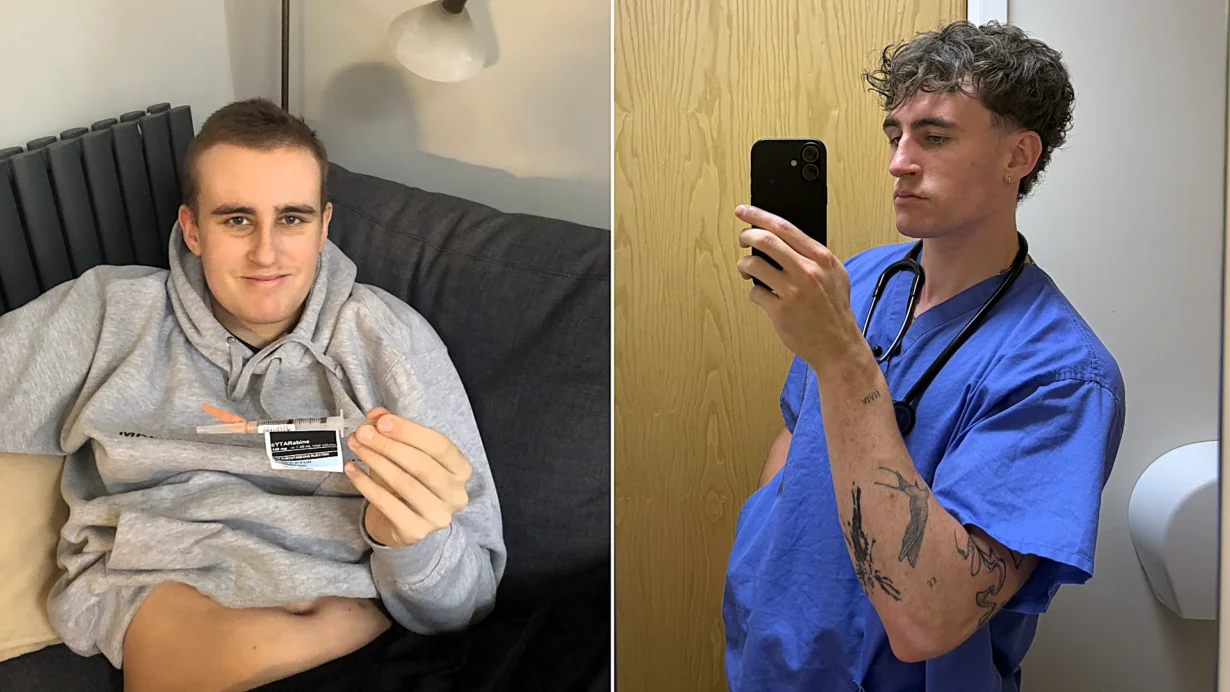
Thomas Hunt learned over three years as a patient, starting at 18, in what was meant to be the gap year before medical school.
The warning signs crept in after his A levels.
Tiredness that never lifted, then swollen lymph nodes in his armpit and neck, then a trip abroad that fell apart.
“I went on holiday with mates and became really sick with a chest and throat infection,” he says.
“When I was away, I started to realise something was really wrong due to how ill I was. So I flew home early and saw my GP.”
The antibiotics made no difference. Two days later his GP ran blood tests, which showed pancytopenia.
“My bone marrow wasn’t working, so I was sent to hospital for further tests. Just two days later, I was diagnosed with acute leukaemia.”
He was 18. Chemotherapy began within days of the diagnosis in September 2018.
Nine months of chemo, then two and a half years more
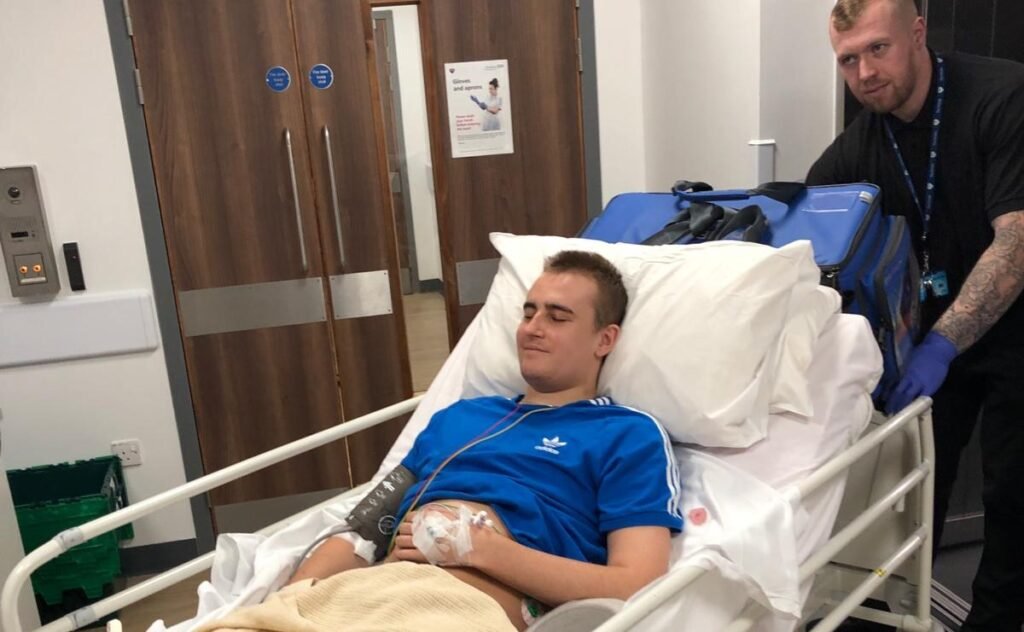
“I had four rounds each, with different drugs, lasting nine months total,” he says.
“From there I went to oral chemotherapy for another two-and-a-half more years.”
By his own account, the treatment went about as well as treatment can.
“Treatment was smooth for me. There were few complications and I always had good responses.
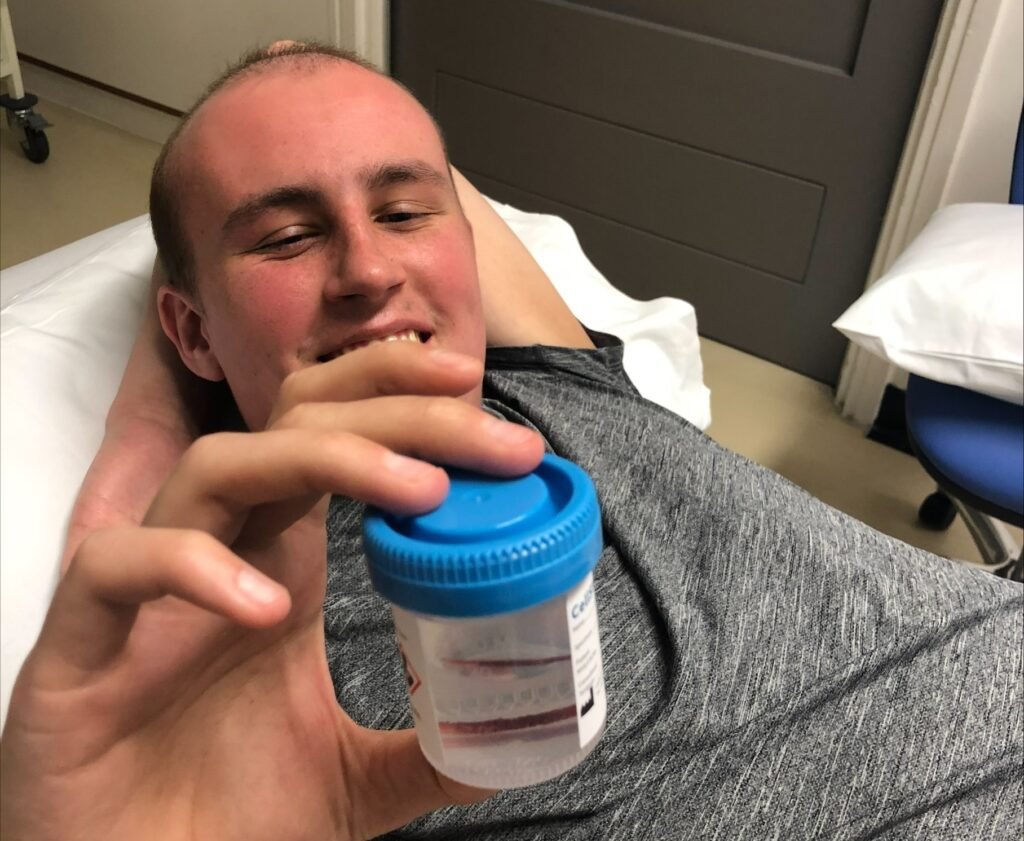
I went into remission in nine months but due to the nature of leukaemia I had to do longer oral maintenance chemotherapy.”
His body recovered faster than his head did.
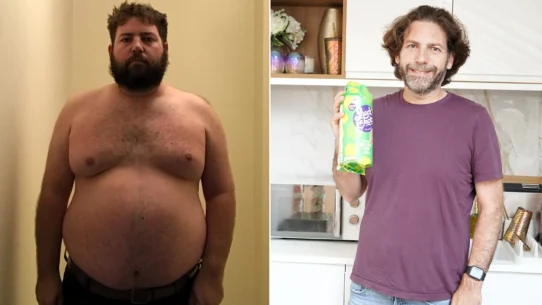
“It was physically hard for first nine months but once this passed it was easier. I got back into running and going to the gym.
But the mental impact became greater. I went to a therapist for the health anxiety I was suffering from.”
Medical school, on maintenance chemo
Medicine had been the plan since school, gap year first.
The gap year became hospital appointments instead.
“It didn’t change my mind to do medicine at all,” he says.
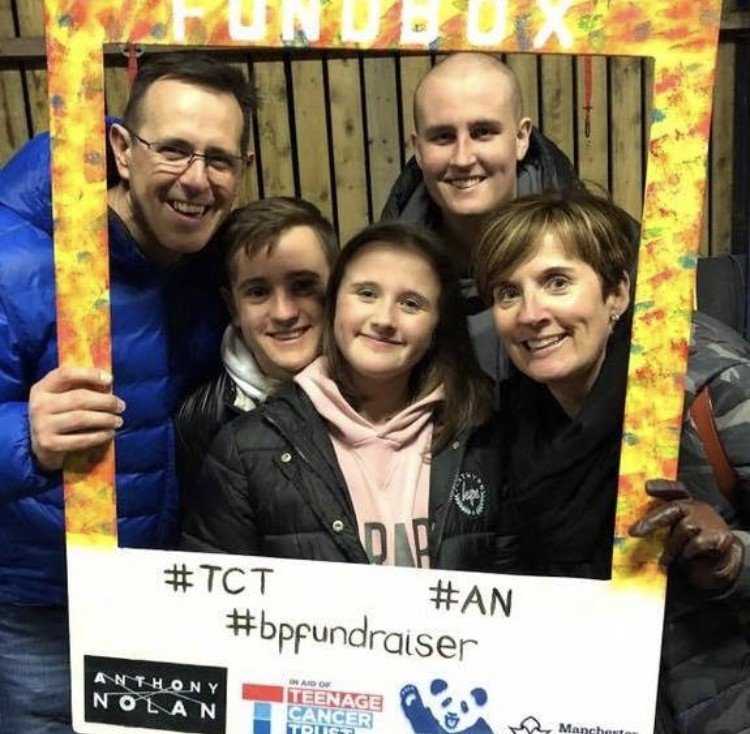
“What kept me going was my family being amazing and friends always being there for me.
And also the goal to get to medical school the following year and start my studies, as well as getting into fitness, which I have all achieved.”
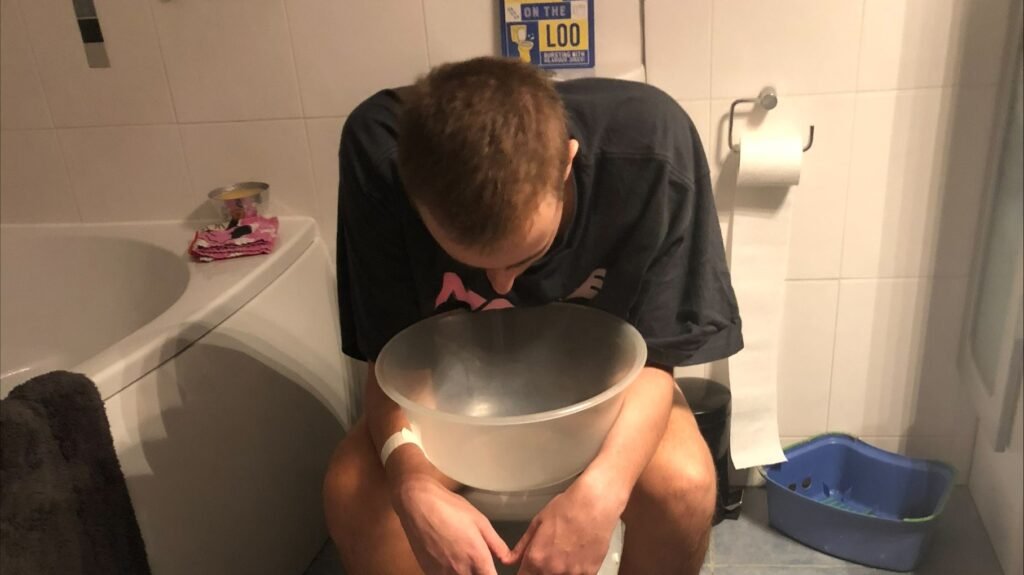
He studied while still taking oral chemotherapy, an experience he describes plainly.
“Not only did I have to contend with the mental fatigue of university, but constant worries about my health made things harder, as well as fatigue from the medication side effects.”
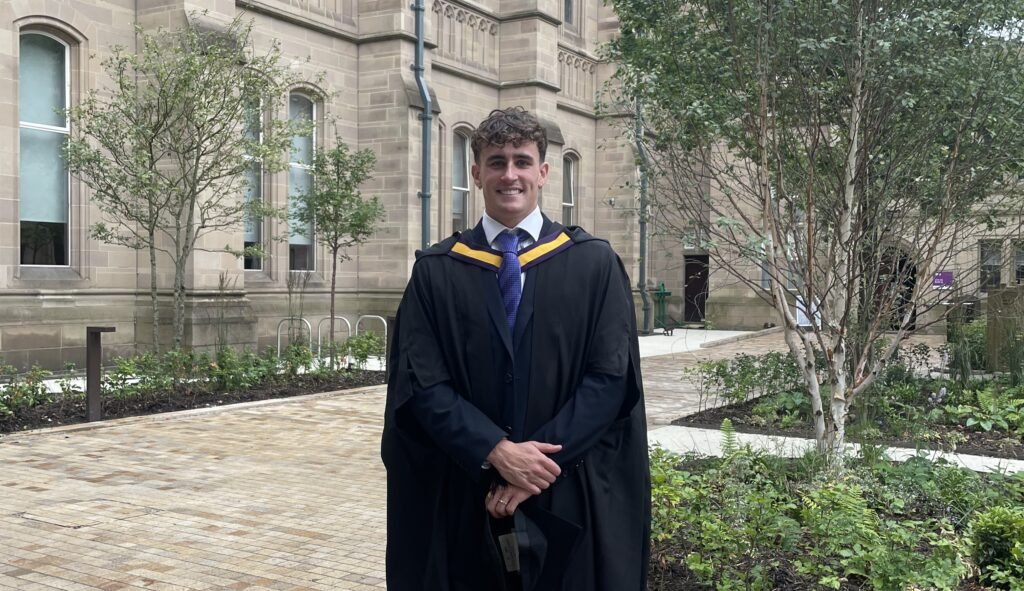
He graduated in June 2024 and has now worked as a doctor for almost two years.
Now 26 and based in Manchester, he says his years on the wrong side of the consultation changed how he practises.
“I feel like I’ve got a unique perspective and that comes across in my patient care.
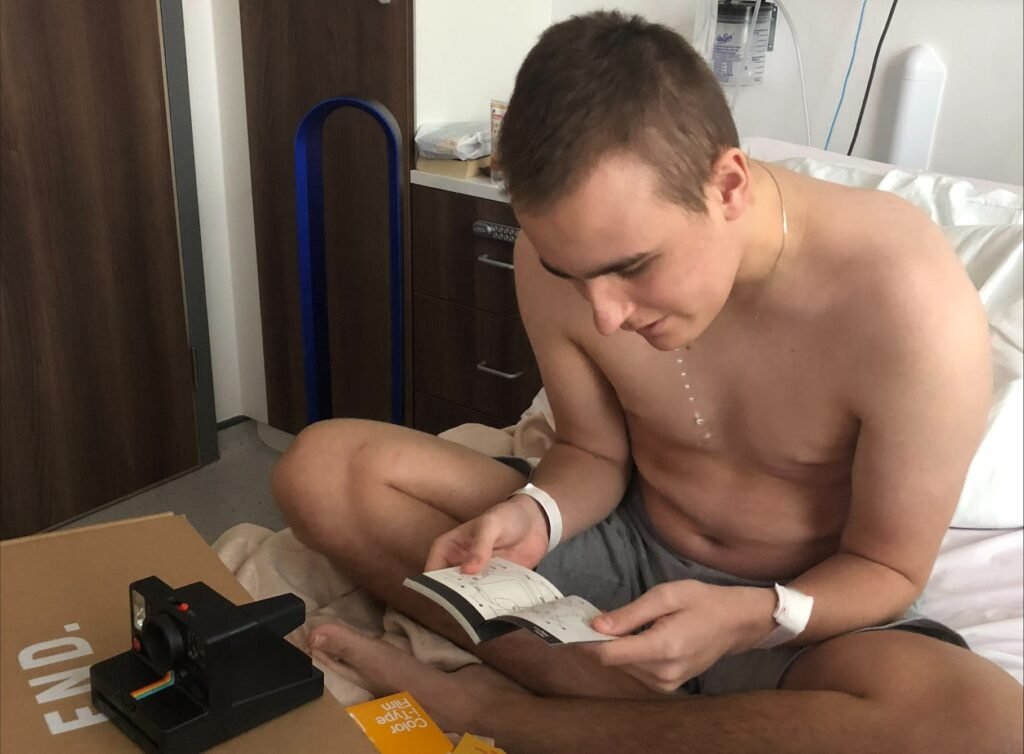
I know how to communicate really well with patients, whether that be providing explanations, or giving good or bad news.
I tend to get good feedback that I listen and address problems.”
Two marathons and £8,500
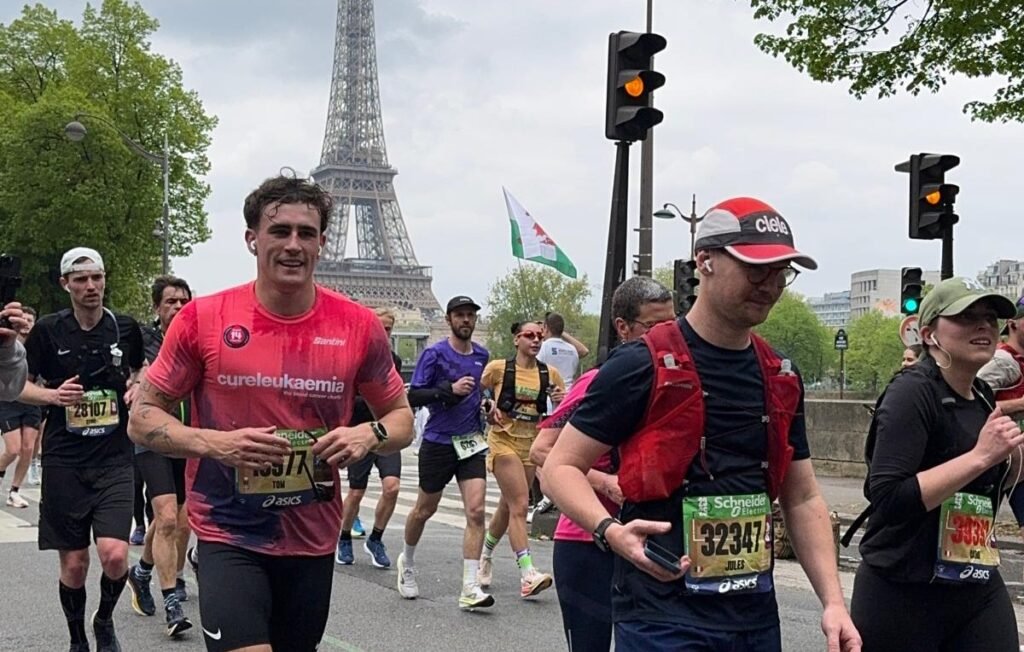
Since finishing treatment, Thomas says he has completed two marathons and raised £8,500 for charity.
“Finishing the first marathon was emotional. From barely being able to walk up a flight of stairs to doing that was crazy.
The second one felt better though. I trained harder for it and got my reward with a faster time. I loved every minute and want to do more events like this.”
Cancer, he says, rewired his outlook entirely.
“I aim to inspire other people going through hard times, whether similar to me or not.
I take my recovery very seriously but I also love to go out with my mates to the pub and just enjoy the little things. It’s also made me stop worrying too.
I used to overthink a lot, and now I rarely do this. It’s definitely chilled me out.”
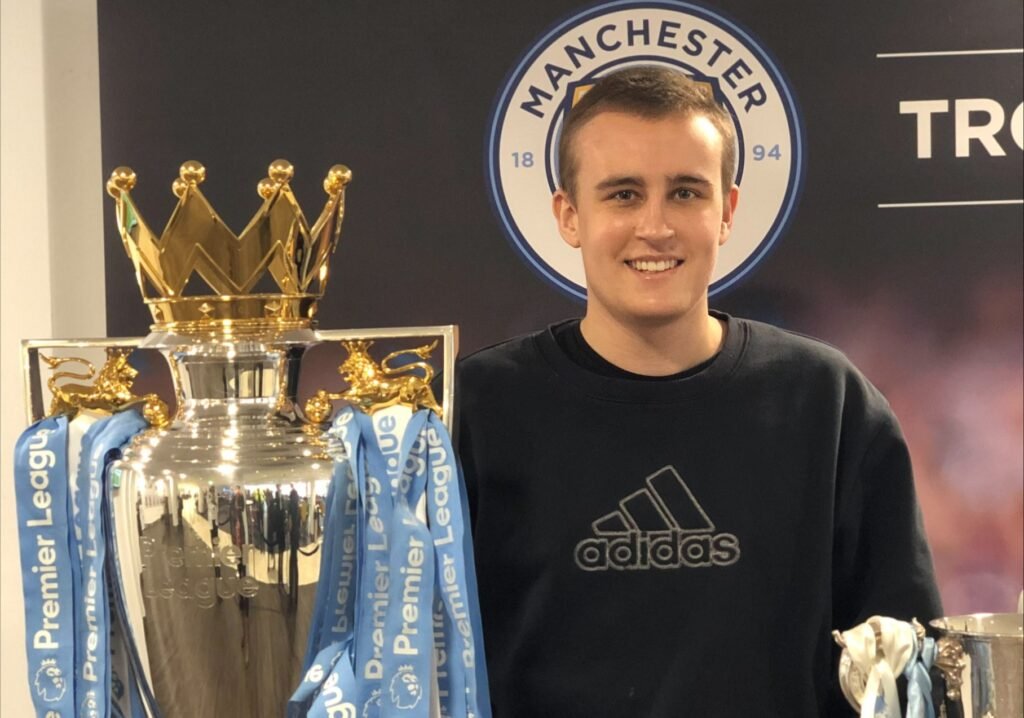
He remains in remission. “I had a check up a few weeks ago with no concerns at all.
Becoming a doctor just felt like what I was meant to do. I studied for years and powered through a lot to get to where I am.”
Why It Matters
Lived experience is the one credential no amount of media training can manufacture, and health content runs on it.
Audiences can tell the difference between a professional explaining illness and someone who has sat through the chemo describing it, which is why patient-turned-practitioner stories tend to travel far further than standard awareness campaigns.
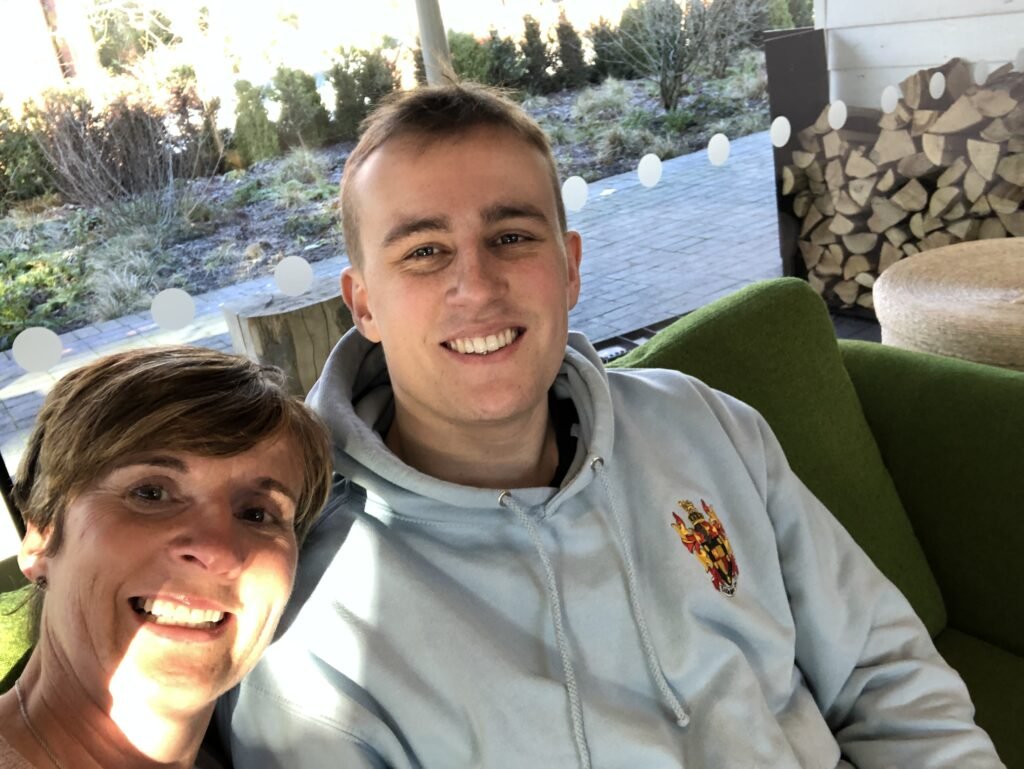
Thomas’s story has all the elements that make this format work: hard numbers, an honest timeline, and a fundraising hook that turned attention into £8,500.
For anyone building content around health and recovery, that conversion of story into measurable outcome is the part charities and platforms increasingly care about most.
NHS staff sharing their own patient histories have become a distinct strand of British health content in recent years, from junior doctors documenting life on the wards to survivors fronting charity campaigns.
Thomas sits exactly where those two threads cross.
For now, he wants more races. What a doctor who has lived both sides of the diagnosis does with that over a forty-year career is the longer story, and it has barely started.