

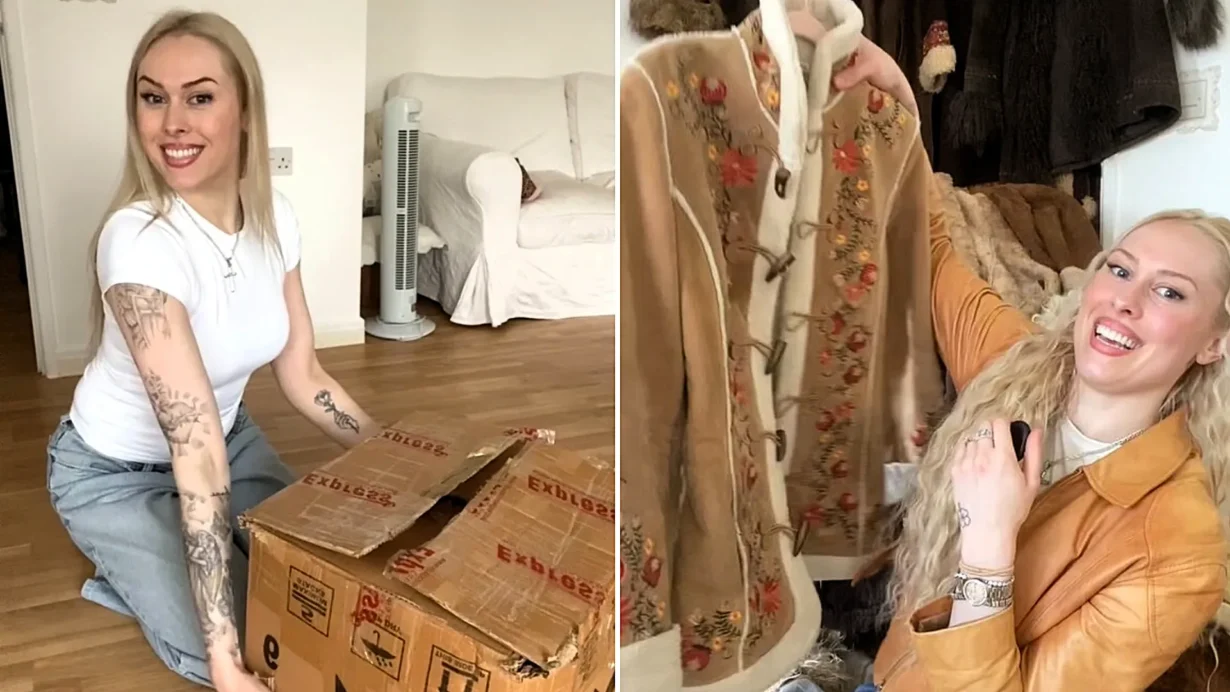

Hannah Divine bought a Ralph Lauren denim jacket for £10.
She sold it for £115.
That kind of margin is why the 26-year-old from Berkshire walked away from regular work and started reselling vintage clothes from home.
The job that never fit her
Hannah had tried retail. She found it stressful and badly suited to the way she works.
Autism and ADHD made a standard 9-5 hard, and the rigid hours clashed with what she calls her “neurodivergent ways”.
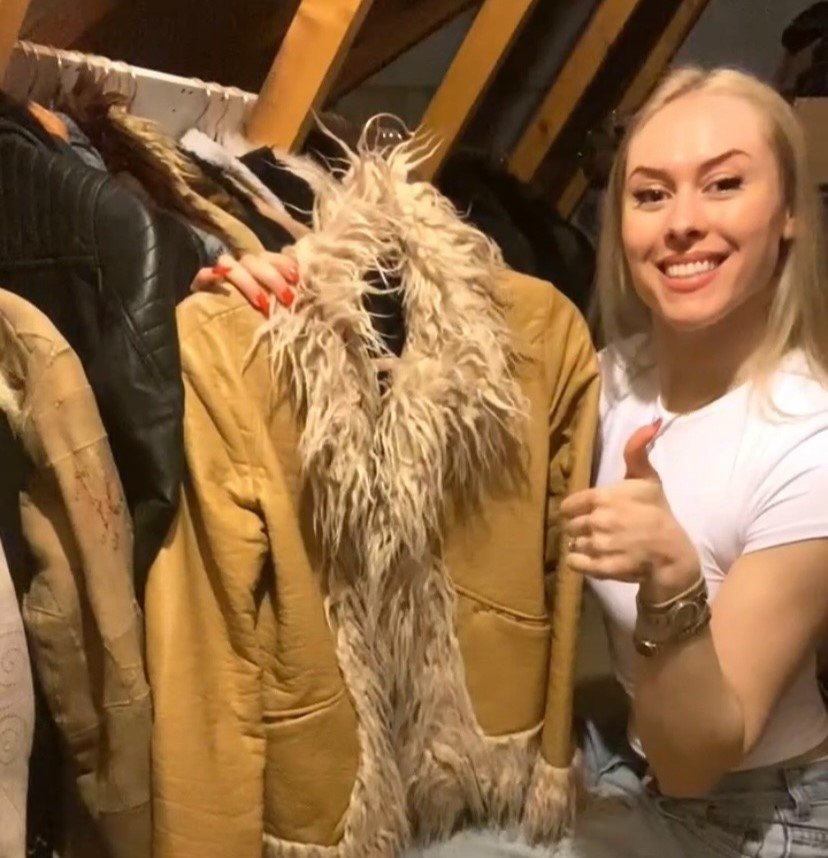
She wanted flexibility. Control over her own day.
A way to earn without someone else’s schedule deciding when she got up.
“I wanted to make money from the comfort of my own home,” she told Creatorzine.
The £800 gamble
She’d always loved vintage fashion. The question was whether an eye for good pieces could actually pay.
So she spent £800 on stock. She used Fleek, an online wholesale platform, to buy bundles of clothing, listed them for sale, and waited.
The waiting didn’t last long. Within months she was shifting multiple items a day, building a steady trade on Vinted under the name afghan_aura.
Six months in, she’s made £2,351.
Most months bring in between £500 and £1,000, roughly what part-time work paid, minus the part she hated.
Working out the profit
The Ralph Lauren jacket wasn’t luck. A men’s Timberland jacket she picked up for £14 sold for £120.
Her method is research. She types brand names into eBay, Depop and Vinted to see what sells, and for how much, before she prices anything.
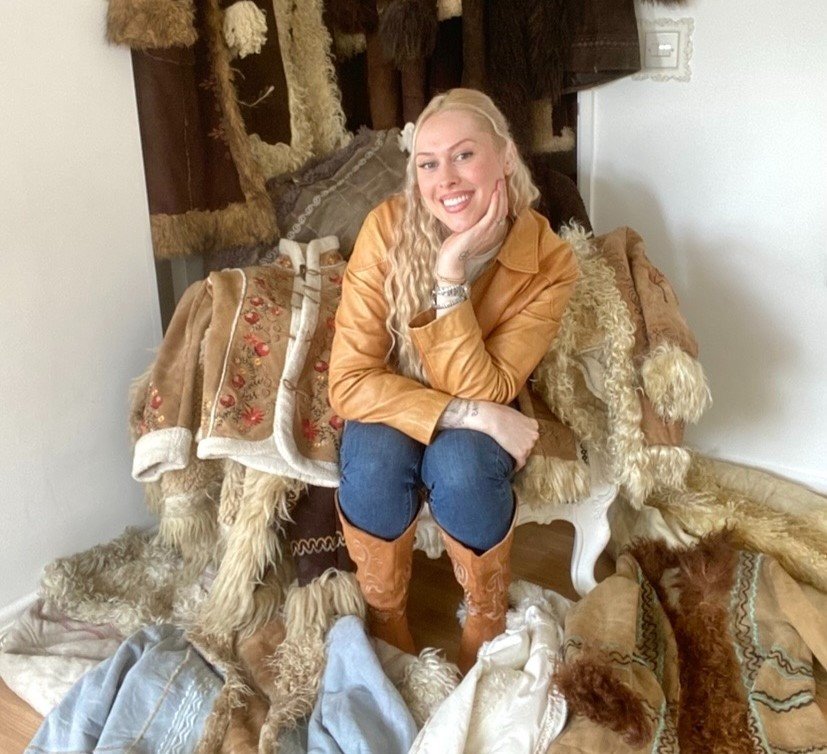
“Making nearly 10x profit per item is amazing,” she said.
Her advice for beginners is to check which platform has the most favourites or saves on an item, because that tells you whether it’s a quick flip.
And buy branded. A name adds value an unbranded piece never will.
The bit that actually matters to her
The money is good. The independence is better.
“There’s no waking up early and no strict schedule,” she said.
“I can do everything in my own time, and I genuinely enjoy it. Sometimes I even keep the odd piece for myself.”
“I feel empowered when I make my own money and can be my own boss.”
Why It Matters
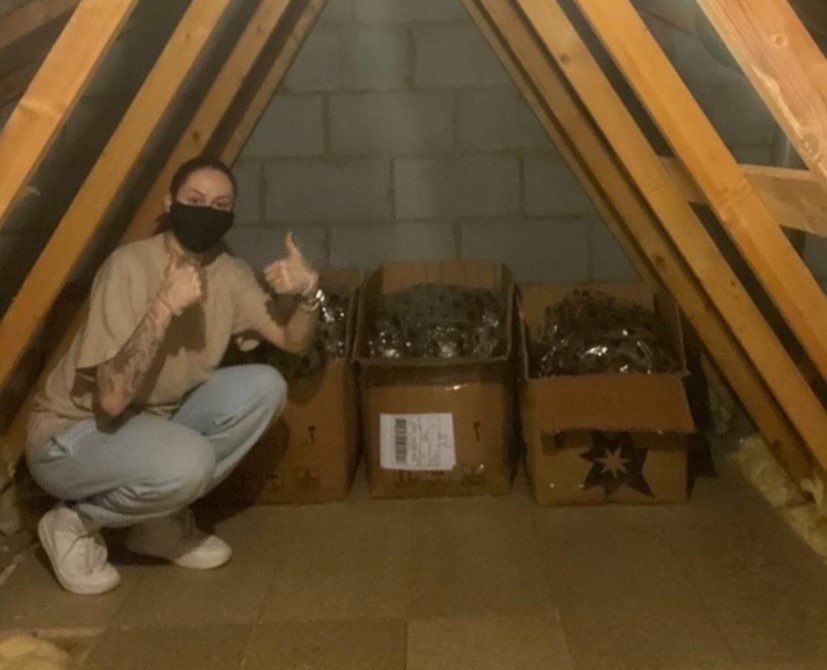
Reselling has become one of the lowest-barrier ways into the creator economy.
No camera, no following, none of the algorithm anxiety that comes with everything else.
Hannah’s story shows the model working for someone the traditional job market wasn’t built for, and that’s a growing share of the people it pulls in.
Vinted and Depop have turned secondhand selling into a real income stream for thousands of young people in the UK, with neurodivergent sellers increasingly naming the flexibility as the whole point.
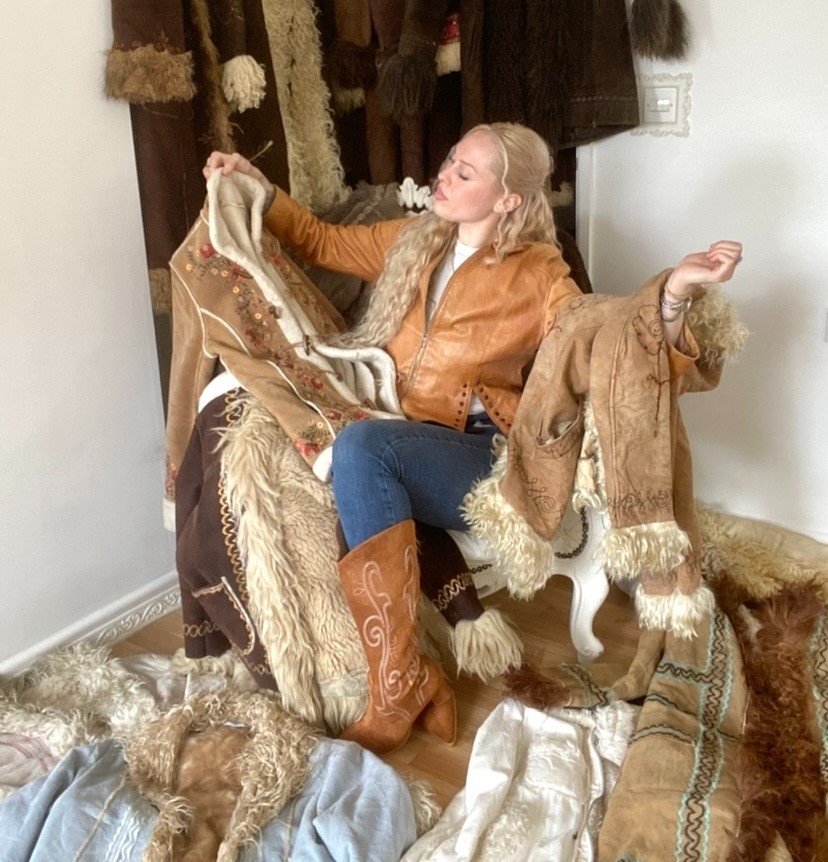
Hannah’s now aiming to make reselling full-time.
Her advice to anyone watching from a job that doesn’t fit them is short.
Start with one bundle. See what happens.