

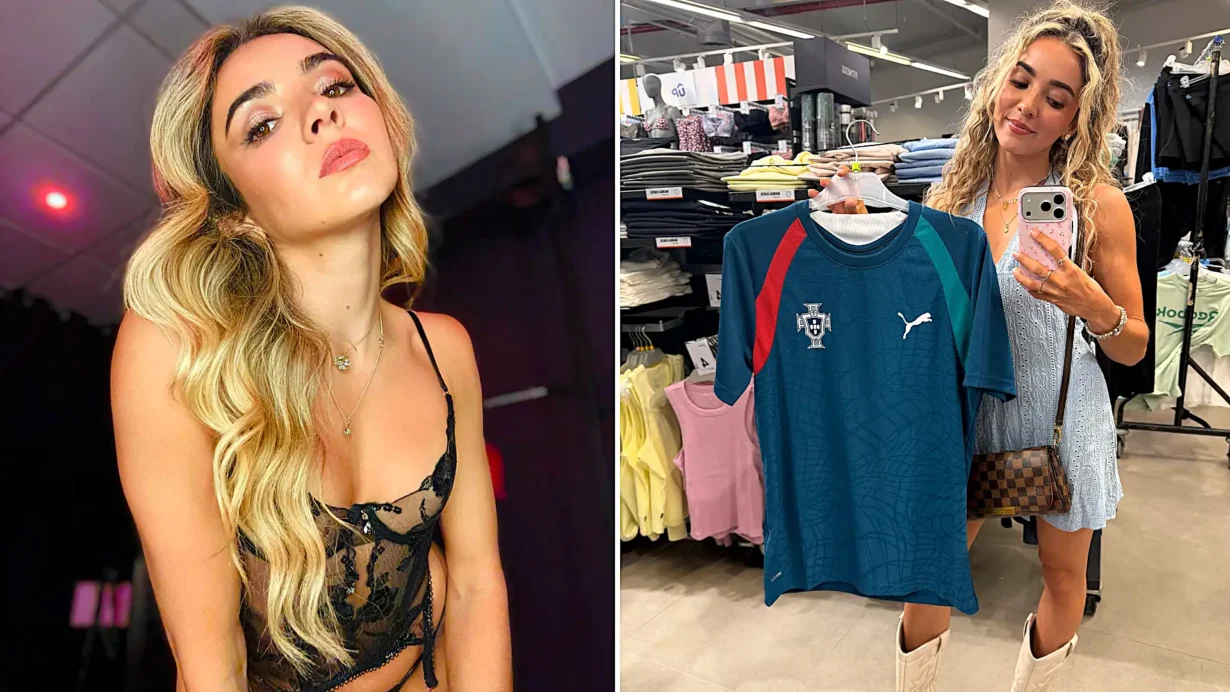

Molly Stone makes £30,000 a month, and she has never sat through a football match.
With the World Cup now under way, she expects that figure to climb.
The model and self-described financial dominatrix from London has built a £2m career out of getting men to pay her for very little.
Sometimes nothing at all. The World Cup is just her latest opening.
The idea that arrived during the Premier League final
It started with an Arsenal fan.
“I had never thought about it before until the other day when the Premier League final was on,” she told CreatorZine.

“And a man, who supported Arsenal, told me to taunt him about Crystal Palace [potentially winning] while wearing their shirt.”
He paid a few hundred pounds for the privilege.
“He got off on it,” she said. “It made me think, with the World Cup, this is now something that will appeal worldwide. It’ll make me a fortune.”
Molly won’t be watching any of it. She has a system instead.
“I refuse to wear a football top unless the sub pays a lot for it. I’ll be sending photos of the opposing teams’ kits and they’ll pay me to taunt them while they [touch themselves] over it. There isn’t much more to it.”
Hoover dust, a bin, and a slice of bread
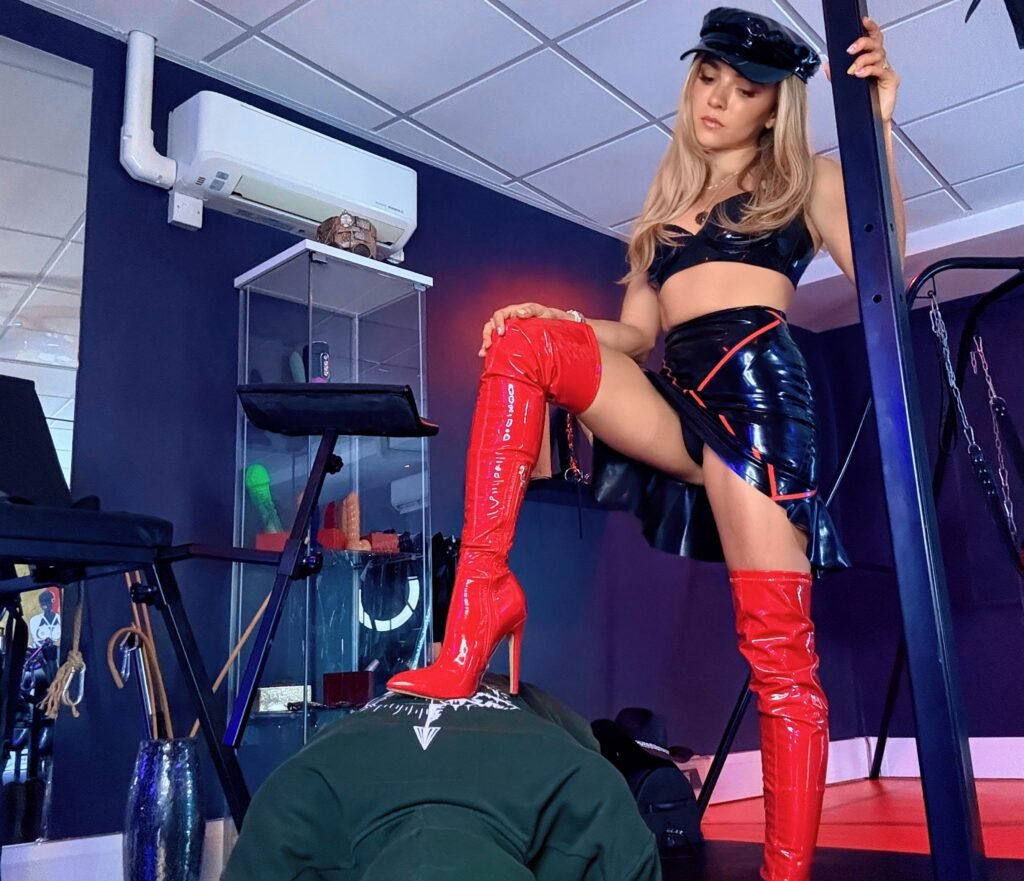
The football angle is new. The business is not.
Molly spends her days photographing her bin, filming hoover dust, and stamping on a slice of bread, which earned her £100 on its own.
Men pay for all of it. She still finds this slightly hard to believe.
It began on Twitter, now X. A man on eBay bought a pair of shoes from her, then told her to keep both the shoes and his money.
“People love to see videos of my bin, the hoover dust, or my feet,” she said.
“I never thought it was a real thing. Why would anybody spend so much money for getting little, or nothing, in return? But I was so wrong.”
Where the money goes

The £30,000 a month funds holidays, clothes, a car and her pet chickens.
It also funds a music career, with cash going on equipment and recording booth hire. The total so far sits at £2m.
She has a clear theory about why men hand it over.
“I think men are just very invested in their sexual desires, so they’re more than happy to spend hundreds on a moment of pleasure.
It’s like they can’t resist. For some of them, it’s the being degraded or humiliated that gets them off.”
The people who know

Molly’s family and her long-term partner are fully aware of what she does, and none of them have a problem with it.
“At the end of the day, this is a job and a role I play. It doesn’t mean I’m doing this in my personal life,” she said.
“I’ve also been in a relationship the entire time I’ve done this job and my boyfriend has never had an issue with it. It’s not something I worry about, as I wouldn’t want to date someone who judges people in my industry or would tell me what I can and can’t do.”
Why It Matters

Molly’s setup is a clean example of where the creator economy has actually gone.
Not brand deals and ring lights, but tightly targeted niches where the audience is small, devoted and willing to pay direct.
Financial domination strips the model down to its purest form: no product, no advertiser, just a creator and a buyer who has already decided the content is worth it.
The World Cup play shows the other instinct top creators share, which is reading a cultural moment and finding the gap nobody else is standing in.
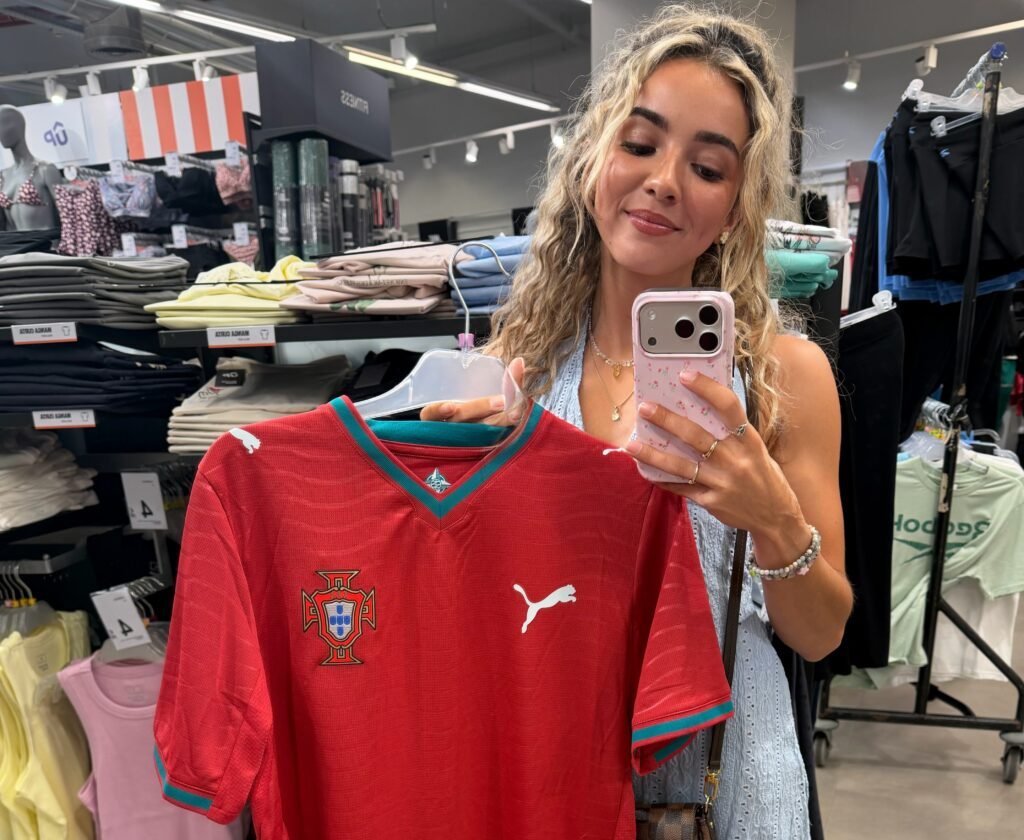
Creators are increasingly building income around fandom and rivalry rather than the sport or event itself, turning collective emotion into something they can sell back.
Tournaments make that emotion loud and global for a few weeks.
For Molly, the next month is the test of whether a London-specific gimmick travels.
If the kit photos land the way the Crystal Palace shirt did, expect a lot more creators to notice there’s money in the men who can’t switch off.
READ MORE: My male fans raised £40k to send me to the World Cup – then I crashed the Mustang on my FIRST drive