

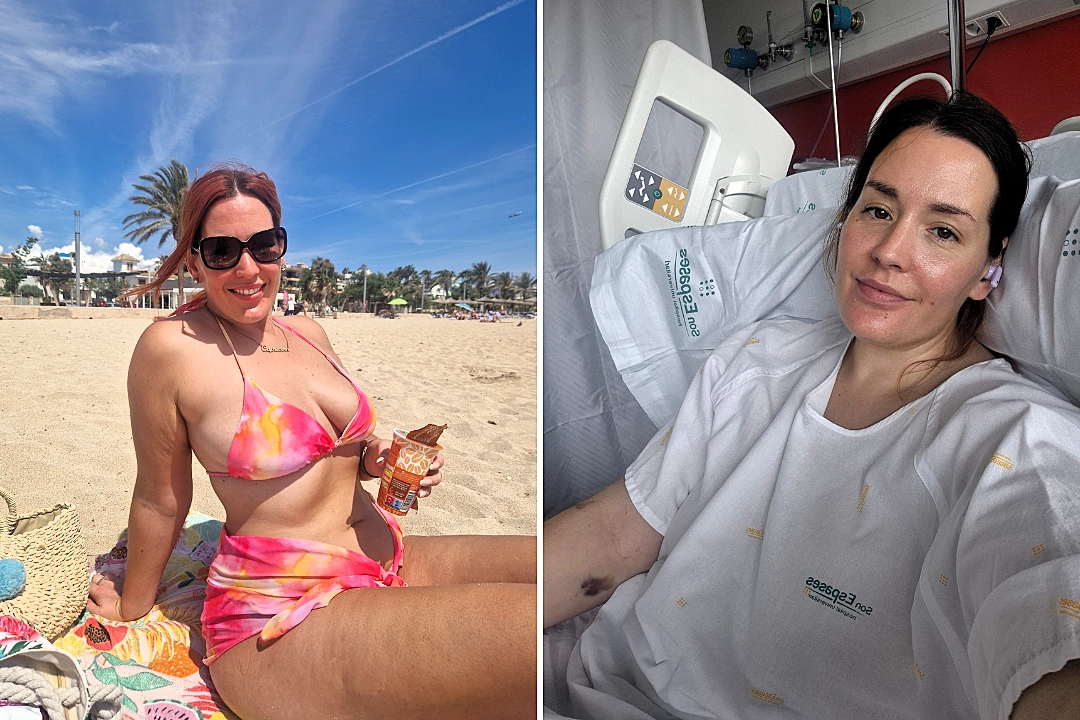

Charlie Wilson woke up one morning in Mallorca feeling sore, like she’d overdone it at the gym.
Within weeks she was paralysed.
By the time she got herself to a Mallorca hospital, the pain was at the level where she’d have done it on the spot.
She’d woken up five days earlier feeling sore.
READ MORE: I’m a Harvard-trained doctor – eat eggs every day for two weeks and HERE’S what happens to your body
She hadn’t been to the gym, and the pain had got worse every day since.
The hospital checked her for muscle infection and rheumatoid arthritis.
Two hours later they told her bloods were perfect and sent her home with stronger painkillers.
Her twin sister Victoria flew over from County Durham in March last year. By then Charlie couldn’t move.
The diagnosis took 17 days
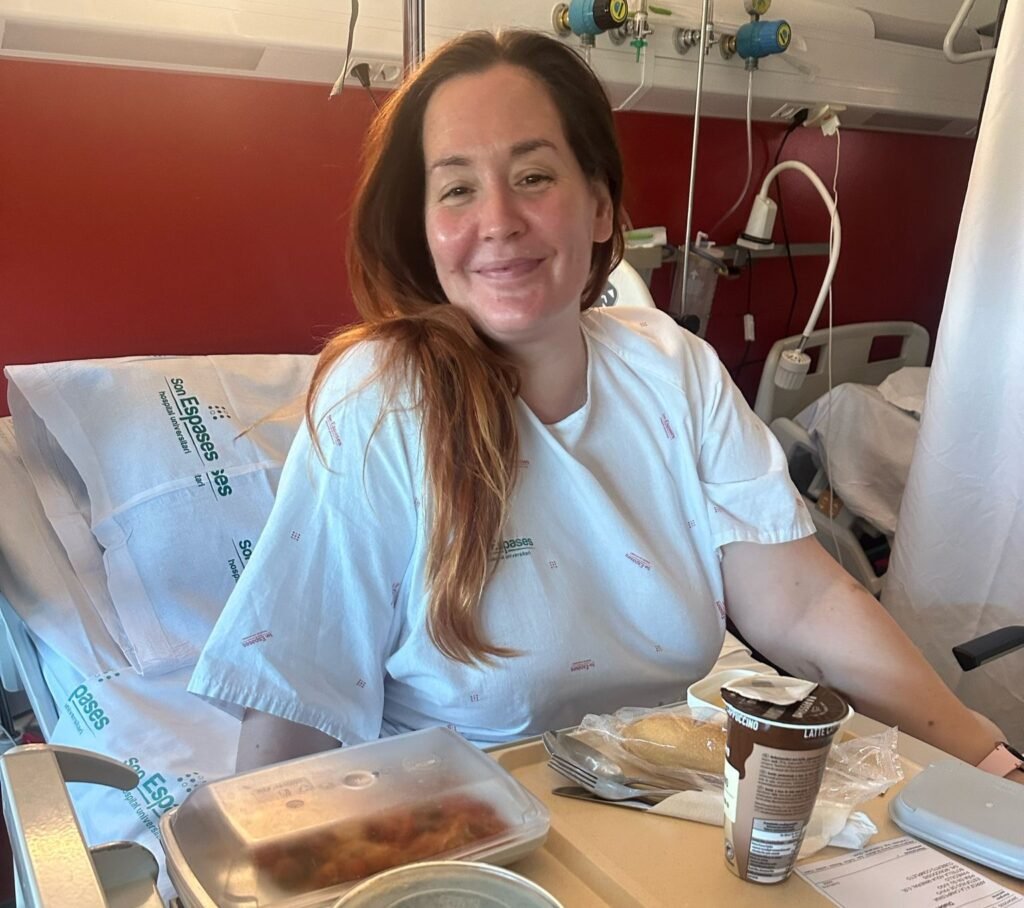
Charlie, 38, has extrapulmonary sarcoidosis. Sarcoidosis itself is rare.
The version that attacks limbs and joints rather than lungs affects 1.4% of patients.
That figure matters, because nobody around her had treated it before.
She spent 17 days in intensive care. Brain scans, chest scans, PET-TAC, countless blood tests.
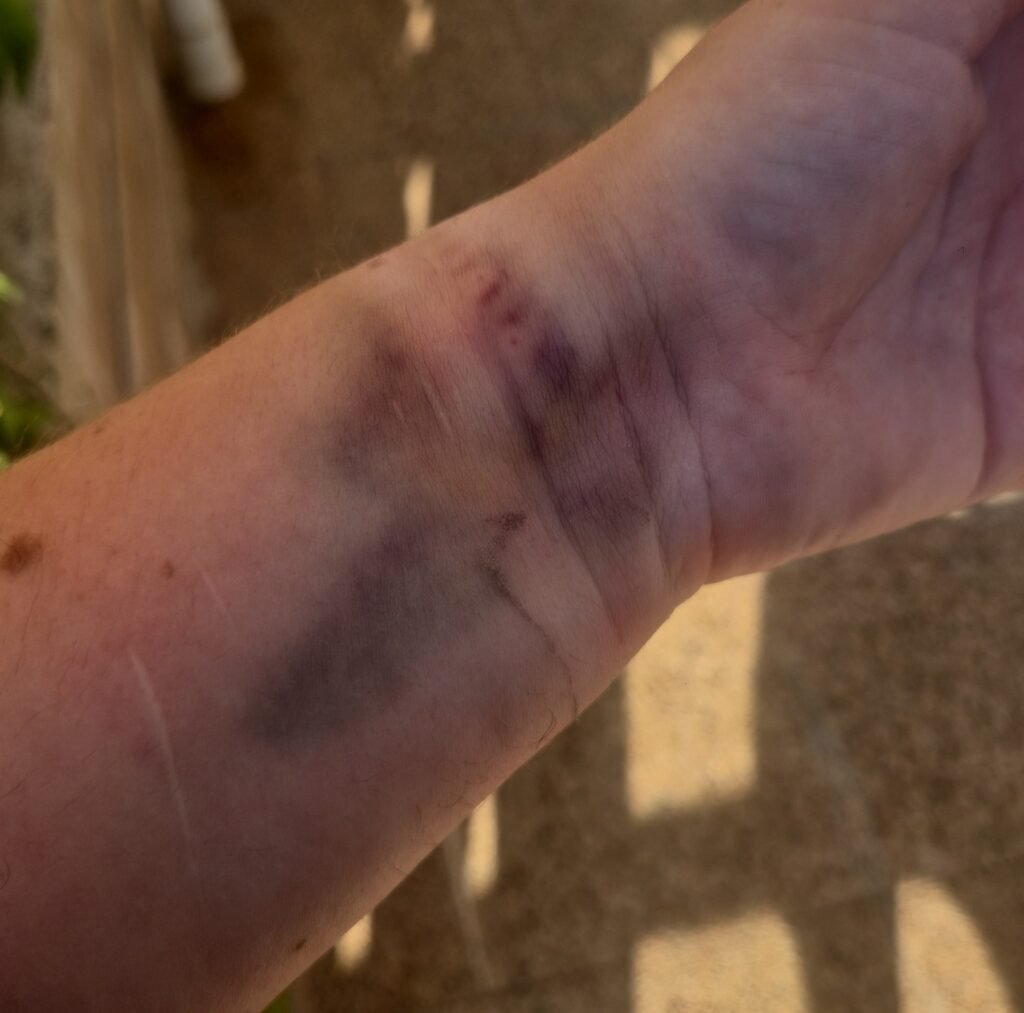
Lumps formed on her body while doctors watched.
They tried steroids, the standard treatment. Nothing. Morphine did nothing either.
“I was deteriorating in front of their eyes and lumps were forming in front of them all over my body,” she told CreatorZine.
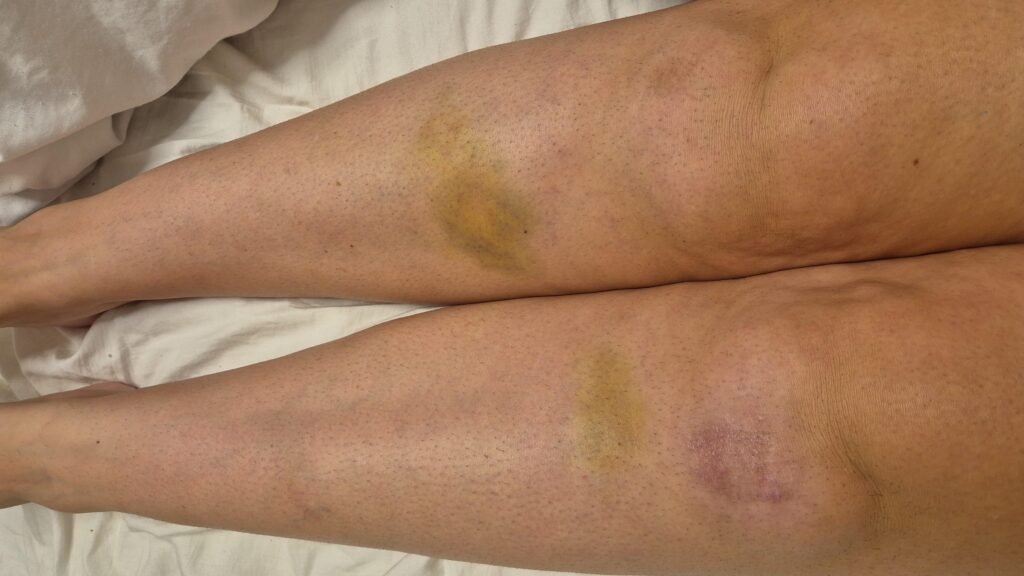
“They were speechless as they didn’t know what it could be.”
When doctors landed on sarcoidosis, Charlie pushed back.
She’d researched it from her bed and knew her lungs weren’t involved.
They insisted. They biopsied her. They confirmed the rarer version she’d suspected.
“I felt relieved to be able to have a name but the challenge only just started,” she said.
“Because it’s so rare, no one knew how to help me in terms of medication.”
From dream life to her sister’s house
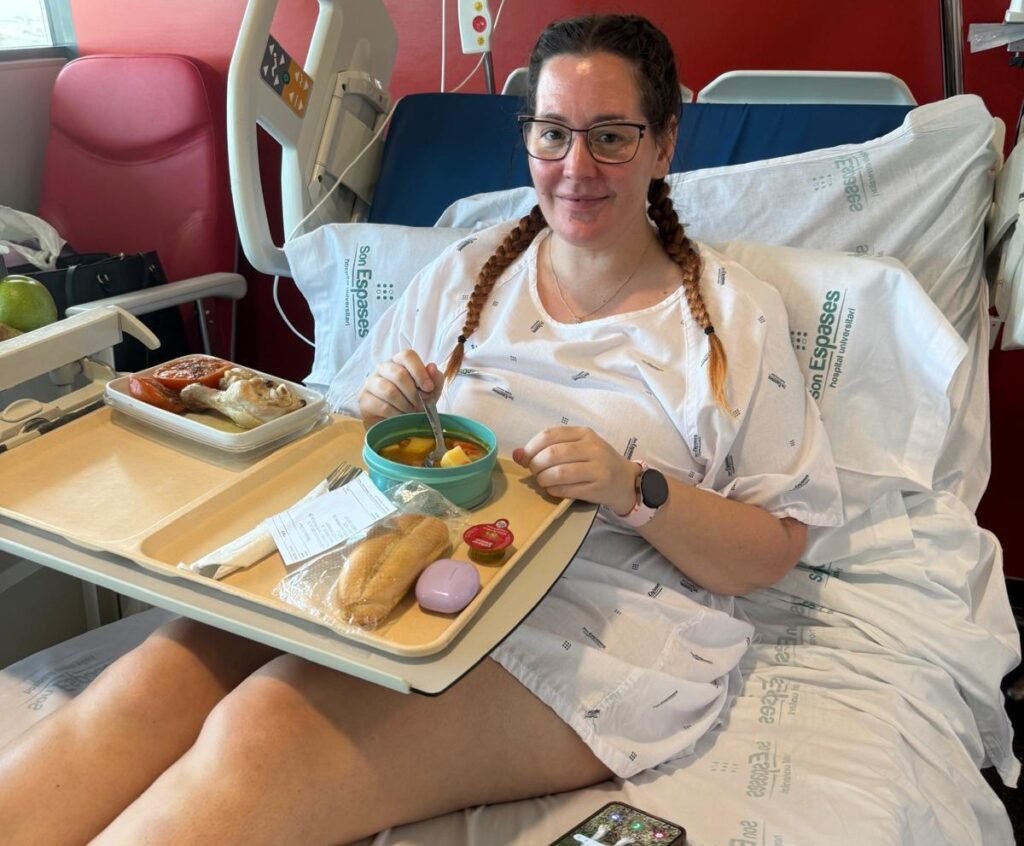
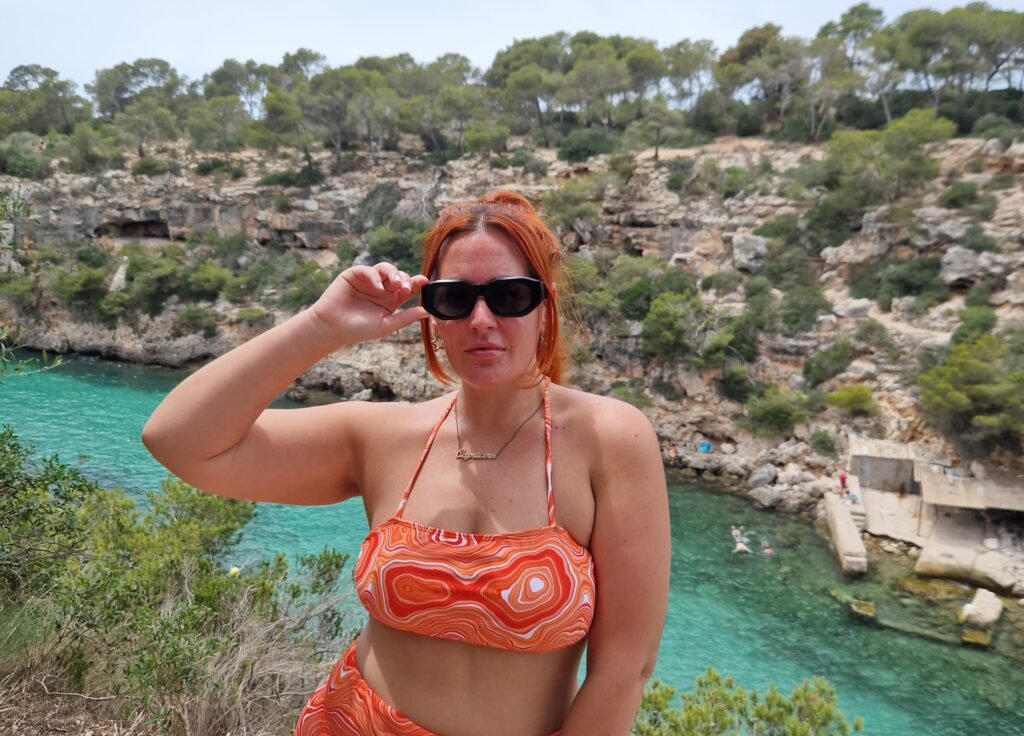
Before any of this, Charlie worked as a social media manager and lived what she calls a colourful life in Spain.
Independence, freedom, the quality of life people quit the UK for.
She is now back in Bishop Auckland, where her sister and 17-year-old niece Grace carry her up and down stairs, wash her hair and walk her dog.
“Swapping life from Mallorca to County Durham is already depressing enough,” she said.
“When it’s completely out of your control, it hurts a bit more.”
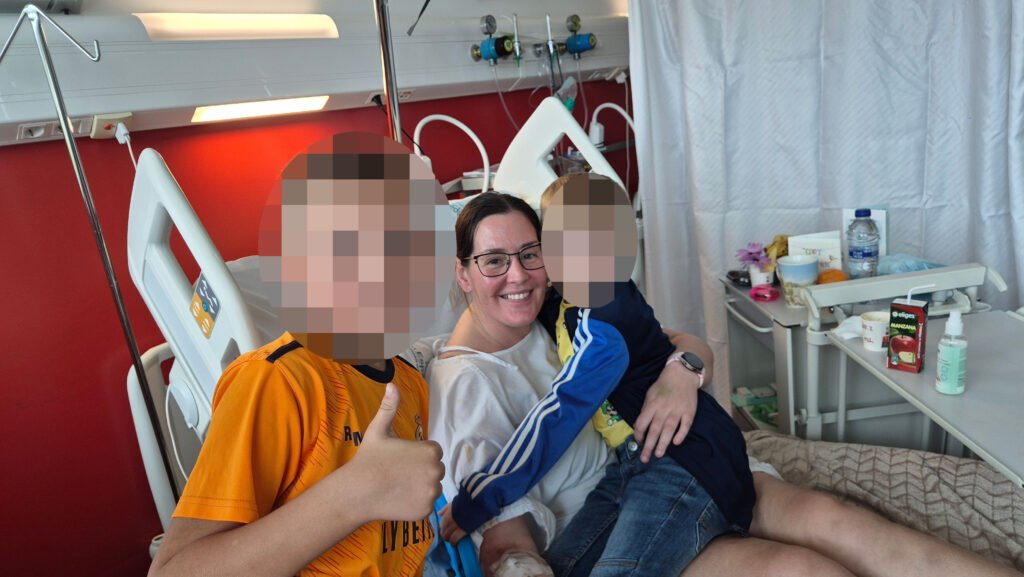
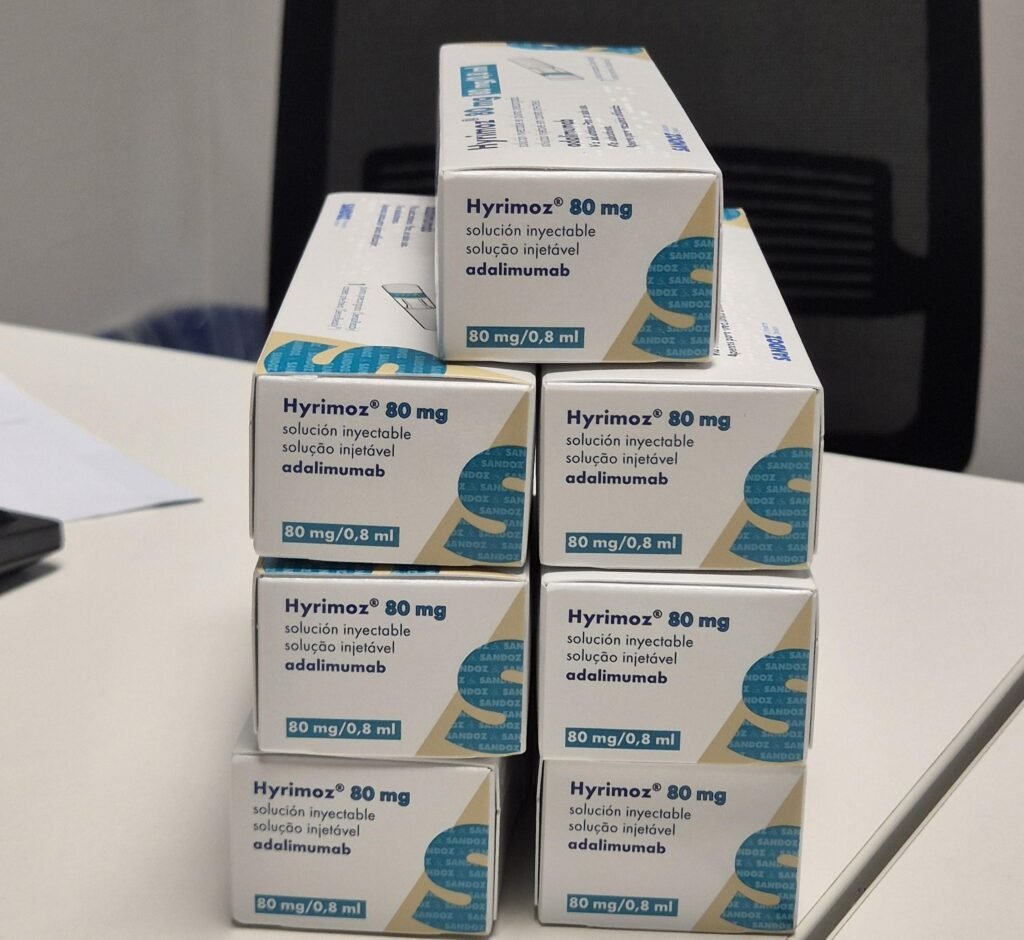
She’s on adalimumab, a biologic anti-TNF injection used for chronic autoimmune conditions. It helps. It doesn’t fix it.
During a flare-up she loses everything except her right arm. Can’t lift her head.
Can’t pick up a water bottle with her left hand. Can’t sit, stand or walk.
A Tesco run on a good day puts her in bed for three days afterwards.
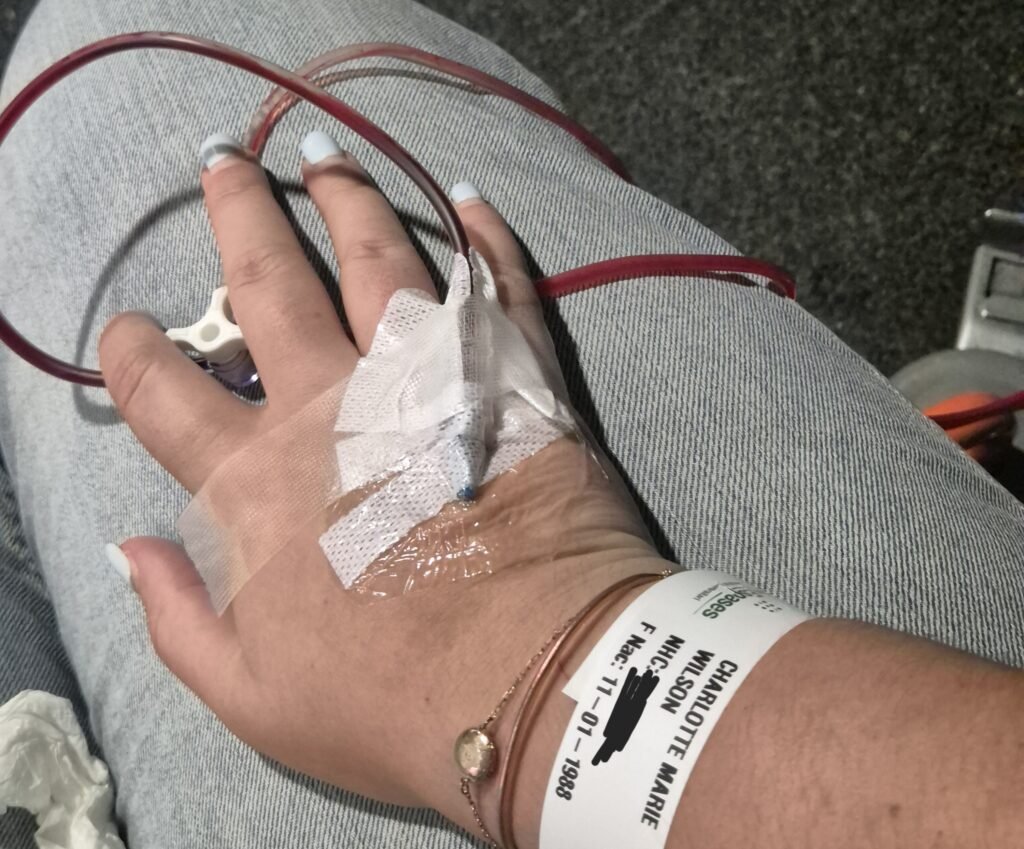
“It’s never-ending suffering,” she said. “I’m fiercely independent, so this has been very debilitating.
From doing what I want, when I want to asking for help to go to the bathroom is heartbreaking.”
Why it matters
Charlie’s old job was building audiences for other people.
Now she’s using whatever energy she has left to find anyone, anywhere, with the same diagnosis. She hasn’t managed it yet.
Creators are increasingly building the rare-disease patient communities that charities and health services don’t.
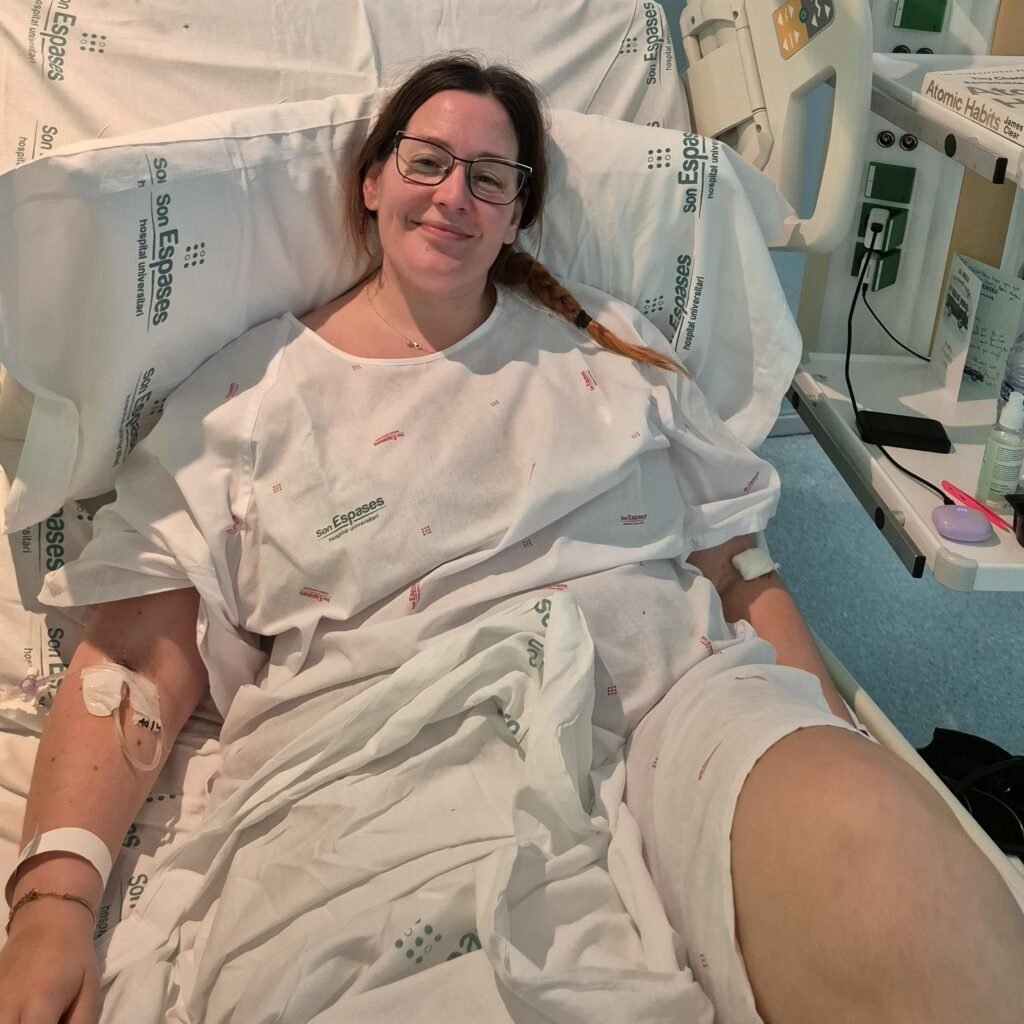
People with platforms find each other in ways the medical system can’t help with.
Charlie’s situation also reads as a quieter footnote to the digital nomad pitch.
The lifestyle holds up until your body decides otherwise, and self-employed creators abroad tend not to come with the safety net that makes serious illness manageable.
What happens next
Nobody has told Charlie whether she’ll get better. The doctors don’t know.
She’s using what reach she has to push others to keep asking questions about their own bodies.
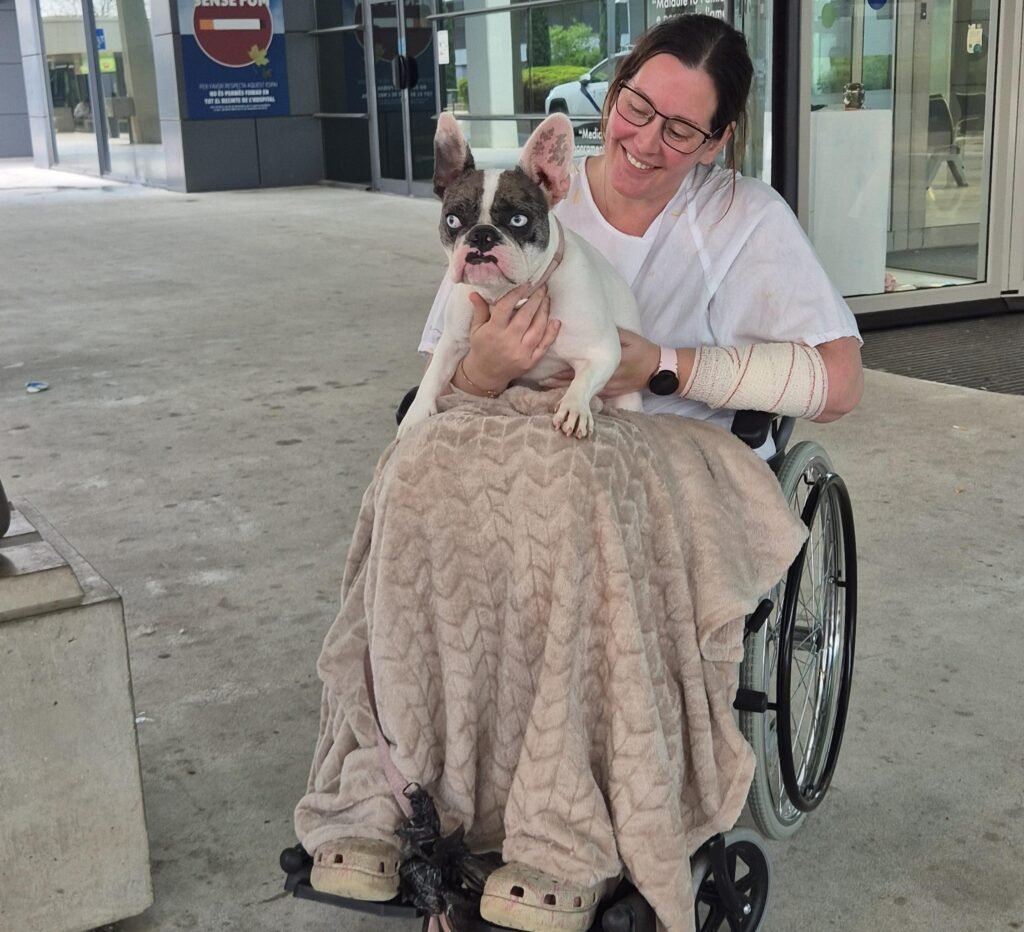
“I knew I didn’t have the regular version of sarcoidosis,” she said.
“It’s a scary and challenging road but someone out there can help. We have a voice and we shouldn’t be worried to use it to help ourselves.”
She’s still waiting for someone to message and tell her they know exactly what she’s talking about.