

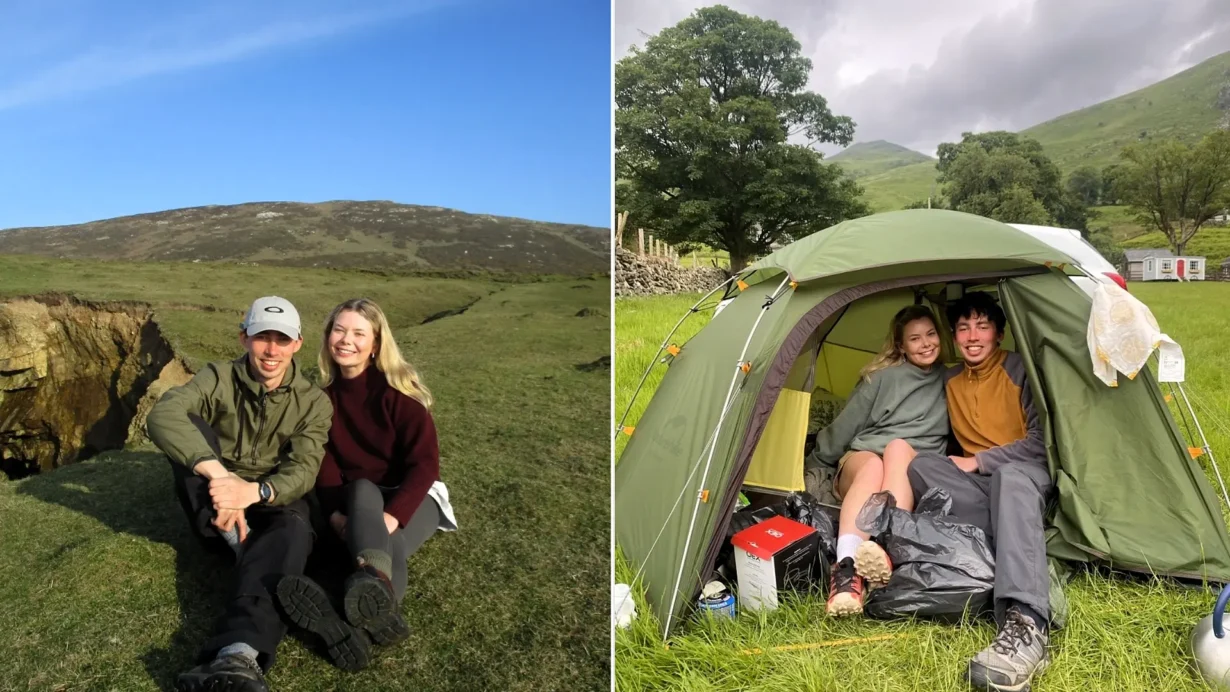

Lois Roberts and Aron Llywd used to hand Cardiff landlords half of everything they earned.
These days they pay nothing, and their nearest neighbours are 500 sheep.
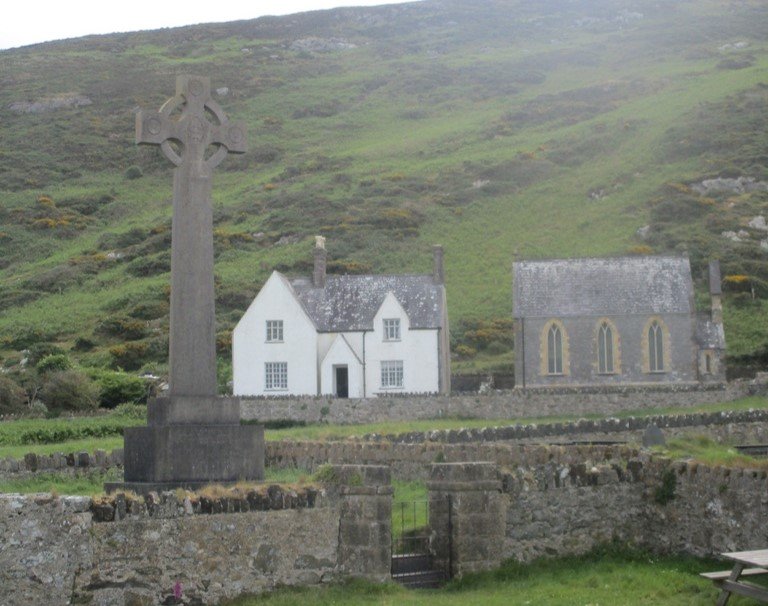
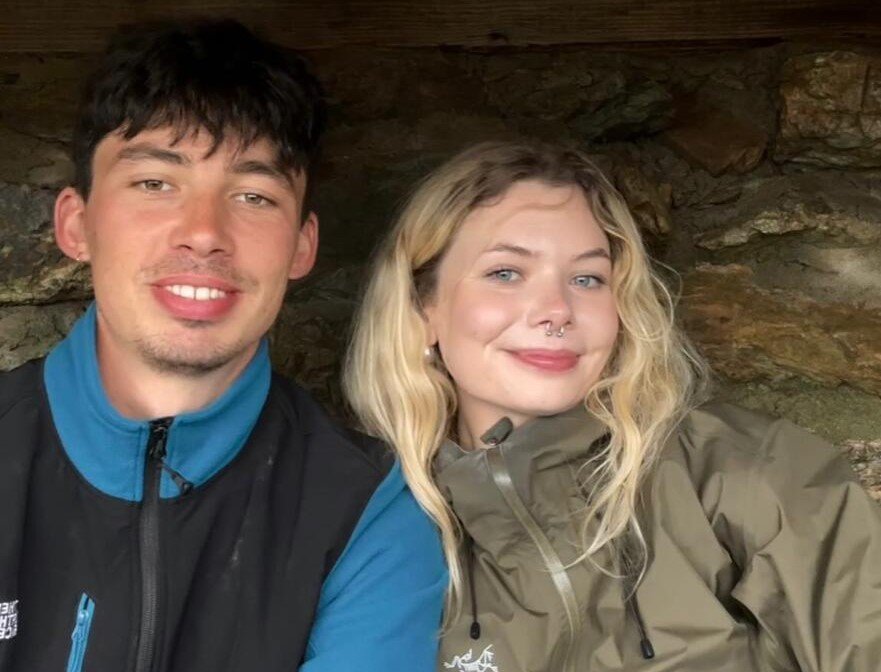
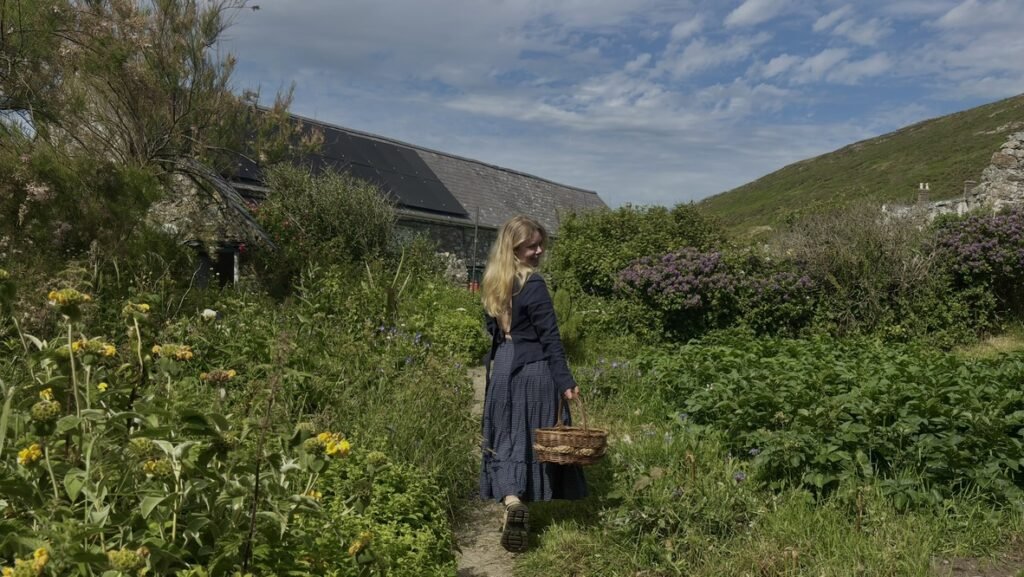
The couple, both 29, are the full-time wardens of Ynys Enlli, known in English as Bardsey Island, off the Llyn Peninsula in Gwynedd.
READ MORE: My care home wants to kick me out for throwing too many parties – I’m 96 and nobody can STOP me
The job covers the gardens and ten holiday cottages. In return, they get a salary and a rent-free home on an island with a permanent human population of four.
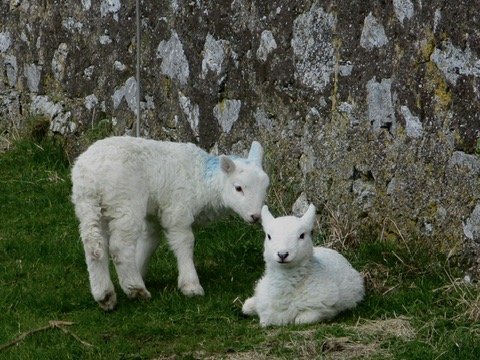
That’s them, plus two farmers. Everyone else is a sheep.
“We consider the sheep our neighbours,” Lois told Creatorzine.
“It’s especially cute in spring during lambing season, as there’s loads of little lambs everywhere.”
A job advert with an island attached
Off-grid living had been the plan for years. The money to fund it had not.
Lois had just finished a masters in clinical psychology and was working as a researcher.
Aron was a lighting technician in film and television.
Then the warden role appeared, and they dropped everything.
“Starting an off-grid lifestyle from scratch wasn’t going to be possible,” Lois said.
“But we kept seeing people on television and online that had changed their lives by living in remote areas – and we were desperate to do the same.
“Also, having just finished university, I wanted to do something different and not go straight into a mainstream role.”
They eased in with seasonal stints across 2024 and 2025, returning home each winter.
When the previous full-time wardens left in March 2026, the pair took over for good.
No corner shop, no signal, one outdoor toilet
Island life recalibrated their relationship with basically everything.
“I didn’t really think of where things came from before and took everything for granted,” Lois said.
“Now I know exactly where our water and power comes from – and I’m careful about the amount we use, as it’s precious.
I can’t pop to the shop if I’ve forgotten to buy something. Or see family and friends whenever we want.”
Their house is old, the compost toilet sits at the back of the garden, and phone signal exists only at the top of the mountain.
There is WiFi indoors, when it feels like cooperating.
“Sometimes, it cuts off and we’re isolated,” she said. “But then again, even with it, we feel like we’re separated from the rest of the world. It’s almost like we’re in a bubble with its own time and rules.”
Guests visit between April and September, staying in listed houses built in the 1870s that need constant attention.
When doors and windows give up, the couple fix them, with help from volunteers who stay on the island.
The work is unpredictable by design.
Lobster cages, cider and a banjo
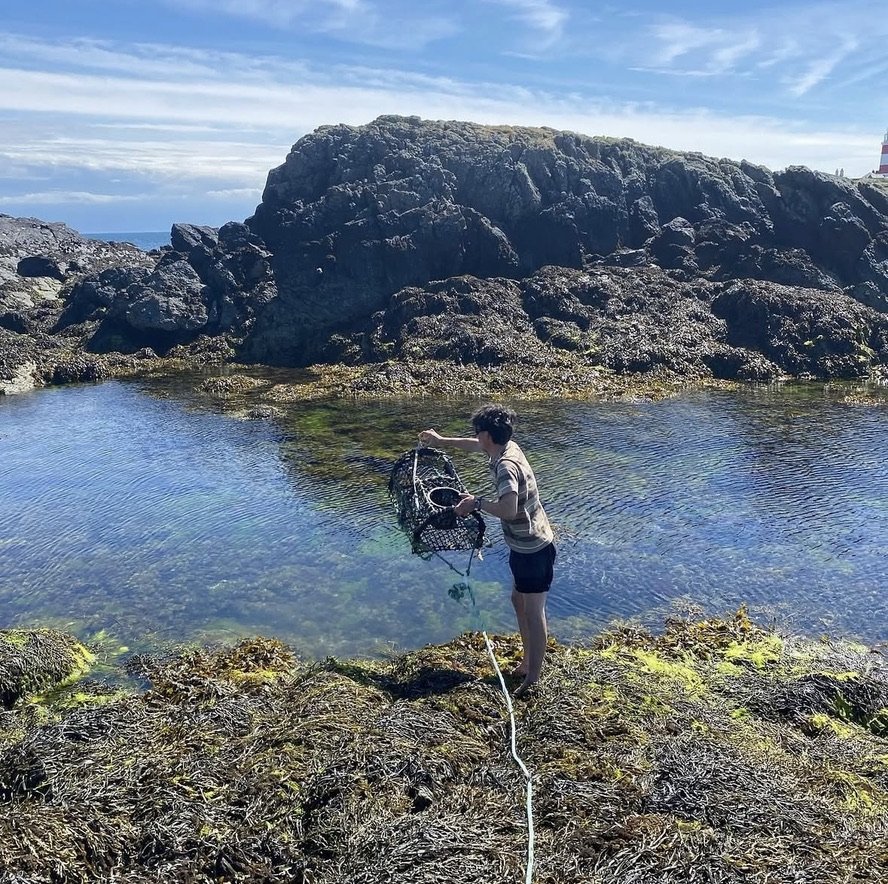
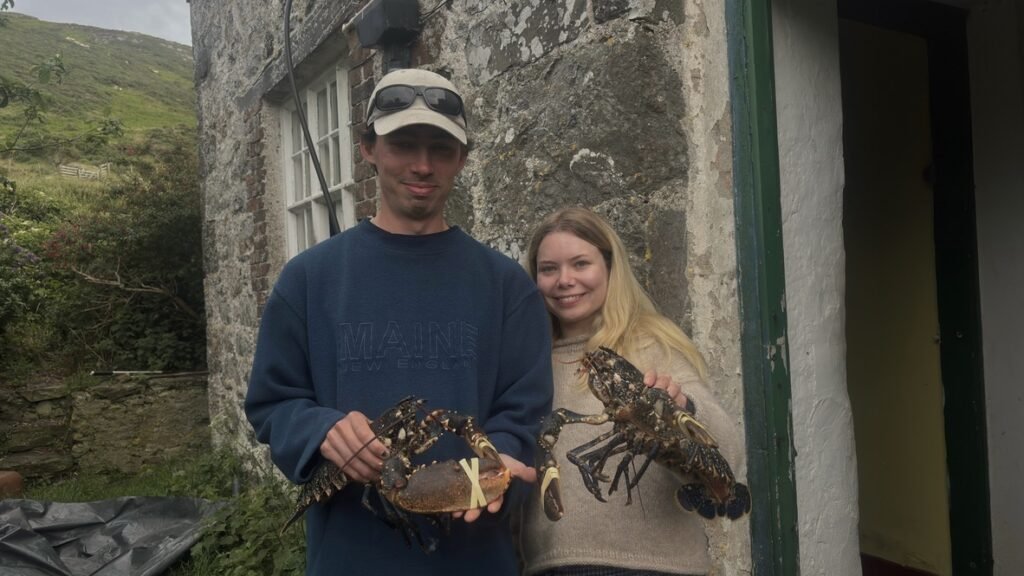
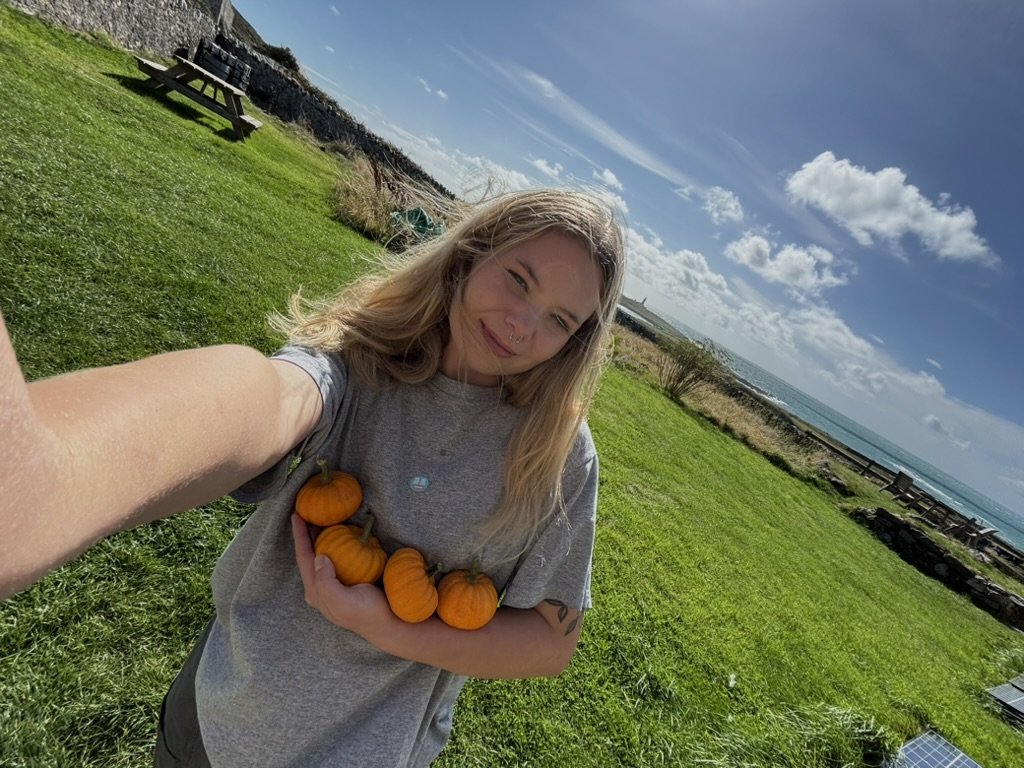
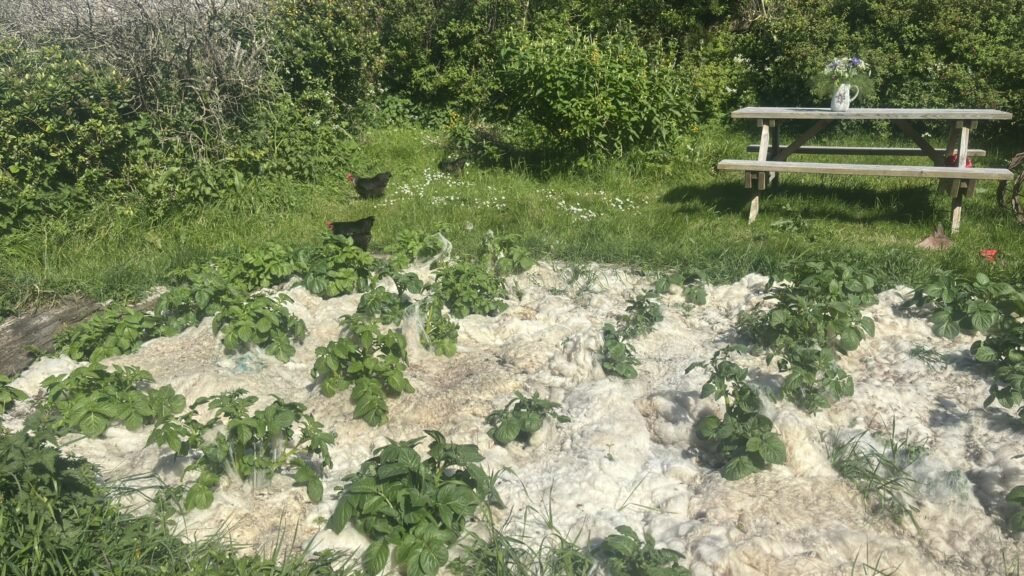
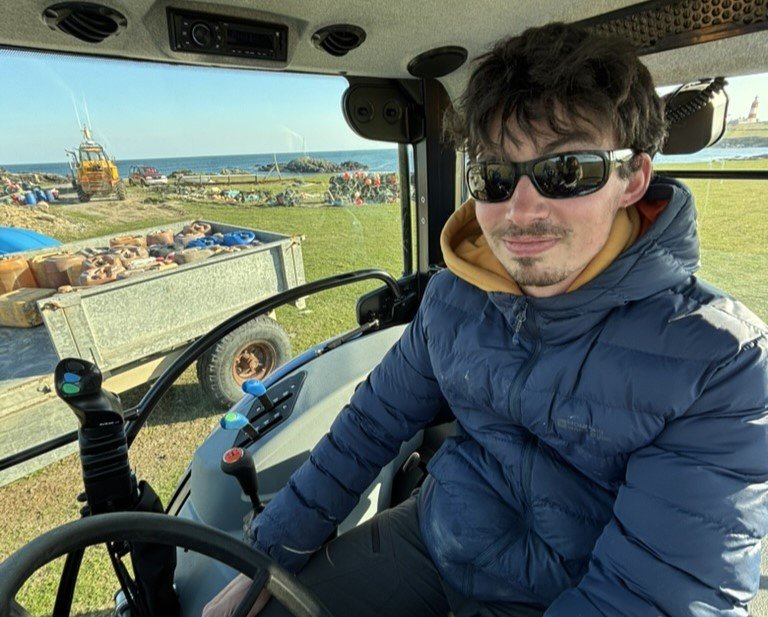
The pair grow their own food in a veg patch and a large poly tunnel, run two lobster cages, collect daily eggs from five chickens and press cider from the nearby orchard.
The slower pace has filled itself in unexpected ways. “I think, in the city, I rarely had the headspace to sit down and learn a new craft for hours,” Lois said.
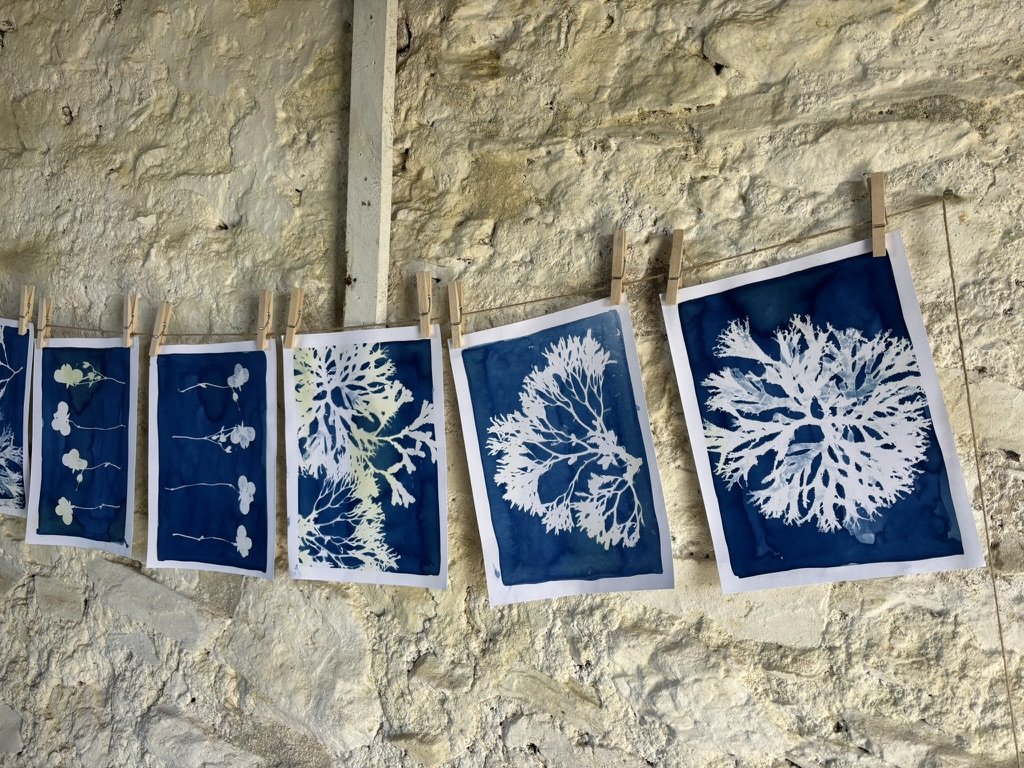
“Since moving here, I’ve learned how to knit, make cyanotype prints, weave and play the banjo.”
The trade-offs are real, though. Power comes from solar panels, a wind turbine in winter, and a generator with batteries as backup.
A few sunless weeks means no electricity.
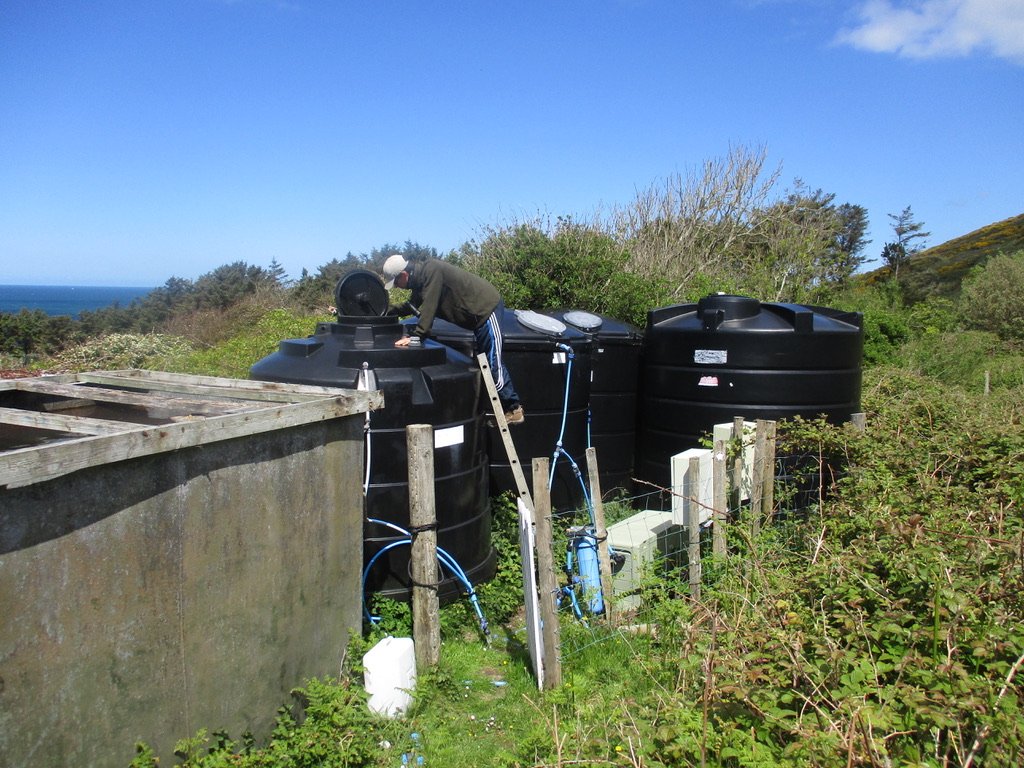
A long sunny spell drains the rainwater they use for washing, while drinking water comes from a well on the mountain.
“Keeping these supplies separate means we can make the best use of our limited resources,” she said.
The maths that made it worth it
In Cardiff, more than half their monthly pay disappeared into rent, bills and living costs.
Saving was impossible. Owning a home felt like a rumour.
Now they bank half of everything they earn.
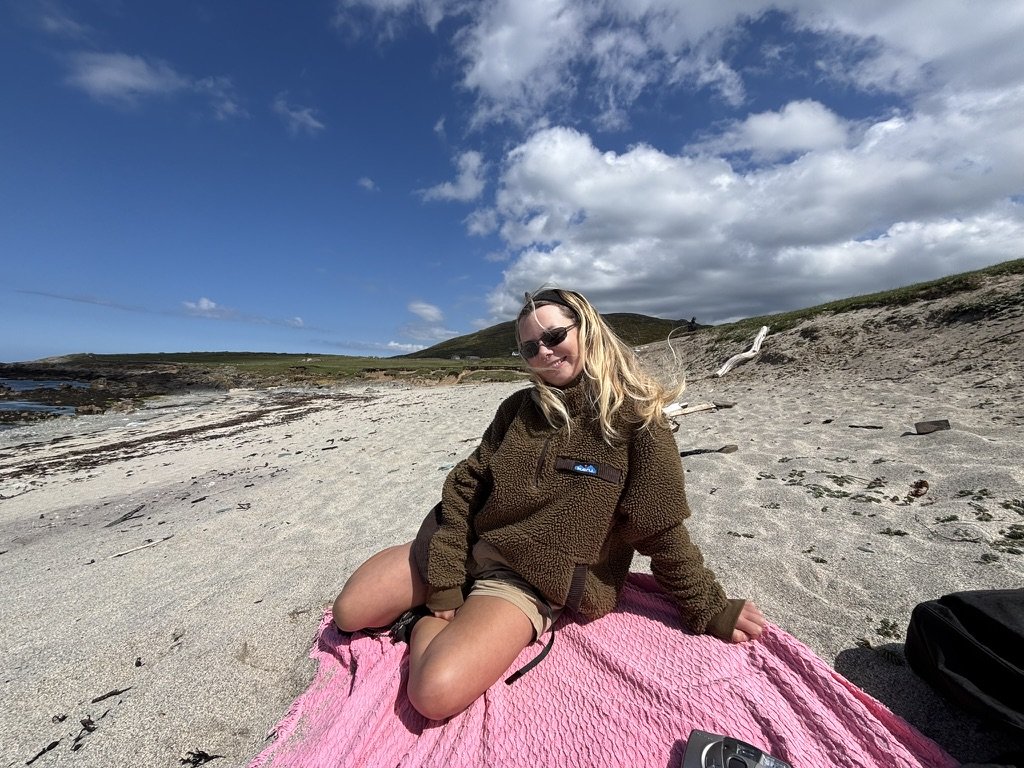
The perks are not bad either. Northern Lights from the doorstep. Total darkness at night, with the Milky Way on clear evenings.
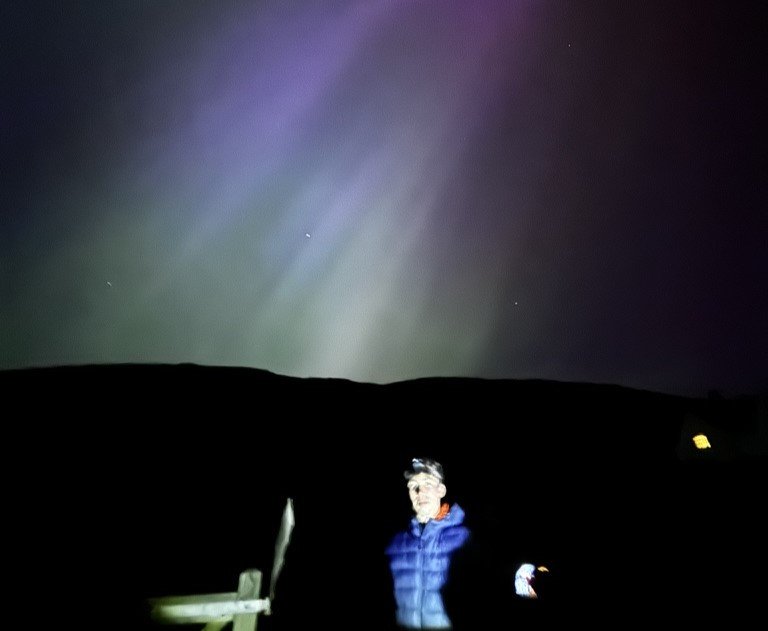
“The closest light pollution is actually from Dublin,” Lois said.
Why It Matters
Lois and Aron found this life by watching other people live it online.
That is the off-grid content genre doing exactly what its critics say it can’t: converting viewers into participants, not just daydreamers.
For creators in the escape-the-city niche, this couple is proof the fantasy has a functioning pipeline, and every new arrival becomes fresh material for the next wave of watchers.
Their story lands amid a wider boom in slow-living and cost-of-living escape content, where the appeal of ditching rent has shifted from aesthetic to arithmetic.
The couple plan to stay a few more years before settling elsewhere, whenever that feels right.
Until then, the mainland can wait. “When we go to the mainland after a long time on the island,” Lois said,
“it feels like we’ve been in a dream.”
READ MORE: My wedding dress cost £15 from Shein – I feared it would look cheap but not a single guest NOTICED