


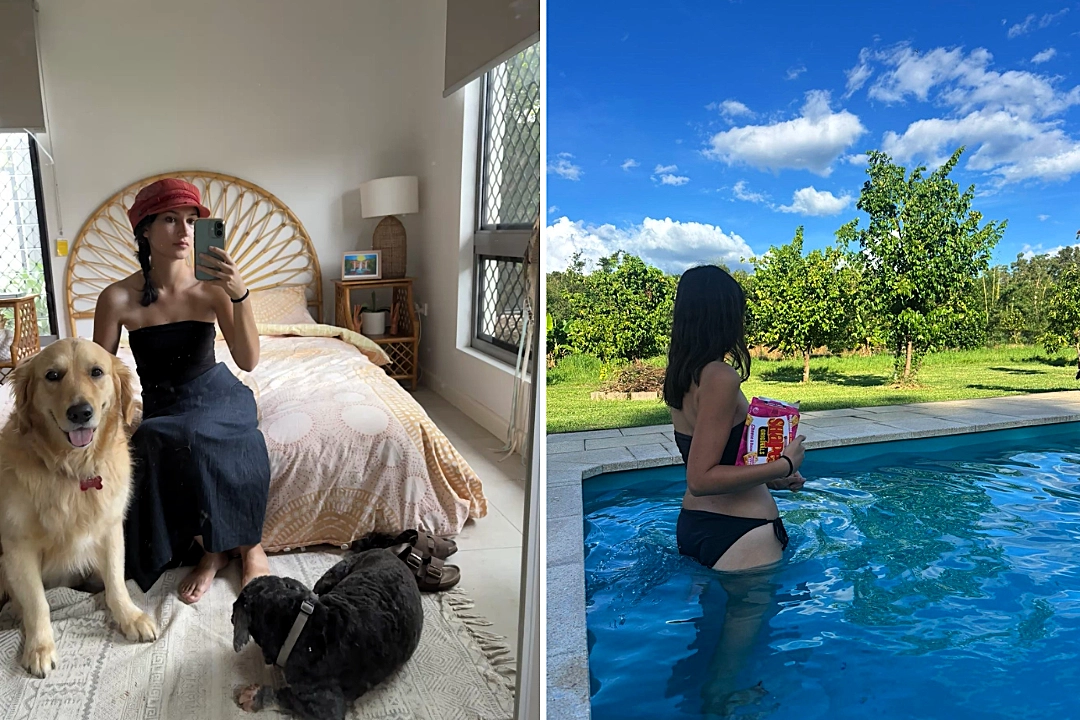

Tara Little hasn’t paid rent in years.
Not because she owns a home. Because she lives in everyone else’s.
The 25-year-old from Darwin, Australia turned full-time housesitting into a lifestyle that’s eliminated rent, bills, and the particular misery of passive-aggressive housemates.
READ MORE: We flew six friends to Spain for the day and it cost less than a UK SPA
She estimates it saves her around $10,000 AUD (£5,298) every year.
“The best part of housesitting is being able to live in solitude without the stress of paying rent or bills,” she says.

“No waking up to housemates slamming doors or clanging kitchen pots. No bickering over who left dirty dishes in the sink.”
From struggling to pay rent to running her own business
Before housesitting, Tara was paying $200 AUD a week in rent and couldn’t find steady work after relocating.
The combination pushed her toward an unconventional exit.
She discovered housesitting, built a client base across two platforms and Facebook groups, and launched a social media management business on the side – one she could run from anyone’s kitchen table.
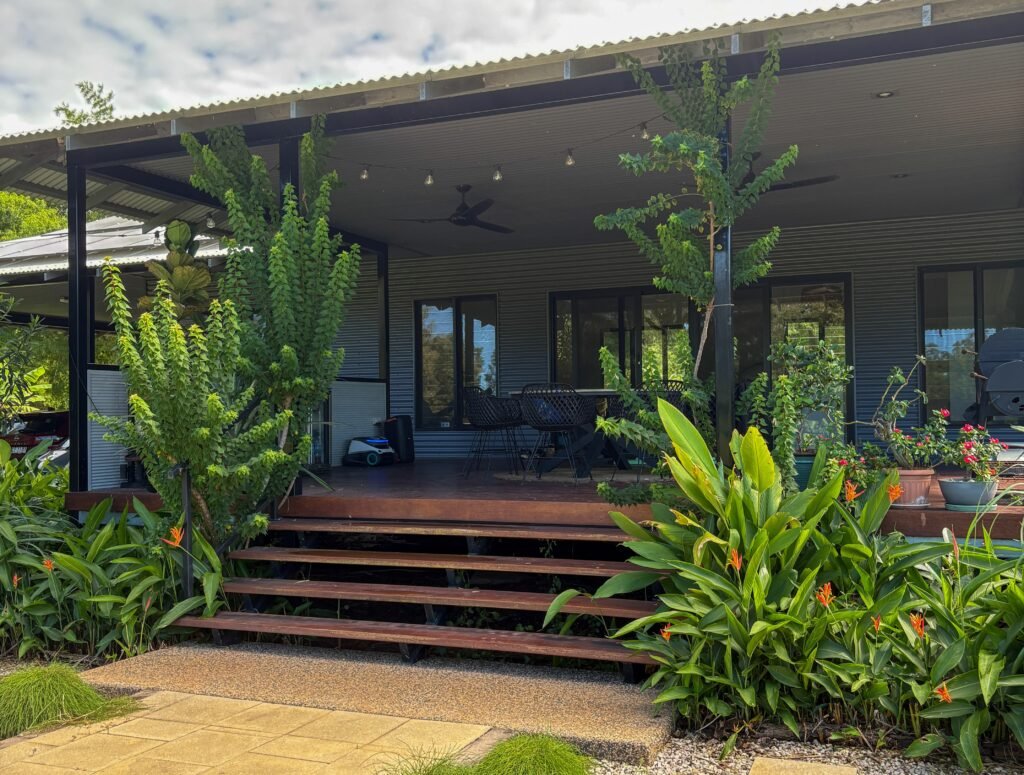
“Housesitting took away the stress of paying rent or bills and allowed me to focus on building my business,” she says.
Her setup is methodical. Before each stay, she meets homeowners to walk through the property, go over pet routines, and exchange keys.
She sets her own nightly rate – between $10 and $20 – and made over $5,000 AUD from housesitting alone in the past year.
She has now stayed in almost every suburb across Darwin, but her favourite sit so far was a rural three-bedroom home with a pool.
“So peaceful and surrounded by nature,” she says.
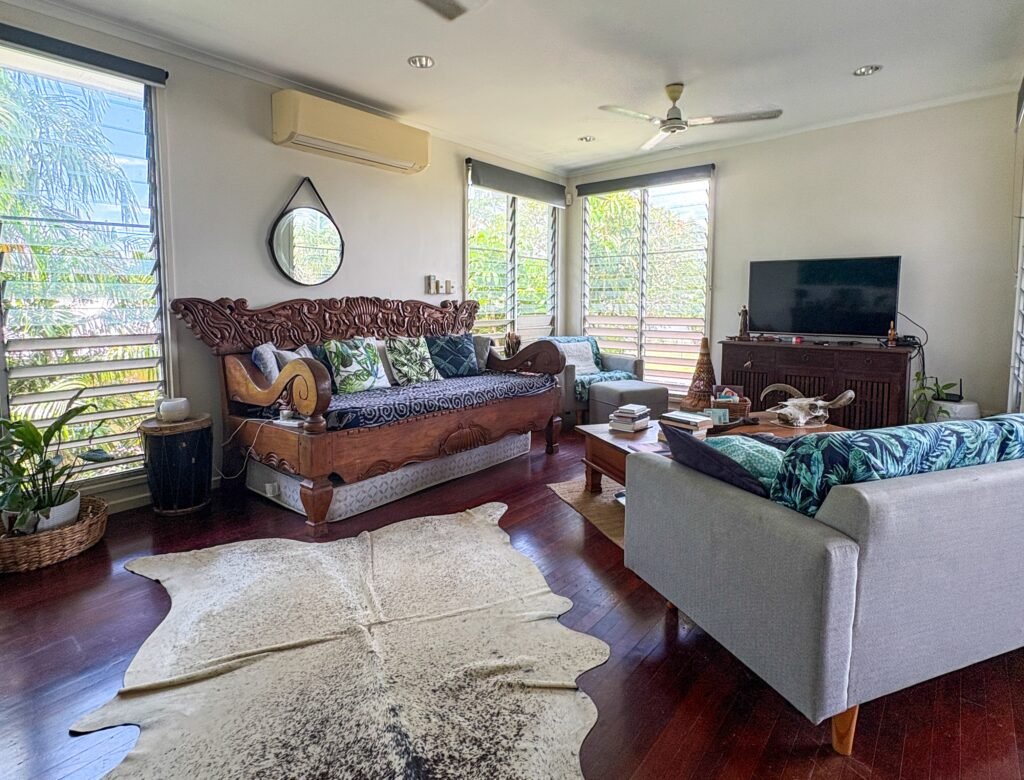
“On the drive out there, I saw a huge water buffalo and passed waterholes and lagoons that, without doubt, are occupied by crocodiles.”
Three suitcases and a strict no-parties policy
It isn’t all pool days and wildlife. Living out of three suitcases is, by Tara’s own admission, the hardest part – particularly for someone who loves fashion and collecting things.
“Housesitting has shown me how much we all participate in overconsumption,” she says.
“It’s forced me to make better choices.”
Moving days are draining. Last-minute cancellations occasionally leave her scrambling.
And some sits come with restrictions – pets with separation anxiety, for instance, that mean she can’t leave the house freely.
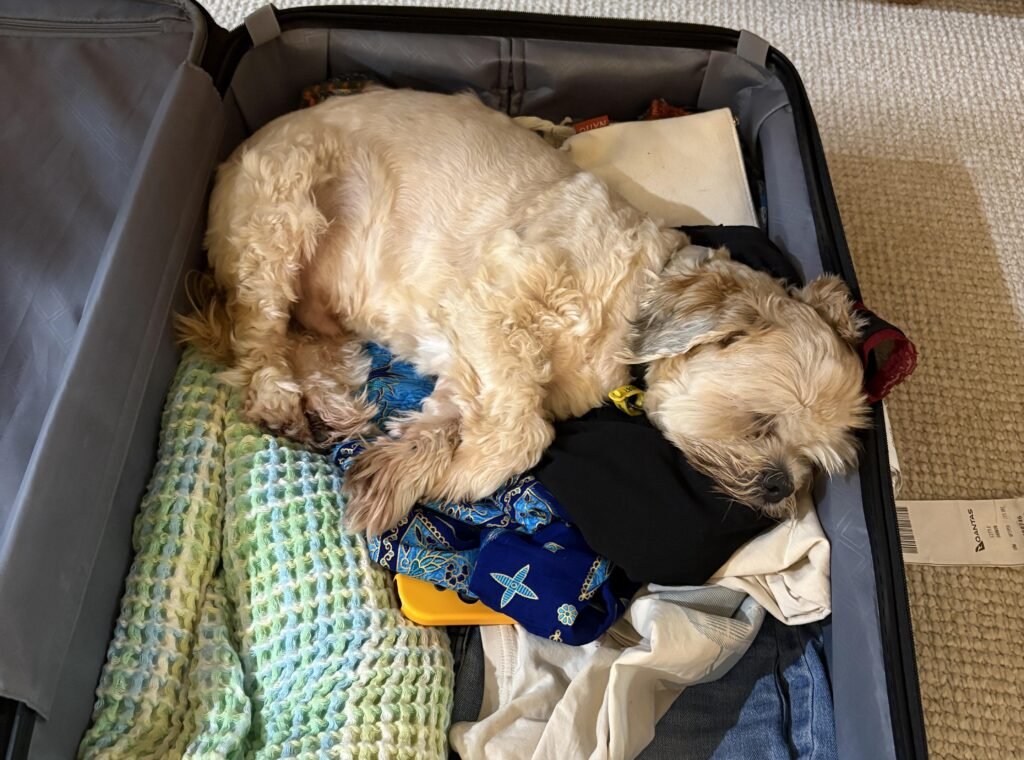
The most common rule she encounters? No parties. “Quite an easy rule to follow as an introvert,” she notes.
When cancellations do hit, she falls back on family and friends in Darwin.
It’s an imperfect system, but one she says she’s learned to manage.
‘The only loss is the comfort of living in one place’
What she spends money on now: groceries, car costs, and the occasional trip – she visited New Zealand in February.
What she doesn’t spend money on: almost everything else.
“I save most of my money, which is great,” she says.
The trade-off is not having a permanent home to fill with things. She’s made her peace with that.

Next up: a van. Tara wants to drive across Australia, picking up housesits along the way and staying in the van in between.
She’s already joined housesitting groups in New Zealand. “It looks very promising,” she says.
Why it matters
Tara’s story is part of a broader shift in how younger people are responding to housing costs – not by waiting the market out, but by opting out of the model entirely.
Housesitting as a deliberate financial strategy, rather than a stopgap, is gaining traction among remote workers who’ve realised location flexibility is worth more than a fixed address.
As short-term rental platforms reshape where and how people live, the gap between traditional renting and more fluid alternatives keeps widening.
For creators and freelancers with portable incomes, Tara’s approach isn’t eccentric. It’s increasingly logical.
Watch for the next wave of this story: van-life content from someone with glowing housesitting reviews and a route across an entire continent.