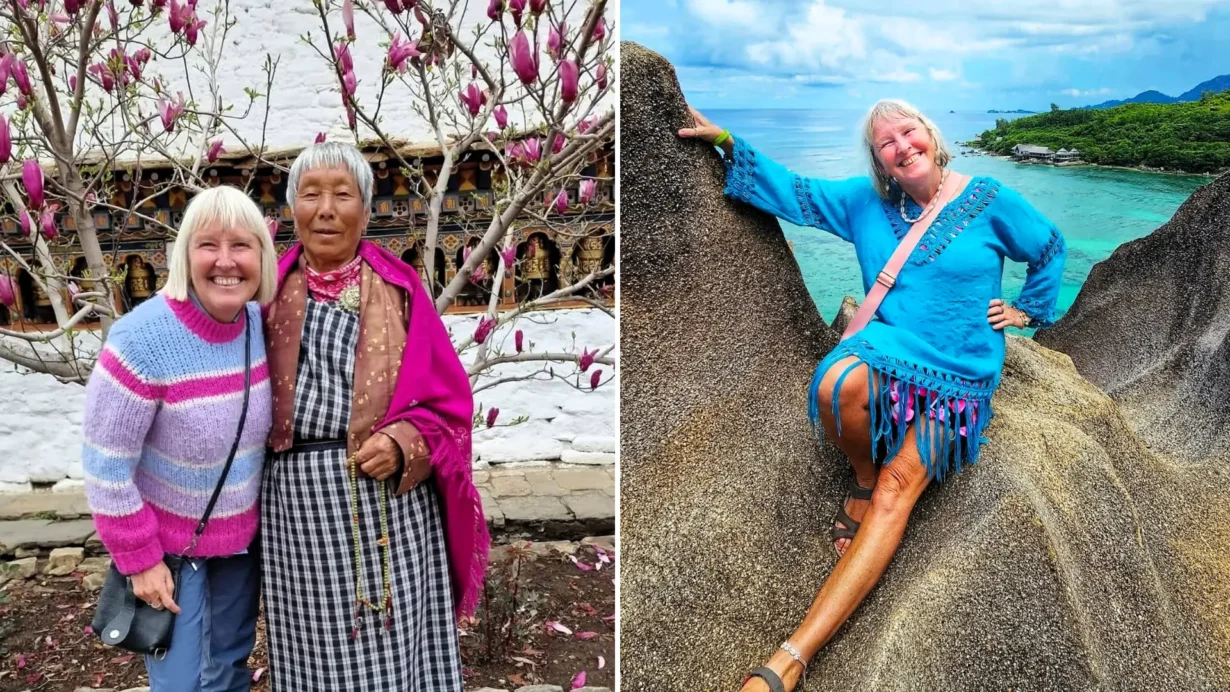

Lynn Stephenson feels safest in the places the news tells her to fear.
She sold her house in 2022, banked £136,000 after clearing the mortgage, and spent it walking through Iran, Afghanistan and Iraq.
She is 62, a former English teacher, and one of at least 4.8 million British-born people now living overseas, according to United Nations figures.
Three years in, she no longer counts England as home.
READ MORE: I watched security guards protect the sunbeds at my hotel – every lounger was gone in five MINUTES
“It’s funny but I don’t really think of England as my home anymore,” she said.
The house went first
Covid did the convincing. Lynn had thought about going for years.
Then the world shut its doors and that was enough.
“I never believed you could lock the world down but that’s what happened and it scared me, so I decided to take the chance while I could,” she told Creatorzine.
The house sold for £175,000. After the mortgage she was left with £136,000, which carried her through three years of full-time travel out of a single suitcase.
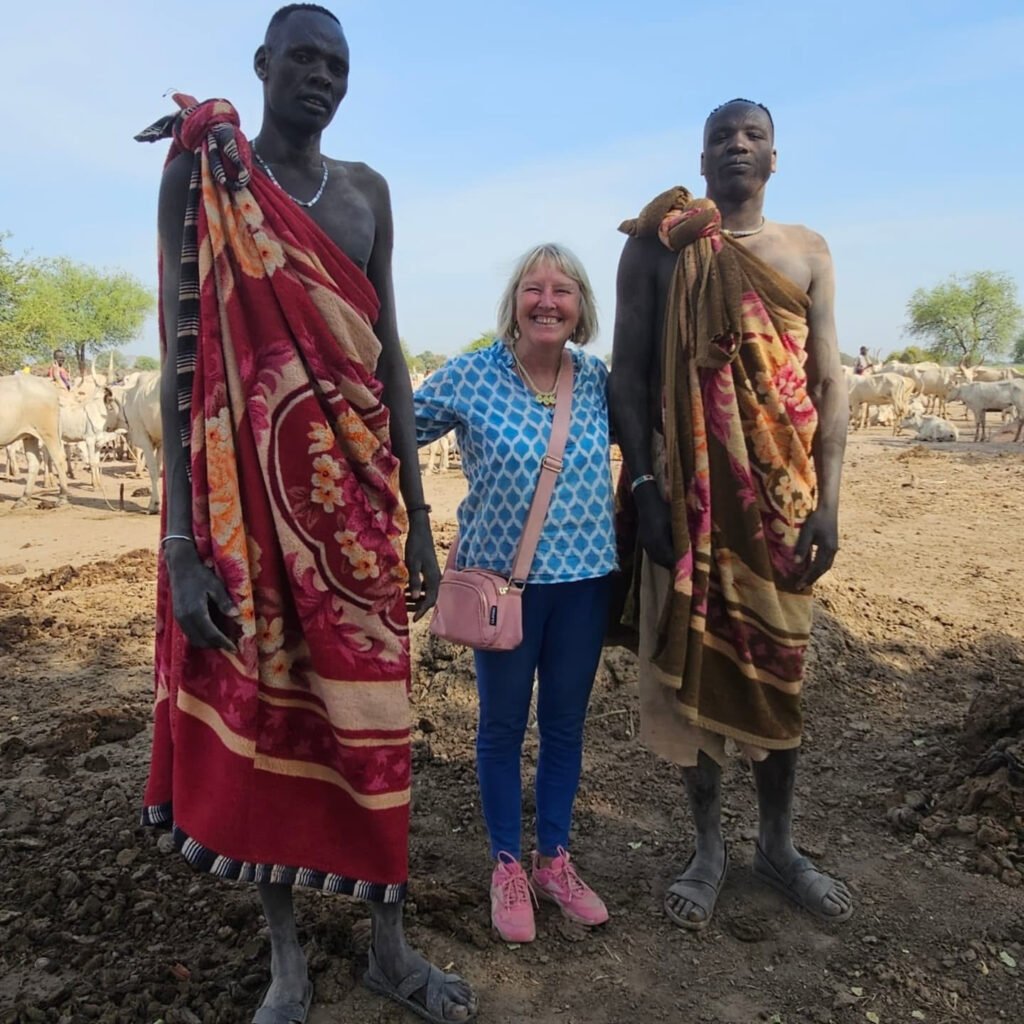
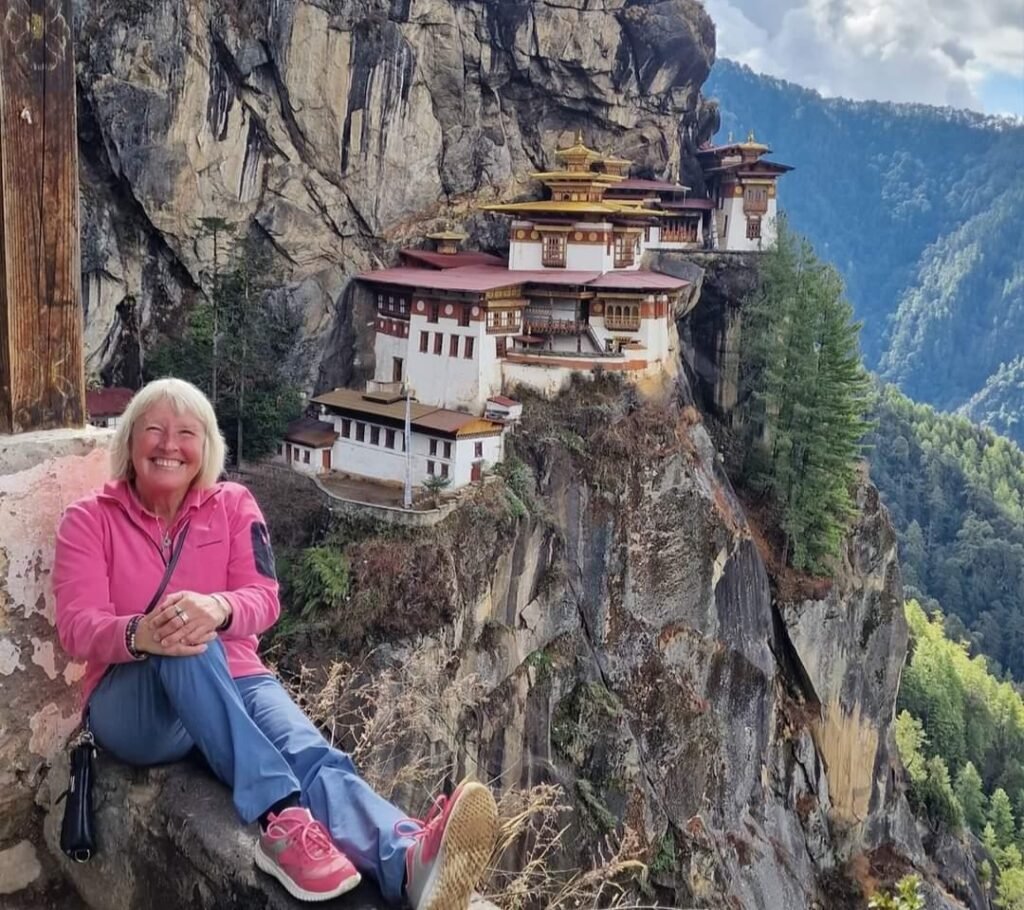
Nepal, Bhutan, Thailand, Iraq, Afghanistan, South Korea, Pakistan, Taiwan. The list keeps growing.
“Travelling restores your faith in people,” she said.
“All we hear now is bad news but travel shows you that actually the world is full of predominantly kind, hospitable people and despite what the news and media tell you, it’s actually a very safe place to travel.”
Iran kept catching her off guard
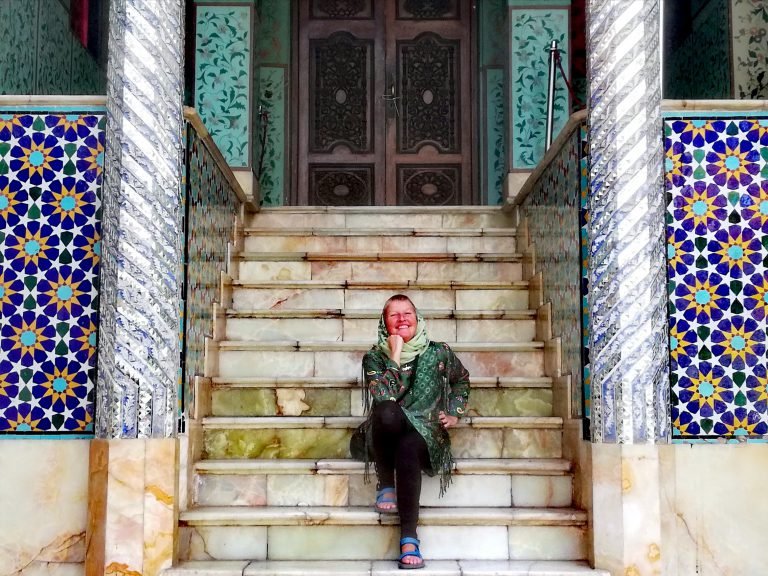
Of everywhere she’s been, Iran is her favourite. Mostly because of how people treated her.
“Old ladies hugged me in the street, one even tickled me under the chin like I was three-years-old,” she said.
She found a country that didn’t match the headlines. Sixty per cent of graduates are women.
The ones she met were doctors, lawyers, architects. The thing that surprised her most came from the men.
“What surprised me most was the men who apologised to me for the fact I had to wear a headscarf.
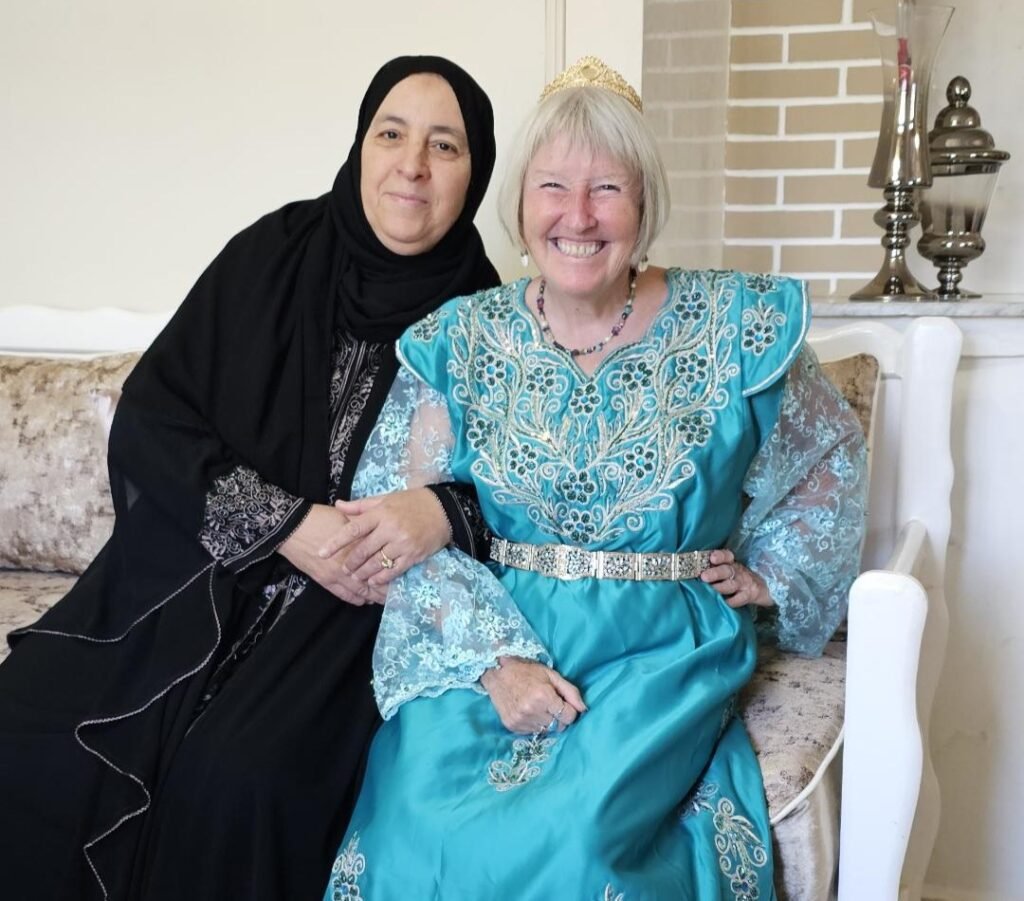
They were very indignant and said it should be mine and other women’s choice.”
People criticised their own government to her face, openly, knowing the secret police existed and knowing what it could cost them.
The Taliban teddy bear
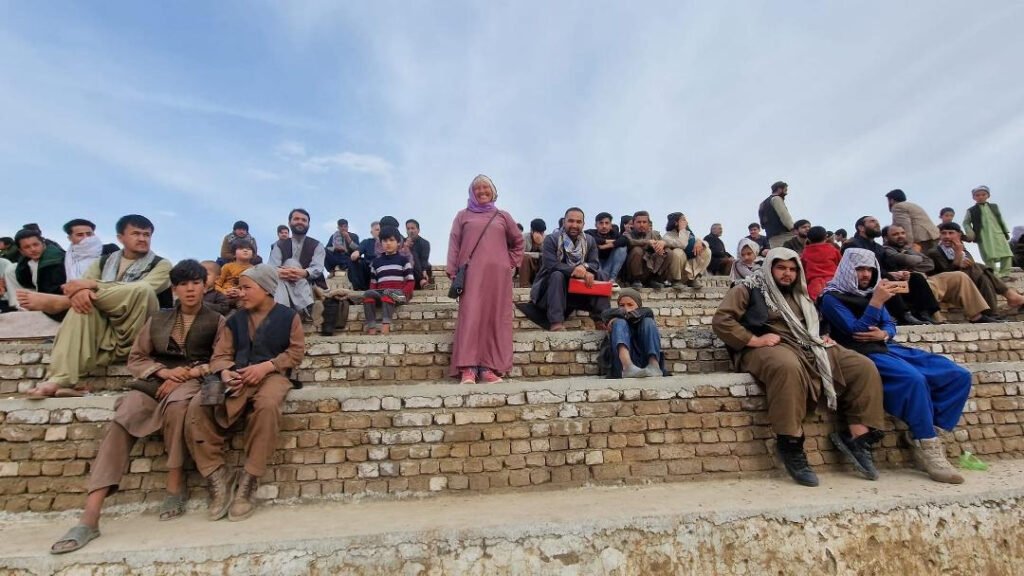
Afghanistan should have frightened her. It didn’t.
“I never felt unsafe walking around in Afghanistan – there were armed checkpoints and armed Taliban in the streets or riding in trucks,” she said.
The ancient sites required an armed Taliban escort. Hers was enormous and never stopped smiling.
“He was a huge man but with a constant warm smile on his face. We nicknamed him the ‘Taliban teddy bear’.”
The Cook Islands nearly killed her
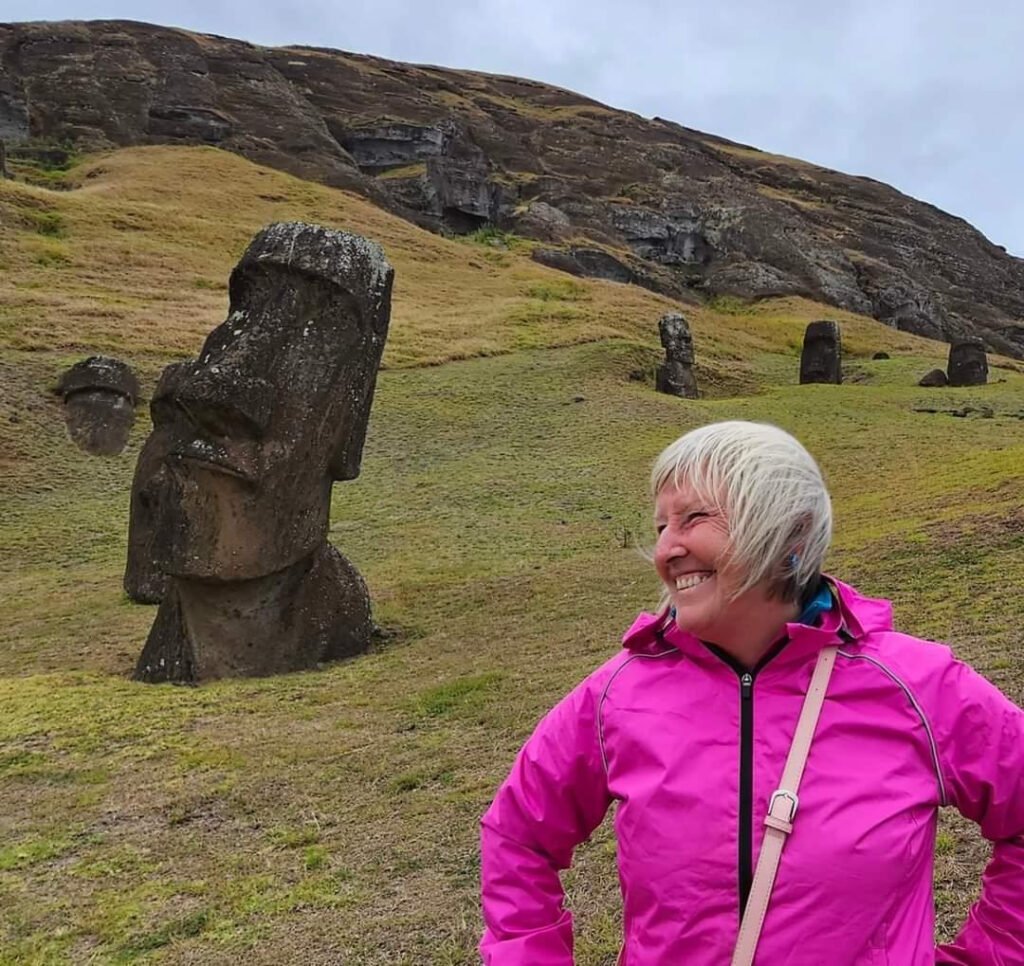
The real danger came somewhere far more postcard-friendly.
Three hours into a hike in the Cook Islands, Lynn lost the path. It had been raining. The ground gave way.
“I slipped and plunged down a very steep bank,” she said.
“Luckily, the river below broke my fall. The problem was I couldn’t get out, the bank was very steep.”
She tried following the water. It turned to rapids. Her phone had no signal.
She was alone in the middle of nowhere with one option left.
“In the end, I decided to try to climb out. It was so dangerous, if I’d fallen I knew that it would lead to serious injury or even death.”
She climbed out anyway.
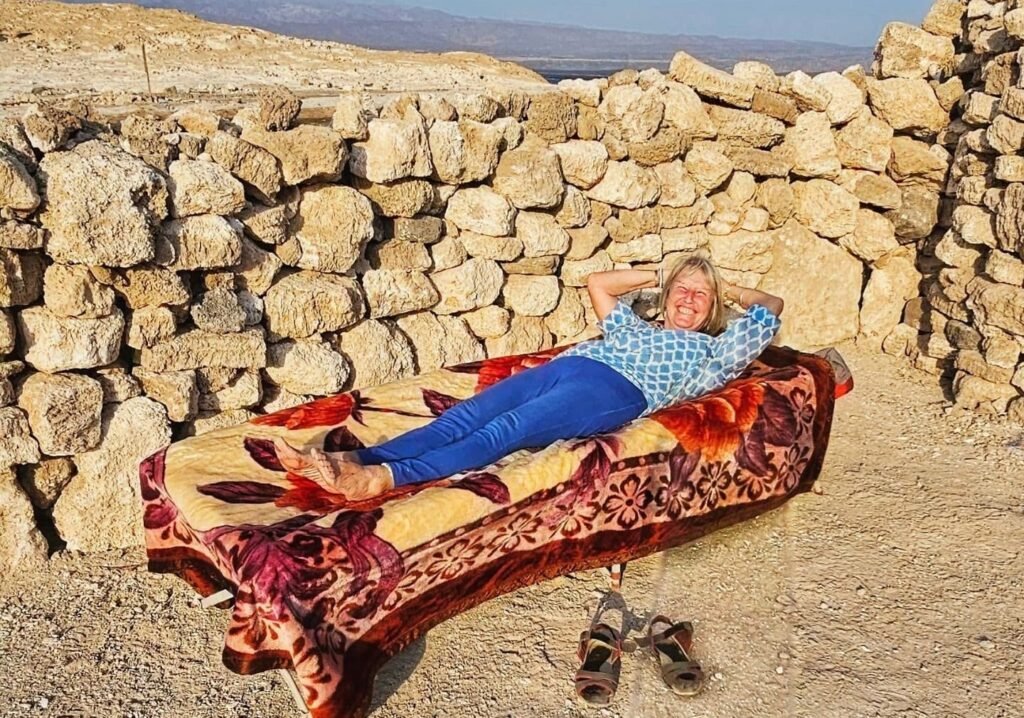
“There are risks travelling to these places. But I am only responsible for myself.”
Sixteen to go
Lynn has 16 countries left on her list and one she wants badly.
“A lot will depend on North Korea opening and funds but I would like to achieve this by the end of next year,” she said.
People keep asking if she’s lonely. She finds the question slightly tiresome.
“There’s a difference between being alone and being lonely. I enjoy my alone time and now have friends all around the world.”
Why It Matters
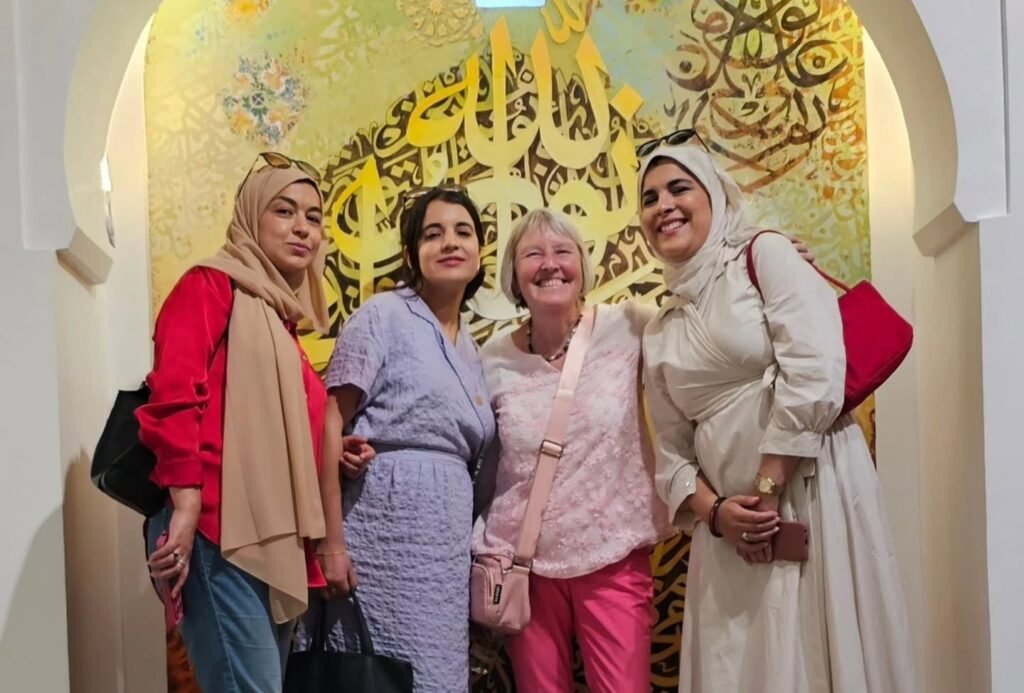
The “I sold everything to travel” story has become its own content genre, usually told by someone in their twenties with a ring light and a sponsorship deal.
Lynn is 62 and the appeal is the opposite of aspirational lifestyle gloss.
Her selling point is going where the algorithm-friendly travel set won’t, and reporting back that the fear was mostly imported.
That’s a niche the creator space hasn’t saturated yet, and audiences exhausted by polished wanderlust content are showing up for the unvarnished version.
Solo female travel into so-called high-risk regions is one of the faster-growing corners of travel media right now, partly because the footage and the testimony cut so hard against the headlines.
Whether Lynn gets into North Korea by the end of next year is the question worth watching.
The funds are one obstacle. The country opening its borders is the bigger one.
READ MORE: I flew to Milan for the day and was home by bedtime – the whole trip cost £115