

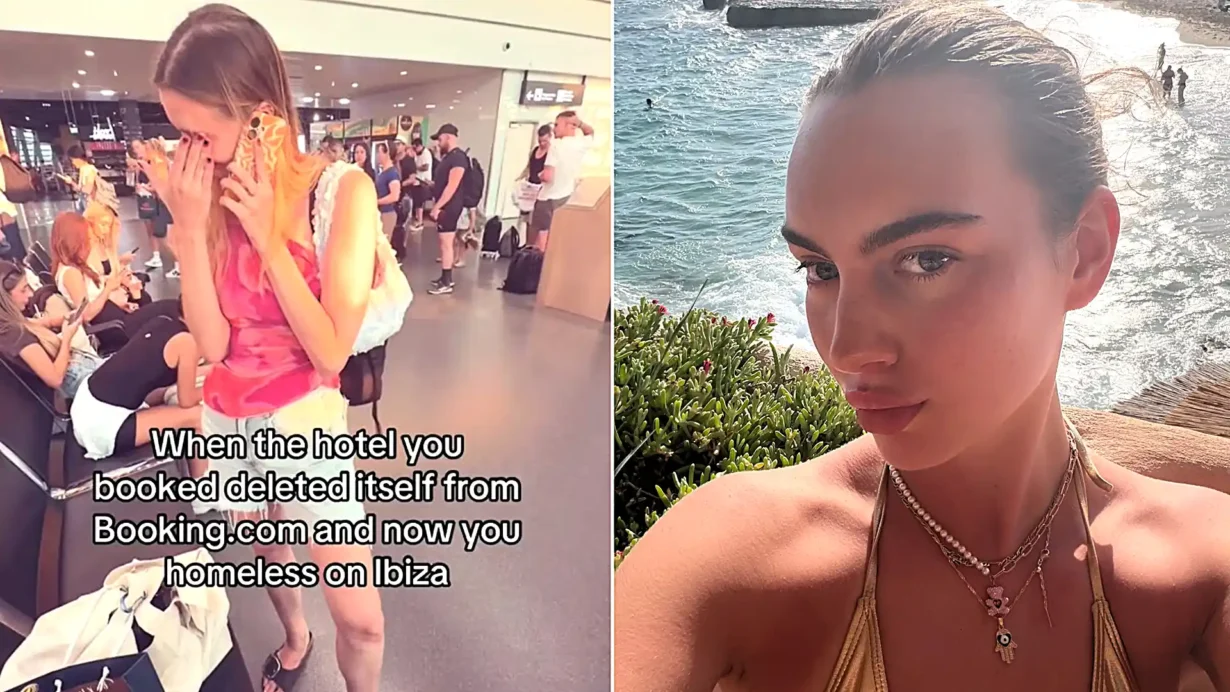

The apartment cost £1,800 and sat within walking distance of Ushuaïa.
Days before a seven-strong hen party flew out to Ibiza, it vanished from Booking.com entirely.
Flávia Zsófia Hannus, 23, had booked the three-bedroom flat for a three-night bachelorette trip with six friends.
What followed was a lesson in how quickly a party island becomes a problem island when your accommodation stops existing.
A payment link and a bad feeling
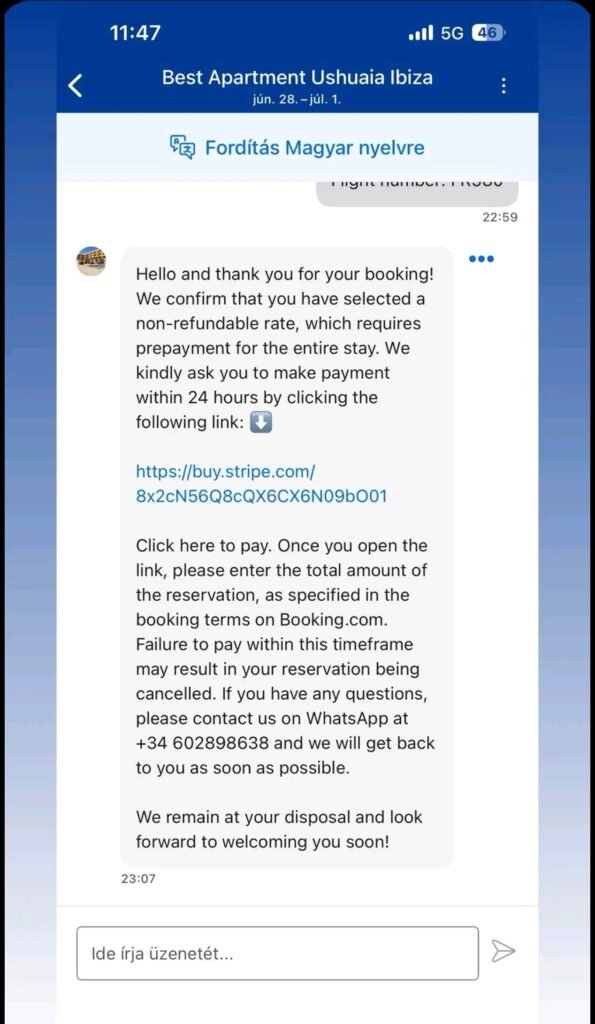
The warning signs arrived early. The property asked the group to pay through a separate payment link, which felt off enough that they checked with Booking.com first.
The platform told them the link was legitimate. They paid.
Then, with an 11pm arrival to organise, the host went quiet. For more than 48 hours.
“We contacted Booking.com to ask if they could reach the property,” Flávia told Creatorzine.
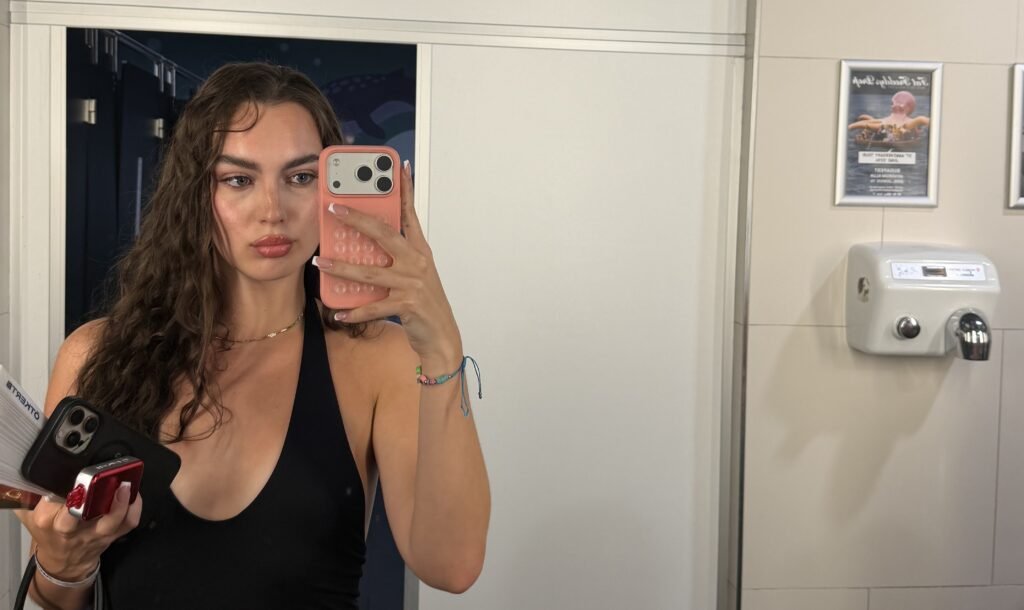
“They told us not to worry, although they also couldn’t get in touch with the host.
“We then searched for our booking reference and noticed that the property had completely removed itself from Booking.com.
Our reservation itself hadn’t been cancelled, but the entire listing had disappeared from the platform.”
A reservation for an apartment that no longer exists is a curious thing to hold.
Sunday, 11pm, nowhere to sleep
The group flew on a Sunday. By the afternoon of arrival day, there were still no check-in instructions, and Flávia, from Hungary, had spent around two and a half hours on the phone to a rotating cast of Booking.com agents.
“We didn’t want to end up stranded on a foreign island on a Sunday night without accommodation,” she said.
The platform eventually offered alternatives. On the opposite side of the island. Paid upfront.
“Since we were travelling during peak season in Ibiza with a group of seven people, the replacement accommodation was very expensive,” Flávia said.
“Having to pay for accommodation a second time significantly reduced the budget we had planned for the bachelorette party.”
Don’t tell the hens
Only the bride, her sister and one other friend knew about the chaos before departure.
The rest found out at the airport, a decision made because the organisers feared some of the group might refuse to board if they knew they could land with nowhere to sleep.
“The whole situation was extremely stressful and frustrating,” Flávia said.
“We had to keep pushing Booking.com before they even started offering us alternative accommodation.”
The group did find somewhere to stay. But the original flat had been chosen for its walking distance to the venue booked for their first evening.
“Instead, we spent the first day resting and trying to recover from the stress and exhaustion,” Flávia said.
The worry over money followed them for the rest of the trip.
“The bride also found it difficult to fully relax and enjoy herself because the uncertainty was always in the back of our minds,” Flávia said.
“We didn’t know whether we would get our money back for the original accommodation, whether the additional costs would be reimbursed, or whether we would receive any compensation at all.”
A Booking.com spokesperson said: “At Booking.com, ensuring that our platform is safe and trustworthy for our customers is a top priority.
We check every listing for suspicious activity using advanced technology and expert teams.

On the rare occasion there is an issue, we investigate and can remove properties from the platform, just as we have done in this case.”
The listing was removed, then. Just not before the money went through.
Why It Matters
Booking disasters are now one of the most reliable content genres going, and platforms know it.
A hen party stranded in Ibiza is exactly the kind of story that travels further as a TikTok stitch than a customer service ticket, and travel creators have built entire audiences on documenting where the big platforms fall over.
For the companies involved, the reputational maths has changed: a complaint made publicly, with receipts, moves faster than one made on hold for two and a half hours.
Ghost listings and off-platform payment links have become a recurring theme in peak-season travel reporting, with booking platforms under growing pressure to verify hosts before money changes hands rather than after.
The group is still waiting to find out whether the £1,800, or any of the extra costs, will come back.
The bride, presumably, is still waiting for the hen do she actually planned.