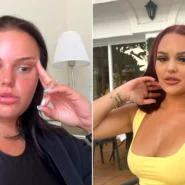

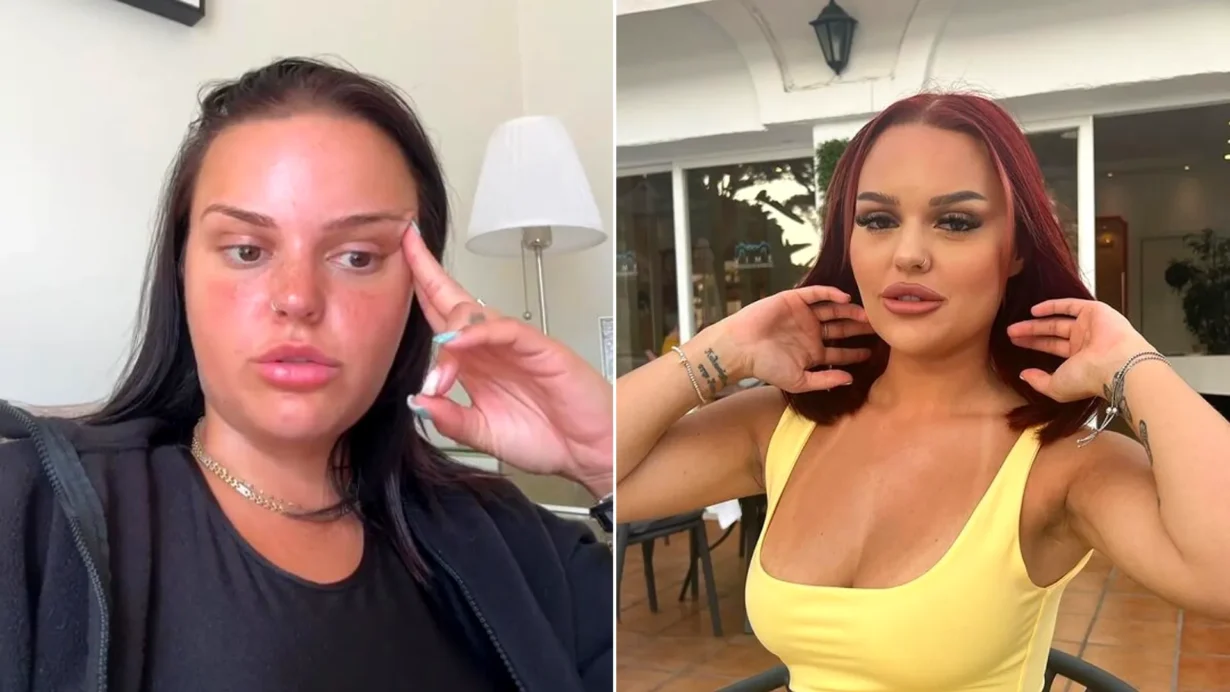

Verity Went lay down to sleep off a migraine with a Staffordshire accent.
She woke up Geordie.
That was three years ago. Now the 29-year-old barber and content creator says she would rather keep the voice that upended her life than ever hear her old one again.
“I feel like this is my voice now,” she told Creatorzine.
“I’m so used to it, and if it changed back to my original voice, it would be just as hard to adapt back.”
Five minutes that changed everything
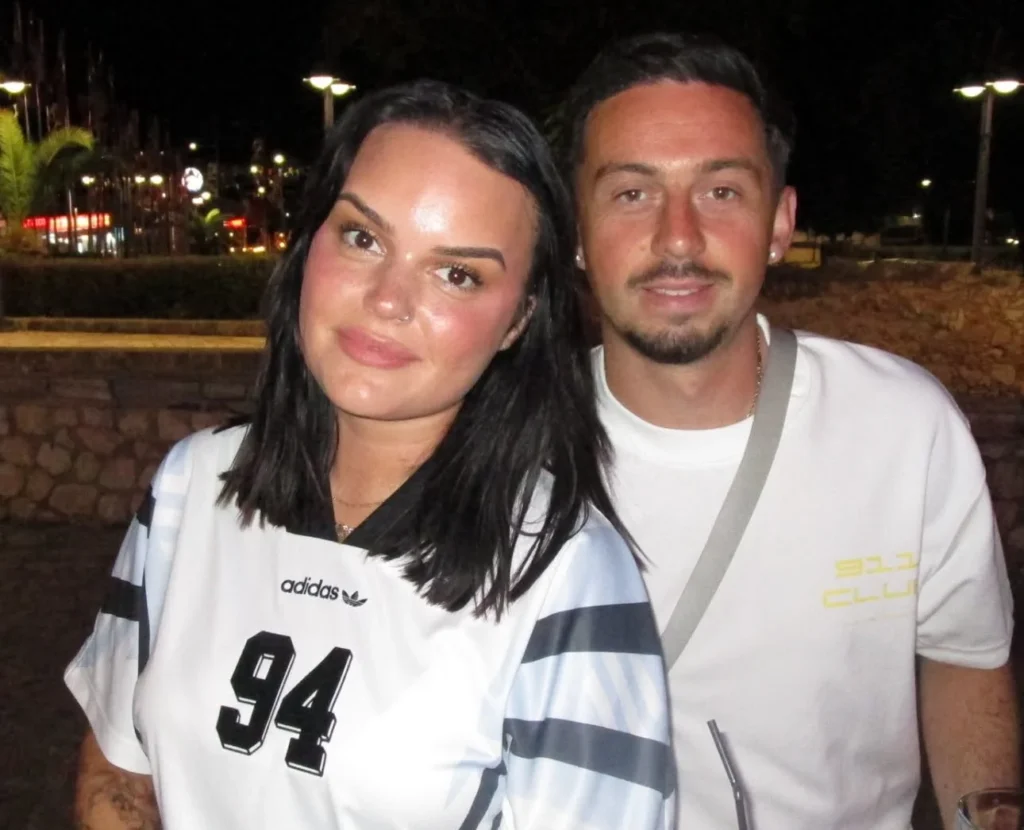
It happened on 4 October 2023. Verity, born and raised in Staffordshire, already lived with functional neurological disorder (FND), a condition where the brain struggles to send and receive signals to the body. Slurred speech wasn’t new to her.
What came next was.
“After a couple of hours I woke up and my speech was slurred, which I’m occasionally used to, but after five minutes it came back – and was Geordie,” she said.
“I was terrified.”
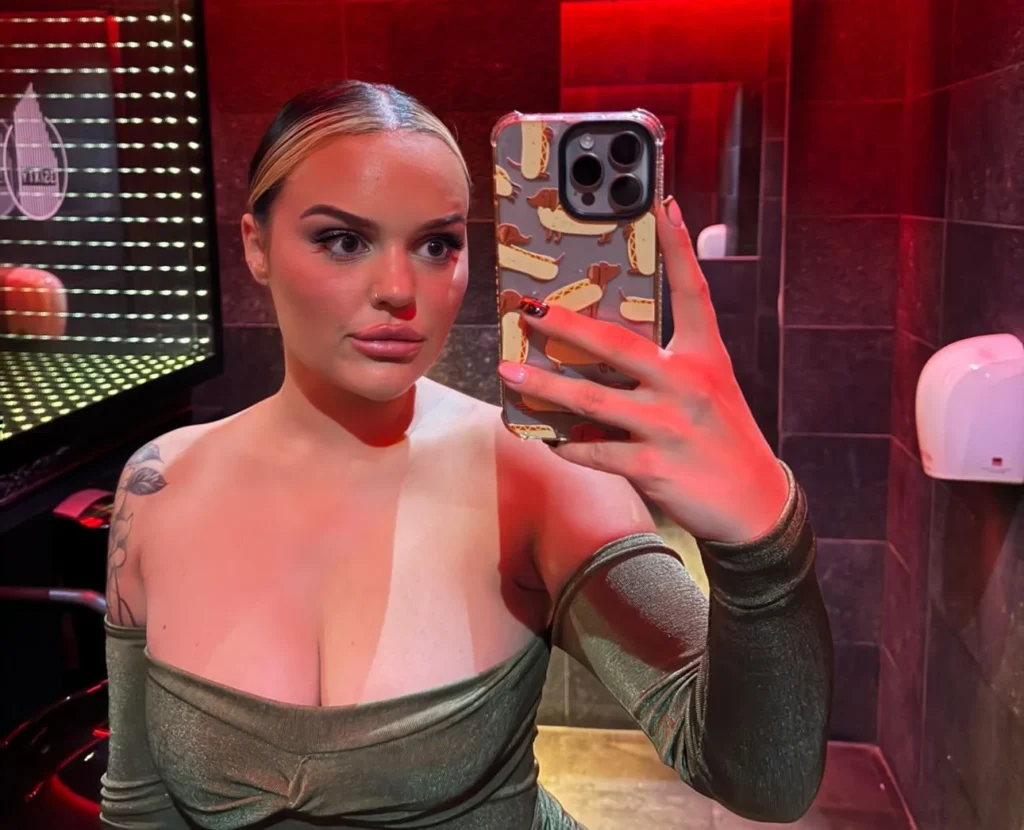
She went straight to her GP. Because doctors already knew about her FND, they suspected a link rather than a stroke.
Her GP had heard of the condition but never seen it, and sent her to hospital.
Doctors diagnosed foreign accent syndrome, a rare disorder connected to her FND.
Her own friends and family barely recognised her.
“Even though I like it now and I’m used to it, at first I was so upset as I just felt I had completely lost myself and didn’t know who I was anymore.”
The accent moved into her dreams
Verity believes the change is here to stay, and her evidence is hard to argue with.
The accent hasn’t just taken over how she talks. It’s taken over her head.
“I believe it’s permanent because of the fact it’s changed in my inner monologue as well, and in my dreams it has changed,” she said.
Doctors told her foreign accent syndrome tends to be long-term, if not permanent. She hopes they’re right.
“The mental strain is so hard, and I wouldn’t want to go through it again.”
‘Everyone says this is the real me’
The people closest to her have gone well past acceptance.
They think the new voice suits her better than the old one ever did.
“My friends and family are so used to it now, and everyone says they believe this is the real me, and that I suit it more than my original accent,” she said.
“Now that some time has passed, I love my voice. It’s become who I am.”
Strangers, mostly, have been kind. “Most people are willing to understand, be interested or be really nice, so I’m really lucky in that way.”
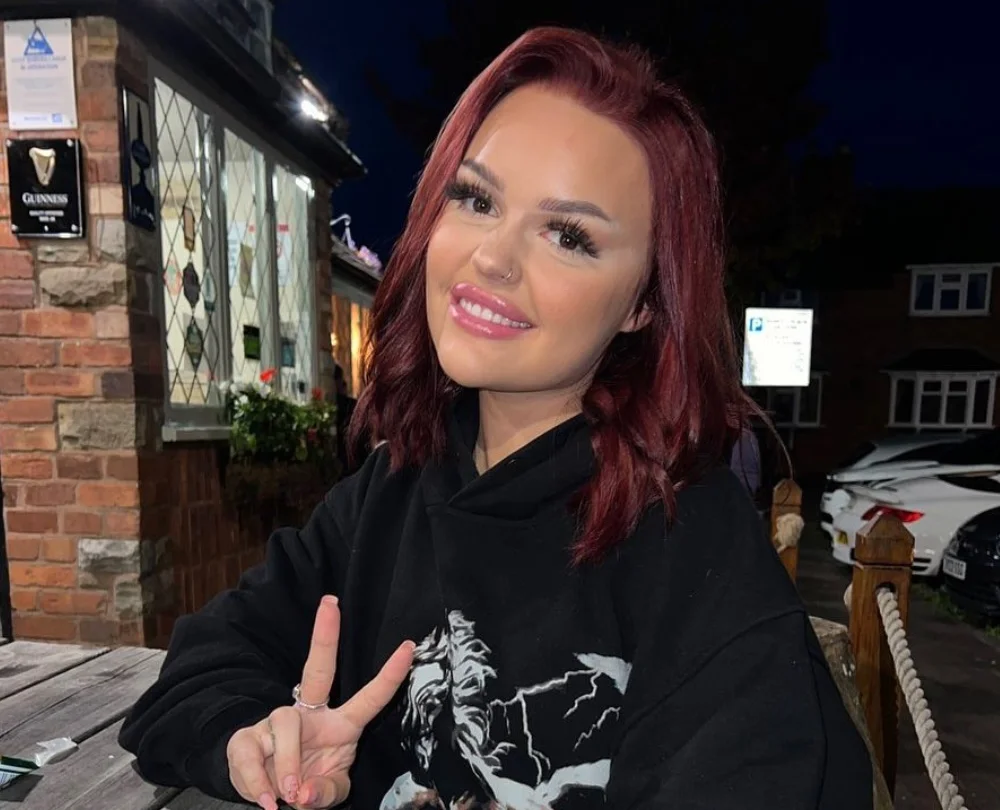
The three years still feel unreal. “When something so rare and, I suppose, unbelievable actually happens to you, time stands still.
I always felt like after that I was waiting for whatever is going to happen next.”
She says the experience has made her “more open, understanding and appreciative of changes to life, instead of being scared of change”.
“It’s just shown me anything can happen, and time keeps going, so I have to keep going too.”
Why It Matters
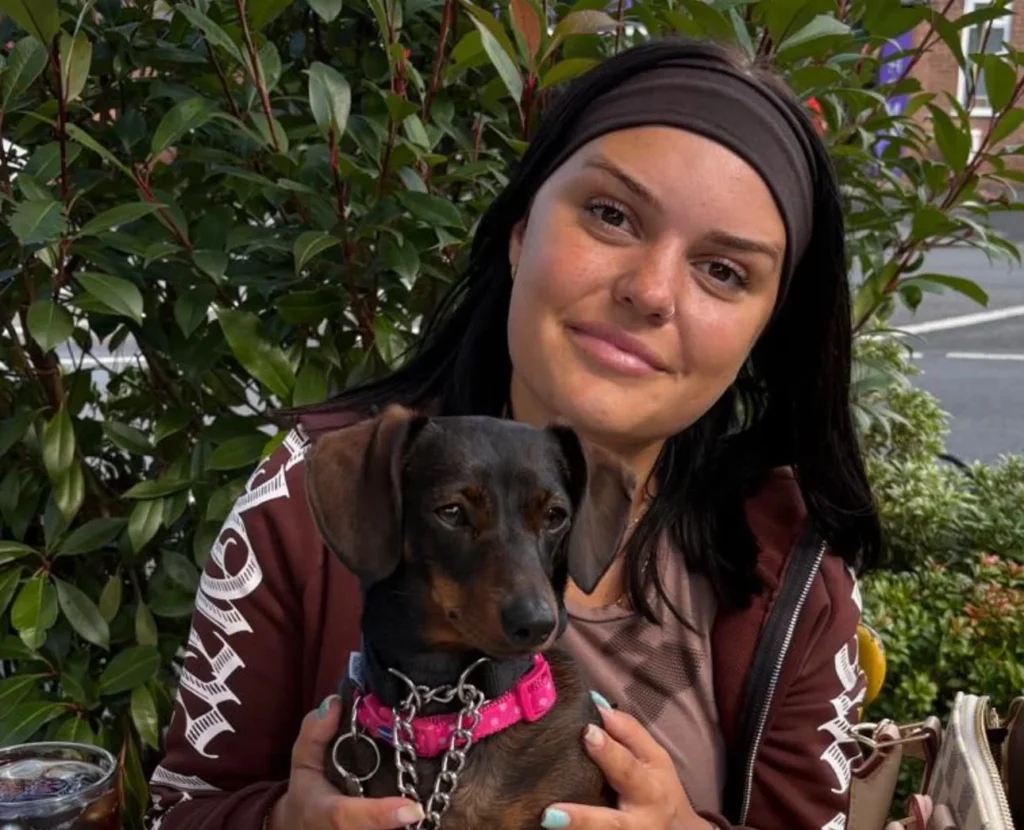
Creators trade on being recognisable, and the voice does half that work.
Verity lost hers overnight and had to rebuild herself, on camera and off, around one she never chose.
Audiences tend to stick around for that kind of honesty longer than they do for polish.
The bigger picture
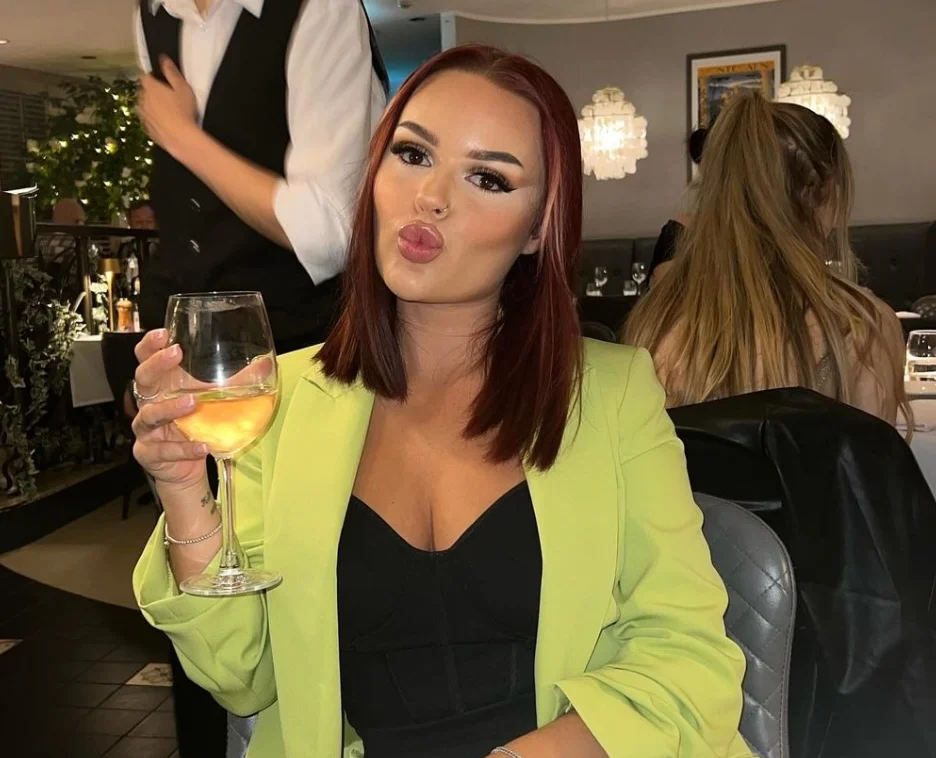
Foreign accent syndrome is rare enough that Verity’s own GP had never seen a case.
Online, though, accent-change stories travel fast, and viewers can’t seem to get enough of them.
As for what happens next, Verity isn’t guessing.
“I’m excited for what the future holds – and God knows what will happen next!”